

Isometric exercise is one of the most underrated tools in strength and conditioning — yet it delivers real, measurable results without requiring a gym membership, heavy equipment, or even much space.
Whether you are a beginner just starting your fitness journey or an experienced athlete looking to break through a plateau, understanding isometric exercise and how to use it strategically can make a meaningful difference in your performance, posture, and long-term joint health.
What Is Isometric Exercise?
Isometric exercise refers to any muscle contraction where the muscle produces force but does not visibly change in length, and the joint involved does not move. The word itself comes from the Greek words “isos” (equal) and “metron” (measure), reflecting the fact that the muscle length stays constant during the effort.
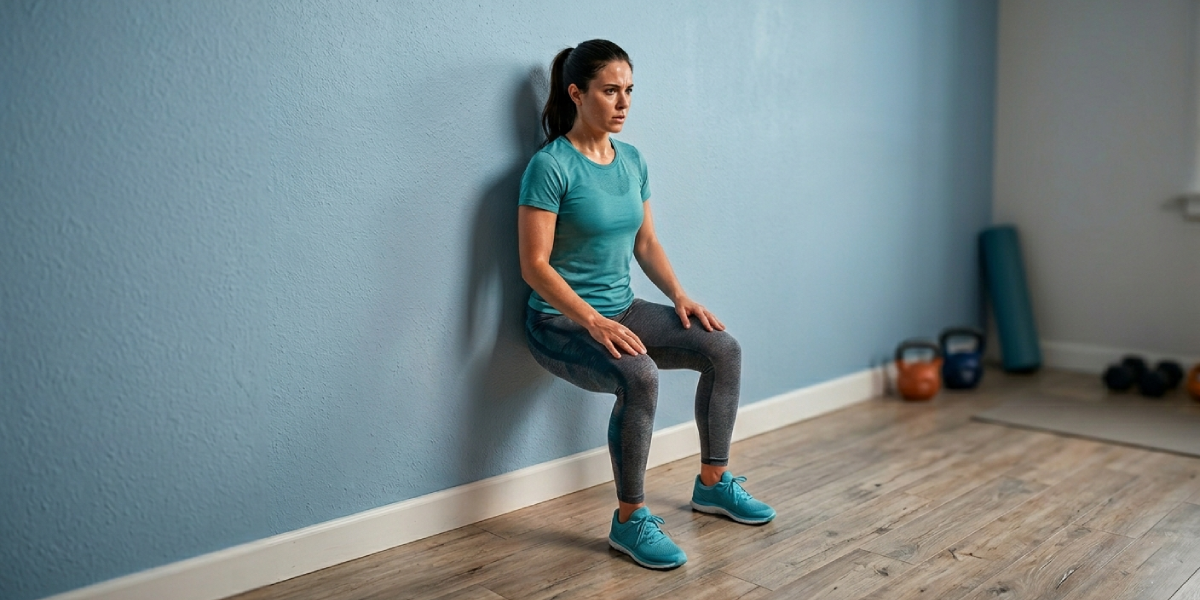
In contrast to dynamic exercises like squats or bicep curls — where muscles repeatedly shorten and lengthen through a range of motion — isometric exercises involve holding a static position under tension. Think of pressing your palms together as hard as you can in front of your chest, holding a wall sit, or maintaining a plank.
The muscles are working intensely, but there is no visible movement.
Isometric contractions can be classified into two main types. The first is a yielding isometric, where you hold a position against gravity or an external load, such as holding the bottom of a squat or keeping a dumbbell extended at shoulder height.
The second is an overcoming isometric, where you push or pull against an immovable object as hard as possible, such as pressing your hands against a wall or pushing up against the underside of a sturdy table. Both types are effective and serve different purposes depending on your training goals.
The Science Behind Isometric Training
The benefits of isometric exercise are well-supported by decades of research in exercise physiology. When you hold a muscle under tension without movement, several important physiological adaptations take place. Motor unit recruitment increases, meaning your nervous system learns to activate more muscle fibers simultaneously.
This is one of the reasons isometric training is especially effective for building maximal strength at specific joint angles.
Studies have consistently shown that isometric training improves strength not only at the exact angle where the exercise is performed but also — to a lesser degree — across adjacent joint angles. This quality makes it particularly useful for addressing weak points in a lift.
If you struggle at the midpoint of a bench press, for example, performing isometric holds at that exact angle can directly target and strengthen that position.
Research published in sports medicine literature has also found that isometric contractions produce significant increases in tendon stiffness and collagen synthesis, making the surrounding connective tissue more resilient.
This explains why isometric loading protocols are widely used in physical therapy and rehabilitation settings to manage conditions like patellar tendinopathy, Achilles tendinopathy, and lateral elbow pain.
Additionally, isometric exercise has been studied extensively for its role in blood pressure management. A growing body of evidence suggests that regular isometric training — particularly wall sits and isometric handgrip exercises — can produce meaningful reductions in both systolic and diastolic blood pressure, potentially rivaling the cardiovascular effects of traditional aerobic training.
Key Benefits of Isometric Exercise
Understanding the specific advantages of isometric training helps you determine where it fits best within your overall exercise program. Here are the most well-established benefits.
- Strength gains with low joint stress: Because there is no movement through a range of motion, isometric exercise places minimal shear force on joints. This makes it suitable for people recovering from injuries or dealing with arthritis and other joint conditions.
- Improved muscular endurance: Holding positions under tension trains the slow-twitch muscle fibers responsible for endurance and postural stability.
- Enhanced mind-muscle connection: The sustained nature of isometric holds encourages you to focus intensely on the working muscle, which over time can improve neuromuscular coordination and body awareness.
- Time-efficient training: Short isometric holds of 10 to 30 seconds can produce substantial training stimulus, making them highly efficient for people with limited workout time.
- No equipment necessary: Many of the most effective isometric exercises require nothing but your own body and a wall or floor surface.
- Rehabilitation and injury prevention: Isometric exercises are a cornerstone of modern physical therapy protocols, helping rebuild strength around injured areas without aggravating damaged tissue.
- Blood pressure benefits: Regular isometric training has been associated with reductions in resting blood pressure in both hypertensive and normotensive individuals.
Common Isometric Exercises and How to Perform Them
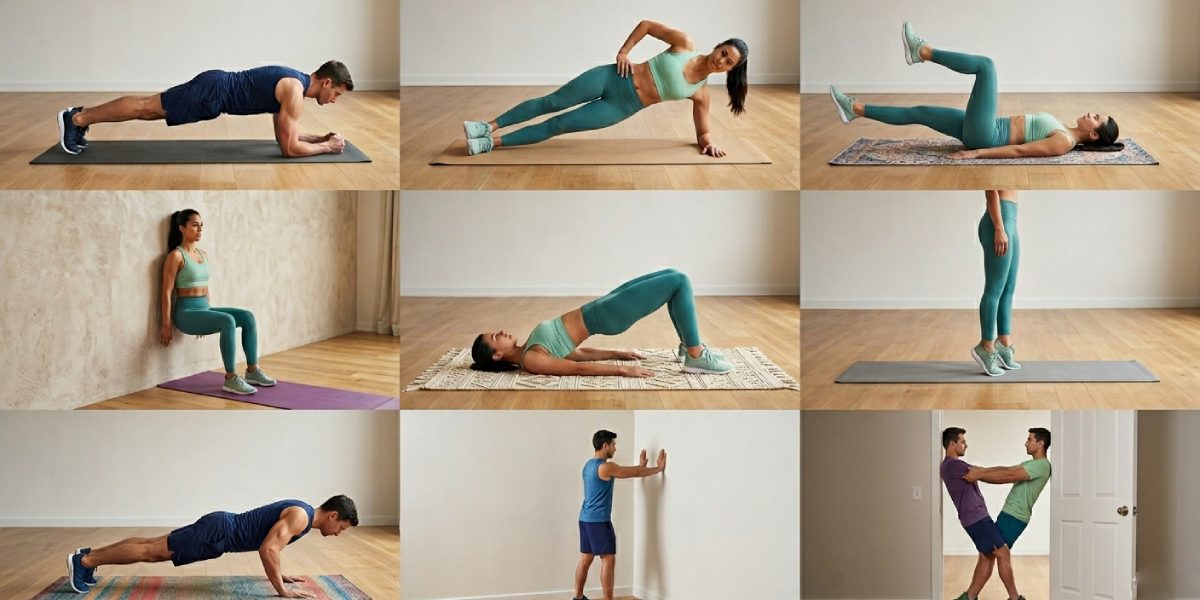
One of the practical advantages of isometric exercise is that effective movements span every major muscle group. Below is a breakdown of some of the most widely practiced isometric exercises, organized by body region.
Isometric Exercises for the Core
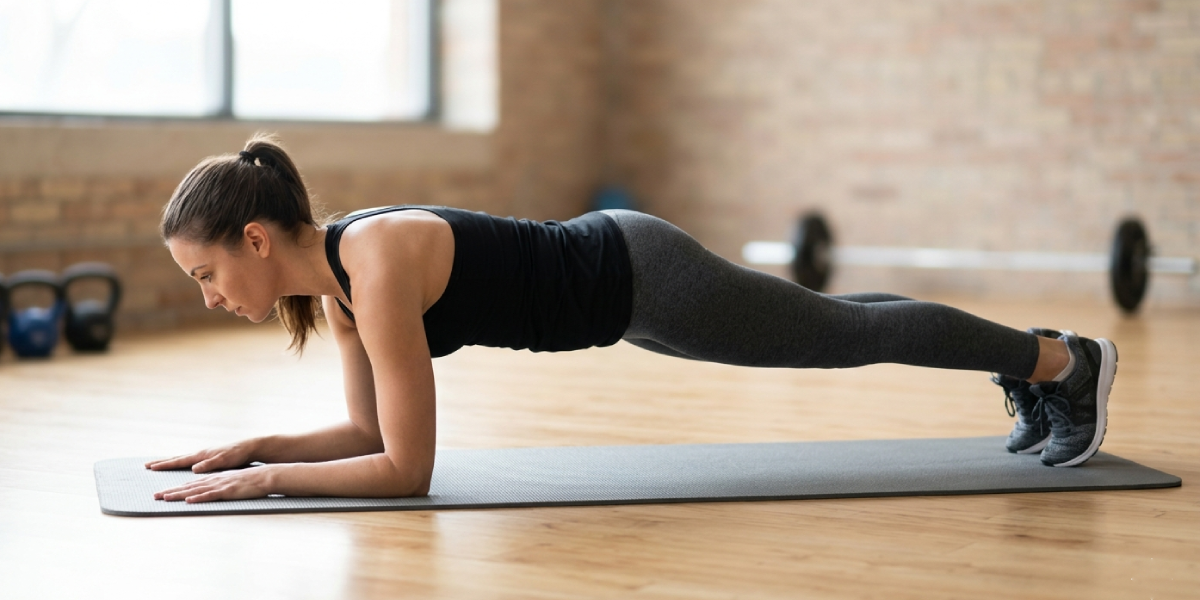
Plank: Begin in a push-up position but rest on your forearms rather than your hands. Keep your body in a straight line from head to heels, engage your abdominals, and hold. The plank trains the rectus abdominis, transverse abdominis, obliques, and deep spinal stabilizers simultaneously.
Side Plank: Lie on your side and prop yourself up on one forearm, stacking your feet. Lift your hips off the ground and hold. This targets the obliques and the quadratus lumborum, which are critical for lateral spinal stability.
Dead Bug Hold: Lie on your back and extend one arm overhead while extending the opposite leg, holding both a few inches from the floor. This isometric variation of the dead bug drill challenges deep core stabilization under a lengthened position.
Isometric Exercises for the Lower Body
Wall Sit: Stand with your back flat against a wall, slide down until your thighs are parallel to the floor, and hold. This is a classic yielding isometric that intensely loads the quadriceps, hamstrings, and glutes without any spinal compression.
Glute Bridge Hold: Lie on your back with knees bent, push through your heels to raise your hips, and hold at the top with your glutes fully squeezed. This targets the gluteus maximus, hamstrings, and lower back extensors.
Calf Raise Hold: Rise onto your toes and hold at the top of the movement. This strengthens the gastrocnemius and soleus, which is especially beneficial for Achilles tendon health.
Isometric Exercises for the Upper Body
Isometric Push-Up Hold: Lower yourself to the midpoint of a push-up and hold. This targets the chest, shoulders, and triceps at the most mechanically challenging position of the movement.
Wall Press: Stand facing a wall and press your palms against it as hard as possible without letting yourself move. This activates the chest and anterior deltoids intensely without any equipment.
Doorframe Pull: Stand in a doorframe and grip both sides at waist height, then pull outward as hard as possible. This overcoming isometric targets the latissimus dorsi and biceps.
How to Structure Isometric Training
Like any training method, isometric exercise produces the best results when programmed thoughtfully. How you structure your isometric work depends on whether you are using it as a primary training tool, a supplementary method, or part of a rehabilitation protocol.
For general fitness and muscle endurance, aim for holds of 20 to 60 seconds per set, performed for 3 to 5 sets per exercise. Rest for 30 to 90 seconds between sets. This approach works well with plank variations, wall sits, and bridge holds.
For maximal strength development, shorter, more intense holds of 3 to 10 seconds performed at maximum effort are more appropriate. Overcoming isometrics — pressing against an immovable object with all your force — fall into this category. Rest periods should be longer, around 2 to 3 minutes, to allow full recovery of the nervous system.
For tendon health and rehabilitation, research supports longer holds of 30 to 45 seconds at moderate intensity, performed once or twice daily. This approach has been validated in clinical studies for conditions involving patellar and Achilles tendinopathy.
Monitoring how your body responds to isometric loading is important. Because these exercises recruit large amounts of muscle fiber without visible movement, they can be deceptively demanding. Pay attention to signs of overuse or fatigue, and consult a healthcare provider if you are incorporating isometrics as part of injury rehabilitation. Your overall health status, including cardiovascular factors, should also inform how intensely you train.
Sample Weekly Isometric Workout Plan
Here is a practical, beginner-to-intermediate isometric routine that can be performed three times per week with at least one day of rest between sessions.
| Exercise | Sets | Hold Duration | Rest |
|---|---|---|---|
| Plank | 3 | 30–45 seconds | 60 seconds |
| Side Plank (each side) | 3 | 20–30 seconds | 45 seconds |
| Wall Sit | 3 | 30–60 seconds | 60 seconds |
| Glute Bridge Hold | 3 | 30–45 seconds | 60 seconds |
| Isometric Push-Up Hold | 3 | 10–20 seconds | 60 seconds |
| Calf Raise Hold | 3 | 20–30 seconds | 45 seconds |
As you progress, increase hold durations by 5 seconds every one to two weeks before adding additional sets. Quality of contraction always takes priority over duration — a 20-second hold performed with full, focused tension is more productive than a 60-second hold performed passively.
Who Can Benefit Most from Isometric Exercise?
The versatility of isometric training means it genuinely has something to offer nearly every population. Beginners benefit from the low-skill entry point — there are no complex movement patterns to master, reducing injury risk and building a foundation of strength and stability.
Older adults benefit from the joint-sparing nature of isometrics and the evidence supporting its role in maintaining bone density and muscular function as part of a comprehensive exercise plan.
Athletes use isometric training to address position-specific weaknesses, reinforce stability under load, and reduce the risk of muscle imbalances. People managing cardiovascular risk factors may find that regular isometric work supports blood pressure management alongside their medical care.
Anyone carrying excess weight and concerned about joint loading can also use a BMI calculator as one tool to assess their overall health profile and determine appropriate exercise intensity.
Isometric Exercise vs. Dynamic Exercise: Finding the Right Balance
Isometric and dynamic exercise are not competing approaches — they are complementary. Dynamic training through a full range of motion builds functional strength, muscle hypertrophy, and cardiovascular fitness in ways that isometric training alone cannot replicate.
Isometric training, in turn, fills specific gaps that dynamic training often misses: joint-angle specific strength, tendon resilience, positional stability, and pain-free loading during rehabilitation.
The most effective training programs combine both. A well-rounded strength session might use dynamic compound lifts like squats and rows as the foundation, then incorporate isometric holds at sticking points or as finishers for targeted muscles.
Physical therapy programs routinely use isometric exercises early in a recovery timeline before reintroducing dynamic movement as healing progresses.
The key is intentionality. Knowing why you are including an isometric exercise — whether for strength, endurance, tendon health, or rehabilitation — allows you to select the right type of hold, the right duration, and the right intensity for the outcome you are pursuing.
Safety Considerations and Breathing During Isometric Exercise
One important technical consideration during isometric exercise is breathing. Many people naturally hold their breath during intense isometric contractions, which can cause a significant temporary spike in blood pressure through what is known as the Valsalva maneuver.
While controlled breath-holding is used intentionally in maximal strength training, for general fitness purposes you should breathe steadily throughout each hold — inhaling for two to three seconds and exhaling for two to three seconds in a controlled cycle.
People with diagnosed cardiovascular conditions or hypertension should consult their physician before beginning high-intensity isometric training, particularly overcoming isometrics at maximal effort.
For these individuals, moderate-intensity yielding isometrics performed with steady breathing are generally well-tolerated and may even be therapeutically beneficial, but medical clearance is advisable.
Ensure that the position you are holding is biomechanically sound before applying intensity. A plank held with a sagging lower back, or a wall sit with knees caving inward, reinforces poor alignment and can lead to overuse injuries. When in doubt, reduce the hold duration, correct your form, and rebuild gradually.
Frequently Asked Questions
What is isometric exercise in simple terms?
Isometric exercise is any exercise where your muscles generate force and work hard without any visible movement at the joint. Instead of repeatedly contracting and relaxing through a range of motion, you hold a position under tension — such as a plank, wall sit, or pressing your hands together — for a set period of time.
Is isometric exercise good for building muscle?
Isometric exercise can contribute to muscle growth, particularly at the specific joint angles where you train, but it is generally less effective for overall hypertrophy than dynamic resistance training through a full range of motion. It is best used alongside dynamic training to complement it rather than as a standalone approach for muscle building.
How long should you hold an isometric exercise?
Hold duration depends on your goal. For muscular endurance and general fitness, holds of 20 to 60 seconds work well. For maximal strength development using overcoming isometrics, shorter intense holds of 3 to 10 seconds are more appropriate. For tendon rehabilitation, holds of 30 to 45 seconds at moderate intensity are supported by clinical research.
Can isometric exercise lower blood pressure?
Yes. A growing body of research supports isometric exercise — particularly wall sits and isometric handgrip training — as an effective non-pharmacological strategy for reducing resting blood pressure. Regular practice over several weeks has been associated with meaningful reductions in both systolic and diastolic readings in multiple clinical studies.
Are isometric exercises safe for people with joint problems?
Generally, isometric exercises are among the safest forms of strength training for people with joint conditions because they do not require movement through a range of motion, which significantly reduces joint stress. However, individuals with specific conditions should consult a physiotherapist or physician to determine appropriate exercises, positions, and intensity levels for their situation.
How often should you do isometric exercises?
For most fitness goals, isometric training performed three to four times per week is sufficient to produce noticeable improvements. For tendon rehabilitation protocols, daily sessions are often recommended clinically. Allow at least one full recovery day between intense isometric sessions targeting the same muscle groups.
Do isometric exercises burn calories?
Isometric exercises do burn calories, though typically less than dynamic exercises of equivalent duration due to the lower overall mechanical work involved. However, intense isometric holds do elevate heart rate and metabolic demand, and the muscle activation they produce contributes to the elevated post-exercise calorie burn that follows any demanding workout.
What is the difference between isometric and isotonic exercise?
Isotonic exercise involves muscle contractions through movement, changing muscle length while maintaining relatively constant tension — examples include bicep curls, squats, and push-ups. Isometric exercise involves contractions without movement, with the muscle length remaining constant. Both types have distinct benefits and are most effective when combined intelligently within a training program.
Can beginners do isometric exercises?
Absolutely. Isometric exercises are actually an excellent starting point for beginners because they require no complex movement patterns, can be scaled easily by adjusting hold duration, and carry a low risk of injury when performed with good alignment. Starting with foundational holds like the plank, wall sit, and glute bridge provides an accessible and effective entry point into strength training.
Do isometric exercises improve flexibility?
Isometric exercises do not directly improve dynamic flexibility the way stretching does, but they can improve joint stability at end ranges of motion and may reduce perceived stiffness over time. Combining isometric training with dedicated flexibility work — such as static or dynamic stretching — produces better all-around results than either approach alone.