

Dips exercise stands as one of the most effective bodyweight movements for developing impressive upper body strength and muscle mass. Whether you are a beginner starting your fitness journey or an advanced athlete looking to push your limits, mastering the dips exercise can transform your strength training results.
This comprehensive guide walks you through everything you need to know about performing dips with proper form, understanding the mechanics, and progressively building the strength to execute this challenging yet rewarding movement.
What Are Dips and Why They Matter for Upper Body Strength
Dips exercise involves using parallel bars or a dip station to lower and raise your body weight using primarily your arms, shoulders, and chest muscles. This compound movement has been a cornerstone of strength training programs for decades because of its effectiveness in building serious upper body muscle and functional strength.
Unlike isolation exercises that target single muscle groups, dips engage multiple muscle groups simultaneously, making them incredibly efficient for time-conscious fitness enthusiasts.
The dips exercise offers a unique advantage that many other strength training movements cannot replicate. You are essentially performing a vertical pressing motion that works your entire upper body ecosystem. The movement is scalable, meaning beginners can use assistance while advanced lifters can add weight for continued progression.
This adaptability makes dips exercise suitable for virtually any strength level, which is why personal trainers consistently recommend this movement for clients at all stages of their fitness journey.
Muscles Engaged During the Dips Exercise

Understanding which muscles work during the dips exercise helps you maintain proper form and track your progress effectively. The primary muscles involved in dips exercise include the triceps, which are responsible for the pressing portion of the movement.
Your anterior deltoids, the front portion of your shoulders, work as secondary movers and contribute significantly to the pressing power. The chest muscles, particularly the lower pectorals, also engage heavily during dips exercise, especially when your body leans slightly forward.
Secondary muscles that provide stability and support during dips exercise include your core muscles, which work to keep your body stable and prevent excessive swinging. Your back muscles, particularly the lats, assist in controlling the descent and support the pressing phase.
The serratus anterior, a often-overlooked muscle along your ribcage, plays a crucial role in scapular stability during dips exercise. This comprehensive muscle engagement is one reason why dips exercise delivers such impressive results compared to single-joint exercises.
Proper Form and Technique for Dips Exercise
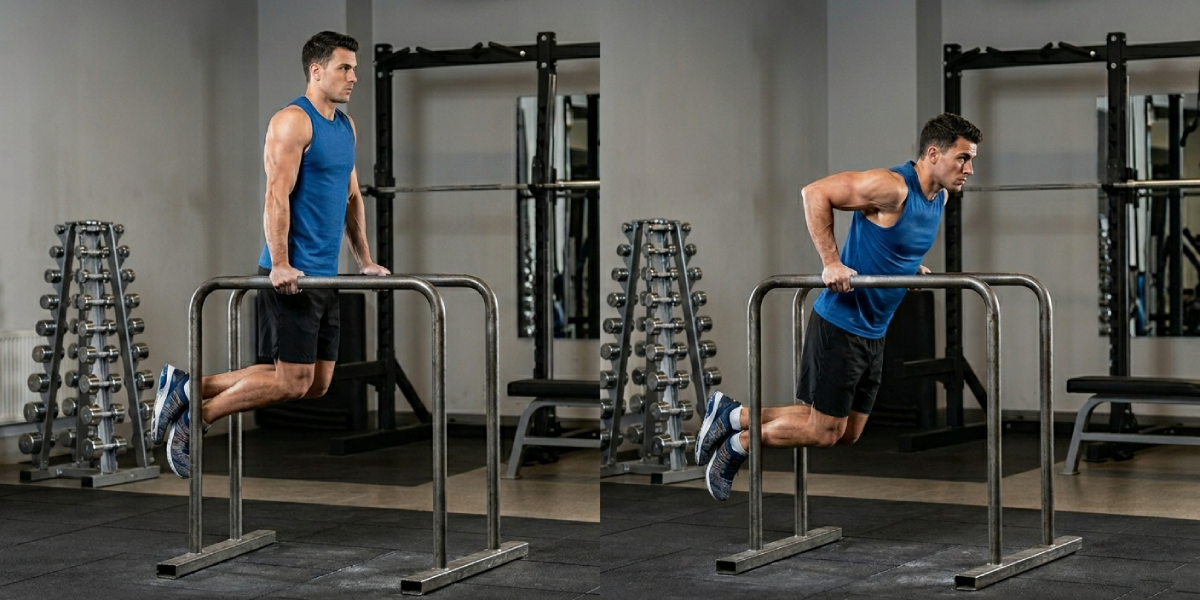
Executing dips exercise with proper form is essential for both safety and effectiveness. Poor technique can lead to shoulder impingement, elbow pain, or suboptimal muscle activation. Begin by gripping the parallel bars with your hands shoulder-width apart. Your grip should be firm but not white-knuckle intense.
Stand on the platform or use assistance equipment if needed, then press down through your hands to lift your body upward until your arms are nearly fully extended, but do not lock out your elbows completely.
From the top position of your dips exercise movement, slowly lower your body by bending your elbows. Keep your body relatively upright if you want to emphasize your triceps, or lean forward slightly if you want greater chest involvement.
Your elbows should travel downward and slightly backward throughout the dips exercise descent. Lower yourself until your elbows reach approximately ninety degrees, though your flexibility and mobility may allow for a deeper range of motion. The descent phase should be controlled and deliberate, typically taking two to three seconds.
Push yourself back up to the starting position by extending your elbows and pressing through your hands. Focus on driving through your palms rather than just your fingers. Throughout the dips exercise movement, maintain an upright posture with your shoulders packed back and down.
Avoid slouching or letting your shoulders round forward, which creates unnecessary stress on the joint capsule and reduces muscle activation. Your legs should either be crossed behind you or extended downward, depending on your preference and the equipment available.
Step-by-Step Guide to Performing Your First Dips Exercise
If you are new to the dips exercise, follow this structured progression to develop the strength and confidence needed for unassisted repetitions. Start by using an assisted dip machine or resistance bands that provide partial support.
Many gyms have specialized equipment that counterbalances a portion of your body weight, allowing you to build strength gradually. Begin with enough assistance to perform ten to twelve clean repetitions with good form.
Focus entirely on technique during your initial exposure to dips exercise. Perform three sets of eight to twelve repetitions, resting two minutes between sets. Concentrate on feeling the muscles work and maintaining perfect form throughout each repetition.
As your strength improves with consistent practice of dips exercise, gradually reduce the assistance level week by week. This might mean decreasing the weight on the assistance machine by five to ten pounds or switching to lighter resistance bands.
Once you can perform dips exercise with minimal assistance, practice with full body weight. Start conservatively with three to five repetitions if necessary. Many athletes find that dips exercise feels significantly harder without assistance, so do not be surprised if you perform fewer repetitions initially.
Continue building volume and strength over several weeks before attempting to increase difficulty further through tempo changes or added weight.
Common Mistakes to Avoid When Performing Dips Exercise
Several mistakes consistently undermine the effectiveness and safety of dips exercise performance. One primary error is allowing your shoulders to shrug upward toward your ears during the movement. This posture reduces tricep activation and places excessive strain on your shoulder joints. Instead, actively depress and retract your scapula throughout the dips exercise movement.
Another frequent mistake is descending too quickly or using momentum to bounce out of the bottom position. This reduces time under tension and increases injury risk. Your dips exercise should feature a controlled descent lasting two to three seconds followed by a powerful but controlled ascent. Maintain constant tension throughout both phases of the movement.
Many lifters make the mistake of attempting full range of motion before developing adequate strength. Going excessively deep in dips exercise without proper shoulder stability can lead to impingement and pain.
Start with a quarter to half range of motion during dips exercise and gradually increase depth as your mobility and strength improve. There is no shame in controlled, shallower repetitions if deeper ranges cause discomfort.
Some athletes neglect to engage their core during dips exercise, resulting in excessive body sway or leg swinging. A tight core keeps your body stable and allows your upper body muscles to generate maximum force. Practice bracing your core before each repetition of your dips exercise routine.
Variations and Progressions for Advanced Dips Exercise Training
Once you master basic bodyweight dips exercise, you can progress to more challenging variations to continue building strength. Weighted dips exercise involve attaching additional weight via a dip belt or by holding a dumbbell between your feet. Start conservatively, adding just five to ten pounds to your dips exercise, and build from there as strength improves.
Narrow grip dips exercise emphasize your triceps more intensely than standard width grips. This variation of dips exercise requires less chest involvement and places greater demand on the tricep muscles. Your hands should be closer together, perhaps six to eight inches apart, during this variation of dips exercise.
Wide grip dips exercise increase chest involvement and require significant shoulder mobility. This variation of dips exercise suits lifters who want to emphasize their pectoral muscles and build impressive chest development. Place your hands wider than shoulder-width during this variation of dips exercise.
Archer dips exercise involve shifting your weight predominantly to one arm while keeping the opposite arm relatively straight. This advanced variation of dips exercise builds unilateral strength and challenges stability significantly. Only attempt archer dips exercise after developing solid foundation strength with standard dips exercise.
Pseudo planche dips exercise emphasize the chest and shoulders even more than standard dips exercise. This variation of dips exercise requires leaning your torso forward more aggressively than typical form. Only pursue this variation after mastering basic dips exercise technique.
Equipment and Setup Considerations for Dips Exercise
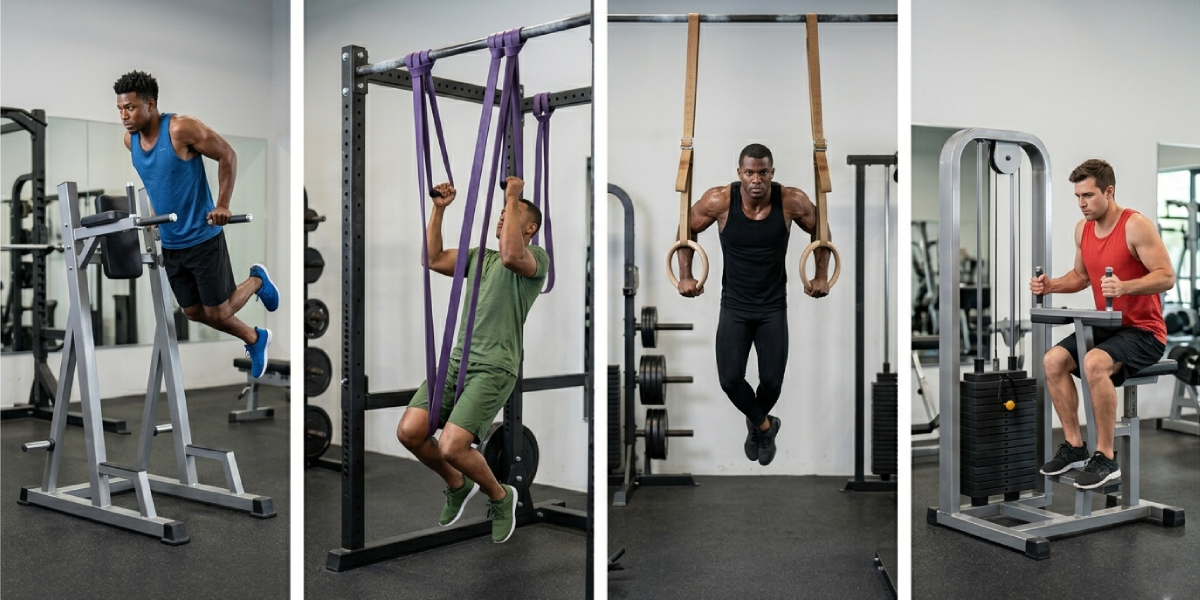
Various equipment options allow you to practice dips exercise depending on your setting. A standard parallel bars dip station found in most gyms provides the most common setup for dips exercise. These stations typically adjust in height and width to accommodate different body sizes and preferences for your dips exercise training.
Resistance bands looped over a pull up bar create a makeshift dips exercise station for home training. This setup works surprisingly well for dips exercise practice, though the stability differs from traditional equipment. You can also use sturdy furniture like a bench or chair for decline dips exercise, which targets the chest and triceps effectively, though this variation of dips exercise differs from standard parallel bar training.
Gymnastic rings suspended from a pull up bar offer an unstable surface for dips exercise that dramatically increases difficulty and core engagement. This variation of dips exercise suits advanced athletes seeking maximum challenge. The rings require significant stability and control, making dips exercise on rings considerably harder than dips exercise on fixed bars.
Certified fitness facilities often feature assisted dip machines that use counterweights to reduce the load during dips exercise. These machines prove invaluable for beginners learning dips exercise form and building initial strength. The smooth motion and predictable mechanics make the assisted machine an excellent starting point for dips exercise training before progressing to unassisted variations.
Safety Tips and Injury Prevention for Dips Exercise
Shoulder health is paramount when training dips exercise regularly. Perform shoulder mobility work before your dips exercise sessions to prepare the joint for the demands of the movement. Arm circles, band pull aparts, and shoulder dislocations effectively warm up the shoulder before dips exercise training.
Listen to your body during dips exercise training. Sharp pain at the front of the shoulder indicates potential impingement and warrants stopping immediately. Mild muscle soreness is normal after dips exercise training, but joint pain is not. Modify your dips exercise technique or reduce volume if you experience persistent shoulder discomfort.
Elbow health also requires attention when performing dips exercise regularly. Avoid flaring your elbows excessively away from your body during dips exercise, as this stresses the elbow joint unnecessarily. Keep your elbows tracking closer to your ribcage during dips exercise to protect the joint and enhance muscle activation.
Progress gradually with your dips exercise training. Jumping to difficult variations or high volume too quickly invites overuse injuries. Add no more than one to two repetitions per set or reduce assistance levels gradually during your dips exercise progression.
Programming Dips Exercise Into Your Strength Training Routine
Dips exercise works best when incorporated strategically into a structured training program. Perform dips exercise once or twice weekly, allowing adequate recovery between sessions. A typical dips exercise session might include three to four sets of six to twelve repetitions, depending on your current strength level and training goals.
Place your dips exercise work early in your training session when your energy is highest. This positioning ensures you can execute maximum effort and perfect form during dips exercise. Following dips exercise with lighter arm and shoulder isolation work allows you to accumulate additional volume and maximize muscle development.
Periodically deload your dips exercise training by reducing volume or difficulty for a week every six to eight weeks. This recovery week allows your nervous system and joints to fully recover while maintaining conditioning. Your dips exercise performance typically improves noticeably after a strategic deload period.
Nutrition and Recovery for Dips Exercise Performance
Adequate protein intake supports muscle growth and recovery following demanding dips exercise sessions. Consume one point six to two point two grams of protein per kilogram of body weight daily to optimize the muscle building response to dips exercise training. Distribute your protein intake evenly across multiple meals throughout the day for optimal muscle protein synthesis following dips exercise work.
Caloric surplus or maintenance is necessary for building strength and muscle through dips exercise training. If your goal involves building upper body mass through dips exercise, consume slightly more calories than you expend daily. This positive energy balance provides your body with resources to recover and adapt to the demands of dips exercise training.
Micronutrient intake also matters for optimal dips exercise performance. Ensure adequate intake of magnesium, zinc, and vitamin D, as these nutrients support muscle function and recovery. Prioritize whole foods including lean proteins, vegetables, fruits, and whole grains to meet your micronutrient needs alongside your dips exercise training.
Sleep quality directly impacts your progress with dips exercise training. Aim for seven to nine hours of consistent sleep nightly to optimize muscle growth and nervous system recovery. Poor sleep undermines strength development despite excellent dips exercise technique and programming.
Tracking Progress and Setting Goals for Dips Exercise Training
Establishing specific, measurable goals for your dips exercise training keeps you motivated and accountable. Whether your goal involves achieving your first unassisted dip, reaching a target number of repetitions, or adding weight to your dips exercise routine, clear objectives guide your training decisions.
Keep a training log documenting your dips exercise workouts. Record the number of sets and repetitions, the assistance level if applicable, or the weight added. This data reveals progress trends and informs necessary program adjustments. You may discover that your dips exercise performance plateaus, signaling the need for a programming change or deload week.
Track how you feel during and after dips exercise sessions. Recovery quality, energy levels, and soreness patterns provide valuable feedback about your training intensity and overall readiness. If dips exercise soreness persists longer than usual or your recovery deteriorates, consider reducing training volume temporarily.
Dips Exercise vs Other Upper Body Strength Movements
Dips exercise and bench pressing both build excellent upper body strength but through different movement patterns. Bench pressing involves horizontal pressing while dips exercise emphasizes vertical pressing. Both movements belong in a comprehensive strength training program, though dips exercise requires minimal equipment and can be performed virtually anywhere.
Compared to pull ups, dips exercise targets opposite muscle groups, making these movements complementary. Pull ups emphasize pulling strength and back development while dips exercise builds pushing strength and chest and tricep development. Alternating between these movements creates balanced upper body development.
Machine-based tricep exercises provide stability that dips exercise does not, making machines suitable for isolation work after dips exercise training. However, dips exercise engages stabilizer muscles and requires greater strength than equivalent machine work. Most strength coaches recommend including dips exercise as a primary movement alongside machine-based accessory work.
Addressing Common Concerns About Dips Exercise Training
Some lifters worry that dips exercise causes excessive shoulder stress compared to other upper body movements. While dips exercise does place demands on the shoulder joint, proper technique and appropriate progression minimize injury risk substantially. Individuals with existing shoulder issues should consult healthcare providers before attempting dips exercise.
The perception that dips exercise requires special gym equipment discourages some people from trying this effective movement. In reality, resistance bands, furniture, or any sturdy elevated surface enables dips exercise practice at home. Creative solutions allow virtually anyone to perform dips exercise regardless of equipment access.
Individuals comparing themselves to others performing dips exercise with significant weight sometimes feel discouraged about their own progress. Remember that everyone begins somewhere with dips exercise. Consistent training with appropriate progression ensures steady strength development over time, regardless of current ability level.
How Dips Exercise Fits Into Comprehensive Fitness
Dips exercise forms one component of a well-rounded fitness program that includes cardiovascular training, flexibility work, and balanced strength development. Your overall fitness improves most when combining dips exercise with other movements targeting different energy systems and muscle groups. Visit our exercises category for comprehensive training information and additional movement options that complement your dips exercise practice.
Nutrition and lifestyle factors influence your dips exercise results significantly. A balanced diet, consistent sleep, and stress management support the adaptations triggered by dips exercise training. For personalized nutrition guidance alongside your dips exercise program, consult our health category for evidence-based information. Additionally, tracking your overall body composition and fitness metrics through tools like our BMI calculator helps you understand how dips exercise fits into your broader fitness journey.
Frequently Asked Questions
How many dips exercise repetitions should I perform when starting?
Beginners should start with three sets of five to eight assisted dips exercise repetitions, focusing entirely on proper form rather than volume. As your strength improves over several weeks, gradually increase to three sets of eight to twelve repetitions before reducing assistance levels. This conservative approach allows your joints and soft tissues to adapt to dips exercise demands without overwhelming your nervous system.
Can I perform dips exercise at home without special equipment?
Yes, you can perform dips exercise at home using resistance bands looped over a sturdy pull up bar, or by using the edge of a stable bench or sturdy chair. Furniture-based dips exercise differs slightly from parallel bar variations but provides excellent training stimulus. Ensure whatever surface you use supports your full body weight safely before attempting dips exercise.
How long does it take to achieve my first unassisted dip exercise?
Most people achieve their first unassisted dips exercise within six to twelve weeks of consistent training, though individual timelines vary significantly. Factors including starting strength level, training frequency, nutrition, and recovery quality influence progression speed. Training dips exercise two to three times weekly with appropriate assistance levels accelerates progress toward this goal.
Should I perform dips exercise if I have shoulder pain?
Do not perform dips exercise if you experience joint pain during the movement. Muscle soreness differs from joint pain and is generally acceptable. Consult a healthcare provider about persistent shoulder pain before continuing dips exercise training. Many shoulder issues improve with proper mobility work and technique refinement, allowing safe dips exercise resumption.
How much weight should I add when progressing to weighted dips exercise?
Begin weighted dips exercise by adding just five to ten pounds using a dip belt. This modest starting weight allows you to maintain proper form and build confidence with added load. Increase weight by five pounds every two to three weeks as long as you maintain excellent technique throughout dips exercise sets.
Can dips exercise increase my upper body size?
Yes, dips exercise effectively builds muscle in your chest, shoulders, and triceps when combined with adequate nutrition and progressive training. Perform dips exercise in the eight to twelve repetition range with slow, controlled tempos to maximize muscle building. Add calories and protein to your diet to support muscle growth from dips exercise training.
Is it better to lean forward during dips exercise?
Leaning forward during dips exercise increases chest involvement while reducing tricep emphasis compared to upright dips exercise. Your leaning angle depends on personal preference and training goals. Upright dips exercise emphasizes triceps more, while forward-leaning variations target the chest more significantly. Both approaches build excellent upper body strength.
How often should I train dips exercise per week?
Most lifters benefit from performing dips exercise once or twice weekly with full recovery days between sessions. Training dips exercise too frequently without adequate recovery increases injury risk without providing additional benefits. Include complementary movements like bench pressing and pulling exercises on different days to maintain balanced upper body development alongside dips exercise work.