

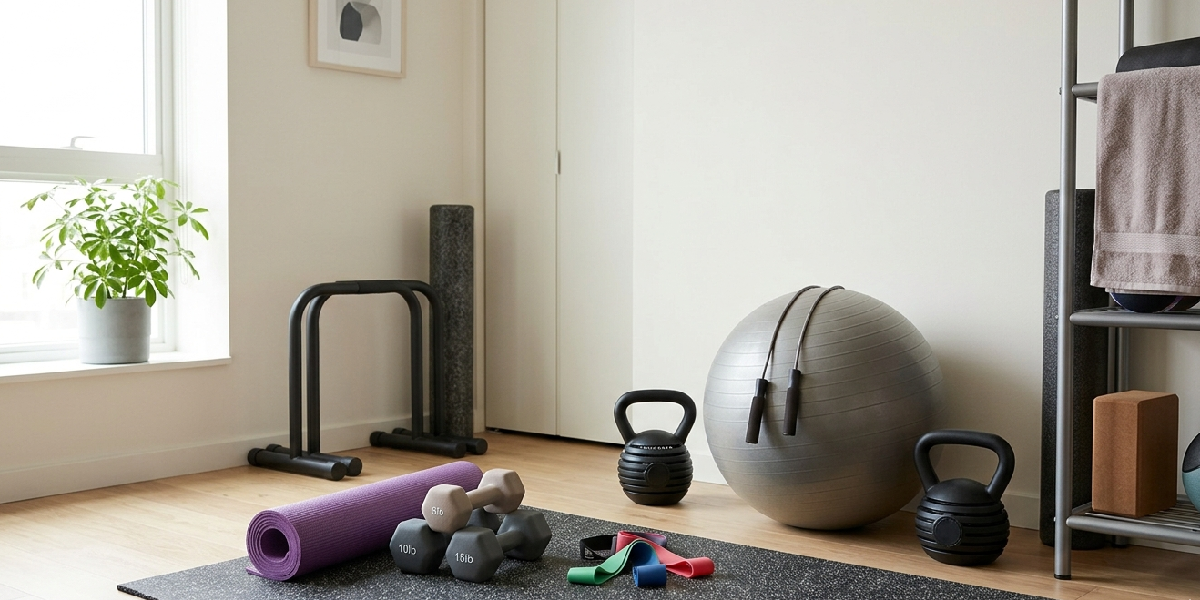
Building a home gym has never been more accessible or necessary for people committed to their fitness journey. The best home exercise equipment adapts to your current capabilities while supporting your long-term goals, whether you’re starting from scratch or training like a professional athlete.
This comprehensive guide walks you through equipment options for every fitness level, helping you make informed investments in your health.
Why Home Exercise Equipment Matters for Your Fitness Success
The convenience of exercising at home removes barriers that prevent millions of people from pursuing consistent fitness routines. Commuting to a gym, waiting for equipment, and struggling with crowded facilities no longer stand between you and your health goals.
Quality home exercise equipment transforms your living space into a functional training environment that saves time, reduces expenses, and increases workout frequency.
Beyond convenience, home equipment allows you to control your environment completely. You set the temperature, music, and intensity level. You work at your own pace without judgment or pressure. This psychological advantage often leads to better adherence to fitness programs and more sustainable long-term results.
When investigating your options for home-based fitness, understanding your current fitness level helps you select equipment that matches your needs rather than gathering expensive items that collect dust.
Essential Home Exercise Equipment for Beginners
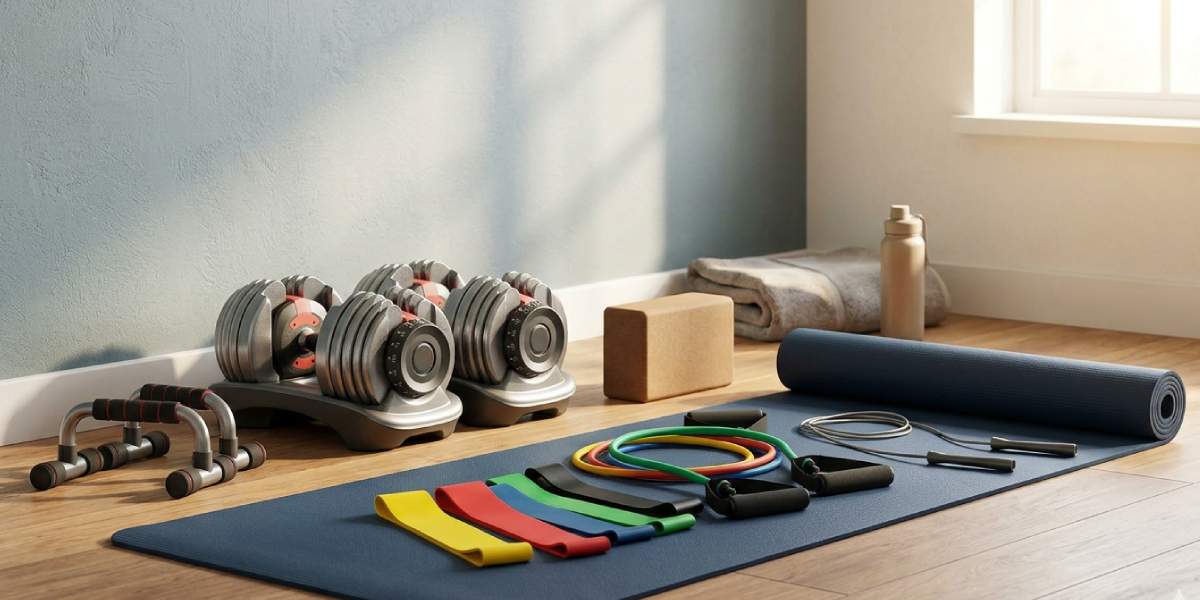
Starting your fitness journey requires equipment that builds foundational strength and confidence without overwhelming complexity. Beginners benefit most from versatile, affordable options that teach proper movement patterns while delivering measurable results within weeks.
Resistance Bands and Loop Bands
Resistance bands represent the most cost-effective entry point for home exercise equipment. These simple tools provide progressive resistance that accommodates your increasing strength without requiring expensive equipment upgrades. Loop bands, therapy bands, and mini bands each serve different purposes in a beginner’s routine.
A basic set costs between ten and thirty dollars but offers exercise variety exceeding thousand-dollar equipment investments. Resistance bands improve functional strength, joint stability, and muscular endurance. They’re exceptionally portable, making them perfect for travelers or people with limited space.
Adjustable Dumbbells
Adjustable dumbbells provide the most space-efficient strength training solution for home use. Modern adjustable systems allow you to switch weights by turning a dial or selecting a pin, eliminating the need for multiple individual dumbbells.
A quality adjustable dumbbell set ranges from five pounds to fifty pounds, covering beginner through intermediate training needs. This equipment teaches proper weight distribution, body mechanics, and compound movement patterns essential for injury prevention.
Yoga Mat and Basic Bodyweight Training Tools
A quality yoga mat costs fifteen to fifty dollars but provides essential cushioning for floor exercises, stretching routines, and bodyweight training. Many beginners underestimate the power of bodyweight exercises performed on a proper surface.
Push-ups, lunges, planks, and core work require no equipment beyond a mat, yet they build exceptional functional strength. Adding a foam roller around twenty to thirty dollars enhances recovery and helps address muscle tension.
Intermediate Home Exercise Equipment for Developing Athletes
As your fitness improves over months of consistent training, your body adapts to initial stimulus. Intermediate equipment provides greater challenge and specialized tools for targeting specific muscle groups and training modalities. This equipment tier still maintains affordability while significantly expanding your training possibilities.
Kettlebells for Functional Strength
Kettlebells deliver unique training stimulus that dumbbells cannot replicate. Their offset weight distribution requires greater core engagement and proprioceptive awareness. Kettlebell training builds explosive power, dynamic balance, and functional strength applicable to real-world movement.
Investing in two or three kettlebells ranging from twenty-five to forty pounds gives intermediate athletes extensive exercise options. Quality kettlebells cost fifteen to twenty-five dollars per pound, making a basic collection a worthwhile investment.
Adjustable Weight Bench
An adjustable weight bench expands your training options significantly, allowing incline pressing, decline exercises, and targeted isolation work. Look for benches with multiple adjustment positions and sturdy construction capable of supporting heavy loads during pressing movements.
A quality adjustable bench ranges from one hundred fifty to four hundred dollars depending on features and durability. This equipment becomes central to intermediate strength training routines and remains relevant throughout your fitness career.
Pull-up Bar and Suspension Training System
A doorway pull-up bar costs thirty to sixty dollars and immediately enables pull-ups, chin-ups, and hanging exercises that develop back strength, grip strength, and shoulder stability. Suspension training systems like TRX or similar alternatives provide bodyweight resistance across hundreds of exercise variations.
These systems typically cost one hundred to two hundred dollars but transform your training possibilities. Both tools occupy minimal space while delivering maximum functionality.
Advanced Home Exercise Equipment for Serious Athletes
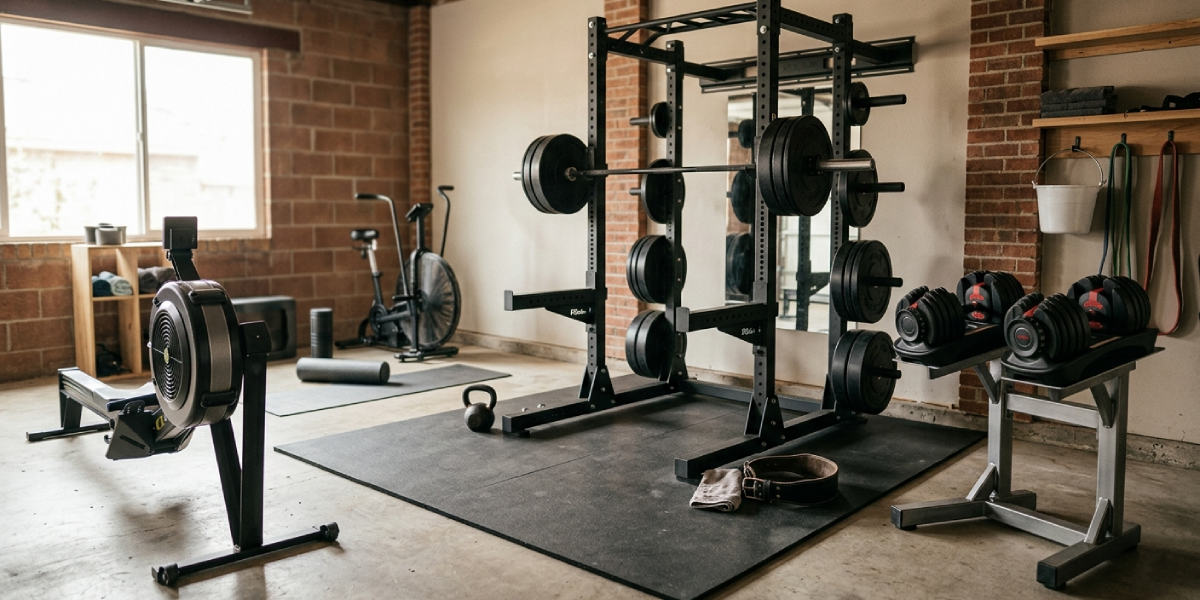
Experienced lifters require equipment that handles heavy loads, enables explosive movements, and supports periodized training programs. This equipment tier represents significant investment but creates a legitimate home gym capable of supporting elite-level training.
Barbell and Power Rack System
A barbell with proper power rack or squat rack forms the foundation of serious strength training at home. Quality barbells cost fifty to one hundred dollars, while power racks range from three hundred to over one thousand dollars depending on features.
This equipment enables squats, deadlifts, bench pressing, and numerous compound movements that build maximum strength. Investing in a proper rack ensures safety during heavy lifting and provides versatility for varied training approaches.
Rubber bumper plates cost one dollar to two dollars per pound, making a complete barbell system a substantial but worthwhile investment.
Adjustable Dumbbell System for Advanced Lifters
Advanced athletes benefit from adjustable dumbbell systems extending to one hundred pounds or higher. Premium systems like Bowflex SelectTech or MicroLoadable systems cost four hundred to one thousand dollars but enable progressive overload across extensive weight ranges.
Heavy dumbbells enable unilateral training that addresses strength imbalances while requiring tremendous core stabilization.
Rowing Machine and Cardiovascular Equipment
A quality rower costs four hundred to one thousand dollars but provides exceptional cardiovascular training with full-body muscle engagement. Rowing builds posterior chain strength, muscular endurance, and aerobic capacity. Treadmills and exercise bikes offer alternatives for cardio training, though quality matters significantly.
Investing in equipment you’ll actually use determines its value. Many people find rowing machines more engaging than treadmills for sustained home training.
Home Exercise Equipment for Specific Fitness Goals
Beyond general strength and conditioning, specialized equipment targets specific training objectives. Selecting equipment aligned with your actual goals increases motivation and improves training adherence.
Equipment for Building Muscle Mass
Hypertrophy training emphasizes moderate to heavy weights with controlled tempo and progressive overload. Dumbbells, barbells, and adjustable benches create an ideal environment for muscle-building work. Plate-loaded machines or cable systems appeal to advanced trainees seeking additional stimulus variations.
Cable machines cost three hundred to eight hundred dollars but provide unique resistance curves valuable for advanced muscle development.
Equipment for Developing Power and Explosiveness
Power development requires equipment enabling rapid force production. Kettlebells, medicine balls, and plyometric boxes provide excellent tools for power training. Rowing machines and assault bikes enable sprint-based conditioning. Jump ropes cost twenty to thirty dollars but provide efficient explosive conditioning.
Athletes focused on sports performance benefit from power-focused equipment more than casual fitness enthusiasts.
Equipment for Endurance and Metabolic Conditioning
Rowers, assault bikes, jump ropes, and battle ropes create metabolic conditioning stimulus. These tools build work capacity, mental toughness, and cardiovascular adaptation. Combining these tools with traditional strength equipment creates comprehensive training programs addressing all fitness qualities.
Your choice among these options depends on personal preference and available space.
Choosing the Right Home Exercise Equipment for Your Situation
Selecting appropriate equipment requires honest assessment of your current situation, realistic goals, and actual budget. Many people make expensive mistakes by purchasing equipment aligned with imaginary training rather than their actual patterns.
Assessing Your Current Fitness Level
Your health metrics and fitness assessment guide equipment selection. Beginners benefit from simple, versatile tools teaching fundamental movement patterns. Intermediate athletes require greater challenge and specialization. Advanced lifters need heavy-load capacity and varied stimulus.
Honestly evaluating where you currently stand prevents expensive overinvestment in equipment beyond your current needs.
Space and Budget Considerations
Your available space dramatically influences equipment choices. Apartment dwellers might prioritize adjustable dumbbells, resistance bands, and small machines. Basement or garage access enables larger equipment like power racks and rowing machines.
Your realistic budget should represent what you’ll actually spend, not aspirational purchasing. A five-thousand-dollar gym you never use provides zero value. A five-hundred-dollar setup you use regularly transforms your fitness.
Durability and Quality Standards
Investing in quality equipment extends its useful life and improves training experience. Cheap dumbbells corrode and deteriorate. Quality dumbbells last decades. Better benches handle heavier loads and maintain stability during intense training.
Research reviews before purchasing, especially for expensive items. Spending extra for proven durability prevents equipment failure during important training phases.
Building a Complete Home Gym on Different Budgets
Minimal Budget Home Gym Under 200 Dollars
Resistance bands, a yoga mat, adjustable dumbbells up to twenty pounds, and a pull-up bar create a functional gym for under two hundred dollars. This equipment supports months of productive training before requiring upgrades. Focus on movement quality and progressive overload using these basic tools rather than equipment complexity.
Moderate Budget Home Gym 500 to 1000 Dollars
Add an adjustable weight bench, kettlebells, suspension trainer, and higher-weight dumbbells up to fifty pounds. Include a rowing machine or assault bike for conditioning. This budget creates a comprehensive training environment supporting intermediate through advanced athletes across multiple training goals.
Premium Home Gym 2000 to 5000 Dollars
At this investment level, include a power rack or squat rack, barbell with plates, premium adjustable dumbbells, rowing machine, cable machine, and varied conditioning equipment. This setup replicates commercial gym capabilities while fitting in dedicated space. Many athletes never outgrow this equipment tier despite years of consistent training.
Essential Maintenance and Safety Practices
Proper equipment maintenance extends functionality and prevents training interruptions. Inspect equipment regularly for damage or wear. Lubricate moving parts as recommended. Store equipment in climate-controlled environments when possible.
Follow manufacturer guidelines for weight limits and proper use. Proper exercise technique prevents injury and extends equipment life simultaneously.
Creating a dedicated training space promotes consistency and reduces injury risk. Ensure adequate clearance around equipment, proper flooring for impact activities, and good lighting. Good ventilation improves training comfort during intense sessions. Your home gym environment influences training enjoyment and adherence.
Smart Equipment Purchases Aligned with Your Training Goals
Many people purchase equipment matching fantasy versions of themselves rather than their actual training patterns. Before buying expensive equipment, ask whether you’ll genuinely use it regularly. Rowers provide exceptional training but sit unused in many home gyms.
Cable machines require space many people cannot dedicate. Starting with fundamental equipment, adding specialized tools based on actual usage patterns, creates sustainable home gym progression.
Track your usage to identify which equipment gets regular use. Equipment you actually use has exceptional value regardless of initial cost. Equipment gathering dust represents wasted money. Your purchasing decisions should reflect honest assessment of your training preferences and available commitment.
Frequently Asked Questions
What is the best home exercise equipment for complete beginners?
Resistance bands, adjustable dumbbells up to twenty-five pounds, and a yoga mat create an excellent starting point requiring minimal investment under one hundred dollars. Bodyweight exercises combined with these basic tools build foundational strength and teach proper movement patterns before advancing to specialized equipment.
Can I build muscle using only home exercise equipment?
Yes, muscle development requires progressive resistance and adequate nutrition, both achievable at home. Dumbbells, barbells, kettlebells, and resistance bands provide sufficient stimulus for significant muscle growth. Consistency, proper nutrition, and progressive overload matter more than equipment complexity.
How much space do I need for a functional home gym?
A minimal functional home gym fits in a bedroom corner using only six feet by eight feet of space. Adding conditioning equipment, power racks, and multiple machines requires larger dedicated space. Begin with minimal space requirements and expand as your commitment increases.
Should I buy a treadmill or rowing machine for home cardio?
Rowing machines provide superior full-body training, muscular engagement, and lower joint impact compared to treadmills. However, personal preference determines actual usage. Equipment you enjoy using consistently provides better value than superior equipment gathering dust. Consider your preferences before deciding.
What equipment enables the most exercise variety in minimal space?
Adjustable dumbbells, a suspension trainer, resistance bands, and a basic bench provide hundreds of exercise variations within minimal space. Adding a pull-up bar expands possibilities further. This combination creates comprehensive training options without requiring large dedicated areas.
How do I determine if home gym equipment is high quality?
Research user reviews, check warranty terms, verify weight limits exceed your needs, and examine construction materials. Quality brands offer longer warranties and consistent positive feedback. Avoid equipment with excessive complaints about durability or safety. Premium brands cost more initially but justify the investment through longevity.
Is home exercise equipment actually cheaper than gym memberships?
Initial equipment investment exceeds one year of gym membership, but home equipment becomes more cost-effective over multiple years. Most home gym investments pay for themselves within two to three years of consistent use, after which you own equipment for life with minimal maintenance costs.
Can advanced athletes achieve maximum strength development at home?
Yes, with appropriate equipment investment. A barbell, power rack, heavy dumbbells, and varied training tools support maximum strength development. Many elite athletes train primarily at home. Equipment quality and training intelligence matter more than commercial gym access for strength development.
What equipment should I prioritize for overall health improvement?
Cardiovascular equipment like rowers or bikes, resistance tools like dumbbells or kettlebells, and mobility tools like foam rollers create comprehensive health improvement. Consistent moderate training across all areas supports better health outcomes than specialization in single modalities.
How do I prevent home exercise equipment from becoming unused?
Start with equipment matching your genuine interests and training preferences. Place equipment in visible, accessible locations. Schedule consistent training time. Track workouts to monitor usage patterns. Begin modestly and add equipment based on proven commitment rather than aspirational purchases.