

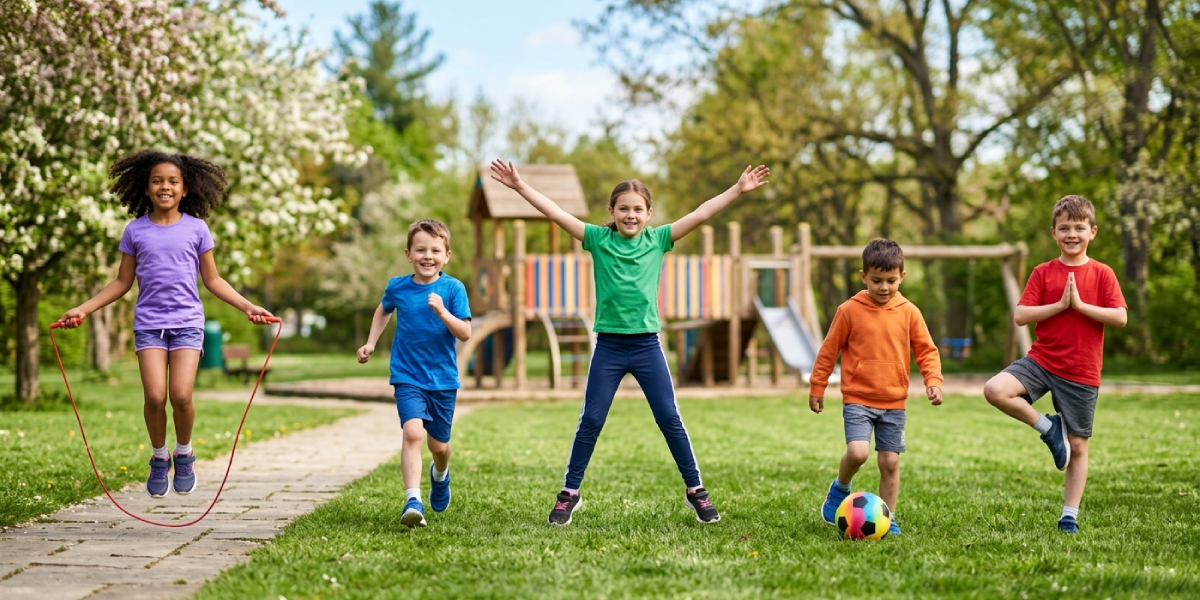
Finding the best exercises for kids is one of the most valuable things a parent, educator, or caregiver can do to support a child’s long-term well-being. Physical activity in childhood builds stronger bones and muscles, sharpens focus in school, supports emotional regulation, and establishes lifelong healthy habits.
Yet in an era of smartphones and sedentary screen time, getting children to move consistently has become a genuine challenge.
This guide draws on established guidelines from pediatric health organizations, child development research, and practical real-world experience to walk you through the most effective, age-appropriate, and enjoyable exercises for children.
Whether you are a parent looking for weekend activities or a physical education teacher planning weekly routines, you will find everything you need here.
Why Physical Activity Is Essential for Children’s Health
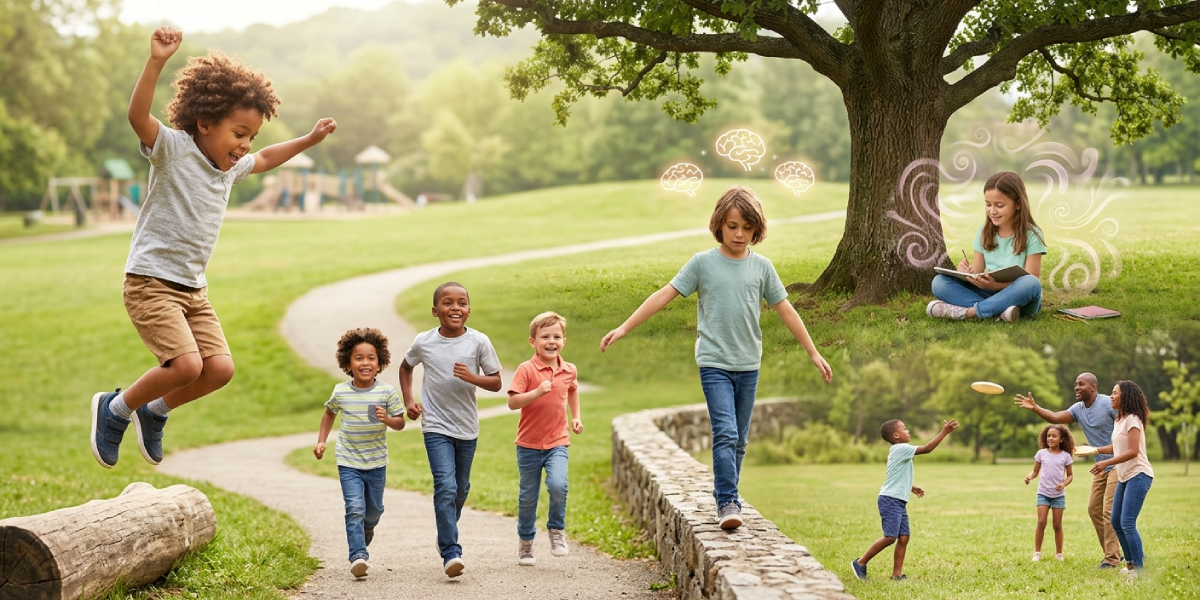
The World Health Organization and the American Academy of Pediatrics both recommend that children aged 6 to 17 get at least 60 minutes of moderate to vigorous physical activity every day. For younger children aged 3 to 5, active play throughout the day is encouraged without a specific hour target.
Regular exercise in childhood delivers measurable benefits across several dimensions of health:
- Bone density: Weight-bearing activities like running and jumping stimulate bone formation, reducing the risk of osteoporosis later in life.
- Cardiovascular health: Aerobic exercise strengthens the heart and lungs, lowering resting heart rate and improving circulation.
- Mental health: Exercise triggers the release of endorphins and neurotransmitters that reduce anxiety, depression, and stress in children.
- Cognitive performance: Studies consistently show that physically active children score higher on tests of memory, attention, and academic achievement.
- Healthy weight management: Combined with balanced nutrition, regular movement helps children maintain a healthy body composition. Parents concerned about their child’s growth trajectory can use a BMI calculator as a helpful starting reference point.
- Social development: Team sports and group activities teach communication, cooperation, and resilience.
Understanding the Three Types of Exercise Kids Need
Not all physical activity delivers the same benefits. Pediatric fitness experts recommend a balance of three distinct exercise categories to support full-body development.
Aerobic Exercise
Aerobic activities elevate the heart rate and engage large muscle groups for sustained periods. This type of exercise improves cardiovascular endurance and burns energy efficiently. Most of a child’s daily 60 minutes should be aerobic in nature. Examples include running, swimming, cycling, dancing, jump rope, and brisk walking.
Muscle-Strengthening Exercise
Strength-building activities help children develop lean muscle mass, improve posture, and protect joints. These should be included at least three days per week. For younger children, bodyweight movements such as climbing, tumbling, and playing on jungle gyms are ideal.
Older children and teens can progress to push-ups, squats, resistance bands, and supervised light weightlifting.
Bone-Strengthening Exercise
Impact-based activities that create force on bones stimulate healthy bone growth. These should also occur at least three days per week and often overlap with aerobic exercise. Running, jumping rope, hopscotch, basketball, gymnastics, and skipping are all excellent bone-strengthening activities for kids.
The Best Exercises for Kids by Age Group
Exercise needs and developmental capacities change significantly across childhood. Matching activities to a child’s age ensures safety, builds genuine skill, and keeps motivation high.
Toddlers and Preschoolers (Ages 2 to 5)
At this stage, structured workouts are neither necessary nor appropriate. The goal is to encourage as much active free play as possible throughout the day. Movement develops motor coordination, spatial awareness, and balance. Ideal activities include:
- Running and chasing games in open outdoor spaces
- Climbing on age-appropriate playground equipment
- Dance and movement to music
- Kicking and throwing soft balls
- Swimming with parental supervision
- Tricycle or balance bike riding
School-Age Children (Ages 6 to 12)
Children in this range are ready for more organized activity and can begin developing sport-specific skills. Their bodies are growing rapidly, and a variety of activities helps prevent overuse injuries. The best exercises for this group include:
- Running and sprinting drills to build cardiovascular endurance and leg strength
- Swimming for full-body conditioning without joint stress
- Gymnastics and martial arts for flexibility, balance, and discipline
- Team sports such as soccer, basketball, baseball, and volleyball
- Jump rope for coordination, agility, and cardiovascular fitness
- Cycling for lower-body endurance and outdoor exploration
- Bodyweight exercises like push-ups, planks, and jumping jacks
Teenagers (Ages 13 to 17)
Adolescents benefit most from a combination of structured sport participation, cardiovascular training, and progressive strength work. Teens are also more capable of understanding fitness concepts and can take greater ownership of their routines. Top options include:
- Competitive team sports for cardiovascular fitness and teamwork
- Running, hiking, or cycling for independent aerobic training
- Yoga and Pilates for flexibility, core strength, and stress reduction
- Supervised resistance training with proper technique instruction
- Swimming, rowing, or other low-impact aerobic options
- High-intensity interval training (HIIT) adapted for teen fitness levels
Top Exercises Ranked by Overall Benefit for Children
The following table summarizes some of the most effective exercises for children, rated across key health dimensions:
| Exercise | Cardio Benefit | Strength Benefit | Bone Benefit | Fun Factor |
|---|---|---|---|---|
| Running / Sprinting | High | Moderate | High | High |
| Swimming | High | High | Low | Very High |
| Jump Rope | High | Moderate | High | High |
| Soccer / Basketball | High | Moderate | High | Very High |
| Gymnastics | Moderate | High | High | High |
| Cycling | High | Moderate | Low | Very High |
| Bodyweight Training | Moderate | High | Moderate | Moderate |
| Dance | High | Moderate | Moderate | Very High |
How to Build a Weekly Exercise Routine for Kids
Consistency matters more than intensity when building active habits in children. A sustainable weekly routine spreads activity across all three exercise types without overwhelming schedules or creating burnout. Here is a practical framework for a balanced weekly plan:
- Monday, Wednesday, Friday: 30 to 45 minutes of aerobic activity such as running, cycling, swimming, or team sports practice.
- Tuesday, Thursday: 20 to 30 minutes of muscle and bone-strengthening activity such as gymnastics, climbing, or bodyweight exercises.
- Saturday: Active outdoor play, hiking, or a family sport activity for 60 or more minutes.
- Sunday: Light activity or rest. A gentle walk, stretching, or yoga are ideal for recovery.
On top of scheduled exercise, reducing sedentary time during school hours matters too. Encourage children to stand up, walk, or stretch during study breaks. Many children’s health strategies emphasize that incidental movement throughout the day contributes meaningfully to the total activity quota.
Indoor Exercises for Kids on Rainy Days
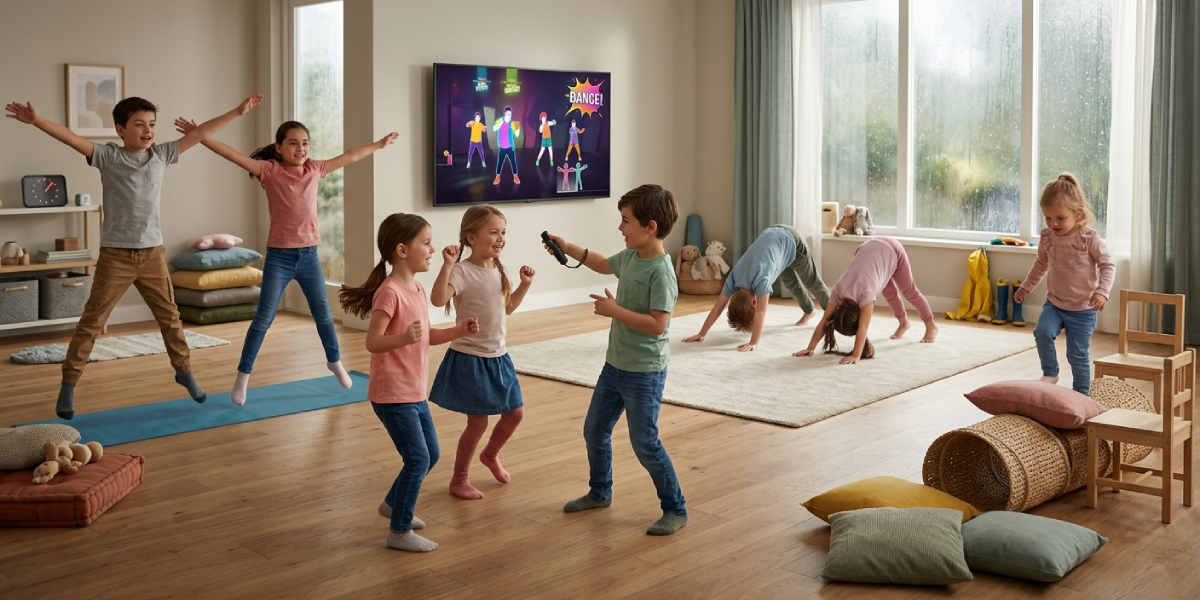
Weather and space constraints do not have to stop children from being active. There are plenty of high-energy indoor exercises that require minimal equipment and keep kids engaged.
Jumping Jacks and Burpees
Classic calisthenic movements like jumping jacks, burpees, and mountain climbers elevate heart rate quickly and can be turned into fun challenges. Children can compete against a timer or set personal bests to stay motivated.
Dance and Active Video Games
Dancing to music provides genuine cardiovascular exercise and is one of the most enjoyable activities for children across all age groups. Active video game platforms that use full-body motion tracking can also contribute meaningfully to daily movement goals when used consistently.
Yoga for Kids
Children’s yoga improves flexibility, balance, and breathing control. It also builds mindfulness skills that help manage stress and anxiety. Many free and kid-friendly yoga routines are available online and can be done in a living room with no equipment required.
Obstacle Courses
Setting up a simple indoor obstacle course using pillows, chairs, and cushions gives younger children an exciting physical challenge. It develops spatial awareness, agility, and gross motor skills in a playful, low-pressure environment.
The Role of Nutrition Alongside Exercise
Physical activity and nutrition work together as complementary pillars of children’s health. Children who exercise regularly have increased energy demands and require adequate protein for muscle repair, carbohydrates for fuel, healthy fats for brain development, and micronutrients such as calcium and vitamin D for bone health.
Parents are encouraged to explore practical exercise and nutrition guidance to ensure that active children are also eating in ways that support their physical growth and development. Hydration is equally important, particularly during high-intensity activity and in warm climates.
Safety Tips for Children’s Exercise
Keeping physical activity safe requires age-appropriate equipment, proper supervision, and attention to signs of fatigue or discomfort.
- Always warm up for 5 to 10 minutes before intense activity with light jogging or dynamic stretching.
- Cool down with gentle stretching after exercise to reduce soreness and improve flexibility.
- Ensure proper footwear that provides adequate support for the activity being performed.
- Avoid overtraining. Rest days are essential for muscle recovery and injury prevention.
- Stay hydrated. Children should drink water before, during, and after exercise.
- Supervise children near water, heights, and equipment that carries injury risk.
- Consult a pediatrician before starting a new structured fitness program, especially for children with underlying health conditions.
Motivating Kids to Stay Active Long-Term
One of the most important factors in keeping children physically active is intrinsic motivation. Children who enjoy movement are far more likely to maintain active habits into adulthood than those who associate exercise with obligation or punishment.
To nurture that motivation, let children choose activities they genuinely enjoy rather than imposing a single sport or routine. Variety keeps things exciting. Celebrate effort and improvement rather than outcomes. Exercise as a family whenever possible, since parental modeling is one of the strongest predictors of a child’s own physical activity levels.
Group activities and peer involvement also significantly boost adherence. When children exercise with friends, the social dimension adds enjoyment that makes the physical effort feel secondary. Sports teams, group swim lessons, dance classes, and community fitness events all leverage this dynamic effectively.
Frequently Asked Questions
How much exercise do children need each day?
Children aged 6 to 17 should get at least 60 minutes of moderate to vigorous physical activity every day, according to the World Health Organization and the American Academy of Pediatrics. This should include a mix of aerobic, muscle-strengthening, and bone-strengthening activities throughout the week.
What is the best exercise for a 5-year-old child?
For 5-year-olds, the best exercise is unstructured active play. Running, jumping, climbing on playground equipment, dancing, and kicking balls all support motor development, coordination, and cardiovascular fitness at this stage. The priority is movement variety and enjoyment rather than structured training.
Are team sports better than individual exercise for kids?
Both have significant value. Team sports develop social skills, communication, and cooperation alongside physical fitness. Individual activities like swimming, gymnastics, or running build self-reliance and personal discipline. Ideally, children experience both types over time to benefit from the full range of developmental advantages each offers.
Can kids do strength training safely?
Yes, when approached correctly. Bodyweight exercises are safe and beneficial from a young age. Resistance training with bands or light weights can be introduced in adolescence with proper supervision and technique instruction. Heavy lifting or maximal-load training is not recommended until the growth plates have closed, typically in the mid-to-late teens.
How can I motivate my child to exercise more?
Let children choose activities they enjoy, make exercise a family habit, use play-based movement for younger kids, and avoid framing physical activity as punishment. Keeping routines varied and fun, celebrating small wins, and involving friends or classmates all help maintain long-term motivation.
What are the best exercises for kids who do not like sports?
Many children stay active without participating in traditional sports. Dance, martial arts, swimming, gymnastics, cycling, hiking, skateboarding, and active play such as tag or obstacle courses are all excellent options. The key is finding activities that align with the child’s interests and personality.
How does exercise affect a child’s mental health?
Regular physical activity significantly reduces symptoms of anxiety and depression in children, improves mood through endorphin release, enhances sleep quality, and builds confidence and self-esteem. Exercise also sharpens focus and working memory, which translates directly to improved academic performance.
Is it safe for children to exercise in hot weather?
Children are more vulnerable to heat exhaustion than adults because their bodies regulate temperature less efficiently. During hot weather, schedule exercise in the early morning or evening, ensure consistent hydration, use appropriate clothing, and watch carefully for signs of overheating such as dizziness, excessive sweating, or nausea. Reduce intensity and duration when temperatures are very high.
How many days per week should kids exercise?
Children should be active every day if possible, with at least three of those days including more vigorous muscle- and bone-strengthening activities. Daily movement does not need to mean structured workouts; active play, walking to school, and recreational activities all count toward the daily activity goal.
What role do parents play in children’s physical activity?
Parental modeling is one of the strongest influences on a child’s level of physical activity. Children whose parents regularly exercise are significantly more likely to develop active habits themselves. Exercising together, limiting screen time, providing access to outdoor space, and supporting participation in sports and physical programs all make a meaningful difference.