

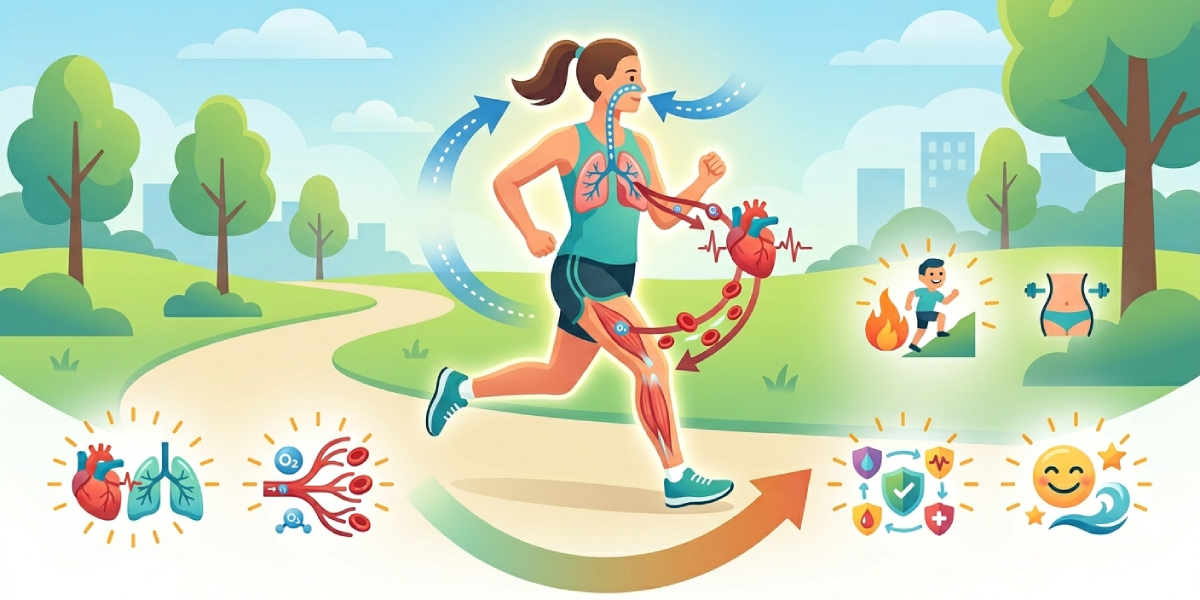
Aerobic exercise is one of the most studied, most recommended, and most rewarding forms of physical activity you can do for your body. If you have ever gone for a brisk walk, hopped on a stationary bike, or joined a dance class and felt your heart rate climb and your breathing deepen, you have already experienced it firsthand.
Understanding exactly what aerobic exercise is, how it works inside your body, and why it delivers such powerful fitness benefits can help you train smarter and stay motivated for the long haul.
Defining Aerobic Exercise: What Makes It “Aerobic”?
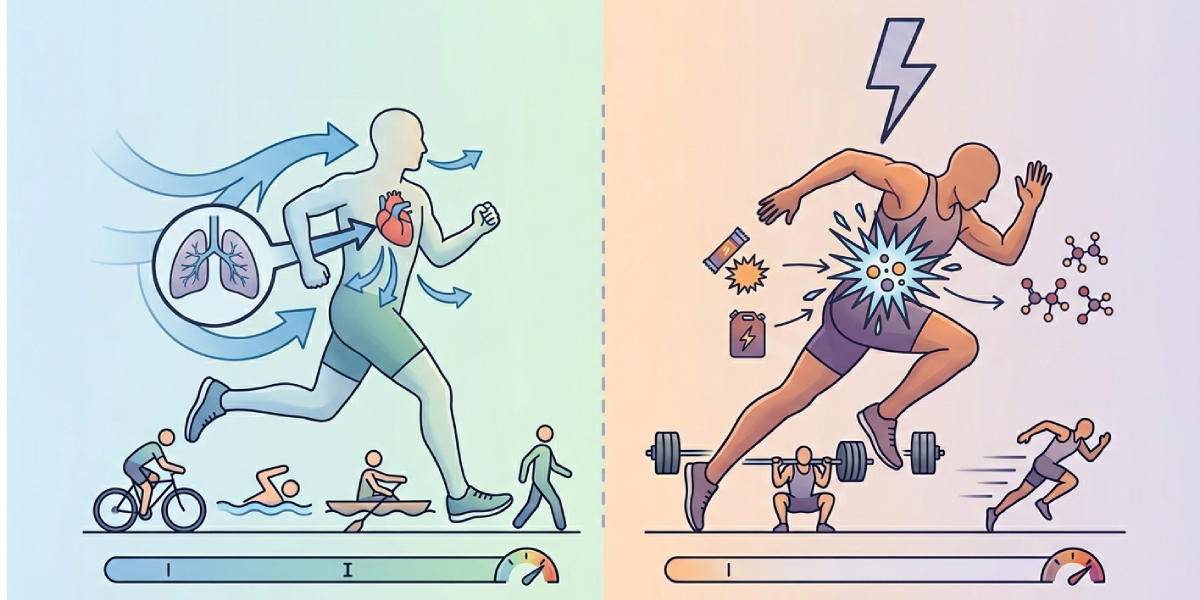
The word aerobic literally means “with oxygen.” During aerobic exercise, your body relies primarily on oxygen to break down carbohydrates and fats to produce the energy molecule adenosine triphosphate, or ATP.
This oxygen-dependent energy system allows you to sustain activity for extended periods, typically anything lasting longer than two minutes and performed at a moderate, steady effort.
This stands in contrast to anaerobic exercise, which means “without oxygen.” Anaerobic activities, such as heavy weightlifting or a short sprint, rely on immediate energy stores and produce lactate as a byproduct. Aerobic exercise, on the other hand, produces carbon dioxide and water as byproducts, both of which your body can expel through breathing and sweat.
Common examples of aerobic exercise include walking, jogging, swimming, cycling, rowing, jump rope, aerobics classes, and dancing. What they all share is a sustained elevation of heart rate, increased breathing demand, and reliance on the oxidative energy system.
How Aerobic Exercise Works Inside Your Body
When you begin an aerobic workout, a chain of physiological events kicks into gear almost immediately. Your muscles signal the need for more oxygen-rich blood. Your heart responds by beating faster and with more force. Your lungs work harder to pull in oxygen and expel carbon dioxide.
Blood vessels dilate to improve circulation. And your mitochondria, the energy-producing organelles inside muscle cells, ramp up their activity to meet the rising demand for ATP.
The Role of the Cardiovascular System
Your cardiovascular system is the engine that drives aerobic performance. The heart is a muscle, and like any muscle it adapts to regular training. Over time, consistent aerobic exercise causes the heart to grow stronger and more efficient.
The left ventricle, which pumps oxygenated blood to the rest of the body, increases in size and stroke volume, meaning it can push more blood with each beat. This adaptation allows a trained person to deliver more oxygen to working muscles without the heart having to beat as rapidly.
This is why trained endurance athletes often have resting heart rates in the low 40s or even 30s, compared to the average resting rate of 60 to 100 beats per minute for untrained adults. That efficiency translates directly into better stamina, faster recovery, and reduced cardiovascular strain during daily activities.
Mitochondrial Adaptations and Fat Burning
One of the most important long-term adaptations from regular aerobic training is mitochondrial biogenesis, or the creation of new mitochondria within muscle cells. More mitochondria means a greater capacity to burn fuel aerobically.
This is why people who exercise consistently find that activities that once felt exhausting begin to feel manageable, and why they become increasingly efficient at burning fat as a fuel source.
At moderate aerobic intensities, roughly 60 to 70 percent of your maximum heart rate, your body preferentially uses fat as its primary fuel. This is known informally as the fat-burning zone, and it is one of the reasons aerobic exercise is such a powerful tool for weight management and body composition improvement.
The Proven Fitness Benefits of Aerobic Exercise
The health and fitness case for regular aerobic activity is supported by decades of peer-reviewed research. Below is a breakdown of the major benefits you can expect when you commit to a consistent aerobic training routine.
Improved Cardiovascular Health
Perhaps the most well-established benefit of aerobic exercise is its positive effect on heart health. Regular cardio lowers resting blood pressure, reduces LDL (bad) cholesterol levels, raises HDL (good) cholesterol, and decreases the risk of heart disease, stroke, and metabolic syndrome.
The American Heart Association recommends at least 150 minutes of moderate-intensity aerobic activity per week for adults to support cardiovascular health.
Weight Management and Metabolic Health
Aerobic exercise burns calories during activity and, to a lesser extent, continues to elevate metabolism for hours after a workout through a phenomenon called excess post-exercise oxygen consumption, or EPOC. Combined with a healthy diet, regular cardio is a cornerstone strategy for achieving and maintaining a healthy weight.
For those tracking their health metrics more precisely, using a tool like a BMI calculator can help you understand your current baseline and set realistic body composition goals as you progress through your aerobic training program.
Enhanced Lung Capacity and Oxygen Efficiency
Over time, aerobic training improves pulmonary function. Your lungs become more efficient at extracting oxygen from each breath, your respiratory muscles grow stronger, and your VO2 max, a measure of the maximum volume of oxygen your body can utilize during intense exercise, increases.
A higher VO2 max is one of the strongest predictors of overall aerobic fitness and is closely associated with longevity.
Mental Health and Cognitive Function
The brain benefits of aerobic exercise are substantial. During cardio, the brain releases endorphins, dopamine, and serotonin, chemicals associated with mood elevation and stress reduction.
Regular aerobic exercise has been shown to reduce symptoms of depression and anxiety, improve sleep quality, and even enhance memory and cognitive function by stimulating the growth of new neurons in the hippocampus, a brain region critical to learning and memory.
Stronger Immune Function
Moderate, consistent aerobic exercise supports immune health by increasing the circulation of immune cells throughout the body and reducing chronic low-grade inflammation, a known driver of many chronic diseases. It is worth noting that excessive high-intensity exercise without adequate recovery can temporarily suppress immunity, which is why balance and rest are key components of any well-designed program.
Reduced Risk of Chronic Disease
The disease-prevention benefits of regular aerobic activity are broad. Research consistently links sustained cardio habits with a lower risk of type 2 diabetes, certain cancers, osteoporosis, and neurodegenerative conditions such as Alzheimer’s disease. Even modest amounts of aerobic activity, such as a 30-minute walk five days per week, produce meaningful protective effects.
How Much Aerobic Exercise Do You Actually Need?

The most widely cited recommendation comes from the World Health Organization and major health bodies, which advise adults to aim for 150 to 300 minutes of moderate-intensity aerobic exercise per week, or 75 to 150 minutes of vigorous-intensity exercise, or an equivalent combination of both.
This can be broken into sessions as short as 10 minutes if needed, making it accessible even for people with demanding schedules.
For beginners, starting with three 30-minute moderate-intensity sessions per week and gradually increasing duration and intensity over several weeks is a safe and effective approach. The principle of progressive overload, gradually increasing the challenge placed on your cardiovascular system, is just as relevant to aerobic training as it is to strength training.
Choosing the Right Type of Aerobic Exercise for You
The best aerobic exercise is the one you will actually do consistently. Variety helps prevent boredom and reduces the risk of overuse injuries. A balanced aerobic routine might mix low-impact activities, such as swimming or cycling, with higher-impact ones like jogging or jump rope, depending on your fitness level and joint health.
| Activity | Impact Level | Calories Burned (30 min, 155 lbs) | Best For |
|---|---|---|---|
| Brisk Walking | Low | ~149 | Beginners, joint issues |
| Jogging | Moderate-High | ~298 | General fitness, weight loss |
| Cycling (outdoor) | Low-Moderate | ~260 | Endurance, low-impact cardio |
| Swimming | Very Low | ~223 | All fitness levels, rehab |
| Jump Rope | High | ~372 | Calorie burn, coordination |
| Rowing Machine | Low | ~260 | Full-body cardio, strength blend |
Aerobic Exercise vs. Anaerobic Exercise: Do You Need Both?
While aerobic exercise delivers exceptional cardiovascular and metabolic benefits, a complete fitness program benefits from incorporating both aerobic and anaerobic (resistance) training. Aerobic work builds your endurance base, heart health, and fat-burning efficiency.
Anaerobic training, including weightlifting and high-intensity interval training (HIIT), builds muscle mass, boosts resting metabolic rate, and develops strength and power.
Many fitness experts and physical therapists recommend a hybrid approach for most adults, prioritizing aerobic exercise for cardiovascular health while including two or three resistance training sessions per week to preserve muscle mass, especially important as we age.
Exploring a broad range of exercise types and training methods can help you build a well-rounded routine that supports all aspects of your fitness.
Practical Tips to Get the Most Out of Your Aerobic Workouts
- Warm up first: Spend five to ten minutes at a lower intensity before increasing your effort. This prepares your cardiovascular system and reduces injury risk.
- Monitor your heart rate: For moderate-intensity aerobic exercise, aim for 50 to 70 percent of your maximum heart rate (roughly estimated as 220 minus your age). For vigorous intensity, target 70 to 85 percent.
- Stay hydrated: Aerobic exercise increases fluid loss through sweat and breath. Drink water before, during, and after your workouts.
- Cool down and stretch: Gradually reduce intensity at the end of your session and perform light stretching to aid recovery and maintain flexibility.
- Track your progress: Whether through a fitness app, a journal, or a wearable device, tracking your sessions helps you see improvement and stay accountable.
- Rest and recover: Rest days are not optional extras; they are when your body adapts and grows stronger. Plan at least one or two rest days per week.
The Role of Nutrition in Supporting Aerobic Performance
Exercise and nutrition are inseparable when it comes to optimizing fitness outcomes. For aerobic training, carbohydrates are your primary fuel source at moderate to high intensities, so adequate carbohydrate intake is important, especially before longer sessions.
Protein supports muscle repair and recovery after exercise. Healthy fats help sustain lower-intensity aerobic activity and support overall hormonal health.
If your aerobic training is part of a broader goal related to weight management or chronic disease prevention, aligning your nutrition strategy with your exercise program is essential. Understanding the interplay between diet, health outcomes, and exercise physiology can empower you to make more informed choices about your lifestyle.
Who Can Benefit from Aerobic Exercise?
The short answer is nearly everyone. Aerobic exercise benefits children, adolescents, adults, and older adults. It is one of the most modifiable lifestyle factors for reducing the risk of premature death from all causes.
Even individuals with chronic conditions such as heart disease, type 2 diabetes, or arthritis are typically advised to incorporate appropriate aerobic activity, under medical guidance, because the benefits of movement consistently outweigh the risks of inactivity.
For older adults in particular, aerobic exercise plays a critical role in preserving cardiovascular function, maintaining healthy body weight, improving balance and coordination, and reducing the risk of cognitive decline. For younger people, building a cardio habit early in life establishes protective patterns that compound in benefit over decades.
Frequently Asked Questions
What is the difference between aerobic and anaerobic exercise?
Aerobic exercise uses oxygen to produce energy and can be sustained for extended periods, such as jogging or cycling. Anaerobic exercise, like weightlifting or sprinting, relies on immediate energy stores without oxygen and is typically performed in short, intense bursts. Both serve important roles in a balanced fitness routine.
How often should I do aerobic exercise each week?
Most health guidelines recommend at least 150 minutes of moderate-intensity or 75 minutes of vigorous-intensity aerobic activity per week for adults. Spreading this across four to five sessions weekly is a practical and effective approach for most people.
Can aerobic exercise help with weight loss?
Yes. Aerobic exercise burns calories during activity and temporarily elevates metabolism afterward. When combined with a calorie-appropriate diet, regular cardio is one of the most effective strategies for achieving and maintaining a healthy weight. Using a BMI calculator can help you track your progress over time.
What is a good heart rate for aerobic exercise?
For moderate-intensity aerobic exercise, aim for 50 to 70 percent of your maximum heart rate. A simple estimate of your maximum heart rate is 220 minus your age. For vigorous aerobic exercise, target 70 to 85 percent of your maximum heart rate. Wearable fitness trackers can help you monitor this in real time.
Is walking considered aerobic exercise?
Yes, brisk walking absolutely qualifies as aerobic exercise. A pace that raises your heart rate and makes you breathe harder while still allowing you to carry on a conversation falls squarely within the moderate-intensity aerobic zone. It is one of the most accessible and joint-friendly forms of cardio available.
How long does it take to see results from aerobic exercise?
Many people notice improved energy levels and mood within the first one to two weeks of consistent aerobic training. Measurable cardiovascular improvements, such as a lower resting heart rate and better endurance, typically become apparent within four to eight weeks of regular training. Body composition changes may take eight to twelve weeks or longer, depending on diet and training frequency.
Can I do aerobic exercise every day?
Low to moderate-intensity aerobic exercise, such as walking or light cycling, can generally be performed daily without issue for most healthy adults. Higher-intensity aerobic training benefits from one to two rest days per week to allow adequate recovery and adaptation. Listening to your body and monitoring for signs of overtraining, including persistent fatigue or declining performance, is always advisable.
Does aerobic exercise build muscle?
Aerobic exercise primarily develops cardiovascular endurance and supports fat burning rather than building significant muscle mass. However, certain aerobic activities like rowing and swimming do engage and develop muscular endurance across multiple muscle groups. For meaningful muscle growth, resistance training is a more targeted and effective approach.
Is high-intensity interval training (HIIT) considered aerobic exercise?
HIIT sits at the crossroads of aerobic and anaerobic exercise. The intense intervals push into the anaerobic zone, while the recovery periods are aerobic in nature. HIIT delivers many of the same cardiovascular benefits as steady-state aerobic exercise in a shorter time frame, making it a popular and time-efficient training option. It is generally not recommended as a daily training method due to the high recovery demand it places on the body.
What should I eat before aerobic exercise?
For sessions lasting under 60 minutes, a light carbohydrate-rich snack consumed 30 to 60 minutes before exercise, such as a banana or a small bowl of oatmeal, can provide quick-access energy. For longer sessions, a more substantial meal two to three hours beforehand is preferable. Staying well-hydrated before, during, and after exercise is equally important for performance and recovery.