

Understanding how exercise improves mental health is one of the most empowering things you can do for your overall well-being. Whether you’re dealing with chronic stress, low mood, anxiety, or simply want to sharpen your focus, regular physical activity is backed by decades of research as one of the most effective, accessible, and side-effect-free tools available to you.
This article explores the science behind the connection, offers practical guidance, and gives you everything you need to start moving toward a healthier mind today.
The Science Behind Exercise and Mental Health
When you engage in physical activity, your body undergoes a cascade of neurochemical changes that directly benefit your brain. Exercise triggers the release of endorphins, the body’s natural mood-lifting chemicals, which are responsible for the well-known “runner’s high.” But the benefits go far deeper than that feel-good surge.
Regular exercise increases the production of serotonin and dopamine, two neurotransmitters closely linked to mood regulation, motivation, and emotional resilience. Low levels of both are associated with depression and anxiety disorders.
Physical activity also promotes the release of brain-derived neurotrophic factor (BDNF), a protein that supports the growth and repair of brain cells and is sometimes called “Miracle-Gro for the brain” by neuroscientists.
Beyond neurochemistry, exercise reduces levels of cortisol and adrenaline, the primary hormones released during stress. Chronically elevated cortisol has been linked to memory problems, weakened immune function, weight gain, and increased risk of depression.
By consistently engaging in physical movement, you actively train your body to manage and recover from stress more efficiently.
How Exercise Reduces Stress: What Actually Happens
Stress is not just a mental experience. It is a full-body physiological state that triggers your sympathetic nervous system, raising your heart rate, tensing your muscles, and flooding your bloodstream with stress hormones. Exercise works as a powerful antidote because it essentially mimics the physical demands of a stress response and then completes the cycle in a healthy way.
Think of it this way: when your ancestors faced a threat, their bodies prepared to fight or flee. The same system activates when you face a deadline, a difficult conversation, or financial pressure. Unlike your ancestors, you rarely get to physically run or fight in modern life, which means the stress hormones linger.
Exercise gives your body the physical outlet it is biologically primed to use, allowing those hormones to metabolize and cortisol levels to normalize.
Even a single 20-minute brisk walk has been shown in clinical studies to reduce anxiety symptoms and elevate mood for up to several hours. For people managing chronic stress, this effect compounds over time, making regular exercise one of the most reliable stress-management tools available.
Types of Exercise That Best Support Mental Well-Being
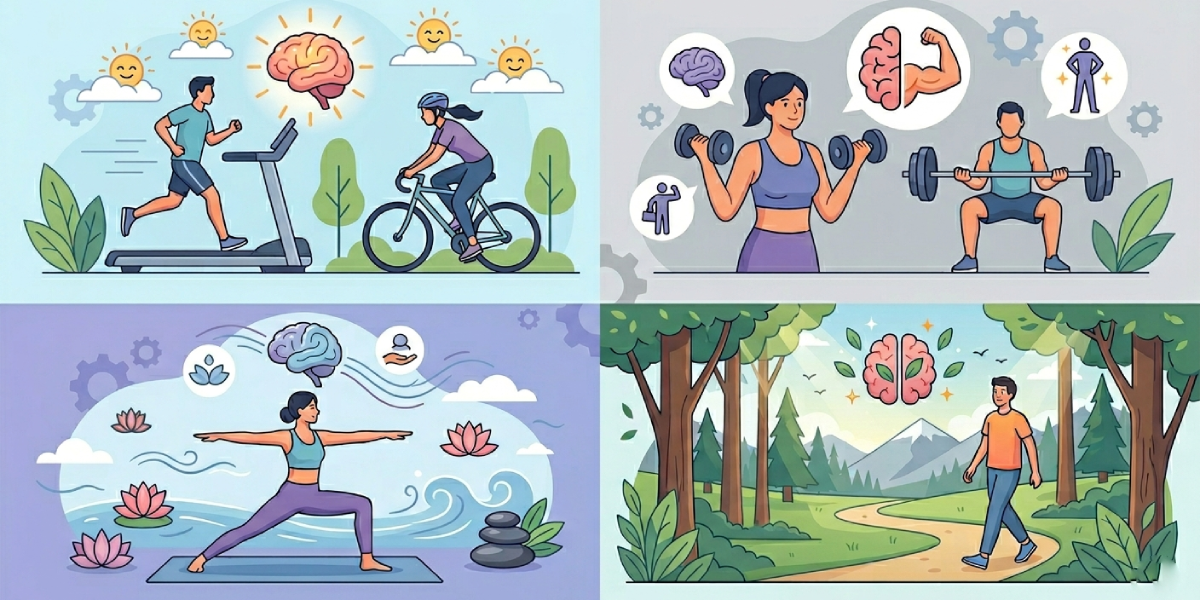
Not all movement is equal when it comes to mental health benefits. Different types of exercise routines offer distinct advantages, and the best approach is often a combination tailored to your lifestyle and preferences.
Aerobic Exercise
Cardiovascular activities such as running, cycling, swimming, dancing, and brisk walking are among the most studied for mental health. They are particularly effective at reducing symptoms of depression and anxiety. The sustained, rhythmic nature of aerobic movement promotes a meditative state in many people, quieting the mental chatter associated with rumination and worry.
Most research suggests 150 minutes of moderate-intensity aerobic activity per week as a baseline for mental health benefits.
Strength Training
Resistance training, including weightlifting and bodyweight exercises, has emerged as a powerful tool for mental health in its own right. Multiple meta-analyses have found that strength training significantly reduces symptoms of depression and anxiety, improves self-esteem, and enhances cognitive function.
The sense of accomplishment that comes with building physical strength translates directly into psychological empowerment and confidence.
Yoga and Mind-Body Practices
Yoga, tai chi, and qigong combine physical movement with breathwork and mindfulness, creating a uniquely powerful combination for stress reduction. These practices activate the parasympathetic nervous system, the body’s “rest and digest” mode, counteracting the chronic activation of the stress response. Research consistently shows that regular yoga practice reduces cortisol levels, decreases symptoms of anxiety and depression, and improves sleep quality.
Walking in Nature
Green exercise, which refers to physical activity in natural environments, adds an additional layer of mental health benefit beyond movement alone. Studies show that walking in parks, forests, or near water reduces activity in the prefrontal cortex, the brain region associated with repetitive negative thinking.
Even 20 to 30 minutes in a green space significantly lowers stress markers and improves mood.
Exercise and Depression: A Clinical Perspective
The relationship between exercise and depression is one of the most robustly studied areas in mental health research. A landmark review published in the journal JAMA Psychiatry, analyzing data from over 33 studies and more than one million participants, found that higher levels of physical activity were associated with substantially lower odds of developing depression, regardless of age, sex, or geographic region.
For those already living with depression, exercise has demonstrated effectiveness comparable to antidepressant medication in several randomized controlled trials. It is not a replacement for professional treatment in all cases, but it is a powerful complementary strategy that most health professionals now actively recommend as part of a holistic mental health plan.
Improving your overall health and mental wellness through movement is particularly relevant for people who experience mild to moderate depression. The act of setting small, achievable exercise goals and meeting them builds self-efficacy, a sense of control and capability that is often eroded by depressive illness.
Exercise and Anxiety: Breaking the Avoidance Cycle
Anxiety often creates a powerful pull toward avoidance and physical inactivity. When you feel anxious, the idea of adding more physical demands to your day can feel overwhelming. However, this avoidance tends to reinforce anxiety over time by depriving the body of one of its most natural regulatory mechanisms.
Exercise is particularly effective for anxiety because it provides what psychologists call interoceptive exposure. During aerobic activity, your heart rate increases, your breathing becomes heavier, and your body warms.
These sensations closely resemble the physical experience of anxiety, and by tolerating and moving through them in a safe context, people with anxiety disorders gradually become less frightened of those physical cues. This mechanism is part of why exercise is often incorporated into evidence-based anxiety treatment programs.
The Role of Exercise in Sleep and Cognitive Function
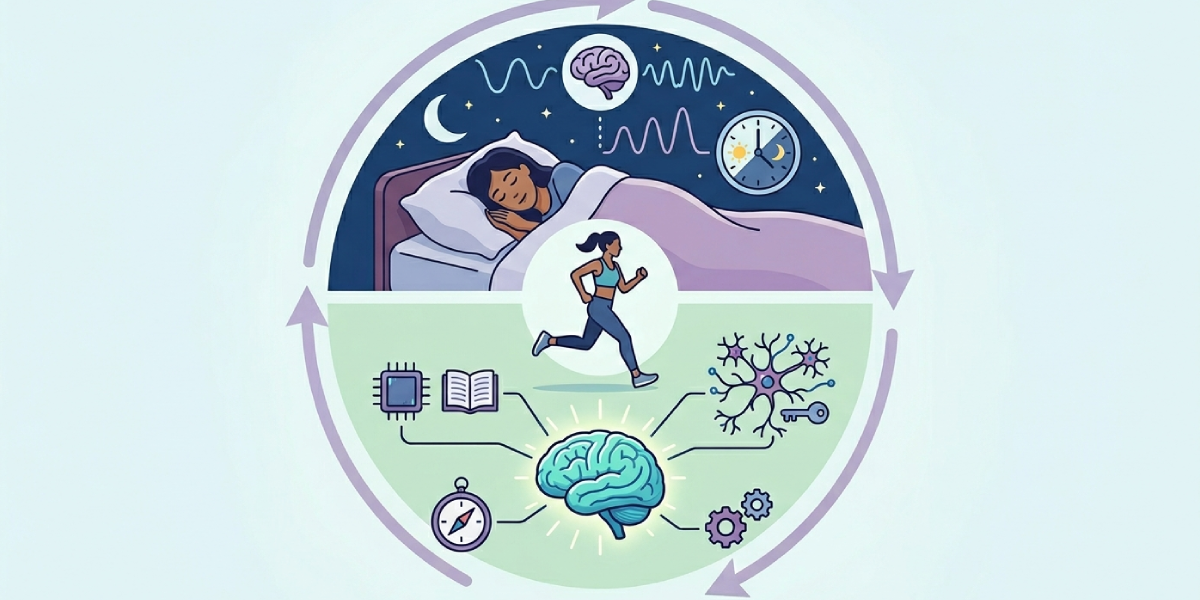
Poor sleep and impaired cognitive function are two of the most common complaints among people dealing with chronic stress and mental health challenges. Exercise addresses both directly.
Regular physical activity promotes deeper, more restorative sleep by increasing time spent in slow-wave sleep, the most physically and mentally regenerative sleep stage. It also helps regulate circadian rhythms and reduces the hyperarousal that keeps many anxious individuals awake at night.
Research from Johns Hopkins Medicine identifies exercise as one of the most effective non-pharmacological interventions for sleep quality.
Cognitively, exercise has been shown to improve working memory, attention, executive function, and processing speed. These benefits are especially pronounced in aerobic exercise and are linked to increased blood flow to the brain and the growth of new neural connections stimulated by BDNF.
For people dealing with stress-related brain fog, regular movement is one of the most effective cognitive performance tools available.
Practical Tips for Starting an Exercise Routine for Mental Health
Understanding the benefits is one thing. Building a sustainable practice is another. Here are evidence-informed strategies for turning exercise into a consistent mental health habit.
- Start small and build gradually. Even 10-minute walks three times a week produce measurable benefits. Consistency matters far more than intensity, especially at the beginning.
- Choose activities you genuinely enjoy. Enjoyment is the single strongest predictor of exercise adherence. If you hate running, try dancing, swimming, or hiking instead.
- Exercise with others when possible. Social exercise adds the mental health benefits of human connection to the physiological benefits of movement, amplifying results significantly.
- Schedule it like an appointment. Treating exercise as a non-negotiable commitment rather than an optional addition dramatically improves consistency.
- Track your mood, not just your fitness. Keeping a brief journal of how you feel before and after exercise builds powerful evidence that motivates continued practice.
- Be compassionate with setbacks. Missing days is normal. The goal is a lifelong relationship with movement, not a perfect streak. Guilt around missed workouts undermines the very mental health benefits you are seeking.
Understanding Your Body Composition and Health Baseline
Before establishing any exercise routine aimed at improving mental and physical health, it can be helpful to understand where you are starting from. Knowing your current body composition and health metrics allows you to set realistic goals and track meaningful progress.
Using a tool like the BMI calculator can provide a useful baseline reference point alongside other health markers. Remember that BMI is one data point among many and should be considered alongside energy levels, sleep quality, mood, and overall functional fitness.
How Much Exercise Do You Actually Need?
The World Health Organization and major public health bodies recommend the following guidelines for adults seeking mental and physical health benefits:
| Activity Type | Weekly Recommendation | Primary Mental Health Benefit |
|---|---|---|
| Moderate aerobic activity | 150 to 300 minutes | Reduces anxiety and depression |
| Vigorous aerobic activity | 75 to 150 minutes | Strong mood elevation, stress relief |
| Muscle-strengthening | 2 or more days | Improves self-esteem, reduces depression |
| Mind-body practices (yoga, tai chi) | 2 to 3 sessions | Reduces cortisol, improves sleep |
It is important to note that any amount of movement is beneficial. You do not need to meet the full recommended guidelines before experiencing mental health improvements. Research consistently shows that even modest amounts of regular activity produce significant benefits for mood and stress resilience.
When Exercise Is Not Enough
Exercise is a powerful tool for mental health, but it is not a substitute for professional mental health care when it is needed. If you are experiencing severe depression, anxiety disorders, trauma responses, or other significant mental health challenges, please seek support from a qualified mental health professional.
Exercise works best as part of a comprehensive approach that may include therapy, medication when appropriate, social support, quality nutrition, and adequate sleep.
The goal is not to replace professional care but to equip yourself with every available tool. And movement, in its many forms, is one of the most powerful tools you have.
Frequently Asked Questions
How quickly does exercise improve mental health?
Many people notice improvements in mood and anxiety levels after a single exercise session, with effects lasting several hours. Consistent benefits for conditions like depression and chronic stress typically become noticeable within two to four weeks of regular activity, with more substantial improvements emerging over eight to twelve weeks of consistent practice.
What type of exercise is best for reducing stress?
Aerobic exercises such as walking, jogging, cycling, and swimming are the most studied and consistently effective for stress reduction. Mind-body practices like yoga and tai chi are particularly effective for activating the relaxation response. The best exercise is ultimately one you will do regularly, so personal enjoyment and accessibility are critical factors.
Can exercise replace antidepressants or therapy?
For mild to moderate depression and anxiety, exercise has demonstrated effectiveness comparable to medication in several clinical studies. However, it should be viewed as a powerful complementary strategy rather than an automatic replacement. Always consult a qualified healthcare professional before making changes to any mental health treatment plan.
How does exercise help with anxiety specifically?
Exercise reduces anxiety through multiple pathways: it metabolizes stress hormones, increases GABA (a calming neurotransmitter), provides interoceptive exposure to physical anxiety sensations in a safe context, and trains the nervous system to recover more quickly from stress activation. Regular aerobic exercise has been shown to reduce generalized anxiety disorder symptoms significantly.
Is there a best time of day to exercise for mental health benefits?
Research suggests that morning exercise tends to improve mood and cognitive function for the rest of the day, while exercise within a few hours of bedtime may interfere with sleep quality in some individuals. That said, the most important factor is consistency. The best time to exercise is the time you will reliably stick to.
How does exercise affect sleep and why does that matter for mental health?
Regular physical activity promotes deeper slow-wave sleep, reduces sleep onset time, and helps regulate circadian rhythms. Quality sleep is foundational to mental health because it is during sleep that the brain processes emotional experiences, consolidates memory, clears metabolic waste products, and restores neurotransmitter balance. Poor sleep significantly worsens anxiety, depression, and stress resilience.
Can walking alone improve mental health, or do I need intense workouts?
Walking is one of the most effective and accessible forms of exercise for mental health. Multiple studies confirm that brisk walking for 20 to 30 minutes significantly reduces stress and anxiety and improves mood. You do not need high-intensity workouts to experience substantial mental health benefits. Consistent, moderate movement is more important than intensity.
Is it safe to exercise when I am feeling mentally exhausted or depressed?
In most cases, yes, and even a gentle walk can meaningfully improve how you feel within minutes. However, it is important to listen to your body and start with low-intensity movement when energy is very low. Setting a very modest goal, such as a five-minute walk, removes the psychological barrier while still activating the neurochemical benefits. If you are in a mental health crisis, always prioritize professional support first.
How does social exercise compare to solo exercise for mental health?
Both provide significant mental health benefits, but social exercise adds the additional benefits of human connection, accountability, and enjoyment, which have their own substantial positive effects on mood and stress. Group fitness classes, team sports, or simply walking with a friend combine the neurochemical benefits of movement with the psychological benefits of social bonding, making them particularly powerful for mental well-being.