

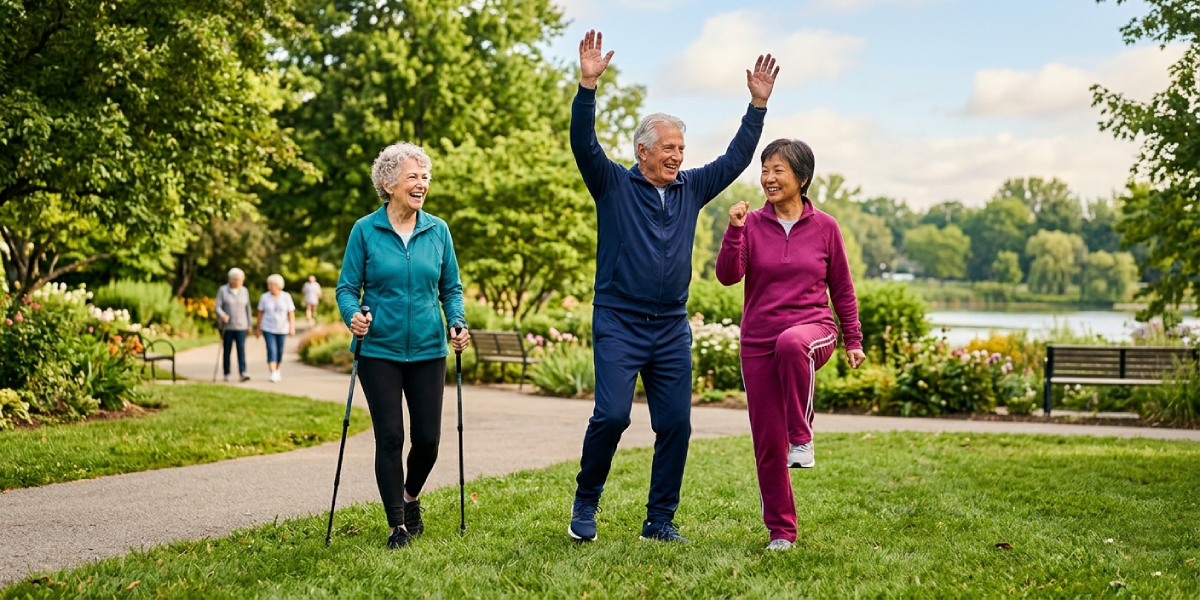
The exercise benefits for the elderly go far beyond simply looking fit. For adults over 60, regular physical activity is one of the most powerful tools available to protect health, preserve independence, and improve overall quality of life.
Whether you are just starting out or returning to movement after a long break, the science is clear: it is never too late to begin, and the rewards are profound.
Aging naturally brings changes to the body, including a gradual loss of muscle mass, reduced bone density, slower metabolism, and a decline in cardiovascular efficiency. However, decades of research show that consistent, age-appropriate exercise can slow or even reverse many of these changes.
This article explores why staying active after 60 is not just beneficial but essential, and offers practical guidance for building a safe and sustainable routine.
How the Aging Body Responds to Exercise
The human body at any age is remarkably adaptable. When older adults engage in regular physical activity, their muscles, heart, lungs, and bones respond by becoming stronger and more efficient. This physiological adaptability does not disappear with age.
Skeletal muscle, for example, retains the ability to grow and strengthen well into the eighties and beyond, a process known as muscle hypertrophy.
Aerobic capacity, which tends to decline roughly one percent per year after the age of 30 in sedentary individuals, can be significantly improved through cardiovascular training.
Studies published in journals such as the Journal of the American Geriatrics Society and Medicine and Science in Sports and Exercise consistently show that older adults who engage in regular aerobic exercise have measurably better heart health, lung function, and metabolic profiles than their inactive peers.
Bone density is another critical area. After age 50, bone loss accelerates, particularly in postmenopausal women. Weight-bearing exercise, including walking, resistance training, and low-impact aerobics, stimulates bone remodeling and has been shown to reduce the risk of osteoporosis and fracture.
Key Physical Benefits of Regular Exercise After 60
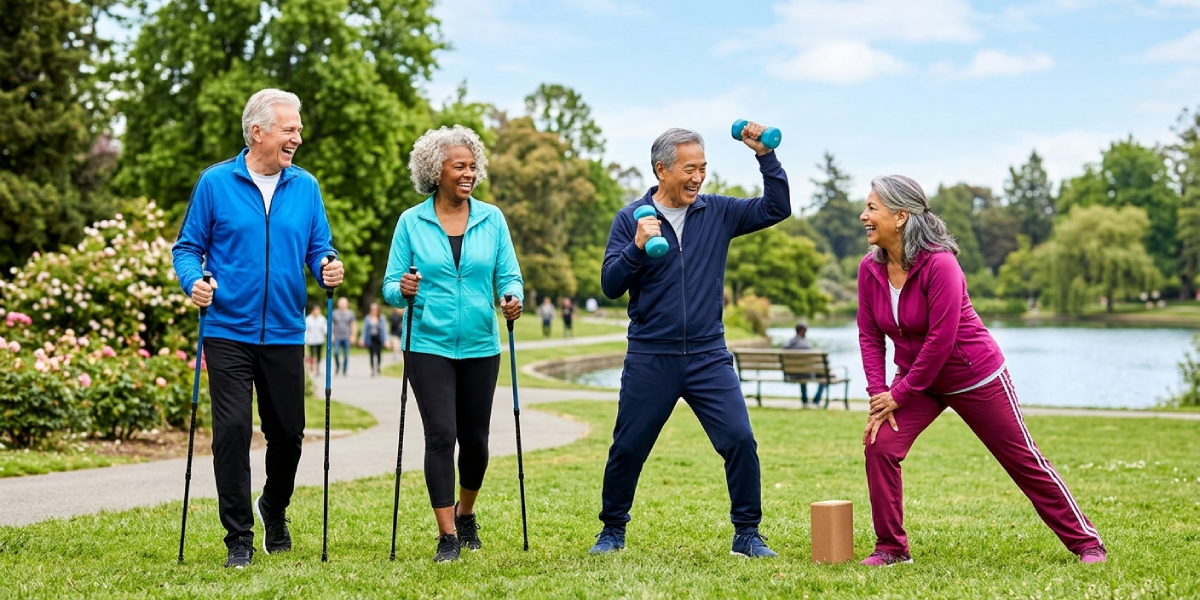
Understanding the specific physical advantages helps older adults stay motivated and make informed decisions about their exercise routines. The benefits span nearly every system in the body.
Improved Cardiovascular Health
Heart disease remains the leading cause of death worldwide, and the risk increases significantly with age. Regular moderate-intensity aerobic exercise, such as brisk walking, cycling, or swimming, strengthens the heart muscle, reduces resting blood pressure, improves circulation, and lowers levels of LDL cholesterol.
These changes collectively reduce the risk of heart attack, stroke, and peripheral artery disease.
Stronger Muscles and Better Balance
Sarcopenia, or age-related muscle loss, affects a significant portion of adults over 60 and is closely linked to falls, disability, and loss of independence. Resistance training, whether using free weights, resistance bands, or bodyweight exercises, directly counters sarcopenia by stimulating muscle protein synthesis.
Stronger muscles also improve balance and coordination, dramatically reducing fall risk, which is a leading cause of injury-related hospitalization among older adults.
Enhanced Flexibility and Joint Health
Flexibility naturally decreases with age as connective tissues stiffen and joint fluid decreases. Stretching exercises and low-impact activities like yoga and tai chi help maintain range of motion, reduce joint stiffness, and ease symptoms of arthritis.
Many older adults with osteoarthritis report significant improvements in pain levels and mobility after beginning a consistent gentle exercise program.
Weight Management and Metabolic Health
Metabolic rate slows with age, making weight management more challenging. Exercise boosts calorie expenditure both during and after physical activity through a process called excess post-exercise oxygen consumption.
Combined with preserving lean muscle mass, regular movement helps older adults maintain a healthy weight, which reduces the burden on joints, lowers cardiovascular risk, and improves blood sugar regulation. Monitoring body composition alongside a BMI calculator can help older adults track progress and set realistic goals.
Mental and Cognitive Benefits of Exercise for Older Adults
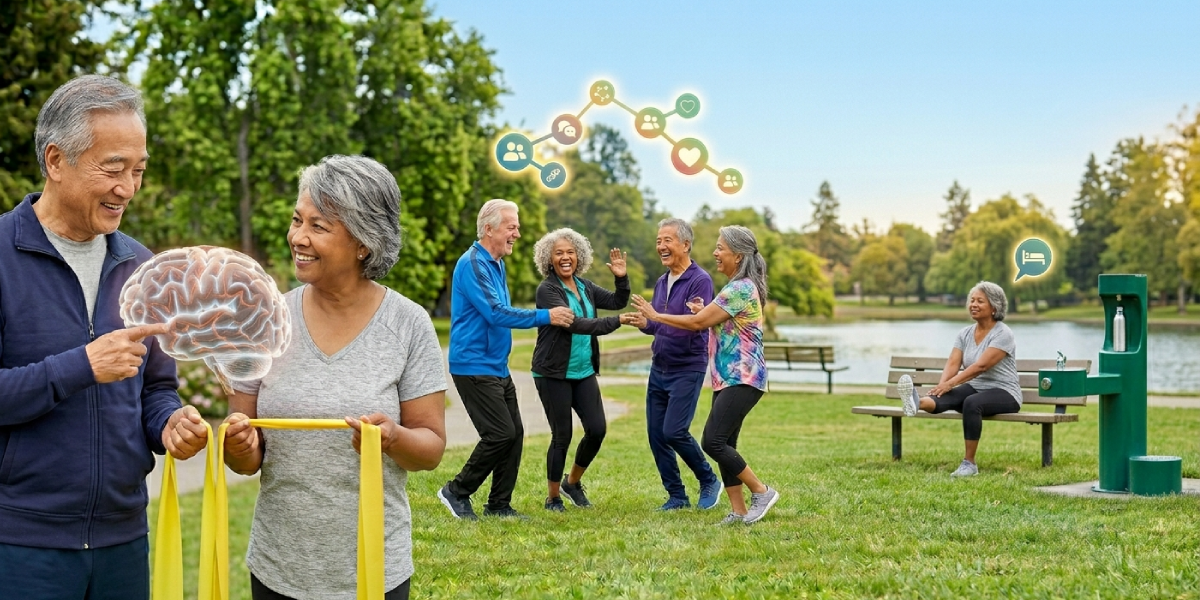
The exercise benefits for the elderly extend well beyond the physical. Research has produced compelling evidence that regular physical activity has substantial positive effects on brain health, mood, and cognitive function.
Reduced Risk of Dementia and Cognitive Decline
A landmark study published in The Lancet found that physical inactivity is among the most significant modifiable risk factors for dementia. Aerobic exercise increases blood flow to the brain, promotes the release of brain-derived neurotrophic factor, and stimulates the growth of new neural connections.
Regular exercisers show greater volume in the hippocampus, the brain region most associated with memory and learning, compared to sedentary individuals.
Better Mood and Lower Risk of Depression
Depression affects a significant portion of older adults and is often underdiagnosed. Exercise is a powerful natural antidepressant. Physical activity triggers the release of endorphins, serotonin, and dopamine, neurotransmitters that regulate mood, motivation, and emotional well-being.
Clinical studies have shown that regular exercise can be as effective as antidepressant medication for mild to moderate depression in older adults, with the added benefit of no negative side effects.
Improved Sleep Quality
Sleep disturbances are common after 60 and can have cascading negative effects on health, mood, and cognitive function. Regular physical activity has been consistently linked to better sleep quality, including deeper sleep stages, shorter time to fall asleep, and fewer nighttime awakenings.
Exercise helps regulate the body’s circadian rhythm and reduces anxiety, both of which contribute to more restful sleep.
Social and Emotional Dimensions of Staying Active
For many older adults, the social component of exercise is among the most meaningful. Group fitness classes, walking clubs, swimming groups, and recreational sports leagues provide regular opportunities for social interaction and community connection.
Social engagement is independently associated with longer life expectancy and reduced dementia risk, meaning that group exercise delivers a double benefit.
Exercise also fosters a sense of accomplishment and self-efficacy. Setting and achieving fitness goals, whether completing a first 5K walk, mastering a new yoga pose, or lifting a heavier weight, builds confidence and reinforces a positive self-image.
This is particularly valuable for older adults who may feel their identity or capabilities diminishing with age.
Recommended Types of Exercise for Adults Over 60
Health organizations including the World Health Organization and the American College of Sports Medicine recommend that older adults aim for a combination of aerobic, strength, flexibility, and balance exercises each week. The following framework provides a practical starting point.
| Exercise Type | Recommended Frequency | Examples | Primary Benefits |
|---|---|---|---|
| Aerobic | At least 150 minutes per week (moderate intensity) | Brisk walking, swimming, cycling, dancing | Heart health, weight management, endurance |
| Strength Training | 2 to 3 times per week | Resistance bands, light weights, bodyweight squats | Muscle mass, bone density, metabolism |
| Flexibility | Daily or most days | Yoga, static stretching, Pilates | Range of motion, joint health, posture |
| Balance | 3 or more times per week | Tai chi, single-leg stands, balance boards | Fall prevention, coordination, stability |
Getting Started Safely: Practical Advice for Older Adults
Safety is the foundation of any successful fitness program for older adults. Before beginning a new exercise routine, it is wise to consult with a healthcare provider, particularly if you have pre-existing conditions such as heart disease, diabetes, osteoporosis, or recent joint surgery.
A physician can help identify any limitations and may refer you to a physical therapist or certified personal trainer who specializes in working with older adults.
Start Low and Progress Slowly
One of the most common mistakes older beginners make is doing too much too soon. Starting with shorter, less intense sessions and gradually increasing duration and difficulty reduces the risk of injury and helps the body adapt safely.
Even ten minutes of gentle movement per day is a meaningful starting point for someone who has been completely sedentary.
Listen to Your Body
Understanding the difference between normal exercise discomfort and pain that signals injury is essential. Mild muscle soreness 24 to 48 hours after a workout is normal and expected. However, sharp pain during exercise, chest discomfort, dizziness, or unusual shortness of breath should prompt an immediate stop and medical evaluation.
Stay Hydrated and Dress Appropriately
Older adults are more susceptible to dehydration and heat-related illness because the sense of thirst diminishes with age. Drinking water before, during, and after exercise is important regardless of whether you feel thirsty. Wearing breathable, moisture-wicking clothing and exercising in a temperature-controlled environment helps prevent overheating.
Make It Enjoyable and Consistent
The best exercise program is one you will actually follow. Choosing activities you genuinely enjoy, exercising with a friend or partner, and varying your routine to prevent boredom all support long-term consistency. Consistency over time is far more valuable than intense but sporadic effort.
Common Barriers and How to Overcome Them
Many older adults face real or perceived obstacles to becoming more physically active. Understanding these barriers is the first step to addressing them.
- Fear of injury: Starting with low-impact activities and working with a trained professional can significantly reduce this risk while building confidence.
- Chronic pain or disability: Many conditions once thought to contraindicate exercise are now managed effectively through carefully prescribed physical activity. Water aerobics, chair yoga, and seated resistance training are excellent options for those with limited mobility.
- Lack of motivation: Setting small, achievable goals and tracking progress creates positive momentum. Joining a class or finding an exercise partner adds accountability.
- Limited access or cost: Walking costs nothing and requires no special equipment. Community centers, senior programs, and online resources offer affordable or free structured exercise options for older adults.
- Time constraints: Even short bouts of activity throughout the day accumulate meaningful health benefits. Three ten-minute walks spread across the day are comparable in many respects to one continuous thirty-minute walk.
The Long-Term Impact: Exercise and Longevity
A growing body of evidence links regular physical activity in older adults to longer lifespan and, critically, to more years lived in good health. Studies tracking large populations over decades have found that physically active older adults have significantly lower rates of all-cause mortality compared to sedentary peers, even when accounting for other lifestyle factors.
Perhaps most compelling is the concept of compression of morbidity, the idea that regular exercise does not simply add years to life but compresses the period of serious illness and disability into the final months rather than the final decades.
Active older adults tend to maintain independence, cognitive sharpness, and physical capability well into their seventies, eighties, and beyond before experiencing a relatively rapid decline near the end of life, rather than enduring years of chronic suffering.
The evidence is unambiguous and the practical path forward is clear. Staying active after 60 is among the most powerful, accessible, and cost-effective health interventions available. Whatever your current fitness level or health status, there is a form of movement that is right for you, and starting today is always the right decision.
Frequently Asked Questions
Is it safe for elderly adults to start exercising for the first time?
Yes, it is safe for most elderly adults to begin exercising, even with no prior fitness history. It is advisable to consult a healthcare provider before starting, especially if you have existing health conditions. Beginning with low-impact activities like walking or gentle stretching and gradually increasing intensity is a safe and effective approach at any age.
How much exercise do adults over 60 need each week?
Health guidelines recommend at least 150 minutes of moderate-intensity aerobic activity per week, combined with two or more sessions of strength training. Balance and flexibility exercises should also be incorporated several times weekly. Even smaller amounts of movement provide meaningful benefits compared to complete inactivity.
What is the best type of exercise for elderly adults to prevent falls?
Balance training is the most directly effective for fall prevention. Practices such as tai chi, single-leg standing exercises, and yoga have strong evidence behind them. Strength training for the legs and core also plays a critical role, as stronger muscles provide better stability and faster reflexive responses when balance is disrupted.
Can exercise help elderly adults with arthritis or joint pain?
Yes. Although it may seem counterintuitive, gentle movement is one of the most effective ways to manage arthritis pain. Low-impact activities such as swimming, water aerobics, cycling, and yoga reduce stiffness, strengthen the muscles around affected joints, and improve mobility without placing excessive stress on cartilage.
Many people with arthritis find their pain significantly reduced after establishing a regular exercise routine.
Does exercise help with memory and dementia prevention in older adults?
Strong evidence supports the role of regular aerobic exercise in reducing the risk of dementia and slowing cognitive decline. Exercise increases cerebral blood flow, promotes the production of brain-derived neurotrophic factor, and supports the growth of new brain cells, particularly in areas associated with memory.
Engaging in physical activity consistently throughout later life is one of the most evidence-backed strategies for brain health.
What exercises are safe for elderly adults with osteoporosis?
Weight-bearing aerobic activities such as walking, dancing, and low-impact aerobics, combined with resistance training, are generally recommended for people with osteoporosis because they stimulate bone remodeling.
High-impact activities and exercises that involve significant spinal flexion or twisting should be avoided or modified. Working with a physical therapist familiar with osteoporosis is ideal for developing a safe, personalized plan.
How does exercise affect mental health and depression in older adults?
Exercise has a well-documented positive effect on mental health in older adults. Physical activity stimulates the release of mood-regulating neurotransmitters including serotonin, dopamine, and endorphins. Research has found regular exercise to be as effective as medication for mild to moderate depression in older adults.
It also reduces anxiety, improves sleep, and fosters a sense of purpose and social connection, all of which support emotional well-being.
How can elderly adults stay motivated to exercise consistently?
Setting small, specific, and achievable goals helps build early momentum. Choosing enjoyable activities, exercising with a friend or in a group class, keeping a simple progress log, and varying the routine to prevent boredom are all effective motivational strategies.
Connecting movement to a meaningful purpose, such as staying independent to spend time with grandchildren or continuing to travel, provides powerful intrinsic motivation over the long term.
Can elderly adults with heart disease exercise safely?
Most older adults with heart disease can and should exercise, but medical clearance and a supervised program are important starting points. Cardiac rehabilitation programs are specifically designed for individuals recovering from heart events or managing chronic heart conditions.
Regular exercise under appropriate supervision has been shown to reduce cardiovascular mortality and improve quality of life significantly in this population.
How soon will elderly adults see results from regular exercise?
Many people notice improvements in mood, energy, and sleep quality within the first two to four weeks of beginning a consistent exercise program. Physical changes such as increased strength, improved balance, and better cardiovascular endurance typically become noticeable within six to eight weeks.
Long-term benefits including improved bone density and reduced chronic disease risk develop over months and years of consistent activity.