

Fitness apps to build a daily exercise habit are no longer a novelty — they are a proven tool millions of people rely on every day to stay consistent, motivated, and accountable.
Whether you are a beginner stepping onto the treadmill for the first time or a seasoned athlete tracking your weekly mileage, the right app can be the difference between a fleeting New Year’s resolution and a lifestyle that actually sticks.
This guide breaks down exactly how fitness apps work to support habit formation, what features matter most, and how you can choose the right one to finally make daily movement a non-negotiable part of your routine.
Why Building a Daily Exercise Habit Is So Difficult

Before exploring how apps help, it is worth understanding why exercise habits are notoriously hard to maintain. Research in behavioral science consistently shows that habit formation requires three core elements: a cue, a routine, and a reward. Without a reliable system reinforcing all three, most people revert to their old patterns within weeks.
Motivation alone is not enough. Motivation is emotional — it fluctuates with mood, stress levels, weather, and energy. What sustains a habit over months and years is structure, feedback, and a sense of progress. This is precisely the gap that well-designed fitness apps are built to fill.
Common barriers to consistent exercise include lack of time, lack of direction, low accountability, and difficulty measuring progress. Fitness apps directly address every one of these obstacles in ways that traditional gym memberships or personal trainers often cannot provide around the clock.
How Fitness Apps Support Habit Formation Through Behavioral Science
The most effective fitness apps are not just workout libraries — they are habit-engineering platforms built on real psychological principles.
Cue-Based Reminders and Notifications
A reliable daily cue is the foundation of any habit. Fitness apps allow you to set personalized reminders tied to specific times, locations, or behaviors. Over time, your brain begins to associate those cues with the expectation of exercise, gradually reducing the mental friction of getting started.
This process, known as habit stacking, is well-documented in behavioral research and is a core reason apps outperform willpower alone.
Progress Tracking and Visual Feedback
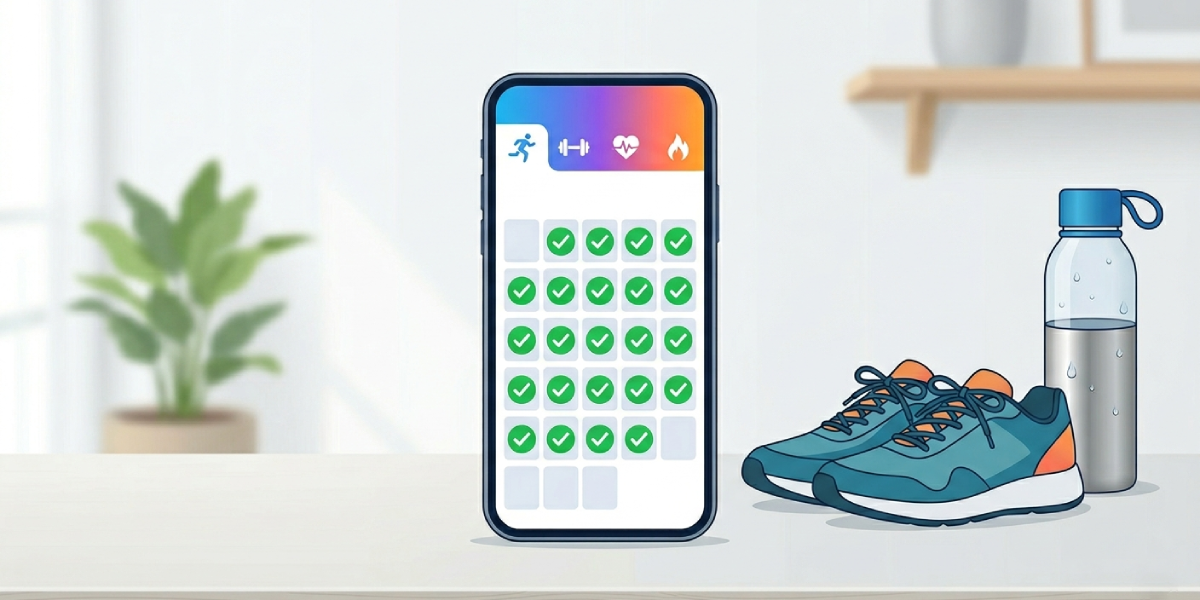
Seeing your streaks, completed workouts, and improving stats is a powerful psychological reward. Fitness apps provide real-time dashboards that transform abstract effort into visible data — calories burned, kilometers run, resting heart rate trends, or strength gains over time.
This visual feedback activates the brain’s reward system and makes consistent behavior feel immediately gratifying, not just theoretically beneficial.
For anyone managing their overall wellness goals, pairing workout tracking with health metrics like body composition or BMI calculations can give you a comprehensive picture of how your daily movement is contributing to long-term health outcomes.
Goal Setting and Adaptive Programming
Effective apps let you set SMART goals — specific, measurable, achievable, relevant, and time-bound. Many platforms now use AI-driven algorithms to adjust your workout plans based on your progress, recovery data, and schedule. This adaptive programming keeps workouts appropriately challenging without becoming overwhelming, which is critical for avoiding the burnout and injury that derail so many fitness journeys.
Key Features to Look for in a Fitness App
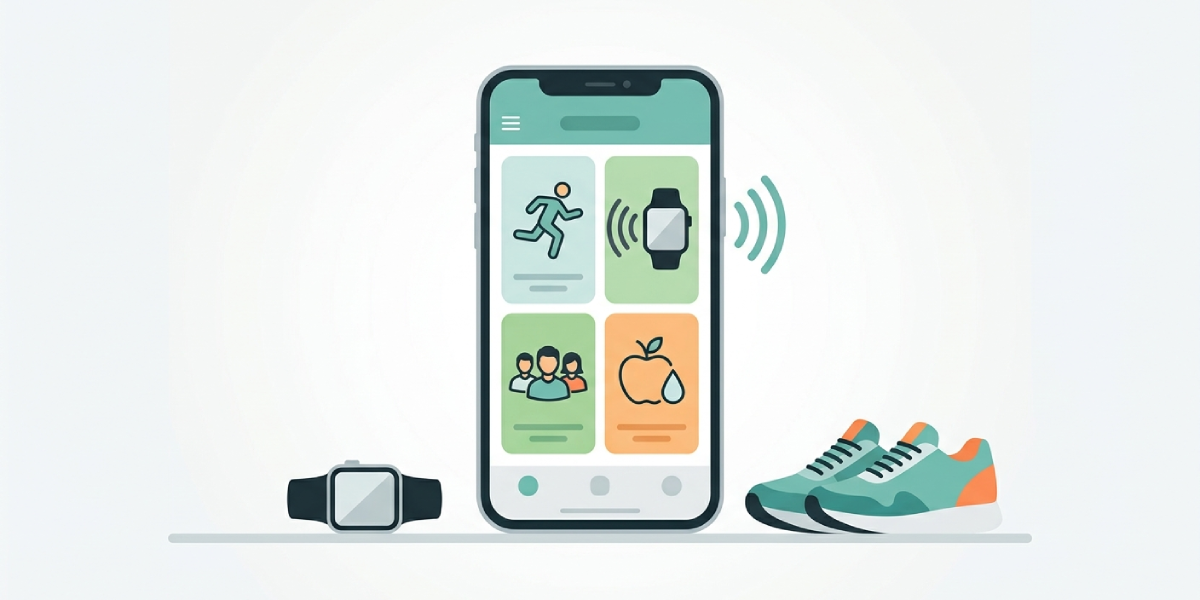
Not all fitness apps are created equal. The market is saturated with options ranging from free basic step counters to comprehensive platforms offering nutrition logging, live coaching, and community forums. When evaluating an app, prioritize these features based on your specific goals and lifestyle.
Workout Libraries and Guided Sessions
A quality app should offer structured, progressively challenging workouts with clear video or audio guidance. Whether your preference is strength training, yoga, HIIT, running, or cycling, the app should provide enough variety to keep your routine from becoming stale while maintaining a coherent progression toward your goals.
Wearable Device Integration
Integration with smartwatches and fitness trackers — such as Apple Watch, Garmin, or Fitbit — enables automatic syncing of heart rate, sleep, steps, and active minutes. This eliminates manual data entry and gives you a richer, more accurate picture of your overall activity levels throughout the day, not just during formal workouts.
Community and Social Accountability Features
Social accountability is one of the most powerful drivers of behavior change. Apps that include friends lists, group challenges, leaderboards, or community forums create a sense of social obligation that makes skipping a workout feel like letting others down — not just yourself.
Studies in exercise psychology consistently show that people who exercise with social support are significantly more likely to maintain long-term consistency.
Nutrition and Recovery Tracking
Exercise does not exist in isolation. The best fitness platforms integrate nutrition logging, hydration reminders, and sleep tracking to help you understand how your recovery and fueling strategies affect your performance.
When you can see that poor sleep correlates with lower workout quality, or that adequate protein intake accelerates strength gains, the connection between lifestyle habits becomes unmistakably clear.
Top Fitness App Categories and Who They Are Best For
| App Category | Best For | Key Benefit |
|---|---|---|
| Running and Cardio Apps | Beginners and endurance athletes | GPS tracking, pace coaching, route mapping |
| Strength Training Apps | Gym-goers and home lifters | Progressive overload programming, form cues |
| Mind-Body Apps | Stress management and flexibility focus | Yoga, Pilates, breathwork, and meditation |
| All-in-One Wellness Platforms | Those wanting a holistic health approach | Integrated fitness, nutrition, and sleep data |
| Gamified Fitness Apps | Motivation-driven and competitive users | Challenges, badges, leaderboards, rewards |
Building Your Daily Exercise Routine with App Support
Choosing an app is only the first step. The real work lies in building a sustainable daily structure around it. Here is a practical framework for turning app-assisted workouts into a genuine habit.
Start Small and Stack Gradually
One of the most common mistakes people make is starting with an overly ambitious routine that they cannot sustain. Begin with 15 to 20 minutes of guided movement per day and gradually increase duration and intensity as the habit solidifies.
Your app’s streak tracker will reinforce this consistency far more effectively than a single intense week followed by burnout.
Anchor Workouts to Existing Habits
Habit stacking is the practice of attaching a new behavior to an existing one. If you already brew coffee every morning, commit to completing a short workout while it brews or immediately after. If you always eat lunch at noon, schedule a 20-minute walk for 12:30.
Your app’s reminder system makes these anchors easy to establish and maintain.
Review Your Data Weekly
Set aside five minutes each week to review your app’s progress dashboard. Notice patterns — when were you most consistent? Which workouts felt best? Did recovery metrics dip after certain lifestyle choices? This weekly reflection transforms raw data into actionable insight and keeps your goals front of mind.
The Role of Exercise Variety in Long-Term Adherence
Even the most motivated individuals eventually experience workout monotony. The best fitness apps combat this through varied programming, seasonal challenges, and the ability to explore new exercise types without having to switch platforms entirely.
Cross-training — combining cardio, strength, and flexibility work — not only prevents boredom but also reduces overuse injury risk and creates more well-rounded health outcomes over time.
Many platforms now offer rotating monthly challenges, celebrity trainer collaborations, and event-based programs tied to real-world races or seasonal goals. These fresh stimuli maintain engagement and give you milestones to work toward beyond the daily routine.
Common Mistakes People Make When Using Fitness Apps
- Switching apps too frequently: Jumping from app to app prevents you from building a data history or establishing a routine. Give any new platform at least 30 to 60 days before evaluating its fit.
- Ignoring recovery data: Many users focus exclusively on workout output and ignore rest day recommendations. Overtraining leads to fatigue and injury, both of which are leading causes of abandoning an exercise habit entirely.
- Setting unrealistic initial goals: Apps make goal-setting easy, but setting overly ambitious targets leads to early discouragement. Start conservatively and revise upward as consistency builds.
- Neglecting nutrition integration: Exercise is only one side of the equation. Apps that track nutrition alongside workouts provide a far more complete and effective approach to health improvement.
- Relying solely on motivation: Use your app’s automation features — scheduled reminders, pre-planned workouts, auto-populated logs — to reduce the mental effort required each day. The goal is to make exercising the path of least resistance, not a daily decision.
How to Choose the Right Fitness App for Your Lifestyle
With hundreds of apps available across iOS and Android, narrowing down your options can feel overwhelming. Use these criteria to make a confident, informed choice.
Assess Your Primary Goal
Are you trying to lose weight, build muscle, improve cardiovascular health, reduce stress, or simply move more each day? Your primary goal should drive your app selection. A running app will not serve you well if your main focus is flexibility and stress reduction — and vice versa.
Consider Your Experience Level
Beginner-friendly apps offer guided onboarding, form tutorials, and low-intensity starter programs. Advanced platforms assume a base level of fitness knowledge and focus on periodization, performance metrics, and optimization. Choosing an app that matches your current level prevents both frustration and boredom.
Evaluate the Free versus Premium Experience
Many quality apps offer generous free tiers that include core functionality, with premium subscriptions unlocking advanced features like personalized coaching, detailed analytics, or unlimited workout libraries. Test the free version thoroughly before committing to a subscription to ensure the user experience and content quality meet your expectations.
Frequently Asked Questions
Can fitness apps really help me build a daily exercise habit?
Yes. Fitness apps provide the structure, reminders, progress tracking, and accountability that are essential for habit formation. Research in behavioral science supports the use of digital tools for behavior change, and millions of users report that apps are a key factor in their long-term consistency.
How long does it take to build a daily exercise habit using a fitness app?
Studies suggest that habit formation takes anywhere from 21 to 66 days depending on the individual and the complexity of the behavior. Using a fitness app consistently for at least 30 days, with daily reminders and progress tracking active, significantly accelerates this process for most people.
Are free fitness apps effective or do I need a paid subscription?
Many free fitness apps offer highly effective core features including workout libraries, tracking tools, and reminders. Premium subscriptions typically unlock personalized coaching, advanced analytics, and ad-free experiences. Start with a free tier to assess fit before investing in a subscription.
What is the best fitness app for beginners?
The best app for beginners is one that offers guided onboarding, video demonstrations of proper form, low-intensity starter programs, and encouraging progress tracking. Popular options widely regarded as beginner-friendly include Nike Training Club, FitOn, and MyFitnessPal for combined fitness and nutrition tracking.
How do fitness apps keep you motivated over the long term?
Fitness apps sustain motivation through streak tracking, achievement badges, community challenges, personalized milestones, and adaptive programming that keeps workouts fresh and appropriately challenging. Social features that connect you with friends or online communities add an additional layer of accountability.
Can I use a fitness app without going to a gym?
Absolutely. The majority of leading fitness apps include extensive libraries of bodyweight, yoga, Pilates, HIIT, and stretching workouts that require no equipment and can be performed in any space. Home workout functionality is a core feature of most platforms and has expanded significantly in recent years.
How do fitness apps integrate with wearable devices?
Most major fitness apps support integration with popular wearables such as Apple Watch, Garmin, Fitbit, and Samsung Galaxy Watch via Bluetooth or platform health ecosystems like Apple Health and Google Fit. This integration automatically syncs heart rate, steps, active calories, and sleep data without manual entry.
Is it safe to follow workout plans from a fitness app without a personal trainer?
For the majority of generally healthy adults, following structured app-based workout plans is safe provided the programs include proper warm-up guidance, form instructions, and progressive intensity increases.
However, anyone with a pre-existing health condition, injury history, or significant fitness limitations should consult a healthcare provider or certified fitness professional before beginning any new exercise program.
How do I stay consistent with a fitness app when motivation drops?
Consistency during low-motivation periods depends on having automated systems in place rather than relying on willpower. Use your app’s scheduled reminders, pre-plan your workouts the night before, choose shorter sessions on difficult days, and lean on community features for social accountability.
Reducing friction — laying out workout clothes, keeping your phone charged — also makes it easier to follow through.
Can fitness apps help with weight management goals?
Yes. Apps that integrate both exercise tracking and nutrition logging provide a comprehensive view of your caloric balance, macronutrient intake, and physical activity levels — all of which are directly relevant to weight management.
Combining consistent exercise data with dietary awareness through a single platform creates a powerful, evidence-based approach to achieving and maintaining a healthy weight.