

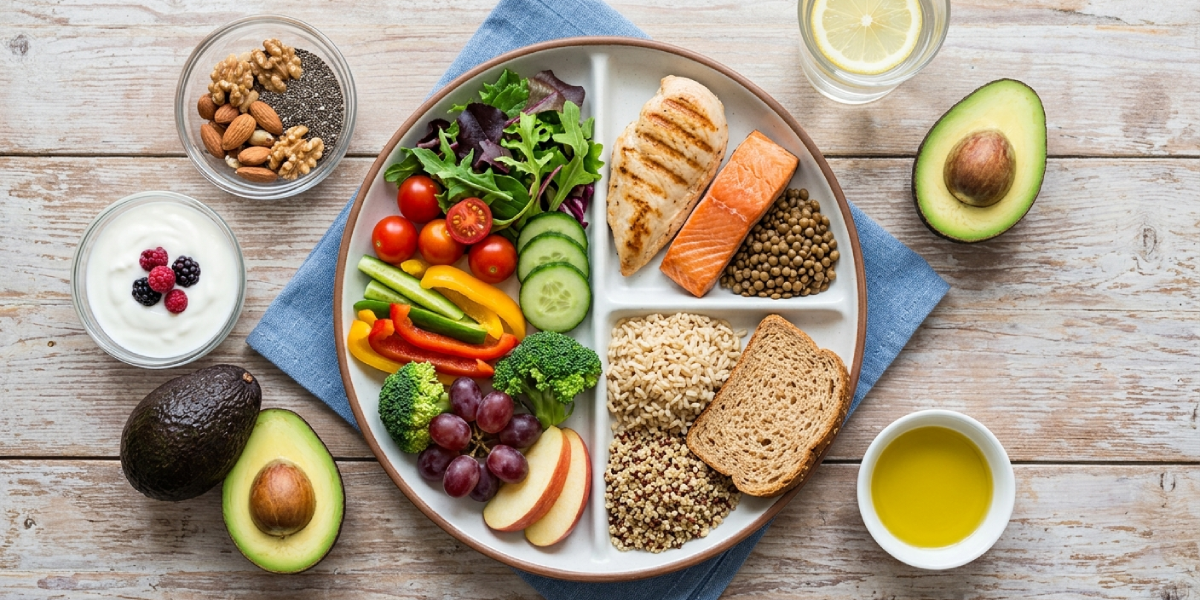
Following balanced diet guidelines is one of the most powerful and practical steps you can take toward living a longer, healthier life. Whether you are trying to manage your weight, boost your energy levels, or reduce your risk of chronic disease, what you eat every single day makes an enormous difference.
This guide breaks down what a balanced diet truly means, what the science says about optimal eating patterns, and how you can start making smarter food choices starting today.
What Is a Balanced Diet and Why Does It Matter
A balanced diet is one that provides your body with all the essential nutrients it needs to function properly. These nutrients include macronutrients such as carbohydrates, proteins, and fats, as well as micronutrients like vitamins and minerals.
No single food contains everything your body requires, which is why variety is a cornerstone of any sound dietary approach.
Poor nutrition is a leading contributor to preventable diseases worldwide. Conditions such as type 2 diabetes, cardiovascular disease, obesity, and certain cancers are directly linked to long-term dietary habits.
Conversely, people who consistently follow balanced diet guidelines tend to have better immune function, improved mental clarity, healthier body weight, and greater overall energy.
Understanding your body’s nutritional needs is not just about counting calories. It is about understanding food quality, meal timing, portion sizes, and the role each nutrient plays in keeping your organs and systems working at their best.
You can also use a BMI calculator to better understand where your current weight stands relative to healthy ranges, which can help you set realistic, informed dietary goals.
The Core Components of Balanced Diet Guidelines
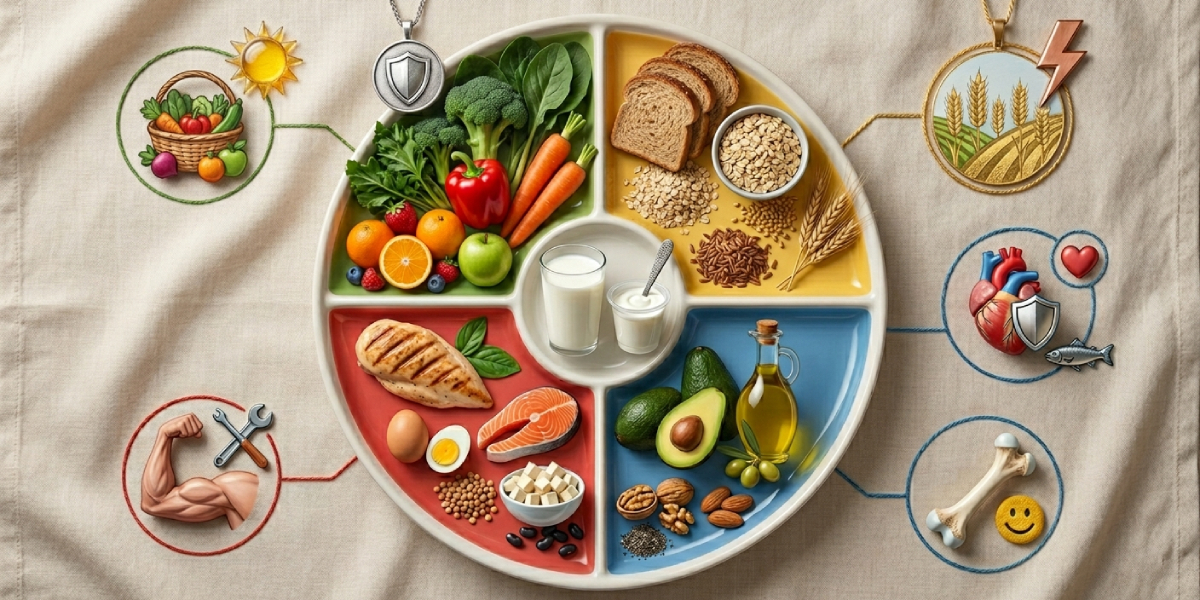
Balanced eating is built on a foundation of several key food groups. Each plays a distinct and important role in supporting bodily functions. Understanding these groups helps you build meals that are genuinely nourishing rather than just filling.
Fruits and Vegetables
Fruits and vegetables should make up the largest portion of your daily food intake. Health authorities including the World Health Organization recommend at least five servings of fruits and vegetables per day. These foods are rich in dietary fiber, vitamins C and A, potassium, folate, and a wide range of antioxidants that help protect your cells from oxidative stress and inflammation.
Dark leafy greens like spinach, kale, and broccoli are particularly nutrient-dense. Brightly colored fruits such as berries, oranges, and mangoes provide different phytonutrients. Eating a wide variety of colors ensures you are getting a broader spectrum of beneficial compounds.
Aim to fill at least half your plate with these foods at every meal.
Whole Grains and Complex Carbohydrates
Carbohydrates have been mischaracterized in popular media, but the truth is that the right kinds of carbohydrates are essential for energy, brain function, and digestive health. Whole grains such as oats, brown rice, quinoa, whole wheat bread, and barley are far superior to refined grains because they retain their fiber and nutrient content.
The fiber in whole grains helps regulate blood sugar levels, supports a healthy gut microbiome, reduces LDL cholesterol, and keeps you feeling fuller for longer. Replacing white bread, white rice, and sugary cereals with their whole grain equivalents is one of the simplest yet most effective dietary improvements most people can make.
Lean Proteins
Protein is essential for building and repairing tissues, producing enzymes and hormones, and supporting immune function. The key is choosing lean, high-quality protein sources that do not come loaded with saturated fat. These include chicken breast, turkey, fish, eggs, legumes, tofu, tempeh, and low-fat dairy products.
Fatty fish such as salmon, mackerel, and sardines are particularly valuable because they also provide omega-3 fatty acids, which support heart and brain health. Plant-based proteins like lentils, chickpeas, and black beans offer the added benefit of dietary fiber and are associated with lower rates of heart disease when consumed regularly.
Healthy Fats
Not all fats are created equal. Unsaturated fats found in avocados, olive oil, nuts, and seeds are beneficial for cardiovascular health and help your body absorb fat-soluble vitamins such as A, D, E, and K. Trans fats and excessive saturated fats, found primarily in fried foods, processed snacks, and fatty cuts of red meat, should be minimized.
Including a moderate amount of healthy fat in your diet actually supports weight management by promoting satiety and stabilizing blood sugar. A drizzle of extra virgin olive oil on salads, a handful of almonds as a snack, or a quarter of an avocado on whole grain toast are excellent ways to incorporate good fats into your daily meals.
Dairy or Dairy Alternatives
Dairy products such as milk, yogurt, and cheese are rich sources of calcium and vitamin D, which are critical for bone health and muscle function. If you are lactose intolerant or follow a plant-based diet, fortified alternatives like almond milk, soy milk, or oat milk can provide similar nutritional benefits.
Greek yogurt in particular is an excellent choice because it is high in protein and contains probiotics that support gut health.
Daily Nutritional Recommendations at a Glance
The following table summarizes general daily intake guidelines based on widely accepted nutritional frameworks including those from the World Health Organization and the Dietary Guidelines for Americans.
| Food Group | Recommended Daily Intake | Key Nutrients Provided |
|---|---|---|
| Fruits and Vegetables | At least 5 servings (400g minimum) | Vitamins, minerals, antioxidants, fiber |
| Whole Grains | 6 to 8 servings (at least half as whole grain) | Complex carbohydrates, B vitamins, fiber |
| Lean Protein | 2 to 3 servings (varies by body weight) | Amino acids, iron, zinc, omega-3s |
| Healthy Fats | 20 to 35 percent of total calories | Essential fatty acids, fat-soluble vitamins |
| Dairy or Alternatives | 2 to 3 servings | Calcium, vitamin D, protein, probiotics |
| Water | 8 or more cups (2 liters) daily | Hydration, cellular function, digestion |
Foods to Limit or Avoid for Optimal Health

Balanced diet guidelines are not only about what to eat more of. They are equally about understanding what to reduce or eliminate. The following categories of food contribute to poor health outcomes when consumed in excess.
- Added sugars: Found in sodas, candy, pastries, and many packaged foods. The WHO recommends limiting free sugars to less than 10 percent of total daily energy intake, ideally below 5 percent for additional health benefits.
- Refined carbohydrates: White bread, white pasta, and sugary breakfast cereals spike blood sugar rapidly and contribute to weight gain over time.
- Trans fats: Partially hydrogenated oils found in some processed and fried foods increase LDL cholesterol and raise the risk of heart disease. Many countries have moved to ban them, but they still appear in some products.
- Excess sodium: Most people consume far more salt than the recommended 2,300 milligrams per day. High sodium intake is a major risk factor for hypertension and stroke.
- Ultra-processed foods: Items like fast food, packaged snacks, instant noodles, and processed meats are often high in salt, sugar, unhealthy fats, and artificial additives while being low in actual nutrition.
- Alcohol: If consumed, alcohol should be limited to moderate levels. Heavy drinking is associated with liver disease, certain cancers, and nutritional deficiencies.
Practical Tips for Building a Balanced Plate Every Day
Knowing the theory of balanced eating is one thing. Putting it into practice in a busy life is another. Here are some real-world strategies that work.
Use the Half-Plate Rule
A simple visual trick used by dietitians worldwide is to fill half your plate with vegetables and fruits, one quarter with lean protein, and one quarter with whole grains. This method requires no calorie counting and naturally aligns with balanced diet guidelines without making mealtimes complicated.
Plan and Prep Your Meals Ahead
Meal preparation is one of the most reliable ways to stick to a healthy diet. Spending a couple of hours on the weekend washing vegetables, cooking grains in batches, and portioning proteins means that healthy options are always within reach during the busy weekday.
This reduces reliance on fast food and takeaway, which are typically poor in nutritional quality.
Read Nutrition Labels
Becoming familiar with nutrition labels gives you real power over what you put in your body. Pay particular attention to serving sizes, total fat (and what type), sugar content, sodium, and fiber. A product with more than 5 grams of fiber per serving is considered high in fiber.
One with more than 20 grams of sugar per serving should generally be treated as an occasional indulgence rather than a daily staple.
Stay Properly Hydrated
Water is often overlooked in conversations about diet, but it is absolutely foundational to health. Adequate hydration supports digestion, nutrient transport, temperature regulation, and cognitive performance. Aim for at least 8 cups of water per day, and more if you are physically active or in a hot climate. Limit sugary drinks, energy drinks, and excessive caffeine.
Combine Nutrition With Physical Activity
Diet and exercise work synergistically. A nutritious diet fuels your workouts and aids recovery, while regular physical activity enhances your metabolism and helps your body use nutrients more effectively. Explore structured exercise programs that complement your dietary goals, whether that is weight management, building lean muscle, or improving cardiovascular endurance.
Special Considerations for Different Life Stages
Nutritional needs change throughout life. Children need adequate calcium and vitamin D for growing bones. Pregnant women require increased folate, iron, and omega-3 fatty acids to support fetal development. Older adults often need more protein to prevent muscle loss and more vitamin B12 due to reduced absorption. Athletes require higher caloric and protein intake depending on their training load.
People with specific health conditions such as diabetes, celiac disease, kidney disease, or food allergies will need to follow modified dietary plans. In these cases, working with a registered dietitian or nutritionist is strongly recommended to ensure that individual nutritional needs are safely and effectively met.
You can learn more about managing diet and health together by exploring comprehensive health and wellness resources that address a wide range of conditions and goals.
Common Myths About Balanced Diets Debunked
There is a great deal of misinformation circulating about nutrition. Here are some of the most persistent myths, set straight by evidence-based science.
Myth: Carbohydrates make you fat. Whole, unprocessed carbohydrates are an important energy source. Excess calories from any macronutrient cause weight gain, not carbs specifically.
Myth: You need to eat very little fat to be healthy. Healthy unsaturated fats are essential. Extremely low-fat diets can actually impair hormone production and nutrient absorption.
Myth: Eating frequently boosts metabolism significantly. While meal timing matters somewhat, the total quality and quantity of food you eat throughout the day is far more important than how many meals you have.
Myth: Supplements can replace a balanced diet. While certain supplements serve an important purpose for specific deficiencies, whole foods contain complex combinations of nutrients, fiber, and bioactive compounds that supplements cannot fully replicate.
The Long-Term Benefits of Following Balanced Diet Guidelines
Adopting and consistently following balanced diet guidelines delivers cumulative health benefits that compound over time. People who maintain a nutritious diet throughout their lives are significantly less likely to develop type 2 diabetes, heart disease, stroke, osteoporosis, and certain cancers.
They tend to maintain healthier body weights, experience fewer mood disorders, have stronger immune systems, and live longer with higher quality of life.
Even modest improvements in dietary quality yield measurable health benefits. You do not need to be perfect. Replacing one processed snack with a piece of fruit, swapping white rice for brown rice once a day, or drinking one more glass of water before bed are small steps that, repeated consistently, add up to significant change over weeks, months, and years.
The goal is not a restrictive diet. It is a sustainable, enjoyable way of eating that nourishes your body and supports the life you want to live. Start with what you can realistically change today, build on those habits gradually, and trust that the science of nutrition is firmly on your side when you make whole, varied, minimally processed foods the foundation of every meal.
Frequently Asked Questions
What are the key components of a balanced diet?
A balanced diet includes adequate amounts of fruits, vegetables, whole grains, lean proteins, healthy fats, and dairy or dairy alternatives. Each food group contributes essential nutrients, and eating a variety of foods from all groups ensures your body receives the full spectrum of vitamins, minerals, and macronutrients it needs daily.
How many servings of fruits and vegetables should I eat each day?
The World Health Organization recommends a minimum of five servings, or approximately 400 grams, of fruits and vegetables per day. Research consistently shows that people who eat more than five servings have even lower risks of heart disease, stroke, and certain cancers.
Are all carbohydrates bad for you?
No. Whole, unprocessed carbohydrates found in foods like oats, brown rice, legumes, and vegetables are nutritious and essential for energy and digestive health. It is refined carbohydrates and added sugars in processed foods that are associated with negative health outcomes when eaten in excess.
How much water should I drink each day?
Most adults should aim for at least 8 cups, or around 2 liters, of water per day. Your specific needs may be higher if you exercise regularly, live in a hot climate, or are pregnant or breastfeeding. Water supports digestion, kidney function, nutrient transportation, and cognitive performance.
Can I follow a balanced diet on a budget?
Absolutely. Affordable, nutrient-dense foods include dried beans and lentils, frozen vegetables and fruits, eggs, canned fish, oats, bananas, and seasonal produce. Planning meals ahead, buying in bulk, and reducing processed and packaged foods can dramatically cut food costs while improving nutrition.
Do I need to take vitamin supplements if I eat a balanced diet?
A well-balanced diet from whole foods typically provides all the nutrients most healthy adults need. However, certain groups may benefit from targeted supplementation, including those who are pregnant (folate and iron), older adults (vitamin B12 and vitamin D), and people with limited sun exposure or restrictive diets. Always consult a healthcare provider before starting any supplement regimen.
How does a balanced diet affect mental health?
There is strong and growing evidence that diet quality significantly impacts mental health. Diets rich in fruits, vegetables, whole grains, and omega-3 fatty acids are associated with lower rates of depression and anxiety. The gut-brain axis, which links your digestive system and brain via the vagus nerve, is highly influenced by what you eat, making nutrition a powerful tool for emotional well-being.
What is the difference between a balanced diet and a calorie-restricted diet?
A balanced diet focuses on providing all essential nutrients in appropriate proportions to support overall health. A calorie-restricted diet focuses primarily on reducing total caloric intake to achieve weight loss. While calorie awareness is useful, it is entirely possible to restrict calories while still being malnourished if food quality is poor.
A balanced diet prioritizes nutritional completeness, which often naturally supports healthy weight management without strict calorie counting.
How long does it take to see results from eating a balanced diet?
Some benefits, such as improved energy levels, better digestion, and more stable mood, can be noticed within one to two weeks of improving your diet. Longer-term outcomes like weight normalization, improved blood markers, and reduced disease risk typically develop over months of consistent healthy eating. Patience and consistency are key.
Should children follow the same balanced diet guidelines as adults?
The core principles of balanced eating apply across all ages, but specific portion sizes, caloric needs, and nutrient priorities differ for children. Growing kids need adequate calcium, vitamin D, and iron in particular. It is important to build healthy food habits early, as dietary patterns established in childhood often persist into adulthood and strongly influence long-term health outcomes.