

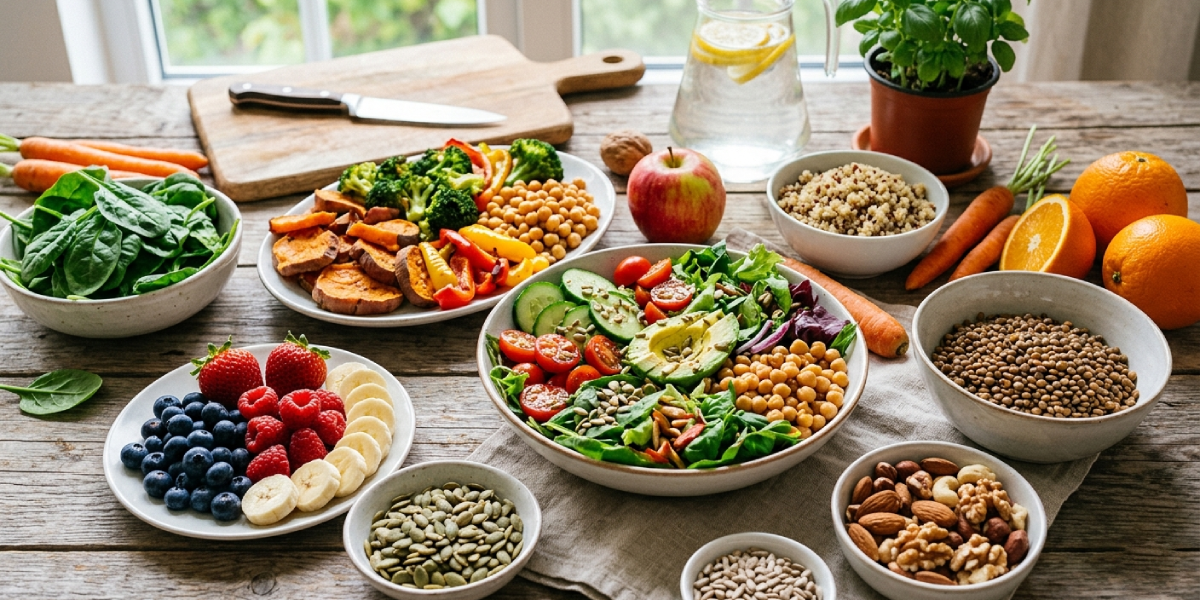
The health benefits of switching to a plant-based diet have become one of the most researched and discussed topics in modern nutrition science. More people than ever are exploring how eliminating or reducing animal products from their meals can lead to profound, lasting improvements in energy, weight, disease prevention, and overall well-being.
Whether you are considering a full transition or simply curious about incorporating more whole, plant-based foods into your routine, the science-backed advantages are compelling and worth understanding in depth.
What Is a Plant-Based Diet?
A plant-based diet centers on foods derived from plants, including vegetables, fruits, legumes, whole grains, nuts, and seeds. It does not necessarily mean vegan or vegetarian, though those eating patterns fall under the umbrella.
Many people adopt a predominantly plant-based approach while occasionally consuming small amounts of animal products. What matters most is that the foundation of the diet is built on minimally processed, nutrient-dense plant foods.
This dietary pattern has deep roots in the traditional eating habits of some of the world’s longest-living populations, including communities in the Mediterranean, Japan, and parts of Central America. Researchers studying these regions have consistently found connections between plant-forward diets and reduced rates of chronic disease and longer, healthier lives.
Significant Improvements in Heart Health
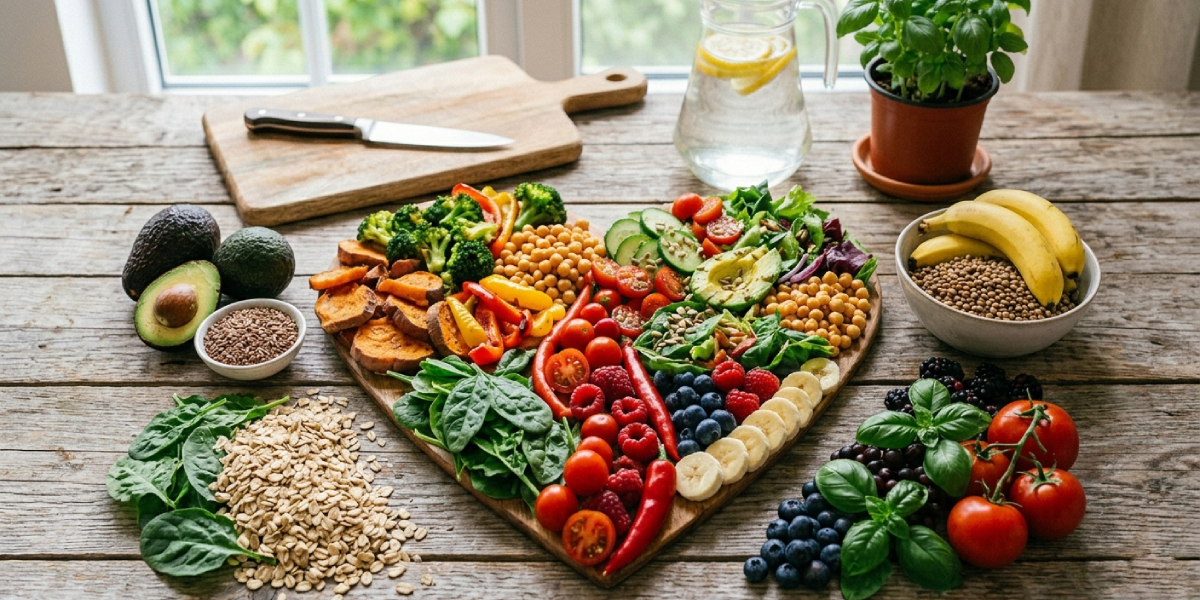
One of the most well-documented health benefits of switching to a plant-based diet is a measurable reduction in cardiovascular disease risk. Heart disease remains the leading cause of death globally, and dietary choices play a central role in its development and prevention.
Plant-based diets are naturally low in saturated fat and dietary cholesterol, both of which contribute to the buildup of arterial plaque. Foods like oats, flaxseed, beans, and leafy greens are rich in soluble fiber, which actively helps lower LDL (bad) cholesterol levels.
Studies published in major journals including the Journal of the American Heart Association have found that individuals following plant-based diets have significantly lower risks of hypertension, stroke, and heart attack compared to those eating typical Western diets.
Potassium-rich foods like bananas, sweet potatoes, and lentils help regulate blood pressure, while antioxidants found in berries, tomatoes, and dark leafy greens combat oxidative stress that damages blood vessels over time.
Effective Support for Weight Management
Maintaining a healthy body weight is a cornerstone of long-term health, and plant-based diets offer a sustainable, non-restrictive path toward achieving it. Whole plant foods tend to be high in fiber and water content, both of which promote satiety and reduce total caloric intake without the need for calorie counting or portion obsession.
Research consistently shows that those following plant-based dietary patterns tend to have lower body mass indexes (BMIs) compared to omnivores. This is partly due to the absence of calorie-dense, processed animal products, and partly because fiber-rich foods slow digestion and keep blood sugar levels stable, reducing the cravings and energy crashes that lead to overeating.
If you want to track your progress and understand your starting point, using a BMI calculator can give you a reliable baseline measurement. Combined with a plant-based eating plan and consistent physical activity, this information becomes a practical tool for monitoring your health journey over time.
Reduced Risk of Type 2 Diabetes
Type 2 diabetes is a growing global health crisis, and diet is one of the most powerful levers for both prevention and management. Plant-based diets are associated with improved insulin sensitivity and better blood sugar regulation, largely due to their high fiber content and lower glycemic load compared to diets heavy in refined carbohydrates and processed meats.
Legumes such as lentils, chickpeas, and black beans are particularly valuable for diabetic health management. They provide slow-digesting carbohydrates that prevent blood sugar spikes, along with protein and fiber that promote lasting fullness. Whole grains like quinoa, barley, and brown rice offer similar blood sugar stabilization benefits.
A large-scale study from the Harvard T.H. Chan School of Public Health found that individuals who followed a healthful plant-based diet had a significantly lower risk of developing type 2 diabetes over time. Even partial shifts toward more plant-based eating showed measurable improvements in metabolic markers.
Lower Cancer Risk Through Antioxidants and Phytonutrients
The relationship between diet and cancer is complex, but the evidence linking plant-based eating to reduced cancer risk is substantial. Plants produce thousands of natural compounds called phytonutrients, many of which have demonstrated anti-cancer properties in scientific research.
These include carotenoids in carrots and sweet potatoes, lycopene in tomatoes, sulforaphane in broccoli and other cruciferous vegetables, and resveratrol found in grapes.
Plant-based diets are also rich in dietary fiber, which is strongly associated with a reduced risk of colorectal cancer. The World Health Organization classifies processed meats as Group 1 carcinogens, meaning there is convincing evidence they increase cancer risk.
Reducing or eliminating these foods while increasing plant food consumption is a straightforward, evidence-based strategy for lowering cancer risk over a lifetime.
Better Gut Health and Digestive Function
The gut microbiome is increasingly understood as a central pillar of overall health, influencing immunity, mental health, inflammation, and metabolic function. A plant-based diet is one of the most effective ways to cultivate a diverse, thriving gut microbiome.
Dietary fiber, found exclusively in plant foods, serves as the primary fuel source for beneficial gut bacteria. When these bacteria ferment fiber, they produce short-chain fatty acids like butyrate, which protect the intestinal lining, reduce inflammation, and support immune function.
A diet rich in diverse plant foods encourages a wider variety of bacterial species, and microbial diversity is considered a hallmark of a healthy gut.
Fermented plant foods like kimchi, sauerkraut, miso, and tempeh provide additional probiotic benefits, introducing beneficial bacterial strains directly into the digestive system. Many people who adopt plant-based diets report reduced bloating, improved regularity, and greater digestive comfort within weeks of making the change.
Improved Energy Levels and Mental Clarity

One of the most commonly reported, real-world experiences among people who switch to a plant-based diet is a noticeable increase in energy and mental sharpness. This is not merely anecdotal. The nutrients found abundantly in plant foods, including B vitamins, magnesium, iron, and complex carbohydrates, play essential roles in energy metabolism and neurotransmitter production.
Complex carbohydrates from whole grains, sweet potatoes, and legumes provide a steady, sustained release of glucose to the brain and muscles, avoiding the energy spikes and crashes associated with high-sugar, refined food diets.
Magnesium, found in abundance in leafy greens, nuts, and seeds, supports hundreds of enzymatic reactions in the body, many of which are involved in energy production at the cellular level.
Emerging research also links plant-based diets to better mood and reduced rates of depression and anxiety. The gut-brain axis, which is the bidirectional communication network between the intestinal microbiome and the central nervous system, means that improving gut health through a plant-based diet can have direct, measurable effects on mental well-being.
Anti-Inflammatory Effects That Protect Long-Term Health
Chronic low-grade inflammation is now recognized as a root cause of many of the most prevalent and serious diseases, including heart disease, type 2 diabetes, Alzheimer’s disease, and certain cancers. Diet is one of the most powerful modulators of systemic inflammation in the body.
Plant foods are packed with antioxidants and anti-inflammatory compounds that counteract the oxidative stress and inflammatory signaling that drive chronic disease. Omega-3 fatty acids found in flaxseed, chia seeds, hemp seeds, and walnuts help balance the body’s inflammatory response.
Turmeric, ginger, berries, and cruciferous vegetables are among the most potent anti-inflammatory foods known to researchers.
In contrast, diets high in processed meats, refined sugars, and trans fats actively promote inflammation. Transitioning to a plant-based diet removes many of the most significant dietary drivers of inflammation while simultaneously introducing a wide array of protective compounds.
Bone and Joint Health: A Nuanced Picture
A common concern among people considering plant-based diets is whether they will receive adequate calcium and vitamin D for strong bones. This is a valid consideration, but one that is easily addressed with thoughtful food choices and, when necessary, supplementation.
Plant-based sources of calcium include fortified plant milks, tofu made with calcium sulfate, bok choy, kale, broccoli, and almonds. Vitamin D is produced by the skin in response to sunlight exposure and is available through fortified foods and supplements.
Vitamin K2, which is critical for directing calcium into bones rather than arteries, can be found in fermented foods like natto and sauerkraut.
Interestingly, research from the Nurses’ Health Study found that high animal protein intake was associated with increased rates of bone fracture, potentially due to the acid load generated during protein metabolism. A balanced plant-based diet with sufficient calcium, vitamin D, and vitamin K2 can support excellent long-term bone health.
How to Combine Plant-Based Eating with Regular Exercise for Maximum Benefits
Nutrition and physical activity are inseparably linked when it comes to optimizing health outcomes. A plant-based diet provides the macronutrients and micronutrients needed to fuel workouts, support muscle recovery, and sustain high performance over time.
Carbohydrates from whole grains and fruits provide readily available energy, while plant proteins from legumes, tofu, tempeh, edamame, and seeds support muscle repair and growth.
Research has shown that many elite athletes, including endurance runners, cyclists, and strength athletes, perform at the highest levels on plant-based diets. The key is ensuring adequate total calorie intake, sufficient protein across multiple plant sources, and strategic timing of meals around training sessions.
To complement your plant-based nutrition plan with a structured fitness routine, exploring exercise guides and workout strategies can help you build a well-rounded approach to long-term health.
Combining anti-inflammatory plant foods with regular movement is one of the most powerful combinations available for preventing chronic disease and extending healthspan.
Practical Tips for Making the Switch Successfully
Transitioning to a plant-based diet does not have to happen overnight. A gradual, informed approach is often more sustainable and enjoyable than an abrupt overhaul.
- Start with one plant-based meal per day and gradually increase the proportion of plant foods across all meals.
- Learn to cook with legumes such as lentils, chickpeas, and black beans, which are affordable, versatile, and protein-dense.
- Explore global cuisines including Indian, Mediterranean, Ethiopian, and East Asian cooking, which have rich plant-based culinary traditions.
- Stock your pantry strategically with whole grains, canned beans, nut butters, seeds, and a variety of spices to make plant-based cooking quick and flavorful.
- Pay attention to key nutrients including vitamin B12 (supplement if fully plant-based), vitamin D, omega-3 fatty acids, iron, zinc, and calcium.
- Read labels to choose minimally processed plant foods over highly processed plant-based alternatives, which can be high in sodium, sugar, and additives.
- Find community and support through plant-based cooking classes, online communities, and local resources to stay motivated and inspired.
For deeper guidance on connecting your dietary changes with an overall healthy lifestyle, resources covering both health and wellness strategies can provide science-backed, practical information to support your journey at every stage.
Frequently Asked Questions
Can I get enough protein on a plant-based diet?
Yes, absolutely. A well-planned plant-based diet can meet all protein needs through foods such as lentils, chickpeas, black beans, tofu, tempeh, edamame, seitan, quinoa, hemp seeds, and nuts. The key is consuming a variety of protein sources throughout the day to ensure a full spectrum of essential amino acids.
Most adults need between 0.8 and 1.2 grams of protein per kilogram of body weight per day, a target that is easily achievable on a plant-based diet.
Do I need to take supplements on a plant-based diet?
Vitamin B12 is the one supplement that is strongly recommended for those following a fully plant-based or vegan diet, as it is not reliably found in plant foods. Vitamin D supplementation may also be beneficial depending on sun exposure and geographic location.
Some individuals may also benefit from omega-3 supplements derived from algae, which provides the same EPA and DHA found in fish without the animal source. A consultation with a registered dietitian can help identify any specific gaps based on individual eating patterns and bloodwork.
Is a plant-based diet suitable for children and pregnant women?
A well-planned plant-based diet can support healthy growth and development at all life stages, including pregnancy and childhood, according to the Academy of Nutrition and Dietetics. However, these stages require careful attention to specific nutrients including B12, iron, calcium, zinc, omega-3 fatty acids, and iodine.
Working with a qualified healthcare provider or registered dietitian is strongly advisable to ensure all nutritional needs are met during these critical periods.
How long does it take to see health improvements after switching?
Many people report noticeable improvements in energy levels, digestion, and skin health within the first two to four weeks of adopting a plant-based diet. More significant markers such as reductions in LDL cholesterol, blood pressure, and fasting blood glucose can often be measured within six to twelve weeks.
Long-term benefits related to chronic disease risk reduction develop over months and years of consistent plant-based eating.
Will a plant-based diet help me lose weight?
Plant-based diets are associated with lower average body weight and BMI across large population studies. The high fiber content promotes satiety, reduces calorie density, and stabilizes blood sugar, all of which support healthy weight management without calorie restriction.
However, not all plant-based foods are equally helpful for weight loss. Minimally processed whole foods are far more effective than relying heavily on processed plant-based alternatives, which can be calorie-dense and nutrient-poor.
Can athletes and active people thrive on a plant-based diet?
Yes. Numerous elite athletes across a wide range of sports perform at the highest levels on plant-based diets. Carbohydrates from whole grains and fruits fuel performance, while plant proteins support muscle recovery. Anti-inflammatory compounds in plant foods may also accelerate recovery between training sessions.
Adequate total calorie intake and careful attention to protein, iron, and vitamin B12 are the primary considerations for active individuals following a plant-based diet.
What is the difference between a plant-based diet and a vegan diet?
A vegan diet excludes all animal products entirely, including meat, fish, dairy, eggs, and often honey. A plant-based diet is a broader term that emphasizes whole, minimally processed plant foods as the dietary foundation but may allow for occasional consumption of animal products.
Someone following a plant-based diet might still eat fish once a week or include small amounts of dairy. The key distinction is that plant-based describes a dietary pattern, while vegan typically encompasses a broader ethical and lifestyle philosophy.
Are there any risks or downsides to a plant-based diet?
When well-planned, a plant-based diet is associated with numerous health benefits and minimal risks. The primary considerations are ensuring adequate intake of vitamin B12, vitamin D, omega-3 fatty acids, iron, zinc, calcium, and iodine, all of which require intentional food choices or supplementation on a fully plant-based diet.
Relying heavily on processed plant-based convenience foods rather than whole foods can undermine the health benefits. Working with a registered dietitian to plan a balanced approach mitigates the potential nutritional challenges effectively.
How does a plant-based diet affect cholesterol levels?
Switching to a plant-based diet is one of the most effective dietary interventions for lowering LDL (bad) cholesterol. Plant foods contain no dietary cholesterol and are naturally low in saturated fat, the primary dietary driver of elevated LDL.
Soluble fiber found in oats, beans, flaxseed, and fruits actively binds to cholesterol in the digestive tract and removes it from the body. Studies show that plant-based diets can reduce LDL cholesterol by ten to twenty percent or more in as little as four to eight weeks.
Is a plant-based diet expensive?
A plant-based diet built around whole foods such as dried legumes, whole grains, seasonal vegetables, and fruits can be significantly less expensive than a diet centered on meat, fish, and dairy. Dried lentils, chickpeas, oats, brown rice, and seasonal produce are among the most affordable foods available globally.
Costs increase when relying on packaged plant-based meat and dairy substitutes, which are typically priced at a premium. With thoughtful meal planning and cooking at home, a nutritious plant-based diet can be highly budget-friendly.