

If you want to lower your cholesterol naturally, you are not alone. Millions of people worldwide are managing elevated cholesterol levels, and the good news is that meaningful improvements are achievable through practical, evidence-based lifestyle changes.
This guide walks you through everything you need to know, from the science of cholesterol to the daily habits that make a real difference.
Understanding Cholesterol: What the Numbers Actually Mean
Before diving into solutions, it helps to understand what cholesterol is and why it matters. Cholesterol is a waxy, fat-like substance produced by the liver and also obtained from food. It plays essential roles in building cell membranes, producing hormones, and synthesizing vitamin D.
The problem arises when certain types of cholesterol accumulate in the bloodstream at unhealthy levels.
There are two primary types to know. Low-density lipoprotein (LDL) is commonly called “bad” cholesterol because high levels can lead to plaque buildup in the arteries, raising the risk of heart disease and stroke.
High-density lipoprotein (HDL) is the “good” cholesterol that transports LDL away from the arteries and back to the liver for processing. Triglycerides, while not technically cholesterol, are a type of fat in the blood that also contribute to cardiovascular risk when elevated.
According to guidelines from major cardiology organizations, a healthy total cholesterol level is generally below 200 mg/dL, with LDL ideally below 100 mg/dL for most adults and HDL above 60 mg/dL. Understanding your personal numbers is the first step.
You can also use tools like a BMI calculator to assess your overall cardiovascular risk profile alongside your cholesterol results.
The Role of Diet in Lowering Cholesterol Naturally
Diet is one of the most powerful levers you have when it comes to managing cholesterol. The right food choices can lower LDL, raise HDL, and reduce triglycerides without medication.
Foods That Actively Lower LDL Cholesterol
Certain foods have strong clinical evidence behind them for reducing LDL cholesterol:
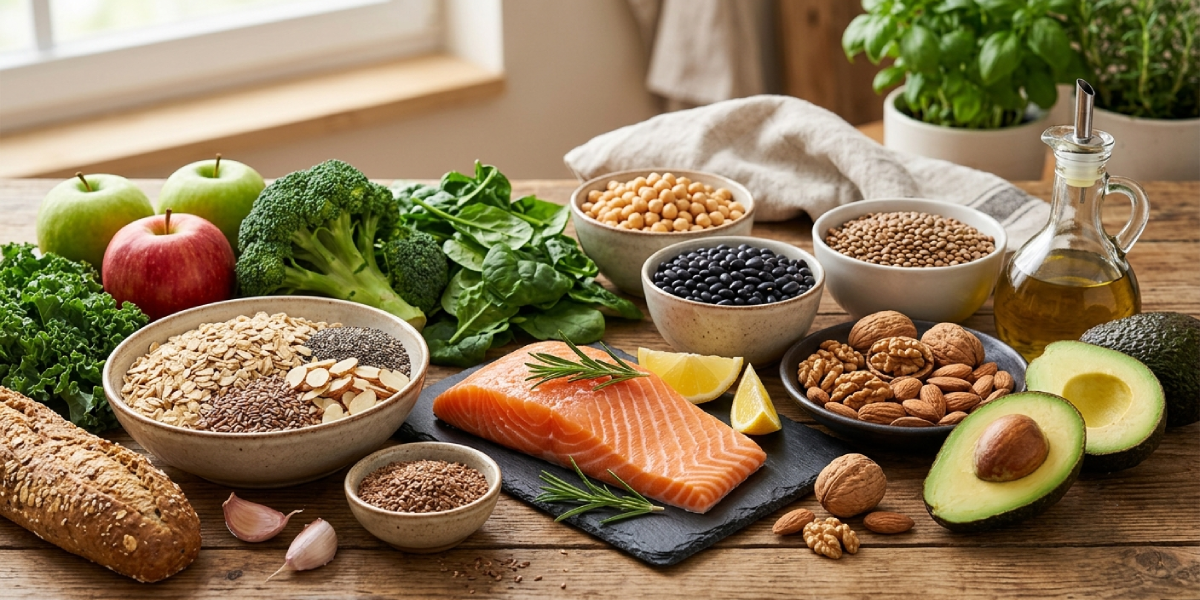
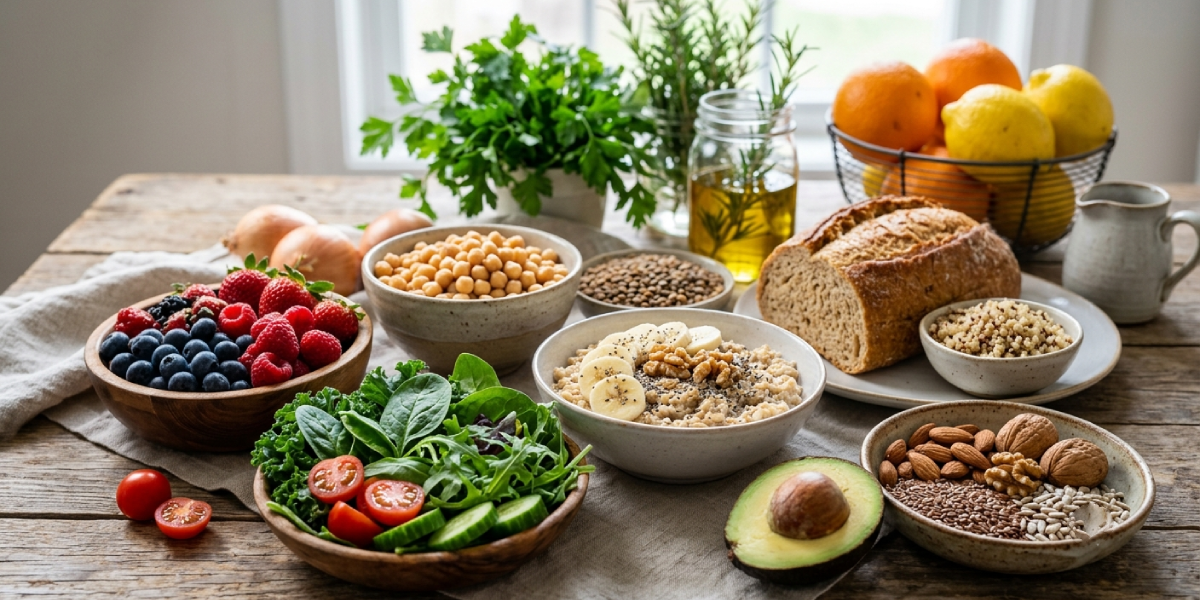
- Oats and soluble fiber: Oatmeal, oat bran, beans, lentils, apples, and barley contain soluble fiber, which binds to cholesterol in the digestive system and pulls it out of the body before it enters the bloodstream. Eating five to ten grams of soluble fiber daily can reduce LDL by five to eleven percent.
- Fatty fish: Salmon, mackerel, sardines, and herring are rich in omega-3 fatty acids, which lower triglycerides and slightly raise HDL. Aim for two servings per week.
- Nuts: Walnuts, almonds, and other tree nuts are packed with unsaturated fats, plant sterols, and fiber. Studies show that eating about 1.5 ounces of nuts daily can lower LDL by five percent.
- Avocados: Rich in monounsaturated fats, avocados help lower LDL while preserving or raising HDL levels.
- Olive oil: Extra-virgin olive oil contains powerful antioxidants and monounsaturated fats that reduce the oxidation of LDL particles, making them less harmful to arterial walls.
- Foods fortified with plant sterols and stanols: These compounds, found naturally in small amounts in plants and added to some margarines, orange juices, and yogurts, block the absorption of cholesterol in the intestines. Two grams per day can lower LDL by ten to fifteen percent.
Foods to Reduce or Avoid
Equally important is reducing foods that drive cholesterol higher. Saturated fats, found primarily in red meat, full-fat dairy products, butter, and tropical oils like coconut and palm oil, raise LDL cholesterol.
Trans fats, still found in some processed and fried foods, are even more damaging because they simultaneously raise LDL and lower HDL. Limiting added sugars and refined carbohydrates also helps, as these raise triglyceride levels.
A Practical Sample Eating Pattern
| Meal | Cholesterol-Friendly Choice |
|---|---|
| Breakfast | Oatmeal topped with walnuts and fresh blueberries |
| Lunch | Grilled salmon salad with olive oil dressing and mixed greens |
| Snack | A small handful of almonds and an apple |
| Dinner | Lentil soup with whole grain bread and avocado |
Exercise: The Natural Cholesterol Balancer
Physical activity is one of the most effective and underutilized tools for managing cholesterol. Regular aerobic exercise raises HDL cholesterol, lowers triglycerides, and can modestly reduce LDL. Beyond numbers, exercise strengthens the heart muscle, improves circulation, and helps maintain a healthy weight, all of which reduce cardiovascular risk.
The American Heart Association recommends at least 150 minutes of moderate-intensity aerobic activity per week, or 75 minutes of vigorous activity. Activities like brisk walking, cycling, swimming, and jogging all qualify. Resistance training two days per week adds further benefit by improving insulin sensitivity and supporting healthy triglyceride levels.
If you are new to exercise or managing other health conditions, starting small is perfectly fine. A 30-minute walk five days per week is an excellent beginning. For structured guidance, exploring a variety of exercise routines tailored to different fitness levels can help you find something sustainable and enjoyable.
Weight Management and Its Impact on Cholesterol
Excess body weight, particularly fat stored around the abdomen, is closely linked to unfavorable cholesterol profiles. When you carry extra weight, your liver produces more LDL cholesterol and your HDL tends to drop. Even modest weight loss of five to ten percent of your body weight can meaningfully improve all cholesterol markers.
The connection is especially strong with triglycerides. Losing weight, reducing sugar intake, and cutting back on alcohol are the most effective ways to bring elevated triglycerides down. Tracking your progress and understanding your body composition alongside cholesterol numbers gives you a fuller picture of your heart health journey.
Quitting Smoking: A Fast Path to Better HDL
Smoking damages blood vessel walls, makes LDL cholesterol more likely to stick and oxidize, and significantly lowers HDL. The good news is that quitting produces rapid improvements. Within three weeks of quitting smoking, HDL cholesterol can increase by as much as five percent.
Within a year, the risk of heart disease drops by half compared to when you were smoking.
If you smoke and have elevated cholesterol, quitting is one of the single most impactful decisions you can make for your cardiovascular health. Speak with your doctor about cessation programs and support resources that can improve your success rate.
Alcohol: Moderation Matters
Moderate alcohol consumption has been associated with slightly higher HDL levels in some studies, but this is not a reason to start drinking if you currently do not. Excessive alcohol intake significantly raises triglycerides, contributes to weight gain, and can damage the liver, the organ primarily responsible for cholesterol production and regulation.
If you do drink, the current guidance is no more than one drink per day for women and two drinks per day for men. Many people find that cutting back on alcohol also makes it easier to stick to a healthy diet and maintain consistent exercise habits.
Stress, Sleep, and Cholesterol: The Hidden Connection
Chronic stress triggers the release of cortisol and adrenaline, hormones that can raise blood sugar and lipid levels over time. People under prolonged stress often make poorer dietary choices and are less physically active, compounding the effects on cholesterol.
Practices like mindfulness meditation, yoga, deep breathing, and time in nature have been shown to reduce cortisol and support heart health.
Sleep is equally important. Research shows that people who sleep fewer than six hours per night tend to have higher LDL and lower HDL cholesterol. Aim for seven to nine hours of quality sleep per night. Establishing a consistent sleep schedule, limiting screen time before bed, and keeping your bedroom cool and dark are practical starting points.
Natural Supplements Worth Considering
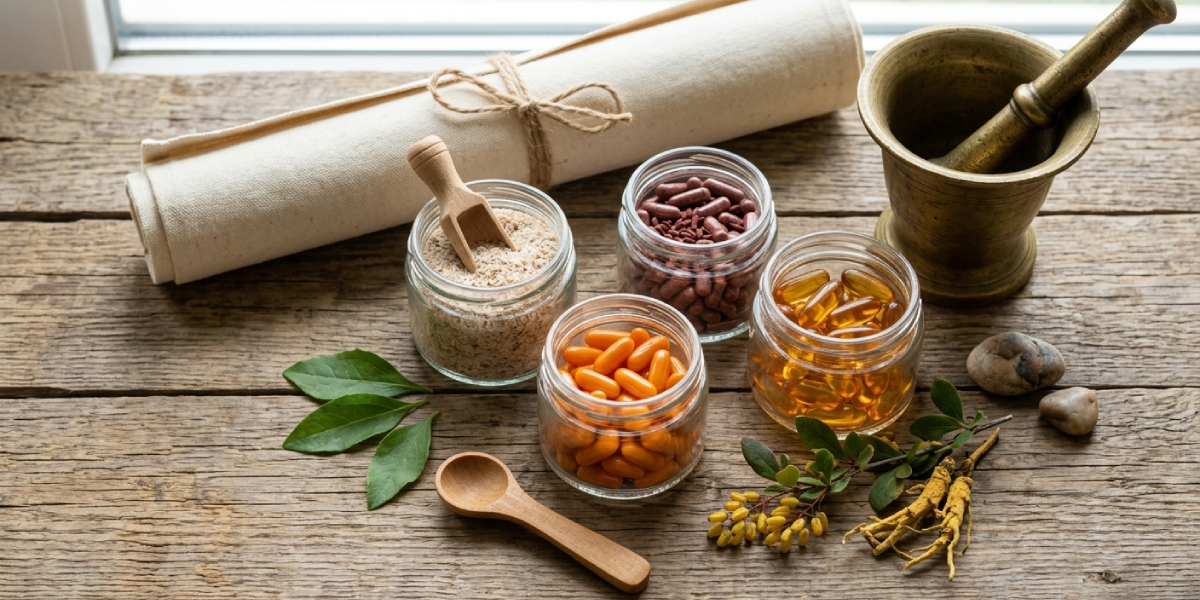
Several supplements have credible evidence for modest cholesterol benefits, though they should complement, not replace, lifestyle changes and any prescribed medications.
- Psyllium husk: A soluble fiber supplement that, when taken consistently, can reduce LDL by five to ten percent.
- Berberine: A compound found in several plants that has shown promising results in lowering LDL and triglycerides in clinical studies.
- Red yeast rice: Contains naturally occurring compounds similar to statins. Use only under medical supervision due to potential interactions.
- Coenzyme Q10 (CoQ10): Often recommended alongside statin therapy to offset muscle-related side effects, though not directly cholesterol-lowering.
- Omega-3 supplements: Fish oil capsules can lower triglycerides, particularly at higher doses prescribed by a physician.
Always consult your healthcare provider before starting any supplement, especially if you are already taking medications for cholesterol or heart conditions.
How Long Does It Take to See Results?
This is one of the most common questions people have. The honest answer is that it depends on how much you change and where you start. Dietary changes typically show measurable effects on cholesterol levels within four to twelve weeks.
Exercise improvements in HDL can appear within two to three months of consistent training. Weight loss benefits accumulate gradually as the weight comes off.
Most doctors recommend retesting cholesterol levels eight to twelve weeks after starting lifestyle changes to assess progress. Tracking metrics like diet quality, physical activity, and body weight alongside your cholesterol numbers gives you a more complete understanding of what is working.
Exploring evidence-based health strategies can also keep you informed and motivated throughout the process.
When Lifestyle Changes Are Not Enough
For some people, elevated cholesterol is primarily genetic, a condition called familial hypercholesterolemia. In these cases, even an excellent diet and active lifestyle may not bring cholesterol into a safe range without medication. Statins, PCSK9 inhibitors, and other cholesterol-lowering drugs are safe and highly effective when prescribed appropriately.
Lifestyle changes remain important even when medication is involved because they enhance the medication’s effect and reduce overall cardiovascular risk beyond cholesterol alone. Work with your doctor to determine the right combination of interventions for your individual situation.
Frequently Asked Questions
How quickly can diet changes lower cholesterol?
Most people see measurable changes in their cholesterol levels within four to twelve weeks of consistently following a heart-healthy diet. Results vary depending on how significant the dietary shift is and individual factors like genetics and starting cholesterol levels.
Can exercise alone lower cholesterol without diet changes?
Exercise, particularly aerobic activity, primarily raises HDL and lowers triglycerides. Its effect on LDL is more modest. Combining regular exercise with dietary improvements produces significantly better results than either approach on its own.
Is it possible to lower cholesterol naturally without medication?
Yes, for many people. Through a combination of dietary changes, regular physical activity, weight management, quitting smoking, and stress reduction, significant improvements in cholesterol levels are achievable without medication. However, people with genetic cholesterol disorders or very high baseline levels may still need medication.
What is the single most effective food for lowering cholesterol?
Oats and foods rich in soluble fiber consistently rank among the most effective dietary choices for lowering LDL cholesterol. Soluble fiber binds to cholesterol in the gut and removes it before it enters the bloodstream. Eating oatmeal daily as part of a balanced diet is one of the simplest and most evidence-backed dietary interventions.
Does drinking more water help lower cholesterol?
Water itself does not directly lower cholesterol. However, staying well-hydrated supports overall metabolic function, can help with weight management, and may reduce the tendency to consume high-calorie sugary drinks that contribute to elevated triglycerides.
How does stress affect cholesterol levels?
Chronic stress elevates cortisol, which can raise LDL cholesterol and triglycerides over time. Stress also tends to promote unhealthy coping behaviors like overeating and physical inactivity. Managing stress through mindfulness, adequate sleep, and regular exercise can indirectly support healthier cholesterol levels.
Is high cholesterol always dangerous?
Not automatically. Cholesterol risk depends on the type, the ratio of LDL to HDL, and the presence of other risk factors like high blood pressure, diabetes, smoking, and family history. A person with moderately elevated LDL but high HDL and no other risk factors may have a lower overall cardiovascular risk than someone with borderline LDL and multiple risk factors.
Are there any foods that raise HDL cholesterol specifically?
Yes. Olive oil, fatty fish, avocados, nuts, and purple or red fruits rich in polyphenols (like grapes and pomegranates) are associated with higher HDL levels. Regular aerobic exercise is also one of the most reliable ways to raise HDL. Quitting smoking, if applicable, has a rapid and significant positive effect on HDL as well.
Can children have high cholesterol, and what should parents do?
Yes, children can have elevated cholesterol, most often due to familial hypercholesterolemia or poor dietary habits. The American Academy of Pediatrics recommends cholesterol screening for children between ages nine and eleven and again between ages seventeen and twenty-one. For children, the primary interventions are dietary improvements, reduced screen time, and increased physical activity, with medication reserved for more severe cases under a physician’s guidance.
Is coconut oil good or bad for cholesterol?
Coconut oil is high in saturated fat and has been shown to raise LDL cholesterol. While it raises HDL slightly as well, the overall effect on the LDL-to-HDL ratio and cardiovascular risk is not clearly beneficial. Major heart health organizations recommend limiting coconut oil and choosing olive oil or other unsaturated fats instead.