

Learning how to control your blood sugar without medication starts with understanding what actually moves your glucose numbers day to day. After years of researching metabolic health and talking with people who have reversed prediabetes through lifestyle changes alone, I can tell you the basics are simple, even if sticking to them takes practice.
This guide walks through what genuinely works, based on current clinical guidance and real-world experience, not fads.
Before going further, it helps to know where you stand. Body weight and waist size are closely tied to insulin sensitivity, so checking your numbers with a BMI calculator is a useful first step before you start making changes.
Why Blood Sugar Control Matters Beyond Diabetes
Stable blood sugar isn’t only a concern for people who already have diabetes. Glucose spikes and crashes affect energy, mood, sleep quality, and long-term cardiovascular health in everyone.
The American Diabetes Association’s most recent Standards of Care continue to emphasize that lifestyle intervention is the foundation of glucose management, recommending that people with overweight or obesity aim to lose roughly 5 to 7 percent of their starting body weight, since even modest weight loss meaningfully improves insulin sensitivity and lowers cardiovascular risk.
That number matters because it shows you don’t need dramatic transformation to see real benefits. Small, consistent changes compound over weeks and months.
The Role of Diet in Natural Blood Sugar Management

Food choices have the single biggest daily impact on glucose levels. The goal isn’t to eliminate carbohydrates entirely but to choose the right type, amount, and timing.
Prioritize Fiber-Rich, Whole Foods
Vegetables, legumes, whole grains, and fruits with skin slow down glucose absorption because fiber delays how quickly sugar enters the bloodstream. Swapping white rice for brown rice or quinoa, or adding a side salad before a carb-heavy meal, can blunt the post-meal spike noticeably.
Don’t Skip Protein and Healthy Fats
Pairing carbohydrates with protein or healthy fat slows digestion and prevents sharp glucose swings. Current clinical guidance recommends adults consume at least 0.8 grams of protein per kilogram of body weight daily, partly because adequate protein supports lean muscle, which plays a direct role in how efficiently your body uses glucose.
Watch Portion Size, Not Just Food Type
Even “healthy” carbohydrates raise blood sugar if portions are large. A practical trick that works well in real life: fill half your plate with non-starchy vegetables, a quarter with lean protein, and a quarter with whole-grain carbohydrates.
Limit Refined Sugar and Ultra-Processed Foods
Sugary drinks, white bread, pastries, and most packaged snacks cause rapid glucose spikes followed by crashes that trigger more cravings. Reading nutrition labels for added sugar content, rather than relying on “low-fat” or “natural” marketing claims, is one of the most reliable habits for staying on track.
Exercise: One of the Most Powerful Natural Tools
Physical activity lowers blood sugar in two ways: muscles pull glucose from the bloodstream for immediate fuel during activity, and regular training improves how sensitive your cells are to insulin over time. You can browse practical workout routines and movement ideas through this exercises resource hub to find something that fits your schedule and fitness level.
Aerobic Exercise
Walking, cycling, swimming, and jogging are all effective. A brisk 30-minute walk after a meal is one of the simplest, most evidence-backed habits for reducing post-meal glucose spikes, since muscle contraction increases glucose uptake independent of insulin.
Strength Training
Building muscle mass matters because muscle tissue is the body’s largest reservoir for storing glucose as glycogen. Current medical guidelines specifically highlight resistance training as important for preserving lean body mass, especially as people age, because more muscle means better long-term glucose regulation.
Movement Throughout the Day
Long periods of sitting blunt insulin sensitivity even if you exercise once daily. Standing up every 30 to 60 minutes, taking short walking breaks, or doing a few bodyweight squats between tasks adds up meaningfully over a week.
Sleep and Stress: The Overlooked Variables
Sleep deprivation and chronic stress both raise cortisol, a hormone that pushes the liver to release more glucose into the bloodstream. Even one night of poor sleep can measurably reduce insulin sensitivity the following day. Prioritizing 7 to 9 hours of consistent sleep, along with stress-reduction practices like deep breathing, short walks outdoors, or journaling, supports blood sugar control just as much as diet and exercise for many people.
Hydration and Its Underrated Effect on Glucose

Dehydration concentrates glucose in the bloodstream, which can make readings appear higher than they would with adequate hydration. Drinking water consistently throughout the day, rather than large amounts infrequently, helps the kidneys flush excess sugar more efficiently and supports overall metabolic function.
Weight Management and Waist Circumference
Visceral fat, the fat stored around abdominal organs, is strongly linked to insulin resistance. Tracking your numbers periodically, rather than guessing, keeps you accountable. You can find more general wellness guidance through this health resource section covering related topics like metabolic health and weight management strategies.
Monitoring Your Progress
You don’t need a continuous glucose monitor to track progress, though current clinical recommendations increasingly support their use for people on certain medications or with variable glucose patterns.
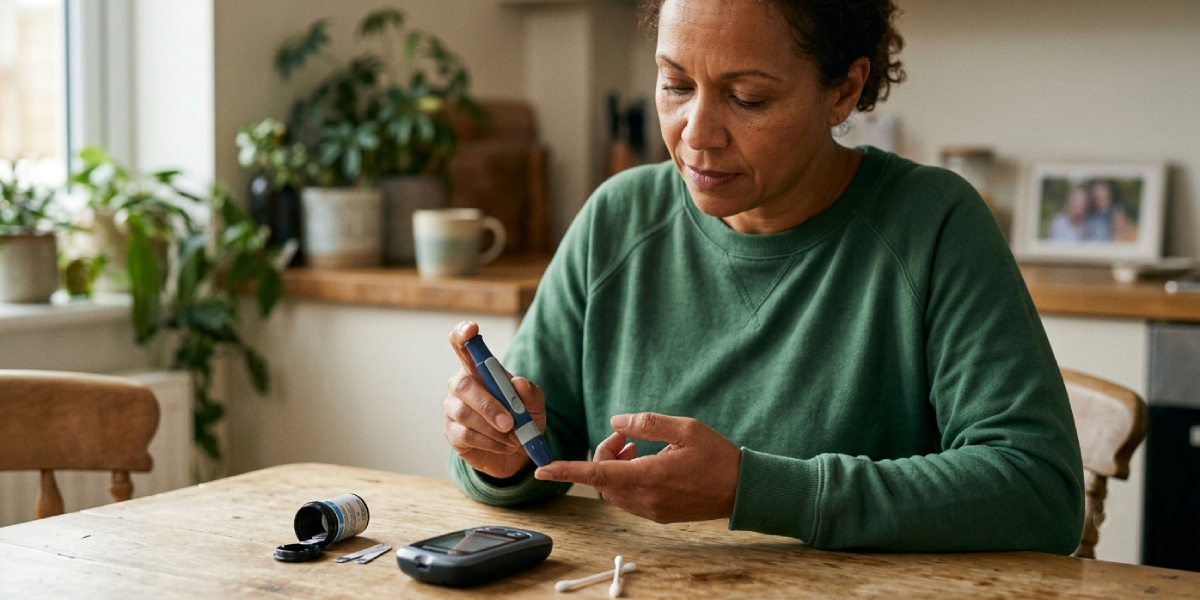
For most people managing blood sugar through lifestyle alone, a basic home glucose meter used a few times a week, alongside tracking weight, waist measurement, and how you feel after meals, provides enough feedback to know what’s working.
Simple At-Home Tracking Habits
- Check fasting glucose first thing in the morning once or twice weekly
- Note how you feel 1-2 hours after larger meals
- Track weight and waist circumference monthly, not daily
- Keep a simple food and activity log during the first few weeks of changes
Comparing Lifestyle Strategies and Their Typical Impact
| Strategy | Primary Mechanism | Typical Timeframe to Notice Change |
|---|---|---|
| Post-meal walking | Increases muscle glucose uptake | Immediate to same-day |
| Fiber-rich meals | Slows carbohydrate absorption | Same meal |
| Strength training | Builds glucose-storing muscle tissue | 4-8 weeks |
| Weight loss (5-7%) | Improves insulin sensitivity | 8-12 weeks |
| Improved sleep | Lowers cortisol-driven glucose release | Days to weeks |
When Lifestyle Alone Isn’t Enough
It’s important to be honest: not everyone can control blood sugar through lifestyle changes alone, particularly those with significant insulin resistance, certain genetic factors, or long-standing type 2 diabetes.
Lifestyle strategies work best as a foundation, and for many people they meaningfully delay or reduce the need for medication, but they aren’t a guaranteed substitute for it. Regular check-ins with a healthcare provider help determine whether your approach is working or whether additional support is needed.
Putting It All Together
Controlling blood sugar without medication is rarely about one dramatic change. It’s the accumulation of consistent habits: eating fiber and protein-forward meals, moving your body daily, sleeping enough, managing stress, staying hydrated, and tracking your progress honestly.
None of these strategies require perfection, and most people see meaningful improvement within a few weeks of consistent effort.
Frequently Asked Questions
Can I lower my blood sugar without medication?
Yes, many people improve or normalize blood sugar through diet changes, regular exercise, weight management, and better sleep, though results vary based on individual health factors and should be monitored with a healthcare provider.
What foods lower blood sugar quickly?
Non-starchy vegetables, legumes, nuts, and foods high in fiber and protein help slow glucose absorption, but no single food dramatically lowers blood sugar within minutes. Consistent meal patterns matter more than any one ingredient.
How much weight loss improves blood sugar control?
Losing approximately 5 to 7 percent of starting body weight is associated with meaningful improvements in insulin sensitivity and overall glucose management, according to current clinical guidance.
Does walking after meals really help blood sugar?
Yes, a short walk after eating helps muscles absorb glucose directly from the bloodstream, which can reduce the typical post-meal spike.
How does sleep affect blood sugar levels?
Poor or insufficient sleep raises cortisol and other stress hormones, which can reduce insulin sensitivity and lead to higher blood sugar readings the following day.
Is strength training better than cardio for blood sugar?
Both are valuable. Cardio helps in the short term by using glucose for fuel, while strength training builds muscle mass that improves long-term glucose storage and insulin sensitivity. A combination works best.
Can stress alone raise blood sugar?
Yes, chronic stress triggers the release of cortisol and adrenaline, which signal the liver to release more glucose, even without any change in diet.
How often should I check my blood sugar without medication?
Most people managing blood sugar through lifestyle alone benefit from checking fasting glucose a few times a week, though frequency should be guided by a healthcare provider based on individual risk factors.
Is it safe to try to manage blood sugar without medication if I’m already diagnosed with diabetes?
Lifestyle changes are valuable for everyone, but anyone already diagnosed with diabetes should work with a healthcare provider before adjusting or stopping medication, since stopping treatment without medical guidance can be dangerous.
How long does it take to see results from lifestyle changes?
Some effects, like post-meal walking, show benefits the same day, while broader improvements from weight loss and strength training typically take 8 to 12 weeks of consistent effort to become measurable.