

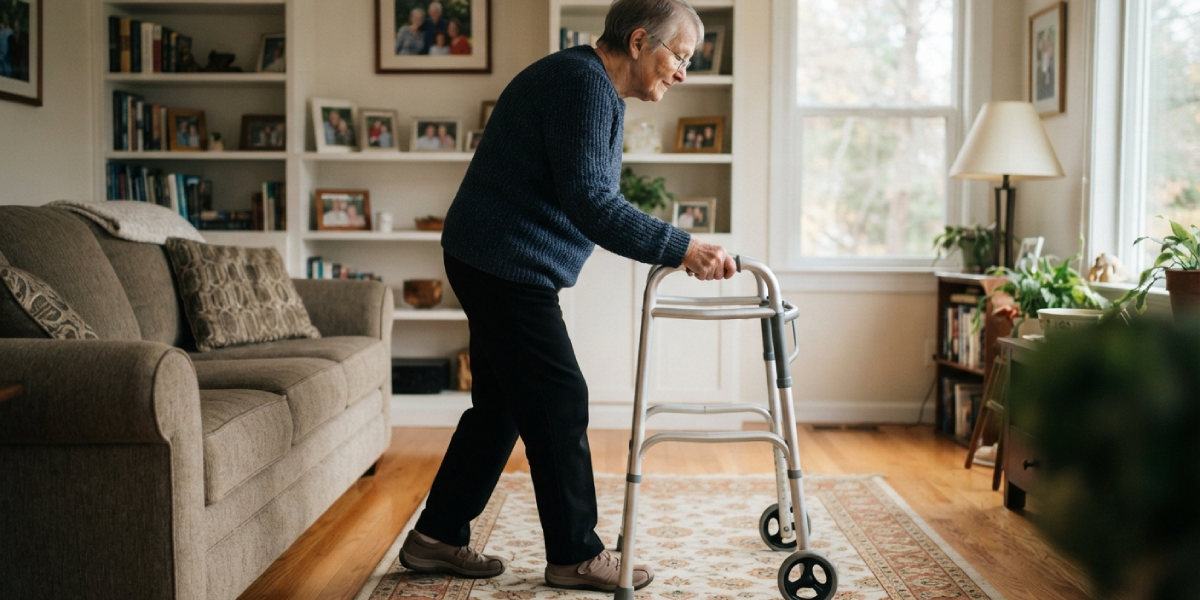
Understanding how to prevent bone loss is one of the most important steps you can take for your long-term health. Osteoporosis silently weakens bones over decades, often showing no symptoms until a fracture occurs. The good news is that bone loss is largely preventable, and the habits you build today can protect your skeleton well into your later years.
What Is Osteoporosis and Why Does It Happen
Osteoporosis is a condition characterized by reduced bone density and deteriorating bone structure, making bones fragile and more prone to fractures. The word itself means “porous bones,” and it describes exactly what happens when the internal honeycomb-like structure of bone becomes riddled with larger holes than normal.
Bones are living tissue. Throughout life, old bone is broken down by cells called osteoclasts and replaced by new bone built by osteoblasts. During childhood and adolescence, new bone is created faster than it is removed, which is why bone mass peaks around age 30.
After that, the process gradually reverses. When bone is lost faster than it is replaced, osteoporosis develops. Several factors accelerate this process. Hormonal changes, particularly the drop in estrogen during menopause, significantly speed up bone loss in women.
Low testosterone levels can have a similar effect in men. Nutritional deficiencies, sedentary behavior, smoking, excessive alcohol consumption, and certain medications including long-term corticosteroid use are also established contributors.
Who Is Most at Risk for Bone Loss
While osteoporosis can affect anyone, certain groups face a higher risk. Women over age 50 are the most commonly affected population, partly because of menopause-related hormonal changes and partly because women typically have smaller, thinner bones than men to begin with. However, men are not immune.
Roughly one in five men over age 50 will experience an osteoporosis-related fracture in their lifetime.
Other risk factors include a family history of osteoporosis, a small and slender body frame, Asian or Caucasian ethnicity, a history of eating disorders, low calcium intake throughout life, vitamin D deficiency, and a sedentary lifestyle.
Certain medical conditions such as rheumatoid arthritis, celiac disease, inflammatory bowel disease, and chronic kidney or liver disease also raise the risk.
Understanding your personal risk profile is the first step. If several of these factors apply to you, speaking with a healthcare provider about a bone density scan can give you a clear baseline and help guide your prevention strategy.
The Role of Calcium in Preventing Bone Loss
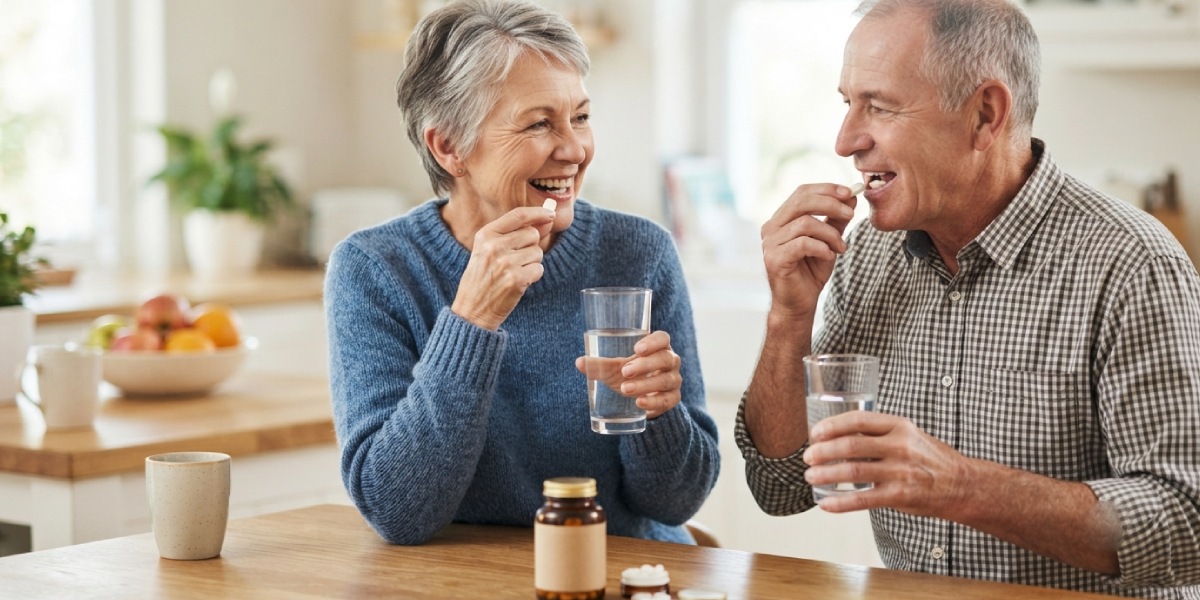
Calcium is the primary mineral that gives bones their strength and hardness. The body cannot produce calcium on its own, so it must come entirely from diet or supplements. When dietary calcium intake is insufficient, the body pulls calcium from bones to maintain normal blood calcium levels, which gradually depletes bone density over time.
The recommended daily intake for adults up to age 50 is 1,000 milligrams per day. For women over 50 and men over 70, that recommendation increases to 1,200 milligrams daily.
Dairy products like milk, yogurt, and cheese are among the most calcium-rich foods, but plenty of non-dairy sources exist including leafy greens such as kale and bok choy, fortified plant-based milks, canned fish with edible bones like sardines and salmon, tofu made with calcium sulfate, and almonds.
If meeting calcium needs through food alone is difficult, calcium supplements can help fill the gap. Calcium citrate is absorbed well even without food, while calcium carbonate is best taken with meals. Spread supplement doses throughout the day rather than taking them all at once, as the body can only absorb about 500 milligrams at a time effectively.
Vitamin D: The Nutrient That Makes Calcium Work

Calcium cannot do its job without adequate vitamin D. This fat-soluble vitamin regulates how much calcium the intestines absorb from food and how much the kidneys retain rather than excrete. Without enough vitamin D, even a calcium-rich diet may leave bones undernourished.
The skin produces vitamin D when exposed to ultraviolet B rays from sunlight, but many people do not get enough sun exposure due to indoor lifestyles, use of sunscreen, or living at northern latitudes. Few foods naturally contain significant amounts of vitamin D.
Fatty fish like salmon and mackerel, egg yolks, and fortified foods such as milk and breakfast cereals are the main dietary sources.
Most adults need between 600 and 800 IU of vitamin D daily, though many healthcare providers recommend higher amounts, particularly for older adults and those with limited sun exposure. A blood test can measure your vitamin D levels and help determine whether supplementation is warranted.
Exercise: The Most Powerful Tool Against Bone Loss
Physical activity is one of the most effective strategies for both building and maintaining bone density. Bones respond to mechanical stress by becoming denser and stronger, a principle known as Wolff’s Law. The key is choosing the right types of movement.
Weight-bearing exercises are those performed on your feet against gravity. Walking, jogging, hiking, dancing, stair climbing, and tennis all qualify. These activities stimulate bone formation in the hips, spine, and legs, which are the sites most commonly affected by osteoporotic fractures.
Resistance training, also called strength training or weightlifting, is particularly effective because it places direct stress on bones through muscle contractions and the load of weights. Exercises such as squats, lunges, deadlifts, and rows target the major bone sites and stimulate bone-building activity. Exploring a structured exercise routine tailored to bone health can make a meaningful difference in how effectively you protect your skeleton over time.
Balance and flexibility exercises like yoga and tai chi do not build bone directly, but they reduce fracture risk by improving coordination and reducing the likelihood of falls. For older adults, fall prevention is every bit as important as bone density itself.
Aim for at least 30 minutes of weight-bearing activity most days of the week, combined with two or more sessions of resistance training per week. Consistency over time matters far more than intensity in any single session.
Lifestyle Habits That Protect Bone Health
Beyond nutrition and exercise, several lifestyle habits either support or undermine bone health. Being mindful of these factors gives you more control over your long-term bone density.
- Quit smoking: Smoking reduces the absorption of calcium, decreases estrogen levels, and impairs the blood supply to bones. Smokers lose bone density faster than non-smokers and have a significantly higher fracture risk.
- Limit alcohol: Drinking more than two alcoholic beverages per day interferes with calcium absorption and impairs bone-building cell activity. Moderate intake is associated with less bone loss than heavy drinking or abstinence in some studies, but excessive alcohol is clearly harmful.
- Maintain a healthy body weight: Being underweight is a risk factor for osteoporosis because low body mass reduces the mechanical load on bones and is often associated with nutritional deficiencies. Using a BMI calculator can help you determine whether your current weight falls within a healthy range for your height.
- Review your medications: Long-term use of corticosteroids, proton pump inhibitors, some anticonvulsants, and certain cancer treatments can reduce bone density. Talk to your doctor about ways to manage your conditions while protecting bone health.
- Get adequate sleep: Bone remodeling is influenced by growth hormone, much of which is released during deep sleep. Chronic poor sleep has been linked to lower bone mineral density in several studies.
Nutrition Beyond Calcium and Vitamin D
While calcium and vitamin D receive the most attention, bone health depends on a broader spectrum of nutrients. A health-focused diet rich in whole foods provides many of these in naturally occurring combinations that support bone metabolism.
Magnesium is involved in converting vitamin D into its active form and plays a role in bone crystal structure. Nuts, seeds, whole grains, and dark leafy greens are excellent sources. Vitamin K2 helps direct calcium into bones rather than soft tissues and arteries. It is found in fermented foods, certain cheeses, and egg yolks.
Protein makes up roughly one-third of bone mass and is essential for maintaining the collagen matrix that holds minerals in place. Adequate protein intake, particularly in older adults, supports bone density and reduces fracture healing time.
Phosphorus works alongside calcium in bone mineralization, though most people get more than enough from their diet. Potassium helps neutralize acids in the body that would otherwise leach calcium from bones. Boron, zinc, and manganese also play supportive roles in bone metabolism.
Medical Screening and Treatment Options
A dual-energy X-ray absorptiometry scan, commonly called a DEXA scan, is the gold standard test for measuring bone mineral density. It is painless, quick, and exposes the body to minimal radiation. Results are reported as T-scores, which compare your bone density to that of a healthy young adult.
Women aged 65 and older and men aged 70 and older are generally recommended to have a baseline DEXA scan. Younger postmenopausal women and men aged 50 to 69 with additional risk factors should also consider screening.
If bone density is already low, several prescription medications are available. Bisphosphonates such as alendronate and risedronate are the most commonly prescribed and work by slowing bone breakdown. Other options include denosumab, raloxifene, teriparatide, and romosozumab, each with different mechanisms and suitability profiles. A healthcare provider can help determine which approach is most appropriate based on individual circumstances.
Frequently Asked Questions
At what age should I start worrying about bone loss?
Bone loss can begin as early as your mid-30s after peak bone mass is reached around age 30. Building strong bones in childhood and young adulthood is the best long-term protection, but it is never too late to take steps that slow further loss at any age.
Can you reverse osteoporosis naturally?
Mild bone loss, or osteopenia, can sometimes be improved through consistent lifestyle changes including weight-bearing exercise, adequate calcium and vitamin D intake, and eliminating habits like smoking and heavy drinking. Established osteoporosis is more difficult to reverse without medication, though lifestyle strategies remain essential alongside any medical treatment.
Is dairy the only good source of calcium for bones?
Dairy is a convenient and well-absorbed source of calcium, but it is not the only option. Fortified plant milks, canned sardines and salmon with bones, tofu made with calcium sulfate, kale, bok choy, broccoli, almonds, and white beans are all meaningful sources of calcium for people who do not consume dairy.
How much exercise do I need to protect my bones?
Most guidelines recommend at least 30 minutes of weight-bearing activity on most days of the week, along with two or more sessions of resistance training per week. Balance exercises are also valuable, especially for older adults, to reduce fall risk.
Does walking help prevent osteoporosis?
Yes, walking is a weight-bearing exercise that stimulates bone formation, particularly in the hips and spine. While it is beneficial, combining walking with resistance training provides more comprehensive bone protection than walking alone.
Can men get osteoporosis too?
Absolutely. While osteoporosis is more common in women, roughly one in five men over age 50 will experience an osteoporosis-related fracture. Men tend to be diagnosed later because screening guidelines have historically focused on women, which can lead to undertreatment.
Do calcium supplements have any risks?
Calcium supplements are generally safe when taken as directed, but very high doses above 2,500 milligrams per day over time may increase the risk of kidney stones in susceptible individuals and could potentially affect cardiovascular health. Getting as much calcium as possible from food is preferable, with supplements filling any remaining gap.
What foods should I avoid for bone health?
Excessive sodium intake can increase calcium excretion through the kidneys, so limiting highly processed and salty foods is advisable. Very high caffeine intake may also interfere slightly with calcium absorption. Alcohol beyond moderate amounts and soft drinks high in phosphoric acid have also been associated with lower bone density.
How does menopause affect bone density?
Estrogen plays a key role in slowing bone resorption. When estrogen levels drop sharply during menopause, bone breakdown accelerates significantly. Women can lose up to 20 percent of their bone density in the five to seven years following menopause, making this a critical window for prevention efforts.
When should I get a bone density test?
Women aged 65 and older and men aged 70 and older should have a baseline DEXA scan. Younger postmenopausal women and men aged 50 to 69 with risk factors such as low body weight, prior fractures, family history of osteoporosis, or long-term corticosteroid use should also discuss screening with their doctor.