

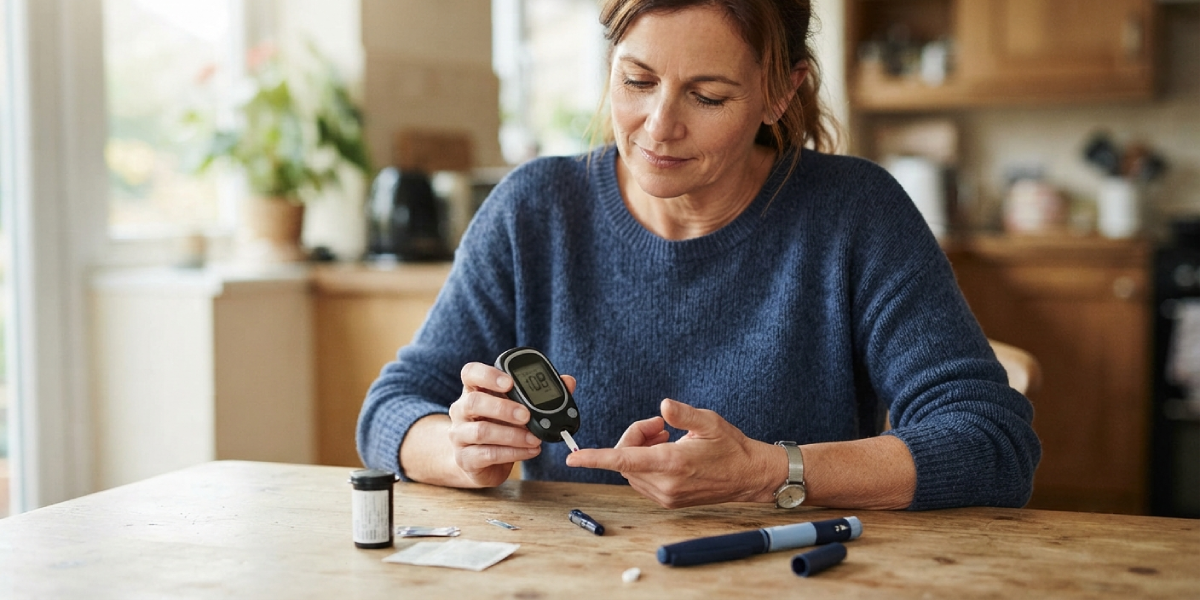
Learning how to manage your blood sugar is one of the most important steps you can take after a diabetes diagnosis. Whether you have type 1, type 2, or prediabetes, keeping your glucose levels within a healthy range reduces your risk of complications and helps you feel your best every day.
This guide covers practical, evidence-based strategies that work in real life, not just in clinical settings.
Understanding Blood Sugar and Why It Matters
Blood sugar, or blood glucose, is the main source of energy for your body’s cells. When you eat carbohydrates, your digestive system breaks them down into glucose, which enters your bloodstream. The pancreas then releases insulin, a hormone that helps your cells absorb that glucose for fuel.
In people with diabetes, this process is disrupted. Either the pancreas does not produce enough insulin, or the body does not respond to it properly. The result is elevated blood glucose levels that, over time, can damage blood vessels, nerves, and organs.
This is why blood sugar management is not just about numbers on a meter. It is about protecting your heart, kidneys, eyes, and overall quality of life.
The American Diabetes Association recommends that most adults with diabetes aim for a fasting blood sugar between 80 and 130 mg/dL and a reading below 180 mg/dL two hours after meals. Your healthcare provider may set slightly different targets based on your individual health profile.
Eating for Better Blood Sugar Control

Food is one of the most powerful tools you have for managing diabetes. What you eat, how much you eat, and when you eat all influence your glucose levels significantly.
Choose Low-Glycemic Carbohydrates
Not all carbohydrates affect blood sugar the same way. High-glycemic foods like white bread, sugary drinks, and refined snacks cause rapid spikes in glucose. Low-glycemic alternatives such as oats, legumes, sweet potatoes, and non-starchy vegetables release glucose more gradually, supporting steadier blood sugar levels throughout the day.
Balance Your Plate
A practical approach used by many diabetes educators is the plate method. Fill half your plate with non-starchy vegetables like broccoli, spinach, or zucchini. Reserve one quarter for lean protein such as chicken, fish, tofu, or eggs. Use the remaining quarter for quality carbohydrates like brown rice, quinoa, or whole grain bread.
This simple structure supports balanced glucose without requiring you to count every calorie.
Watch Portion Sizes and Meal Timing
Eating large meals in one sitting puts a heavy glucose load on your system at once. Spreading your intake across three balanced meals, and possibly one or two small snacks, helps prevent dramatic highs and lows. Skipping meals, particularly breakfast, is associated with higher fasting glucose levels and poorer overall control in people with type 2 diabetes.
Limit Added Sugars and Sugary Drinks
Sugary beverages including soda, fruit juice, sweetened coffee drinks, and sports drinks are among the fastest ways to spike blood sugar. They provide large amounts of glucose with little nutritional benefit. Water, unsweetened herbal teas, and sparkling water are far better choices.
When you want something sweet, opting for whole fruit in moderate portions gives you fiber alongside natural sugars, which slows glucose absorption.
The Role of Physical Activity in Blood Sugar Management
Regular movement is one of the most effective non-medication strategies for improving blood sugar control. When your muscles are active, they absorb glucose from the bloodstream without needing insulin, which directly lowers blood sugar levels. Over time, consistent exercise also improves insulin sensitivity, meaning your body uses insulin more efficiently.
Both aerobic exercise and resistance training offer meaningful benefits for people with diabetes. Aerobic activities such as brisk walking, swimming, cycling, and dancing lower glucose levels during and after activity. Strength training builds muscle mass, which increases your body’s capacity to store and use glucose even at rest.
To explore structured movement options tailored to your fitness level, browsing exercise guides for health and fitness can help you find routines that work for your lifestyle and physical condition.
The general recommendation for adults with diabetes is at least 150 minutes of moderate-intensity aerobic activity per week, spread across most days. Resistance training is advised at least two to three times per week. Even short walks of 10 to 15 minutes after meals have been shown to reduce post-meal glucose spikes.
Medication and Monitoring

Taking Your Medication as Prescribed
For many people with diabetes, lifestyle changes alone are not enough to achieve target blood sugar levels. Medications play a critical role and should never be skipped or adjusted without medical guidance. Common medications include metformin, sulfonylureas, SGLT2 inhibitors, GLP-1 receptor agonists, and insulin.
Each works through a different mechanism and is chosen based on your type of diabetes, kidney function, cardiovascular health, and other individual factors.
Regular Blood Sugar Monitoring
Checking your blood sugar regularly gives you real-time feedback on how your food, activity, stress, and medication are affecting your glucose. Self-monitoring with a glucometer or using a continuous glucose monitor, or CGM, allows you to spot patterns and make adjustments before problems escalate.
Log your readings along with what you ate, how much you moved, and how you felt. Over time, these records help you and your healthcare team fine-tune your management plan.
Knowing Your A1C
The hemoglobin A1C test measures your average blood sugar over the previous two to three months. Most people with diabetes are advised to keep their A1C below 7 percent, though this target may vary. Getting this test at least twice a year, or quarterly if your control is not stable, gives you a broader picture of your progress beyond daily readings.
Stress, Sleep, and Blood Sugar
Managing diabetes goes beyond food and exercise. Stress hormones such as cortisol and adrenaline raise blood sugar levels by signaling the liver to release stored glucose. Chronic stress therefore makes blood sugar harder to control.
Effective stress management strategies include deep breathing exercises, meditation, yoga, time in nature, and maintaining strong social connections.
Sleep quality is equally important. Poor or insufficient sleep impairs insulin sensitivity and increases appetite for high-carbohydrate foods the following day. Adults generally need seven to nine hours of quality sleep per night.
If you struggle with sleep, addressing potential causes such as sleep apnea, which is more common in people with type 2 diabetes, can have a meaningful impact on your glucose control.
Understanding Hypoglycemia and Hyperglycemia
Low Blood Sugar (Hypoglycemia)
Hypoglycemia occurs when blood sugar drops below 70 mg/dL. Symptoms include shakiness, sweating, confusion, rapid heartbeat, and dizziness. It is most common in people using insulin or certain oral medications.
The standard treatment is the 15-15 rule: consume 15 grams of fast-acting carbohydrates, such as four glucose tablets, half a cup of juice, or regular soda, then recheck after 15 minutes. If still low, repeat the process. Always follow up with a small meal or snack once levels stabilize.
High Blood Sugar (Hyperglycemia)
Hyperglycemia develops when blood sugar rises too high, often due to overeating, missed medication, illness, or inactivity. Symptoms include increased thirst, frequent urination, blurred vision, and fatigue. Mild to moderate high readings can sometimes be corrected with gentle physical activity and hydration, but persistent or severely elevated levels require prompt medical attention, particularly if accompanied by vomiting or difficulty breathing.
Keeping Track of Your Overall Health
Diabetes management is a team effort that involves more than blood sugar readings. Regular medical visits should include blood pressure checks, cholesterol testing, kidney function panels, eye exams, and foot inspections. Maintaining a healthy weight is also a significant factor.
Even a modest weight loss of five to ten percent of body weight in people with type 2 diabetes can produce meaningful improvements in insulin sensitivity and blood sugar control.
To get a clearer picture of how your weight relates to your health, using a reliable BMI calculator can help you and your provider assess your current status and set realistic goals. Body mass index is one of several tools used alongside waist circumference, muscle mass, and overall metabolic health when evaluating risk and treatment priorities.
Staying informed and connected to your healthcare team makes a real difference. Diabetes education programs, registered dietitians, and certified diabetes care and education specialists can provide personalized guidance that general resources cannot replicate.
For broader wellness information including nutrition tips and lifestyle strategies, exploring content in the health and wellness resource center can complement what you learn from your medical team.
Frequently Asked Questions
What is a normal blood sugar level for someone with diabetes?
Most diabetes guidelines recommend a fasting blood sugar between 80 and 130 mg/dL and a reading below 180 mg/dL two hours after starting a meal. Your individual target may differ based on age, medications, and other health conditions, so always confirm your personal range with your healthcare provider.
How does exercise help manage blood sugar?
Physical activity causes muscles to absorb glucose from the bloodstream without requiring insulin. This directly lowers blood sugar during and after exercise. Over time, regular movement also improves insulin sensitivity, making your body more efficient at processing glucose throughout the day.
Which foods are best for keeping blood sugar stable?
Foods that are high in fiber, low in refined carbohydrates, and rich in protein and healthy fats tend to support stable glucose levels. These include non-starchy vegetables, legumes, whole grains, lean proteins, nuts, seeds, and healthy oils such as olive oil. Processed foods, sugary drinks, and white flour products are best minimized.
Can stress raise blood sugar levels?
Yes. Stress hormones such as cortisol and epinephrine trigger the liver to release stored glucose, raising blood sugar even when you have not eaten. Managing stress through regular relaxation practices, adequate sleep, and social support is an important part of diabetes care.
How often should I check my blood sugar?
The frequency depends on your type of diabetes, your medications, and how well your levels are controlled. People using insulin may need to check multiple times daily. Those managing with diet and oral medications may check less frequently. Your healthcare provider will recommend a monitoring schedule tailored to your situation.
What is the A1C test and why does it matter?
The A1C test measures your average blood sugar over the past two to three months by assessing the percentage of hemoglobin with glucose attached. It provides a broader picture of your control than daily readings. Most guidelines recommend keeping A1C below 7 percent, though individual targets vary. It is typically tested two to four times per year.
What should I do if my blood sugar is too low?
If your blood sugar drops below 70 mg/dL and you have symptoms, use the 15-15 rule: take 15 grams of fast-acting carbohydrates, wait 15 minutes, then recheck. Suitable options include glucose tablets, half a cup of fruit juice, or a small amount of regular soda. Once levels normalize, eat a small snack and notify your care team if low readings become frequent.
Is type 2 diabetes reversible through lifestyle changes?
Some people with type 2 diabetes achieve remission, meaning blood sugar returns to normal ranges without medication, through significant weight loss, a calorie-controlled diet, and regular physical activity. This is more likely when diabetes is caught early. Remission does not mean the underlying condition disappears permanently, so ongoing healthy habits and regular monitoring remain essential.