
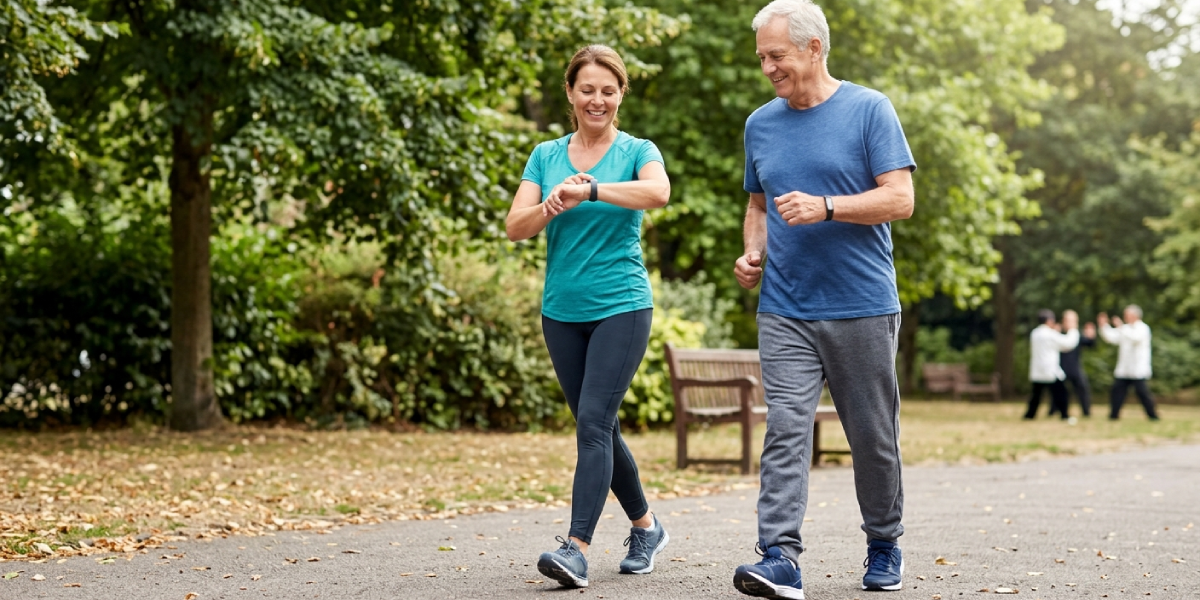
Understanding how exercise helps lower high blood pressure is one of the most empowering steps you can take toward better heart health. High blood pressure, or hypertension, affects nearly half of all adults in the United States, yet millions remain unaware they have it.
The encouraging reality is that consistent physical activity is one of the most effective, medication-free tools available for managing and reducing elevated blood pressure levels.
This guide breaks down the science, the practical strategies, and the real-world habits that can help you take control of your cardiovascular health starting today.
Understanding High Blood Pressure and Why It Matters
Blood pressure is the force your blood exerts against artery walls as your heart pumps. It is measured in two numbers: systolic pressure (the top number, representing the force during heartbeats) and diastolic pressure (the bottom number, representing the force between beats).
A reading of 120/80 mmHg is considered normal, while anything consistently at or above 130/80 mmHg is classified as high blood pressure by the American Heart Association.
Left unmanaged, hypertension silently damages blood vessels and organs over time. It significantly increases the risk of heart attack, stroke, kidney disease, and vision loss. The danger lies in its subtlety — most people feel no symptoms until serious complications arise, which is why it is often called the silent killer.
The good news is that lifestyle modifications, especially regular physical activity, can produce meaningful reductions in blood pressure, sometimes rivaling the effects of medication in people with Stage 1 hypertension.
The Science Behind How Exercise Lowers Blood Pressure
When you exercise, your heart beats faster and pumps more blood. Over time, regular aerobic activity makes the heart stronger and more efficient. A stronger heart requires less effort to pump blood, which means less force on artery walls — and that translates directly to lower blood pressure readings.
Exercise also improves the flexibility of blood vessels. Physical activity encourages the production of nitric oxide, a molecule that helps blood vessel walls relax and widen. This vasodilation reduces resistance in the arteries, allowing blood to flow more freely and with less pressure.
In addition, regular movement helps regulate the nervous system. Hypertension is often linked to overactivity of the sympathetic nervous system, which is responsible for the body’s stress response.
Exercise naturally counters this by activating the parasympathetic nervous system, promoting relaxation and reducing stress hormones like adrenaline and cortisol — both of which spike blood pressure when elevated chronically.
Finally, exercise supports healthy weight management. Excess body weight, especially around the abdomen, is one of the strongest risk factors for hypertension. Losing even five to ten pounds can produce a measurable drop in blood pressure for many individuals.
Best Types of Exercise for Lowering Blood Pressure
Not all exercise works the same way when it comes to blood pressure management. A well-rounded approach combines aerobic exercise with strength training and flexibility work. Here is what the evidence supports:
Aerobic Exercise
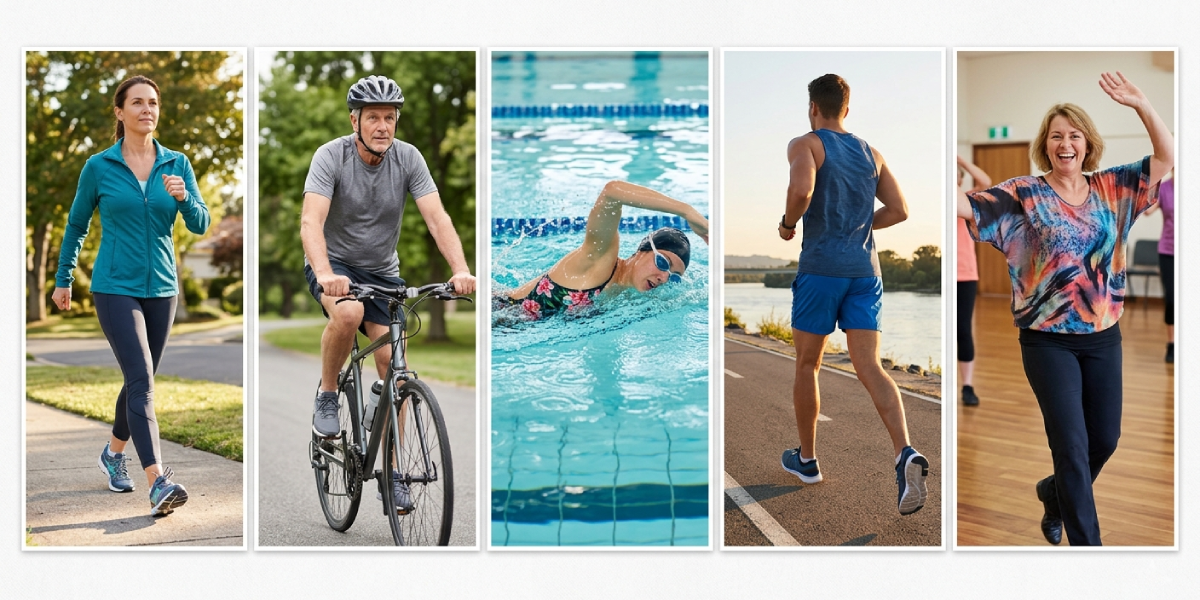
Aerobic activity, also known as cardio, is the most well-researched form of exercise for blood pressure reduction. Studies have shown it can lower systolic blood pressure by 5 to 8 mmHg in people with hypertension. Effective aerobic exercises include:
- Brisk walking: One of the most accessible and effective options, especially for beginners or those with joint concerns.
- Cycling: Low impact and easy to adjust for intensity, whether outdoors or on a stationary bike.
- Swimming: Excellent for full-body cardiovascular conditioning with minimal stress on the joints.
- Jogging or running: Higher intensity options for those who are already active and cleared by their doctor.
- Dancing: An enjoyable way to get your heart rate up, combining movement with mood-boosting benefits.
The American College of Cardiology recommends at least 150 minutes of moderate-intensity aerobic activity per week for adults with elevated blood pressure. This breaks down to about 30 minutes on five days per week — an entirely achievable goal for most people.
If you are just getting started, exploring a structured exercise program tailored to your fitness level can make it much easier to build sustainable habits without overwhelming your body.
Resistance and Strength Training
Strength training was once considered risky for people with high blood pressure due to temporary spikes during exertion. However, current research strongly supports its inclusion in a blood pressure management plan when done correctly.
Dynamic resistance training — using weights, resistance bands, or bodyweight exercises — has been shown to reduce resting blood pressure by 2 to 4 mmHg on average.
Key principles for safe and effective resistance training with hypertension:
- Avoid holding your breath during exertion. Exhale during the effort phase of each repetition.
- Use moderate weights with higher repetitions rather than maximal loads.
- Allow adequate rest between sets to let blood pressure normalize.
- Start with two to three sessions per week, targeting all major muscle groups.
Isometric Exercises
Isometric exercises involve contracting muscles without movement, such as wall sits or handgrip exercises. Emerging research has highlighted isometric training as surprisingly effective for blood pressure reduction, with some studies showing systolic reductions of up to 10 mmHg from regular handgrip training.
While this is not a replacement for aerobic activity, it can be a valuable complement.
Yoga and Mind-Body Practices

Yoga combines physical movement with breathing techniques and mindfulness, addressing both the physical and psychological drivers of hypertension. Research published in peer-reviewed cardiovascular journals has shown that regular yoga practice can reduce systolic blood pressure by 5 mmHg or more.
The stress-reduction aspect is particularly valuable given the strong link between chronic stress and high blood pressure.
How Much Exercise Do You Actually Need?
The relationship between exercise dose and blood pressure response follows a curve — more is generally better, up to a point, after which additional intensity or duration offers diminishing returns and potential risks. For most adults with hypertension, the following framework is evidence-based and practical:
| Exercise Type | Recommended Frequency | Duration per Session | Estimated BP Reduction |
|---|---|---|---|
| Aerobic (moderate) | 5 days per week | 30 minutes | 5–8 mmHg systolic |
| Resistance Training | 2–3 days per week | 45–60 minutes | 2–4 mmHg systolic |
| Yoga or Stretching | 2–3 days per week | 30–45 minutes | 3–5 mmHg systolic |
| Isometric Training | 3 days per week | 10–15 minutes | Up to 10 mmHg systolic |
Even small amounts of daily movement matter. A 10-minute walk three times a day produces similar cardiovascular benefits to a single 30-minute session, making it far easier for busy individuals to accumulate the recommended activity levels.
Important Safety Considerations Before You Start
If you have been diagnosed with high blood pressure — especially Stage 2 hypertension (readings consistently at or above 140/90 mmHg) — it is critical to consult your healthcare provider before beginning a new exercise program. Your doctor may want to rule out any underlying conditions, review your current medications (some affect heart rate during exercise), and provide personalized guidelines.
Know the warning signs that should prompt you to stop exercising immediately and seek medical attention: chest pain or pressure, severe shortness of breath, dizziness or lightheadedness, heart palpitations, or sudden severe headache. These symptoms during exercise warrant immediate evaluation.
Warming up and cooling down are non-negotiable when exercising with hypertension. Sudden transitions between rest and vigorous activity cause sharp fluctuations in blood pressure. Spend five to ten minutes warming up with light movement and stretching, and do the same when finishing.
Exercise and Its Role Within a Broader Heart-Healthy Lifestyle
Exercise is most powerful when it works alongside other heart-healthy habits. Physical activity alone is highly effective, but combining it with dietary changes, stress management, and regular health monitoring produces the greatest and most lasting results.
The DASH diet (Dietary Approaches to Stop Hypertension) is the most well-studied nutritional plan for blood pressure management. It emphasizes vegetables, fruits, whole grains, lean proteins, and low-fat dairy while reducing sodium, saturated fats, and added sugars.
When paired with regular aerobic exercise, the DASH diet can lower systolic blood pressure by 10 to 14 mmHg in some individuals — results that rival single-drug therapy.
Monitoring your blood pressure at home between doctor visits provides valuable feedback on how your lifestyle changes are working. Understanding your numbers in context — including your body mass index and overall weight trends — helps you and your healthcare provider make informed decisions about your treatment plan.
Reducing alcohol intake, quitting smoking, managing stress through mindfulness or therapy, and prioritizing seven to nine hours of quality sleep per night all contribute to a comprehensive approach to lowering blood pressure naturally.
Building a Sustainable Exercise Routine for Long-Term Blood Pressure Control
The single biggest predictor of whether exercise will lower your blood pressure is consistency. A six-week burst of intense training followed by months of inactivity will not produce lasting cardiovascular benefits. The goal is to make movement a permanent, enjoyable part of your daily life.
Start where you are, not where you think you should be. If you have been sedentary for years, a daily 15-minute walk is a meaningful and entirely appropriate starting point. Gradually increase duration and intensity as your fitness improves.
Tracking your progress, whether through a journal, a fitness app, or a wearable device, helps maintain motivation and gives you tangible evidence that your efforts are working.
Finding activities you genuinely enjoy makes the difference between exercise feeling like a chore and something you look forward to. Whether that is swimming, hiking, group fitness classes, or working in your garden — movement that brings you pleasure is movement you will sustain.
Connecting with health and wellness resources that align with your personal goals can also provide ongoing guidance, inspiration, and accountability.
Consider exercising with a friend or joining a community class. Social accountability significantly increases adherence to exercise programs. When someone is counting on you to show up, skipping becomes harder to justify.
What to Expect: Timeline for Blood Pressure Improvement
One of the most encouraging facts about exercise and blood pressure is how quickly the body responds. Research shows that blood pressure begins to drop after a single aerobic workout, a phenomenon known as post-exercise hypotension. These acute reductions can last for up to 24 hours after moderate exercise.
With consistent training over four to twelve weeks, most people with hypertension experience meaningful and sustained reductions in resting blood pressure. The magnitude of improvement depends on factors including baseline blood pressure levels, exercise intensity and frequency, body weight changes, and adherence to complementary lifestyle habits.
Some individuals with mild or moderate hypertension who commit to a comprehensive exercise and lifestyle program are able to reduce or eliminate their need for blood pressure medication under medical supervision.
This outcome is not guaranteed for everyone, but it is a realistic goal for many — and a compelling reason to make physical activity a lifelong priority.
Frequently Asked Questions
How quickly can exercise lower blood pressure?
Blood pressure can drop temporarily after a single aerobic workout, sometimes within hours. With consistent exercise over four to twelve weeks, most people with hypertension see measurable and lasting reductions in their resting blood pressure readings.
What is the best exercise to lower blood pressure fast?
Moderate-intensity aerobic exercises such as brisk walking, cycling, and swimming are consistently shown to produce the most significant reductions in blood pressure. Isometric exercises like handgrip training have also demonstrated impressive results in recent studies. A combination of aerobic and resistance training is recommended for the best overall outcomes.
How many minutes of exercise per day is recommended for hypertension?
Most cardiovascular health guidelines recommend at least 30 minutes of moderate-intensity aerobic activity on five or more days per week. This can be accumulated in shorter bouts, such as three 10-minute walks, and still deliver similar cardiovascular benefits.
Is it safe to exercise if my blood pressure is very high?
If your blood pressure is severely elevated — consistently above 180/120 mmHg — you should consult your doctor before engaging in vigorous exercise. At that level, medical management is the first priority. For most people with Stage 1 or Stage 2 hypertension, moderate exercise is safe and beneficial with appropriate precautions and medical clearance.
Can walking alone lower blood pressure?
Yes. Walking is one of the most evidence-supported activities for blood pressure management. Studies have shown that regular brisk walking significantly reduces both systolic and diastolic blood pressure, improves arterial flexibility, and supports healthy weight management — all of which contribute to lower blood pressure over time.
Does strength training raise or lower blood pressure?
Blood pressure spikes temporarily during resistance exercise, which is normal. However, over time, a well-structured strength training program lowers resting blood pressure by improving cardiovascular efficiency and supporting weight management. The key is to use proper breathing technique, avoid maximal loads, and allow adequate recovery between sets.
Can exercise replace blood pressure medication?
For some individuals with mild to moderate hypertension, consistent exercise combined with a heart-healthy diet and other lifestyle changes can reduce or eliminate the need for medication, under close medical supervision. Exercise is a powerful tool, but it should not replace prescribed medication without the guidance and approval of a healthcare provider.
What time of day is best to exercise for blood pressure control?
Research suggests that morning exercise may be particularly effective for blood pressure management, as blood pressure naturally peaks in the early morning hours. However, the most important factor is consistency — exercising at whatever time you can sustain as a daily habit will produce better results than an optimal time you rarely follow through on.
Does yoga help lower blood pressure?
Yes. Yoga has been shown in multiple studies to produce meaningful reductions in blood pressure, particularly through its combined effects on physical activity, controlled breathing, and stress reduction. It is an especially valuable tool for people whose hypertension is significantly driven by chronic stress and anxiety.
How does weight loss from exercise affect blood pressure?
Weight loss is one of the most powerful modifiers of blood pressure. Research consistently shows that losing five to ten percent of body weight can reduce systolic blood pressure by five to twenty mmHg, depending on individual factors. Exercise that supports calorie burning and metabolic health therefore has a compounding effect on blood pressure beyond the direct cardiovascular benefits.