
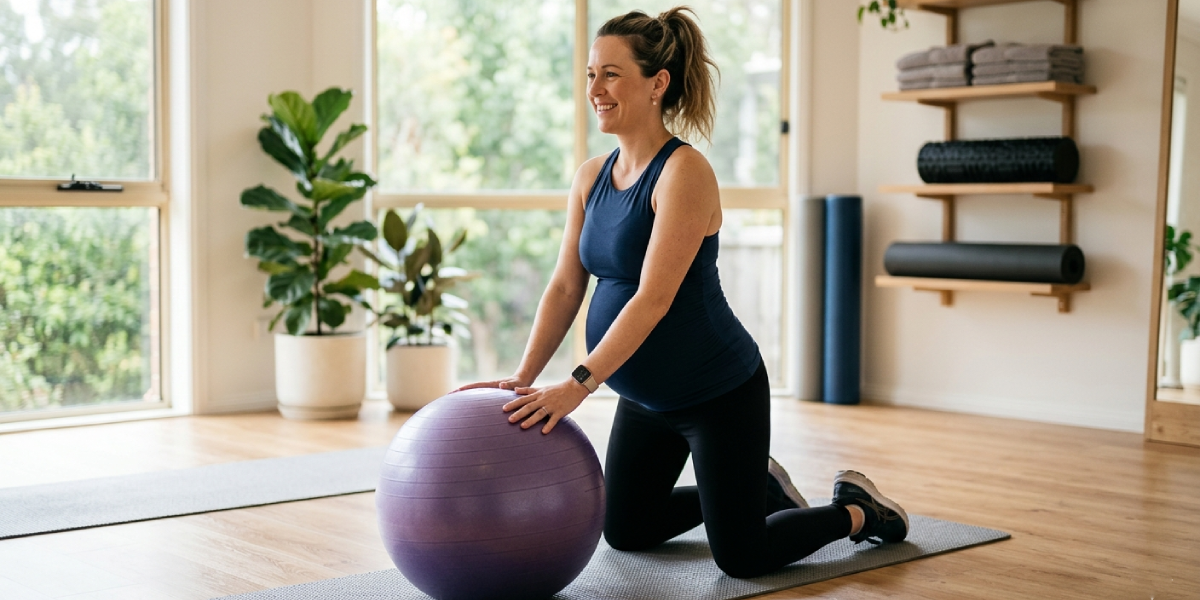
Exercise during pregnancy is one of the most powerful, research-backed choices you can make for both your health and your growing baby’s development. Yet many expectant mothers still hesitate, unsure of what is safe, what is effective, and what their bodies truly need during this remarkable season of life.
The good news is that for most healthy pregnancies, staying active is not only allowed, it is strongly encouraged by leading health organizations around the world.
This guide walks you through the real benefits of prenatal exercise, which types of movement are safest across each trimester, what warning signs to watch for, and how to build a sustainable routine that supports your body from conception through delivery and beyond.
Why Exercise During Pregnancy Is Recommended by Health Experts
The American College of Obstetricians and Gynecologists recommends that pregnant women with uncomplicated pregnancies engage in at least 150 minutes of moderate-intensity aerobic activity per week. This is not a vague suggestion, it is a clinical guideline backed by decades of evidence showing that physical activity during pregnancy reduces the risk of several serious complications.
Regular movement during pregnancy has been associated with lower rates of gestational diabetes, preeclampsia, excessive gestational weight gain, and cesarean delivery. Beyond the clinical outcomes, active mothers consistently report better mood, more restful sleep, and a stronger sense of control over their changing bodies.
Exercise is also one of the most effective natural tools for managing the discomforts that come with pregnancy. Back pain, swelling, constipation, and fatigue, all common complaints, respond well to consistent, gentle movement. Understanding this connection between physical activity and overall health during pregnancy helps expectant mothers approach fitness as genuine self-care rather than a burden.
Benefits of Exercise During Pregnancy for the Mother
Reduced Risk of Gestational Diabetes
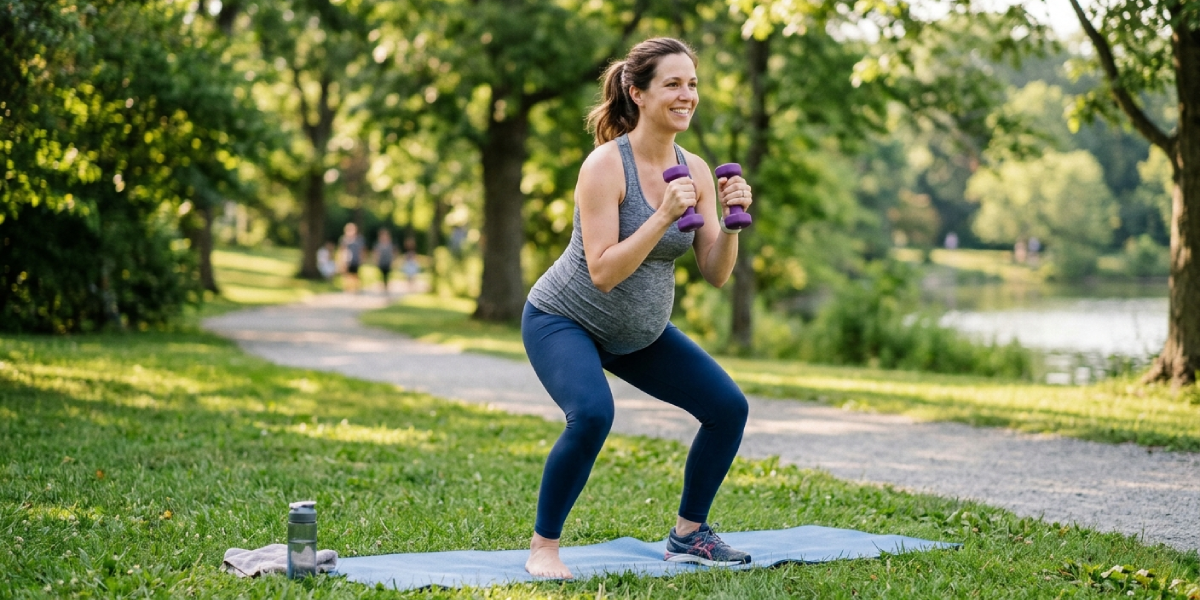
Gestational diabetes develops when the body cannot produce enough insulin to manage blood sugar during pregnancy. Regular aerobic exercise and strength training improve insulin sensitivity, significantly lowering the risk. For women already diagnosed with gestational diabetes, physician-supervised exercise is a core part of the management plan.
Improved Cardiovascular Health
Pregnancy places extraordinary demands on the cardiovascular system. Blood volume increases by nearly 50 percent, and the heart works harder to supply both mother and baby. Regular moderate exercise helps the heart adapt efficiently to these changes, reducing the risk of hypertension and improving circulation throughout the body.
Better Weight Management
Healthy weight gain during pregnancy is essential, but excessive gain increases the risk of complications including high blood pressure, difficult labor, and postpartum weight retention. Exercise helps regulate caloric balance without restricting nutrients the baby needs.
Monitoring your BMI and weight changes throughout pregnancy can help you and your provider track progress and adjust your plan as needed.
Relief from Common Pregnancy Discomforts
Lower back pain affects up to 70 percent of pregnant women. Targeted core and pelvic floor exercises strengthen the muscles that support the spine and pelvis, providing real, lasting relief. Swimming, prenatal yoga, and walking also reduce leg cramps, improve digestion, and ease the fluid retention that causes uncomfortable swelling in the hands and feet.
Enhanced Mental Health and Emotional Wellbeing
Pregnancy hormones can significantly affect mood. Exercise triggers the release of endorphins, serotonin, and dopamine, the brain’s natural mood stabilizers. Studies have found that active pregnant women have lower rates of prenatal anxiety and depression, conditions that affect a meaningful percentage of expectant mothers and deserve as much attention as physical health.
Faster Labor and Postpartum Recovery
Fit muscles are more efficient muscles. Women who exercise regularly throughout pregnancy tend to experience shorter active labor phases and lower rates of delivery complications. Postpartum recovery is also faster, with greater ease returning to daily activity, better pelvic floor function, and reduced risk of postpartum depression.
Benefits of Prenatal Exercise for Your Baby
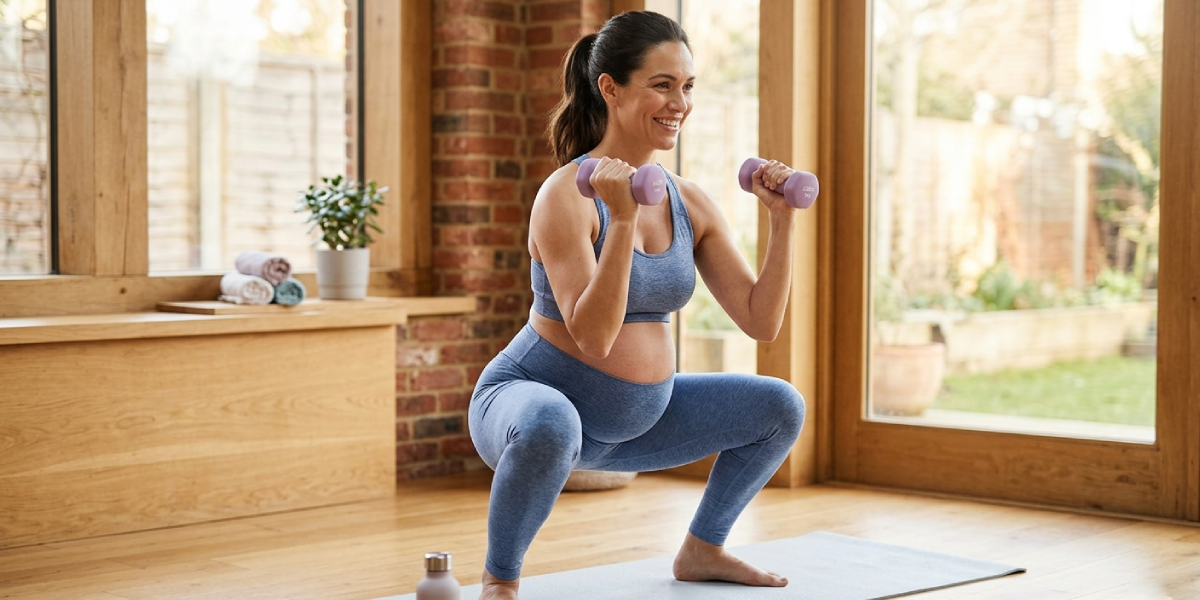
The advantages of staying active during pregnancy are not limited to the mother. Research increasingly shows that a mother’s exercise habits directly influence fetal development in meaningful ways.
Healthier Fetal Heart Rate and Cardiovascular Development
Babies born to mothers who exercised regularly during pregnancy tend to have more efficient cardiovascular function at birth. Studies using fetal heart rate monitoring have found that babies of active mothers respond to stress more effectively, a marker of healthy autonomic nervous system development.
Reduced Risk of Childhood Obesity
Prenatal exercise appears to influence the baby’s long-term metabolic health. Research suggests that children born to mothers who were physically active during pregnancy have a lower risk of childhood obesity and related metabolic conditions. The exact mechanisms are still being studied, but the connection between a mother’s activity level and her child’s future health is becoming increasingly clear.
Better Brain Development
Maternal exercise increases blood flow and oxygen delivery to the placenta and fetus. This enhanced circulation supports the development of the fetal brain. Some studies have found that children of mothers who exercised during pregnancy score higher on certain cognitive assessments in early childhood, suggesting that prenatal exercise may offer neurodevelopmental benefits that extend well beyond birth.
Improved Birth Weight Outcomes
Moderate exercise during pregnancy is associated with healthier birth weights, reducing both the risk of macrosomia, when babies are born larger than optimal, and low birth weight. Both extremes carry their own health risks, and physical activity helps the body regulate fetal growth in a balanced way.
Safe Types of Exercise During Pregnancy by Trimester
Not all exercise is the same, and what works in the first trimester may need modification as the pregnancy progresses. Understanding how to adapt your routine at each stage is key to staying safe and effective.
First Trimester: Build the Foundation
The first trimester is generally a good time to establish or maintain exercise habits, provided you feel well enough to do so. Fatigue and nausea can be significant obstacles early on, so listen to your body and reduce intensity on difficult days.
Walking, light swimming, prenatal yoga, and low-impact aerobics are all excellent choices. If you were running or doing more intense training before pregnancy, you can likely continue with your obstetrician’s approval, but avoid overheating and stay well hydrated.
Second Trimester: The Active Window
Many women feel their best during the second trimester, as early nausea typically fades and energy improves. This is often the most productive period for prenatal fitness. Activities to embrace include swimming, prenatal Pilates, stationary cycling, strength training with light to moderate weights, and brisk walking.
Avoid exercises that require lying flat on your back for extended periods after the first trimester, as this position can compress a major blood vessel and reduce blood flow to the baby.
Third Trimester: Comfort and Preparation
As your center of gravity shifts and the baby grows, movement naturally becomes more challenging. Focus on gentle, low-impact exercise that maintains strength and mobility without placing excessive stress on the joints. Walking, water aerobics, prenatal yoga, and pelvic floor exercises remain excellent choices.
Many women find that dedicating time to specific labor preparation exercises, such as squatting, pelvic tilts, and deep breathing, helps build confidence for delivery.
Exercises to Approach with Caution or Avoid
While most exercise is beneficial during an uncomplicated pregnancy, certain activities carry risks that outweigh the benefits. Always discuss your exercise plans with your healthcare provider before making changes to your routine.
- Contact sports such as hockey, soccer, and basketball carry a risk of abdominal impact that increases as the pregnancy progresses.
- High-altitude activities can reduce oxygen availability to the fetus and are generally discouraged above 8,000 feet for women who do not already live at altitude.
- Scuba diving poses decompression risks that can harm the fetus and is not recommended during pregnancy.
- Hot yoga or exercise in high heat increases the risk of overheating, which has been linked to neural tube defects, particularly in early pregnancy.
- High-impact activities with fall risk, such as skiing, horseback riding, and gymnastics, become increasingly risky as balance changes in the second and third trimesters.
- Heavy overhead lifting or exercises that place excessive downward pressure on the pelvic floor can strain already-stressed support structures.
Pelvic Floor Exercise: The Most Important Prenatal Workout You May Be Neglecting
The pelvic floor is a group of muscles, ligaments, and connective tissue that supports the bladder, bowel, and uterus. During pregnancy, these structures are under tremendous and increasing pressure. Strengthening them through targeted exercises, most commonly known as Kegel exercises, reduces the risk of urinary incontinence during and after pregnancy, supports the growing uterus, and improves postpartum recovery.
Kegel exercises involve contracting the pelvic floor muscles as if you are trying to stop the flow of urine, holding for a few seconds, and then fully releasing. This should be done without tensing the buttocks, thighs, or abdomen. Many healthcare providers recommend starting Kegels as early as the first trimester and continuing through the postpartum period.
Pelvic floor physiotherapists can provide personalized guidance if you experience discomfort, leakage, or pelvic pressure.
How to Build a Prenatal Exercise Routine That Actually Works
The best prenatal exercise routine is one you can maintain consistently. Aiming for perfection often leads to inaction, while a practical, flexible plan builds lasting habits.
Start by choosing activities you genuinely enjoy. A 30-minute daily walk is infinitely more valuable than an elaborate gym program you abandon after two weeks. If you prefer structure, look for certified prenatal fitness classes in your area or online, which are designed specifically to be effective and safe for pregnant bodies.
Warm up for at least five minutes before any workout and cool down gently afterward. Stay well hydrated, wear supportive footwear, and dress in breathable fabrics that help regulate body temperature. Monitor your intensity using the talk test: you should be able to hold a conversation while exercising. If you are too breathless to speak, ease off.
Exploring a variety of pregnancy-safe exercises helps prevent boredom, reduces overuse injuries, and ensures you are working different muscle groups throughout the week. Combining aerobic activity, strength training, flexibility work, and pelvic floor exercises creates a well-rounded program that serves your body at every stage.
Warning Signs to Stop Exercising Immediately
While exercise is overwhelmingly safe for most pregnant women, certain symptoms require you to stop activity and contact your healthcare provider right away.
- Vaginal bleeding or fluid leaking from the vagina
- Dizziness, faintness, or loss of balance
- Chest pain or irregular heartbeat
- Shortness of breath before exertion begins
- Calf pain or swelling, which can indicate a blood clot
- Painful uterine contractions that continue after stopping exercise
- Significant decrease in fetal movement during or after exercise
- Muscle weakness that affects your balance or walking
These symptoms are not common in healthy pregnancies during appropriate exercise, but knowing them ensures that you can respond quickly and safely if they do occur.
When Exercise May Not Be Recommended
Certain medical conditions may mean that exercise during pregnancy needs to be modified or avoided entirely. Your obstetrician is the best person to advise you based on your individual health history. Conditions that may restrict prenatal exercise include placenta previa after 26 weeks, preterm labor risk, uncontrolled hypertension, cervical incompetence, and certain heart or lung conditions.
Even with these restrictions, gentle activity such as seated stretching or upper body movement may still be possible, and your provider can help you find safe options.
Frequently Asked Questions
Is it safe to start exercising during pregnancy if I was not active before becoming pregnant?
Yes. Pregnancy is actually a great motivation to begin a healthy exercise habit. Start slowly with low-impact activities such as walking or swimming, and gradually increase duration and intensity as your body adapts. Always consult your healthcare provider before starting a new exercise program during pregnancy.
How many days per week should I exercise during pregnancy?
Most guidelines recommend at least 150 minutes of moderate-intensity exercise per week, which works out to about 30 minutes on five days. You can break this into shorter sessions of 10 to 15 minutes if fatigue or nausea makes longer workouts difficult, especially in the first trimester.
Can exercise cause a miscarriage?
In healthy, uncomplicated pregnancies, exercise does not cause miscarriage. The vast majority of miscarriages are caused by chromosomal abnormalities unrelated to the mother’s activity level. However, if you have a history of miscarriage or are considered high-risk, always get individualized guidance from your provider before exercising.
What is the safest form of exercise during pregnancy?
Swimming and water aerobics are widely considered among the safest forms of prenatal exercise because water supports the body’s weight, reduces joint stress, and helps prevent overheating. Walking, prenatal yoga, and stationary cycling are also consistently recommended as safe and effective options across all three trimesters.
Should I change my workout routine as my pregnancy progresses?
Yes. As your body changes, your exercise routine should adapt. The second trimester requires avoiding prolonged lying on your back. The third trimester may call for lower intensity and more balance-focused modifications. A certified prenatal fitness instructor or physiotherapist can help you adjust your program appropriately at each stage.
Can I do strength training while pregnant?
Yes, strength training is safe and beneficial during pregnancy when performed with appropriate modifications. Use lighter weights with more repetitions rather than heavy lifting, avoid exercises that compress the abdomen, and ensure your breathing technique is consistent. Avoid the Valsalva maneuver, which involves holding your breath during exertion, as it can cause blood pressure spikes.
Does exercising during pregnancy affect the baby’s weight?
Moderate regular exercise is associated with healthier birth weights. It reduces the risk of both excessive fetal growth, known as macrosomia, and low birth weight. Extremely intense exercise with inadequate caloric intake could potentially limit fetal growth, which is why nutrition and exercise should always be balanced under healthcare supervision.
How does exercise affect labor and delivery?
Research suggests that women who exercise regularly during pregnancy have shorter active labor phases on average and lower rates of cesarean delivery. Stronger core and pelvic floor muscles, better cardiovascular endurance, and greater psychological confidence all contribute to more efficient labor. Specific exercises such as squatting and pelvic tilts in the third trimester can also help encourage optimal fetal positioning for birth.
Is yoga safe during every trimester of pregnancy?
Prenatal yoga, which is specifically designed for pregnant bodies, is safe throughout all three trimesters. It supports flexibility, balance, breathing, and mental relaxation. Standard yoga classes not designed for pregnancy may include poses that are unsuitable for expectant mothers, such as deep twists, prone positions, and hot yoga environments, so seek out prenatal-specific classes or instructors with prenatal training.
When should I stop exercising before my due date?
Most healthy women can continue exercising right up until labor begins, provided their pregnancy remains uncomplicated and they feel comfortable doing so. There is no universal cutoff date. Your comfort, energy levels, and your healthcare provider’s guidance are the most important factors in determining when to scale back or stop.