

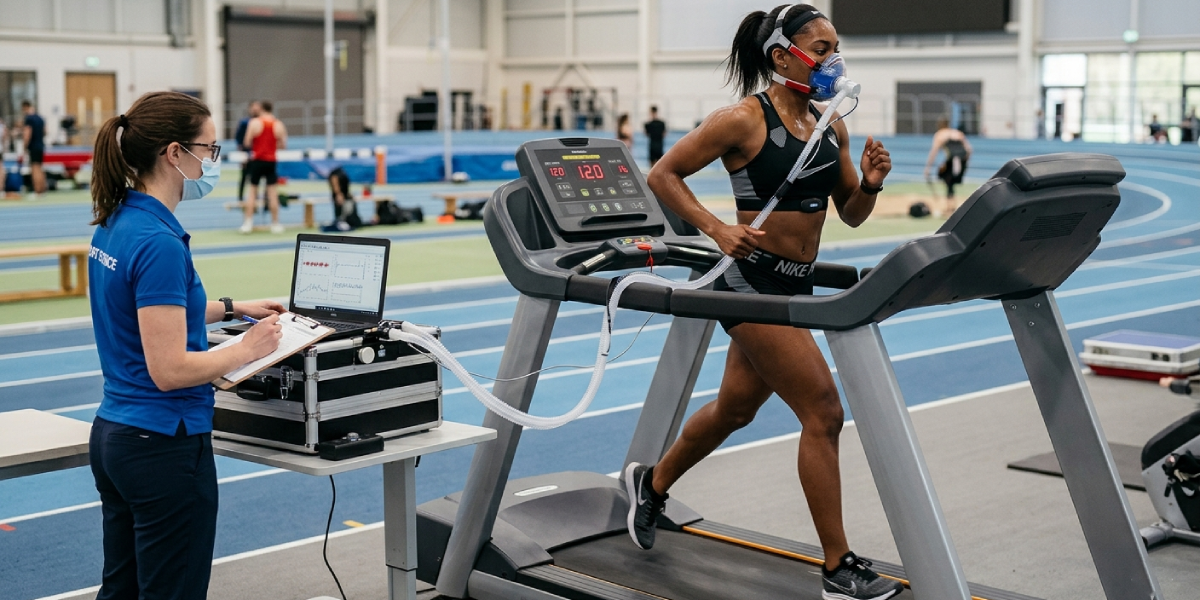
Exercise physiology for athletes is one of the most powerful and practical sciences shaping modern sport. Whether you are a weekend runner, a competitive cyclist, or a professional team athlete, understanding how your body responds to physical stress is the foundation of training smarter, recovering faster, and performing at your best.
This guide breaks down the core concepts in clear, actionable terms so you can apply the science directly to your athletic life.
What Is Exercise Physiology?
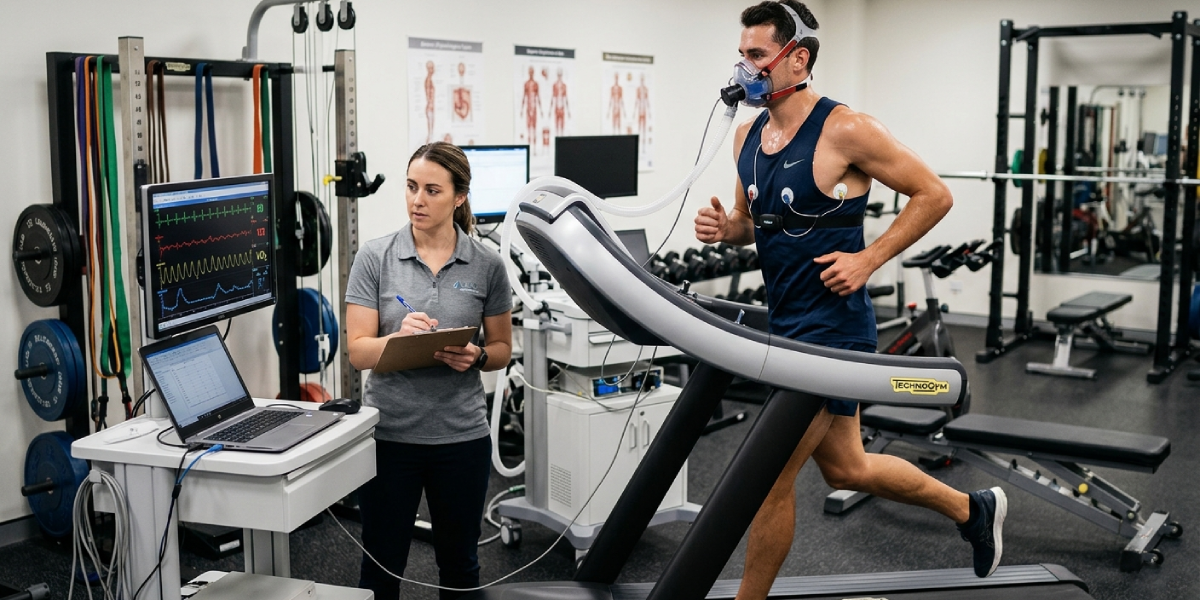
Exercise physiology is the scientific study of how the human body responds and adapts to physical activity and exercise. It sits at the intersection of biology, anatomy, chemistry, and performance science. Practitioners in this field examine everything from how muscles contract at the cellular level to how the cardiovascular system delivers oxygen during a race.
Unlike general fitness advice, exercise physiology is grounded in measurable, repeatable data. It answers specific questions: Why does lactic acid accumulate during intense effort? How does the body shift between energy systems during a long run? What happens to muscle fibers when an athlete lifts heavy loads over weeks and months?
These are not abstract questions. They have direct, practical answers that shape how elite coaches and sports scientists design training programs.
At its core, exercise physiology studies three broad areas: acute responses to exercise (what happens during a single session), chronic adaptations (what changes over time with consistent training), and the mechanisms that drive both. For athletes, all three matter deeply.
The Core Energy Systems Every Athlete Should Understand
One of the foundational concepts in exercise physiology for athletes is the understanding of energy systems. The body does not use a single fuel source for all activities. Instead, it relies on three primary energy pathways, each dominant under different conditions.
The Phosphocreatine (ATP-PCr) System
This system powers explosive, maximal-effort activities lasting up to approximately ten seconds. Think of a sprinter off the starting blocks or a weightlifter completing a one-rep maximum. It requires no oxygen and produces energy almost instantly. The tradeoff is that phosphocreatine stores deplete rapidly, which is why peak sprint effort cannot be sustained beyond a few seconds.
The Glycolytic System
When effort extends beyond ten seconds and up to roughly two minutes, the body shifts toward glycolysis, breaking down glucose or glycogen for fuel. This system can operate without oxygen (anaerobic glycolysis) or with it, though the anaerobic pathway dominates during intense efforts.
Lactic acid, more accurately lactate, is a byproduct that is often misunderstood as purely a waste product. Modern exercise physiology recognizes lactate as a versatile fuel that muscles, the heart, and the brain can use during sustained exercise.
The Oxidative System
For activities lasting more than two minutes at submaximal intensities, the oxidative or aerobic system takes over. It uses carbohydrates, fats, and even proteins to produce ATP through a process that requires oxygen. This is the dominant energy system for endurance athletes.
Training this system improves the body’s ability to deliver and utilize oxygen, measured by VO2 max, one of the most important markers of aerobic fitness.
Understanding which system your sport primarily relies on allows you to train those pathways specifically. A 400-meter runner needs a different energy system emphasis than a marathon runner. Exercise physiology makes that distinction precise rather than guesswork.
How the Body Adapts to Training: The Principle of Adaptation
Adaptation is at the heart of why athletes train. The body is remarkably responsive to physical stress. When you impose a training load that challenges your current capacity, the body responds by rebuilding stronger, more efficient systems. This is called the overload principle, and it is a cornerstone of exercise physiology.
Cardiovascular adaptations include an enlarged heart (cardiac hypertrophy), increased stroke volume (the amount of blood pumped per beat), and a lower resting heart rate. These changes mean the heart can deliver more oxygen to working muscles with less effort, a major advantage in endurance sports.
Muscular adaptations depend heavily on training type. Resistance training promotes hypertrophy, the increase in muscle fiber size, and recruits more motor units simultaneously for greater force production.
Endurance training increases mitochondrial density within muscle cells, meaning more cellular machinery is available to produce aerobic energy. It also increases capillary density, improving oxygen delivery directly to the muscle fibers.
Neural adaptations are often overlooked but critically important. In the early weeks of a strength program, most gains come not from larger muscles but from the nervous system learning to activate muscles more efficiently and in better coordination. Exercise physiology quantifies these changes and helps coaches structure training to maximize them.
VO2 Max, Lactate Threshold, and What They Mean for Your Training
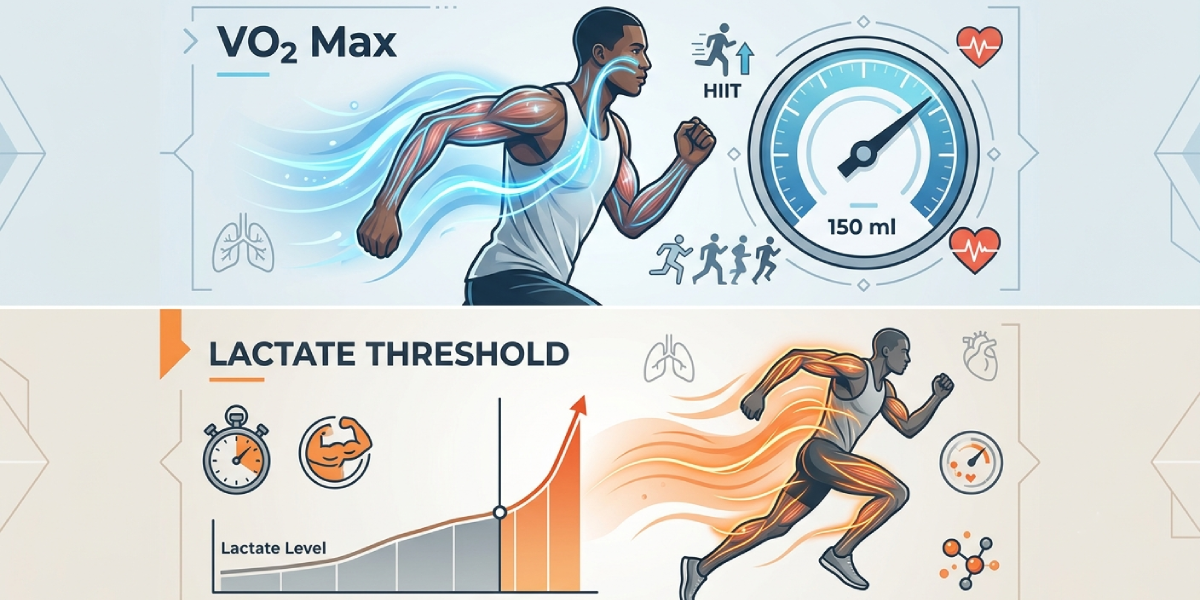
Two of the most clinically meaningful metrics in exercise physiology for athletes are VO2 max and lactate threshold. Both can be assessed through formal testing and both guide training intensity with a precision that subjective effort scales cannot match.
VO2 Max
VO2 max represents the maximum volume of oxygen the body can consume during intense exercise. It is expressed in milliliters of oxygen per kilogram of body weight per minute. A higher VO2 max generally correlates with greater endurance capacity. Elite distance runners often measure above 70 mL/kg/min.
The good news is that VO2 max is trainable. High-intensity interval training (HIIT) is particularly effective at raising it, with improvements seen even in already well-trained athletes over weeks of targeted work. Tracking this number over a training cycle gives athletes a clear, objective measure of aerobic progress.
Lactate Threshold
Lactate threshold refers to the exercise intensity at which lactate begins to accumulate in the blood faster than it can be cleared. Training at or near this threshold is one of the most effective strategies for improving endurance performance.
Often called tempo training, this approach teaches the body to sustain higher efforts without accumulating the fatigue associated with excessive lactate buildup. Many endurance coaches structure a significant portion of weekly training volume around this zone precisely because exercise physiology demonstrates its central role in race-pace sustainability.
The Role of Recovery in Exercise Physiology
Training breaks the body down. Recovery builds it back up stronger. Exercise physiology gives athletes a scientific framework for understanding recovery and why cutting it short is one of the most common and damaging mistakes in sport.
During sleep, growth hormone is released and protein synthesis accelerates, repairing microscopic muscle damage caused by training. Sleep deprivation blunts these hormonal responses, meaning the adaptation you worked hard to trigger may not fully manifest.
Research consistently shows that athletes who sleep eight to ten hours per night demonstrate better reaction times, greater accuracy, and lower injury rates compared to those sleeping six hours or less.
Nutrition timing is another area where exercise physiology provides specific guidance. Consuming a combination of carbohydrates and protein within thirty to sixty minutes post-exercise takes advantage of an elevated insulin sensitivity window.
This supports glycogen replenishment and muscle protein synthesis far more effectively than waiting several hours to eat.
Active recovery, light movement on rest days, also has physiological support. It promotes blood flow without additional stress, helping clear metabolic byproducts and reduce delayed onset muscle soreness (DOMS). Passive rest is not always the optimal choice, particularly for athletes who train six or more times per week.
Exercise Physiology and Injury Prevention
One of the most underappreciated benefits of applying exercise physiology to athletic training is injury reduction. Many overuse injuries have biomechanical and physiological explanations that, once understood, can be proactively addressed.
For example, tissue tolerance is a concept central to load management. Tendons and ligaments adapt more slowly than muscles and cardiovascular systems. This mismatch means an athlete may feel cardiovascularly capable of increasing training load when the connective tissues are not yet ready to handle it.
Exercise physiologists and sports medicine professionals use this knowledge to periodize training in ways that reduce injury risk while still driving adaptation.
Monitoring tools like heart rate variability (HRV) have become accessible to everyday athletes and provide real-time data on recovery status. A suppressed HRV reading indicates the nervous system is still under stress, signaling that reducing intensity or volume that day is the physiologically sound decision.
Understanding these principles connects naturally to broader health optimization strategies that support longevity in sport, not just short-term performance gains.
Practical Application: How Athletes Use Exercise Physiology Every Day
Exercise physiology is not reserved for elite labs or professional teams. Its principles are practical and accessible to athletes at every level. Here is how these concepts translate into real training decisions.
- Periodization: Structuring training into phases with varying intensities and volumes, allowing for progressive overload without chronic fatigue. Exercise physiology provides the biological rationale for why this approach outperforms linear, always-hard training.
- Heart rate zone training: Using heart rate to ensure training occurs at the right intensity for the desired physiological outcome, whether aerobic base building, lactate threshold work, or VO2 max intervals.
- Tapering before competition: Reducing training volume while maintaining intensity in the days before a major event. This allows accumulated fatigue to dissipate while preserving the fitness adaptations gained during heavier training blocks.
- Tracking body composition: Monitoring changes in muscle mass and body fat helps athletes make informed nutrition and training adjustments. Tools like the BMI calculator can serve as a simple starting point for assessing body composition trends over time, though more precise methods like DEXA or skinfold measurements provide greater specificity for athletic populations.
- Individualized training loads: No two athletes respond identically to the same training stimulus. Exercise physiology acknowledges this genetic and physiological individuality, which is why the best programs are monitored and adjusted based on ongoing performance and recovery data.
The Connection Between Exercise Physiology and Nutrition
Exercise physiology and sports nutrition are inseparable disciplines. Fueling strategies directly influence how effectively the energy systems function during training and competition. Carbohydrate availability, for instance, has a profound impact on glycolytic and oxidative energy production.
Glycogen depletion impairs both high-intensity capacity and sustained endurance performance, a phenomenon experienced athletes know as hitting the wall or bonking.
Protein intake supports the muscle protein synthesis that underpins every adaptation driven by resistance training. The timing, quantity, and quality of dietary protein all influence the rate and extent of muscular adaptation. Exercise physiologists often collaborate with registered dietitians to align nutrition protocols with the specific demands of an athlete’s sport and training phase.
Hydration is another area where physiology and performance intersect directly. Even mild dehydration, a body weight loss of two percent through sweat, can meaningfully impair aerobic performance, thermoregulation, and cognitive function during sport.
Practical hydration strategies informed by exercise physiology include pre-training hydration checks, electrolyte replacement during prolonged efforts, and post-exercise rehydration targeting one and a half times the fluid lost.
For athletes looking to combine training guidance with evidence-based nutrition principles, exploring structured exercise programs aligned with physiological principles is an excellent next step toward building a comprehensive performance foundation.
Key Performance Metrics Athletes Should Track
| Metric | What It Measures | Why It Matters |
|---|---|---|
| VO2 Max | Maximum aerobic capacity | Predicts endurance potential and tracks aerobic fitness gains |
| Lactate Threshold | Sustainable high-intensity effort ceiling | Guides tempo training zones and race-pace strategy |
| Resting Heart Rate | Baseline cardiovascular efficiency | Decreasing trend signals improved aerobic fitness |
| Heart Rate Variability (HRV) | Autonomic nervous system recovery status | Helps detect overtraining and guide daily training decisions |
| Power Output (Watts) | Mechanical work rate during cycling or rowing | Provides objective, fatigue-independent performance data |
| Rate of Perceived Exertion (RPE) | Subjective effort rating | Complements objective data; reflects psychological and physiological fatigue |
Why Exercise Physiology Matters Beyond the Podium
The benefits of understanding exercise physiology extend far beyond winning competitions. For masters athletes, the science guides how to train productively as hormonal profiles shift and recovery capacity changes with age.
For youth athletes, it informs age-appropriate training loads that support development without risking growth plate injury or early burnout. For recreational athletes, it demystifies the confusion around training advice and replaces guesswork with a framework grounded in how the human body actually works.
Chronic adaptations to regular, well-designed exercise reduce the risk of cardiovascular disease, type 2 diabetes, osteoporosis, and certain cancers. Exercise physiology quantifies these benefits and helps practitioners prescribe physical activity as medicine with the same rigor applied to pharmaceutical interventions.
The science supports a compelling truth: consistent, intelligently structured exercise is one of the most powerful tools available for long-term health and quality of life.
Frequently Asked Questions
What is the main goal of exercise physiology for athletes?
The primary goal is to understand how the body responds and adapts to physical training so that athletes can maximize performance, minimize injury risk, and recover more efficiently. It provides the scientific foundation for every evidence-based training and nutrition decision.
How does VO2 max affect athletic performance?
VO2 max sets the ceiling for an athlete’s aerobic energy production. A higher VO2 max means the body can deliver and use more oxygen during exercise, directly supporting endurance performance. It can be improved through targeted high-intensity and aerobic base training.
What is the difference between aerobic and anaerobic exercise?
Aerobic exercise uses oxygen to produce energy and is sustainable for longer durations, such as distance running or cycling. Anaerobic exercise produces energy without oxygen and supports short, intense bursts of effort such as sprinting or heavy lifting. Both systems interact continuously during most athletic activities.
Why is lactate threshold important for endurance athletes?
Lactate threshold represents the highest intensity at which the body can still clear lactate as fast as it is produced. Training at this threshold raises the intensity at which fatigue accumulates, allowing athletes to sustain faster paces or higher power outputs during competition.
How long does it take to see physiological adaptations from training?
Neural adaptations begin within the first one to two weeks, improving coordination and motor unit recruitment. Cardiovascular and muscular adaptations become measurable within four to eight weeks of consistent training. Structural changes like significant muscle hypertrophy or bone density increases typically require three to six months or longer.
Can recreational athletes benefit from exercise physiology principles?
Absolutely. The fundamental principles of energy systems, progressive overload, recovery, and adaptation apply to athletes at every level. Recreational athletes who train with physiological awareness tend to progress faster, stay healthier, and enjoy their sport longer than those following random or unsystematic approaches.
What is heart rate variability and why do athletes use it?
Heart rate variability measures the variation in time between consecutive heartbeats. Higher variability generally indicates a well-recovered nervous system. Athletes use daily HRV monitoring to make informed decisions about training intensity, helping prevent overtraining and optimize performance readiness.
How does exercise physiology relate to sports nutrition?
The two fields are closely linked. Exercise physiology explains which energy systems are active during different types of training, and sports nutrition provides the fueling strategies that support those systems. Together they determine how well athletes perform, recover, and adapt over time.
What role does sleep play in exercise physiology and athletic performance?
Sleep is the primary window during which the body repairs and rebuilds tissue, consolidates motor learning, and restores hormonal balance. Growth hormone secretion peaks during deep sleep, driving muscle protein synthesis. Consistently inadequate sleep impairs performance, increases injury risk, and blunts training adaptations regardless of how well the training program is designed.
Is exercise physiology different from sports science?
Exercise physiology is a core subdiscipline within the broader field of sports science. Sports science also encompasses biomechanics, sports psychology, motor learning, and performance analysis. Exercise physiology specifically focuses on the biological and metabolic processes that occur in response to physical activity and training.