


If you are searching for practical tips for a better night’s sleep, you are not alone. Millions of people struggle to fall asleep, stay asleep, or wake up feeling genuinely refreshed. The good news is that sleep quality is something you can actively improve with the right habits, environment, and mindset.
This guide breaks down ten evidence-based strategies that can transform the way you rest — starting tonight.
Why Quality Sleep Matters More Than You Think
Sleep is not a passive activity. While you rest, your brain consolidates memories, your body repairs damaged tissue, your immune system strengthens, and your hormones regulate themselves for the day ahead. Chronic poor sleep is linked to increased risk of heart disease, obesity, diabetes, depression, and cognitive decline.
On the flip side, consistently good sleep improves mood, sharpens focus, supports healthy weight management, and even enhances athletic performance.
Understanding what drives poor sleep is the first step toward fixing it. Most sleep problems stem from lifestyle habits, environmental factors, or underlying stress — all of which are addressable. The ten tips below target the most common and impactful causes of disrupted rest.
1. Stick to a Consistent Sleep Schedule

Your body operates on a circadian rhythm — an internal 24-hour clock that governs when you feel sleepy and when you feel alert. One of the most powerful tips for a better night’s sleep is simply going to bed and waking up at the same time every day, including weekends.
Irregular schedules throw your circadian rhythm off balance, making it harder to fall asleep and harder to wake up feeling rested.
Aim for seven to nine hours of sleep per night, which is the range recommended by sleep researchers for most adults. Pick a wake time that works for your schedule and count backward to set your bedtime. Then protect that schedule as you would any important appointment.
2. Design a Sleep-Friendly Bedroom Environment
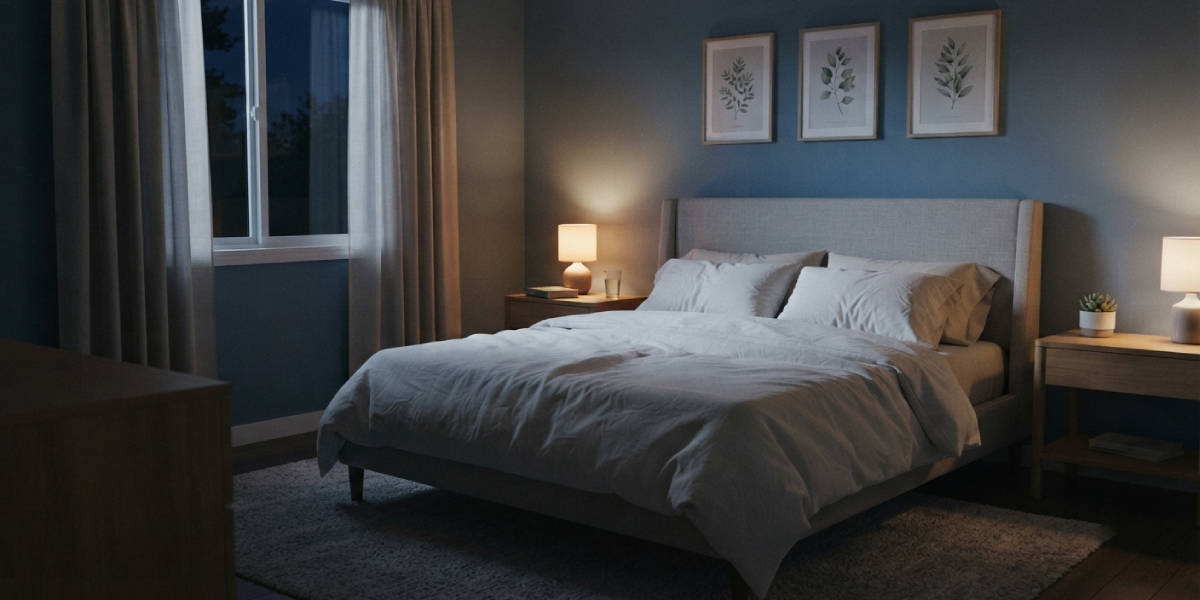
Your bedroom should signal to your brain that it is time to wind down. The three most important environmental factors are temperature, darkness, and noise. Research consistently shows that a cool room — around 65 to 68 degrees Fahrenheit (18 to 20 degrees Celsius) — promotes deeper sleep by supporting the natural drop in core body temperature that accompanies sleep onset.
Block out light with blackout curtains or a sleep mask, and reduce noise with earplugs or a white noise machine. Remove electronics from the bedroom when possible, or at minimum keep screens off at least 30 minutes before bed. A calm, dark, cool room is one of the simplest and most effective tools you have.
3. Limit Screen Time Before Bed
The blue light emitted by smartphones, tablets, laptops, and televisions suppresses melatonin production — the hormone that makes you feel sleepy. Using screens in the hour before bed delays your body’s natural wind-down process, making it harder to fall asleep even when you feel tired.
Replace screen time with activities that naturally calm the nervous system: reading a physical book, light stretching, journaling, or listening to relaxing music or a podcast. If you must use a screen, enable night mode or blue light filtering settings, but understand these are partial solutions at best.
4. Watch What You Eat and Drink in the Evening
What goes into your body in the hours before bed directly affects how well you sleep. Avoid large, heavy meals within two to three hours of bedtime — digestion requires energy and can cause discomfort that disrupts sleep. Spicy foods, acidic foods, and high-fat meals are particularly likely to cause acid reflux when you lie down.
Caffeine is a major sleep disruptor. It has a half-life of roughly five to six hours in the body, meaning a coffee at 3 p.m. can still be half-active in your system at 9 p.m. Alcohol is equally misleading — while it can make you feel drowsy initially, it fragments sleep in the second half of the night and suppresses restorative REM sleep.
Try to cut off caffeine by early afternoon and limit alcohol in the evenings.
5. Get Regular Physical Activity
Exercise is one of the most consistently effective natural sleep aids available. Regular physical activity helps you fall asleep faster, sleep more deeply, and wake up less often during the night. It also reduces anxiety and depression, two of the leading causes of insomnia.
Exploring exercise routines and workout strategies that suit your fitness level can make a significant difference in how well you sleep over time.
Timing matters, however. Vigorous exercise within one to two hours of bedtime can be stimulating for some people, raising heart rate and core body temperature in ways that interfere with sleep onset. Morning or afternoon workouts tend to be most beneficial for sleep quality. Even a 20-minute walk can produce meaningful improvements if done consistently.
6. Develop a Relaxing Pre-Sleep Routine
A consistent bedtime routine sends a powerful signal to your brain that sleep is approaching. Think of it as a transition ritual — a bridge between the demands of the day and the rest of the night. Your routine does not need to be elaborate.
Even 20 to 30 minutes of calming activity done in the same order each night can train your nervous system to shift into sleep mode.
Effective pre-sleep activities include taking a warm bath or shower (the subsequent drop in body temperature promotes sleepiness), gentle yoga or stretching, deep breathing exercises, or a few pages of light reading. The key is consistency and keeping the activity genuinely calming — not catching up on emails or mentally running through tomorrow’s to-do list.
7. Manage Stress and Anxiety Actively
Racing thoughts and unresolved worries are among the most common reasons people lie awake at night. Stress triggers the release of cortisol, a hormone that promotes alertness — the opposite of what you want at bedtime. Learning to manage stress is therefore central to improving sleep.
Practical techniques include progressive muscle relaxation, guided meditation, mindfulness breathing (such as the 4-7-8 breathing method), and journaling. Writing down your worries or tomorrow’s task list before bed can serve as a mental offload, reducing the likelihood that your brain will rehearse them while you try to sleep.
Supporting your overall health and wellness through stress management practices pays dividends that extend well beyond the bedroom.
8. Be Strategic About Napping
Naps can be a useful tool for managing daytime fatigue, but poorly timed or overly long naps can sabotage nighttime sleep. If you nap regularly, keep it short — 10 to 20 minutes is ideal for most people — and take it in the early afternoon, no later than 2 or 3 p.m.
Longer naps can cause sleep inertia (that groggy, disoriented feeling upon waking) and reduce your sleep pressure at night, making it harder to fall and stay asleep.
If you are struggling with insomnia, some sleep specialists recommend temporarily avoiding naps altogether to rebuild stronger sleep drive, which can make nighttime sleep more consistent and consolidated.
9. Get Sunlight Exposure During the Day
Natural light is the most powerful regulator of your circadian rhythm. Morning sunlight in particular helps set your internal clock, telling your body it is daytime and triggering the sequence of biological events that will lead to sleepiness in the evening.
People who get regular morning light exposure tend to fall asleep earlier, sleep more consistently, and report better sleep quality.
Try to spend at least 20 to 30 minutes outdoors in natural light during the morning hours. On cloudy days or in winter months, a bright light therapy lamp used shortly after waking can serve a similar function. Conversely, dimming artificial lights in your home in the evening supports melatonin production and helps your body prepare for sleep.
10. Know When to Seek Professional Help
If you have applied these tips for a better night’s sleep consistently and are still struggling with chronic insomnia, excessive daytime sleepiness, or symptoms like loud snoring, gasping during sleep, or waking unrefreshed despite adequate time in bed, it may be time to consult a healthcare professional.
These can be signs of underlying conditions such as sleep apnea, restless leg syndrome, or a mood disorder — all of which respond well to proper diagnosis and treatment.
Cognitive Behavioral Therapy for Insomnia (CBT-I) is considered the gold-standard first-line treatment for chronic insomnia and is more effective than sleep medications over the long term. A sleep specialist can also order a sleep study if a sleep disorder is suspected. Seeking help is a strength, not a weakness, and the right treatment can be life-changing.
Supporting Sleep With Good Overall Health Habits
Sleep does not exist in isolation — it is deeply intertwined with your diet, activity levels, mental health, and overall lifestyle. Maintaining a healthy body weight, eating a balanced diet rich in whole foods, staying hydrated, and managing chronic health conditions all contribute to better sleep.
You can use a BMI calculator to check whether your body weight is within a healthy range, as obesity is one of the most significant risk factors for obstructive sleep apnea.
Think of sleep as one pillar of a three-part foundation — alongside nutrition and physical activity — that supports every dimension of your health. Improving one area tends to have positive ripple effects across the others. Better sleep makes it easier to exercise and eat well.
Better diet and exercise, in turn, make it easier to sleep deeply and consistently.
Frequently Asked Questions
How many hours of sleep do adults need each night?
Most adults need between seven and nine hours of sleep per night, according to sleep researchers and public health organizations. Individual needs vary slightly, but consistently sleeping fewer than six hours is associated with measurable health risks, while more than nine hours may sometimes indicate an underlying health issue.
What is the best time to go to bed for optimal sleep?
The best bedtime depends on your wake time and individual chronotype (whether you are naturally a morning or evening person). Most adults benefit from sleeping between 10 p.m. and 7 a.m. The key is consistency — going to bed and waking at the same time daily keeps your circadian rhythm stable and sleep quality high.
Why do I wake up in the middle of the night and cannot fall back asleep?
Waking briefly during the night is normal — most people do it several times without remembering. Struggling to fall back asleep is often linked to stress, anxiety, caffeine, alcohol, or sleep apnea. If it happens regularly, review your evening habits and consider speaking with a doctor to rule out an underlying sleep disorder.
Does exercise really help with sleep quality?
Yes. Regular aerobic and resistance exercise consistently improves sleep quality in research studies. It reduces the time it takes to fall asleep, increases deep (slow-wave) sleep, and reduces nighttime awakenings. The benefits accumulate over time, so consistency is more important than intensity.
Is it bad to use your phone in bed?
Yes, using your phone in bed can significantly disrupt sleep. The blue light suppresses melatonin, and engaging content (social media, news, videos) stimulates the brain rather than allowing it to wind down. Keeping your phone outside the bedroom or on a do-not-disturb mode starting an hour before bed is one of the most impactful changes you can make.
Can what I eat really affect how well I sleep?
Absolutely. A diet high in processed foods, sugar, and saturated fat has been associated with poorer sleep quality. Foods rich in tryptophan (such as turkey, dairy, and nuts), magnesium (leafy greens, seeds), and complex carbohydrates can support the production of sleep-promoting neurotransmitters. Avoiding heavy meals, caffeine, and alcohol close to bedtime is equally important.
What is the 4-7-8 breathing technique and does it help with sleep?
The 4-7-8 technique involves inhaling for 4 counts, holding for 7 counts, and exhaling for 8 counts. It activates the parasympathetic nervous system, slowing heart rate and reducing the cortisol-driven alertness that keeps many people awake. Many people find it effective for calming racing thoughts at bedtime, though individual results vary.
What is CBT-I and is it better than sleep medication?
Cognitive Behavioral Therapy for Insomnia (CBT-I) is a structured program that addresses the thoughts and behaviors that perpetuate insomnia. Multiple clinical studies show it is more effective than sleep medication for long-term insomnia relief, with effects that persist after treatment ends. Sleep medications, by contrast, can lose effectiveness over time and carry risks of dependency.
How does alcohol affect sleep quality?
Although alcohol can induce initial drowsiness, it significantly disrupts sleep architecture. It suppresses REM sleep, increases sleep fragmentation in the second half of the night, and worsens snoring and sleep apnea. The net result is that even a few drinks before bed tend to leave you feeling less rested the next morning, despite seemingly falling asleep faster.
When should I see a doctor about my sleep problems?
You should see a doctor if your sleep problems have persisted for more than three weeks, are significantly affecting your daytime functioning, or if you experience symptoms such as loud snoring, gasping for air during sleep, extreme daytime drowsiness, or restless legs. These can indicate treatable sleep disorders that require professional evaluation.