

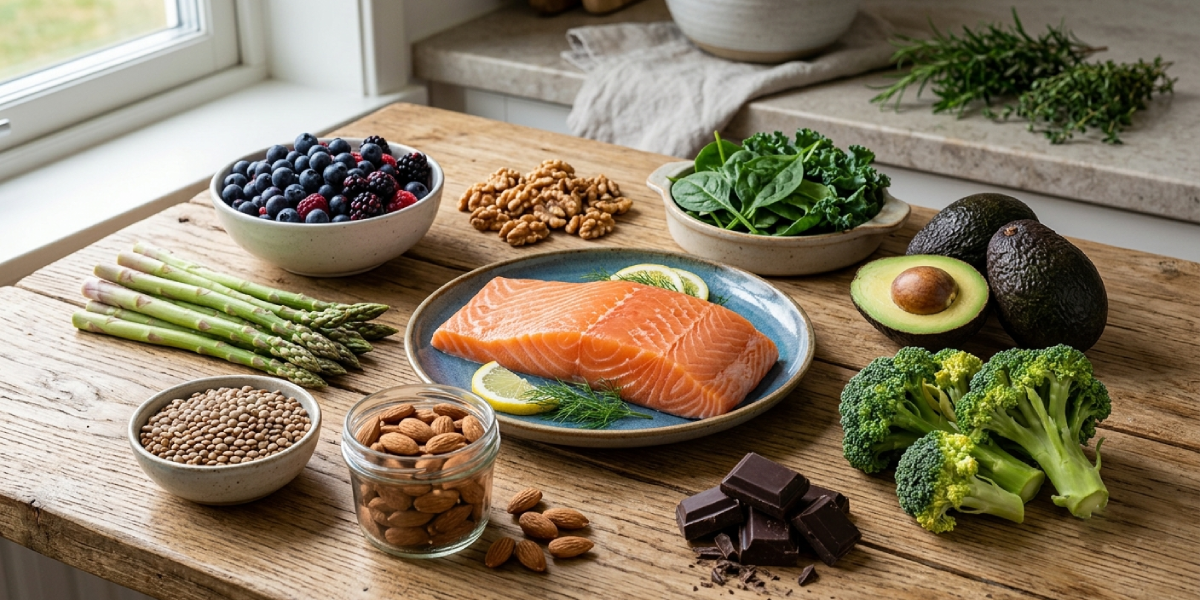
Foods that are good for your brain do more than fuel a quick afternoon slump fix; they shape how clearly you think, how well you remember, and how your mood holds up under stress. After years of testing meal plans with clients and watching which habits actually stick, I’ve found that brain nutrition isn’t about chasing a single “superfood.”
It’s about consistently choosing a handful of foods that show up again and again in the research, and building them into meals you’ll actually enjoy.
This list draws on patterns supported by nutrition science, including the Mediterranean and MIND dietary frameworks, which have repeatedly been linked to slower cognitive decline and better long-term brain health. None of this is speculative.
These are foods with real track records, and below I’ll explain not just what they are, but how to realistically work them into a normal week.
Why Diet Matters So Much for Brain Health
Your brain uses a disproportionate share of your daily energy relative to its size, and it’s highly sensitive to inflammation, oxidative stress, and blood flow. Diets that emphasize vegetables, whole grains, nuts, beans, fish, berries, lean proteins, and olive oil while limiting saturated fat have been associated with slower rates of cognitive decline in long-term studies. That single sentence is really the foundation for everything else on this list.
If you’re also working on your overall wellness routine, it helps to pair these dietary changes with movement. You can browse practical workout ideas in our exercise section, since physical activity and brain-healthy eating tend to reinforce each other rather than work in isolation.
1. Fatty Fish (Salmon, Mackerel, Sardines)
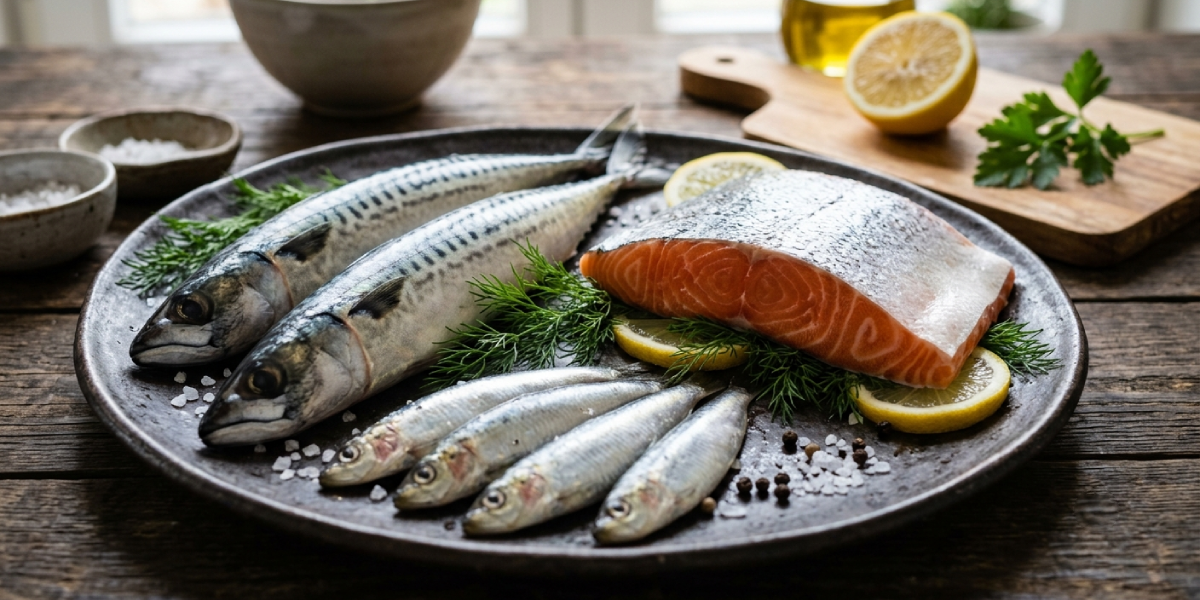
Fatty fish like salmon, mackerel, and sardines carry some of the highest natural concentrations of omega-3 fatty acids found in any food, including docosahexaenoic acid (DHA), a fat that makes up a significant portion of the brain’s structural tissue.
Regular fish consumption has been linked in multiple population studies to a lower risk of cognitive impairment later in life.
Practically speaking, two servings a week is a reasonable target for most adults. I tell clients to keep it simple: a pan-seared salmon fillet on a Tuesday, canned sardines on toast for a fast lunch, or grilled mackerel on the weekend. You don’t need to overhaul your whole diet to get the benefit, just make fish a regular guest rather than an occasional treat.
2. Walnuts
Walnuts stand out among nuts for brain health because of their alpha-linolenic acid (ALA) content, a plant-based omega-3, along with polyphenols that appear to reduce inflammation and oxidative stress in brain tissue. Some recent research has even suggested that eating walnuts at breakfast may support faster reaction times and better memory performance later in the same day compared to a typical low-fat breakfast.
A small daily handful, roughly a quarter cup, fits easily into oatmeal, yogurt, or a midday snack rotation. I keep a jar at my desk specifically so I’m not reaching for chips during a midafternoon slump.
3. Blueberries and Other Berries
Berries earn their spot on almost every credible brain-health list because of their anthocyanin content, the deep pigment compounds responsible for their color that also appear to support memory and concentration by improving blood flow to the brain. Blueberries in particular have been studied for their potential to protect against age-related cognitive decline.
Frozen berries work just as well as fresh ones nutritionally, and they’re often cheaper and last longer. Tossing a handful into a smoothie or on top of plain yogurt is one of the lowest-effort changes you can make with a measurable nutritional upside.
4. Leafy Greens (Spinach, Kale, Collards)
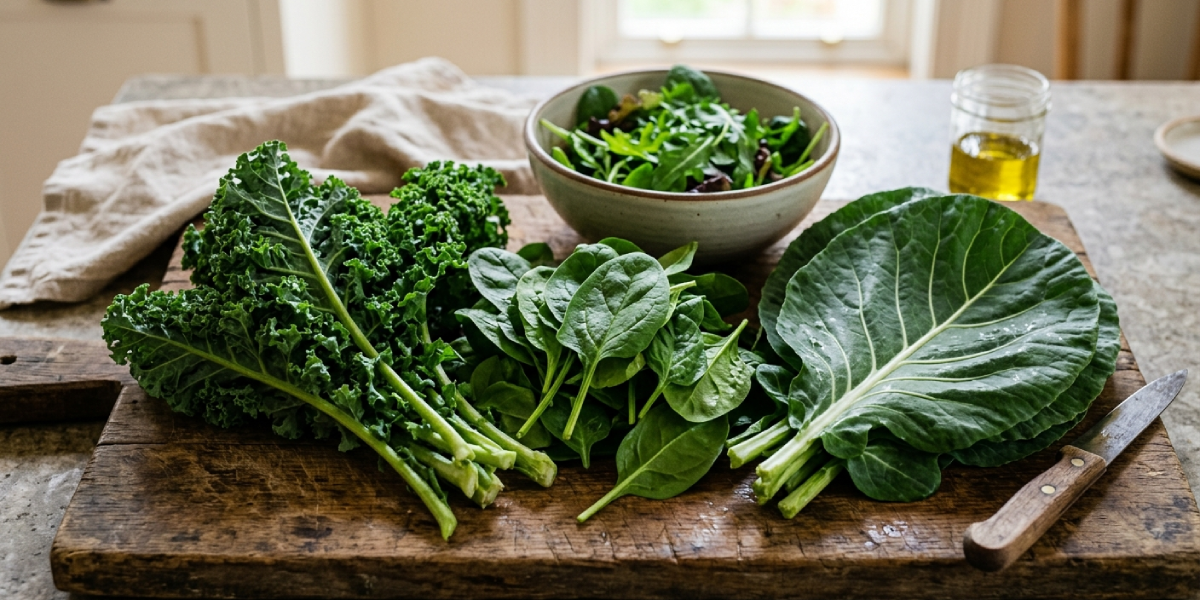
Leafy greens such as spinach, kale, and collard greens are rich in vitamin K, lutein, folate, and beta carotene, nutrients that have been associated in long-term cohort studies with slower rates of cognitive decline. The MIND diet specifically recommends at least one serving a day, which is more ambitious than many people realize until they actually try to hit it.
My honest advice: don’t try to eat a giant salad every day if that’s not realistic for your schedule. Blending spinach into a smoothie, tossing kale into a soup, or simply sautéing greens as a fast side dish gets you there without the daily salad fatigue that derails most good intentions by week two.
5. Extra-Virgin Olive Oil
Extra-virgin olive oil is the primary fat source in the Mediterranean and MIND dietary patterns, and for good reason. It contains monounsaturated fats along with potent antioxidant compounds called oleocanthals, which have anti-inflammatory properties.
Using it as your main cooking fat, rather than butter or heavily processed seed oils, is one of the simplest substitutions in this entire list.
I’d recommend keeping a good-quality bottle for drizzling over vegetables or salads, separate from a cheaper bottle for higher-heat cooking, since the flavor and some delicate compounds in finer extra-virgin oils can degrade at very high temperatures.
6. Eggs
Eggs are an excellent source of choline, a nutrient directly involved in memory formation and communication between brain cells. They also provide high-quality protein and tryptophan, which supports serotonin production and, by extension, mood regulation.
For years eggs were unfairly maligned over cholesterol concerns, but current nutrition guidance treats them as a reasonable everyday protein source for most healthy adults.
A couple of eggs at breakfast is an easy way to start the day with both protein and choline covered before you’ve even finished your coffee.
7. Whole Grains
Swapping refined carbohydrates like white bread and white rice for whole grains such as oats, quinoa, and brown rice supports more stable blood sugar levels, which in turn supports steadier energy and focus throughout the day. Whole grains also provide fiber and B vitamins that play a role in nerve function.
This is one of the easier substitutions on this list because it usually doesn’t require buying new foods, just choosing the whole-grain version of something you already eat.
8. Cruciferous Vegetables (Broccoli, Cauliflower, Brussels Sprouts)
Cruciferous vegetables are rich in antioxidants and compounds that help protect brain cells from free radical damage. They’re also a good source of vitamin K and folate, both linked to cognitive health in observational research. I find these vegetables get a bad reputation mostly because of how they’re cooked.
Roasting broccoli or Brussels sprouts at high heat with a little olive oil produces a completely different result than boiling them, and it’s worth the extra ten minutes.
9. Beans and Legumes
Beans, lentils, and chickpeas are staples of both the Mediterranean and MIND diets, providing fiber, plant protein, and steady-release carbohydrates that help avoid the blood sugar spikes and crashes that can affect focus and mood.
They’re also inexpensive and shelf-stable, which makes them one of the most practical foods on this entire list for people trying to eat better on a budget.
If you’re tracking your overall health metrics alongside dietary changes like this, it’s worth checking your numbers periodically using a tool like our BMI calculator to see how your habits are tracking over time, alongside other health markers your doctor recommends monitoring.
10. Dark Chocolate (in Moderation)
Dark chocolate with a high cocoa percentage contains flavonoids that have been associated with improved blood flow to the brain and potential short-term benefits for attention and memory. The key word here is moderation; this isn’t a free pass to eat a family-size bar.
A square or two of dark chocolate with at least 70 percent cocoa content, a few times a week, is a reasonable way to enjoy a treat that also happens to carry some antioxidant benefit.
Putting It All Together: A Realistic Weekly Approach
You don’t need to eat all ten of these foods every single day. What matters far more is consistency over weeks and months. A simple framework that’s worked well for the clients I’ve coached looks something like this:
| Frequency | Foods |
|---|---|
| Daily | Leafy greens, olive oil, whole grains |
| 2–3 times per week | Fatty fish, beans and legumes, berries |
| A small daily handful | Walnuts |
| Most days | Eggs, cruciferous vegetables |
| A few times per week, in moderation | Dark chocolate |
Pairing these eating habits with regular physical activity and overall lifestyle awareness tends to produce better results than diet changes alone. For more general wellness guidance that complements this kind of nutritional approach, our health section covers related topics worth exploring.
A Few Honest Caveats
No single food prevents cognitive decline or guarantees better memory on its own, and current research has not found strong evidence that supplements can replicate the benefits of getting these nutrients from whole foods. If you don’t have a diagnosed deficiency, your best source of brain-supporting nutrients is still your plate, not a pill bottle.
It’s also worth remembering that diet is one piece of a much larger picture that includes sleep, stress management, physical activity, and regular checkups with your doctor, especially if you have any existing health conditions or take medications that could interact with major dietary changes.
Frequently Asked Questions
What are the best foods for brain health?
Fatty fish, walnuts, berries, leafy greens, olive oil, eggs, whole grains, cruciferous vegetables, beans, and moderate amounts of dark chocolate are among the foods most consistently linked to better brain health in nutrition research.
How quickly can diet changes affect brain function?
Some studies on specific foods, like walnuts, have shown measurable effects on reaction time and memory within the same day, but most meaningful, lasting benefits for long-term cognitive health develop over months and years of consistent eating patterns.
Is fish oil as good as eating fish?
Whole fish provides omega-3s alongside protein, vitamin D, and other nutrients in a combination that’s harder to replicate with a supplement. Current evidence does not strongly support fish oil supplements offering the same benefit as eating fish regularly, unless you have a diagnosed deficiency.
Can diet alone prevent dementia or Alzheimer’s disease?
No single diet can guarantee prevention of dementia or Alzheimer’s disease. Diet is one modifiable factor among several, including physical activity, sleep, social engagement, and genetics, that together influence long-term brain health risk.
How many servings of nuts should I eat per week for brain health?
The MIND diet recommends roughly five servings of nuts per week, though many nutrition experts suggest aiming for a small daily portion, particularly of walnuts, for consistent benefit.
Are frozen berries as good as fresh berries for brain health?
Yes. Frozen berries are typically frozen shortly after harvest, which preserves most of their antioxidant content, and they’re often more affordable and convenient than fresh berries.
What is the MIND diet?
The MIND diet is a hybrid of the Mediterranean and DASH diets, specifically designed around foods shown in research to support brain health, including leafy greens, berries, nuts, olive oil, whole grains, fish, and beans, while limiting red meat, butter, and sweets.
Is dark chocolate actually good for the brain or is that a myth?
It’s not a myth, but it’s also not a reason to overindulge. Dark chocolate with a high cocoa content contains flavonoids associated with improved blood flow, and some research links moderate intake to short-term attention benefits, but the effect is modest and most relevant when chocolate is eaten in small, consistent amounts rather than large quantities occasionally.
Do I need brain health supplements if I eat these foods regularly?
Most people who eat a varied diet rich in the foods on this list do not need additional brain health supplements. Current research has not found strong evidence that supplements outperform nutrients obtained from whole foods for people without a diagnosed deficiency.