

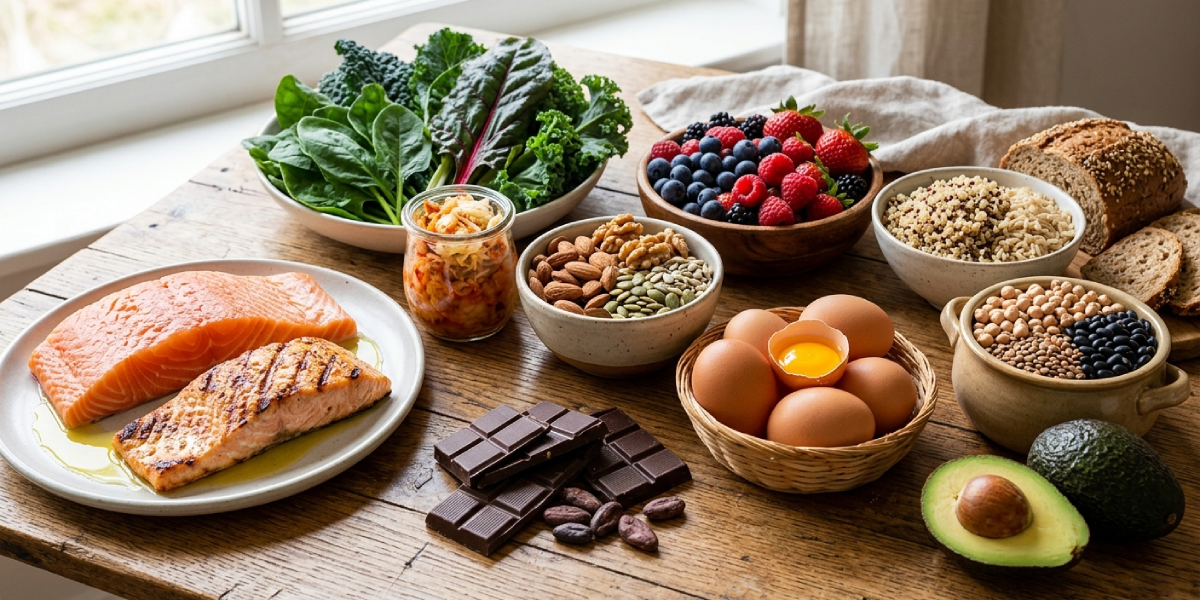
The best foods for mental health are more accessible than most people realize, and what you put on your plate every day plays a direct role in how you think, feel, and cope with stress. Decades of research in nutritional psychiatry have confirmed a powerful link between diet quality and mental well-being.
Whether you are managing anxiety, supporting focus, or simply trying to stabilize your mood, the right nutrients can make a meaningful difference.
This article breaks down exactly which foods have the strongest scientific backing for supporting brain health, how they work, and practical ways to incorporate them into your daily life. No extreme diets, no gimmicks. Just real food, rooted in evidence.
Why Food Affects Your Mental Health
Your brain is an energy-intensive organ. It consumes roughly 20 percent of your body’s total caloric intake and depends on a steady supply of glucose, amino acids, healthy fats, vitamins, and minerals to function at its best. When those nutrients are in short supply, cognitive performance, emotional regulation, and stress resilience all suffer.
The gut-brain axis is another key mechanism. Your gut contains hundreds of millions of neurons and produces about 90 percent of the body’s serotonin, the neurotransmitter most closely associated with mood regulation. The bacteria in your gut microbiome influence serotonin production, inflammatory signaling, and even the stress response.
A diet rich in fiber, fermented foods, and diverse plant matter feeds a healthy microbiome, which in turn supports a calmer, more balanced mind.
Chronic inflammation is also closely tied to depression and anxiety. Ultra-processed foods, refined sugars, and trans fats promote systemic inflammation that crosses the blood-brain barrier. Anti-inflammatory foods, by contrast, help protect neural tissue and support the production of brain-derived neurotrophic factor (BDNF), a protein critical for neuroplasticity and mood stability.
The Best Foods for Mental Health, Ranked by Evidence
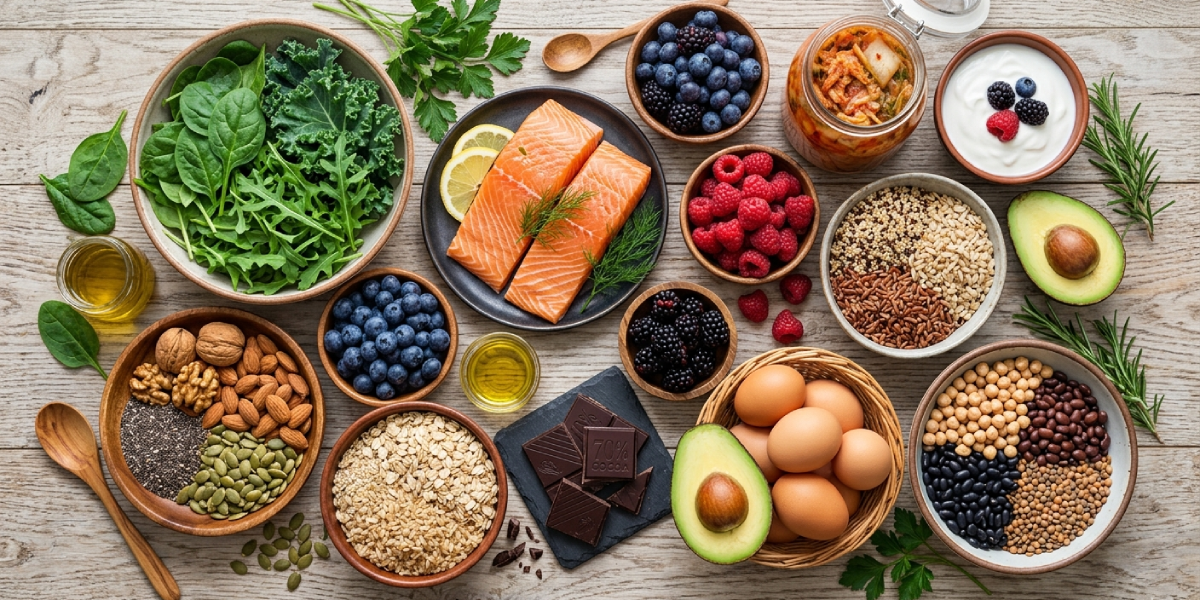
1. Fatty Fish
Salmon, mackerel, sardines, and trout are among the most extensively studied foods for brain health. They are rich in long-chain omega-3 fatty acids, specifically EPA (eicosapentaenoic acid) and DHA (docosahexaenoic acid). DHA makes up a significant portion of the brain’s structural fat, while EPA has been shown in multiple clinical trials to reduce symptoms of depression, sometimes as effectively as antidepressant medication in mild-to-moderate cases.
Aim for two to three servings of fatty fish per week. If fish is not part of your diet, algae-based omega-3 supplements are a well-validated plant-based alternative, since algae is where fish obtain their DHA in the first place.
2. Leafy Green Vegetables
Spinach, kale, Swiss chard, and collard greens are loaded with folate, a B vitamin that plays a central role in the synthesis of serotonin, dopamine, and norepinephrine. Folate deficiency has been repeatedly linked to higher rates of depression, and research suggests that adequate folate intake may enhance the effectiveness of antidepressant medications.
Leafy greens also provide magnesium, vitamin K, and lutein. Magnesium in particular acts as a natural relaxant, helping to regulate the hypothalamic-pituitary-adrenal (HPA) axis, the body’s primary stress response system. One large salad or a generous handful of cooked greens daily is a simple and effective target.
3. Fermented Foods
Yogurt, kefir, kimchi, sauerkraut, miso, and tempeh introduce beneficial probiotic bacteria into the gut. A growing body of research, sometimes called psychobiotic research, has found that certain strains of Lactobacillus and Bifidobacterium can reduce perceived stress, lower cortisol levels, and improve symptoms of anxiety and depression.
The key is variety and consistency. Eating a single type of fermented food occasionally will not deliver the same benefit as regularly rotating several sources. Look for products that contain live active cultures and no added sugars, which can counteract the probiotic benefit.
4. Nuts and Seeds
Walnuts deserve special mention because they contain plant-based ALA omega-3 fatty acids, polyphenols, and vitamin E, all of which have been associated with reduced depression risk. Population studies have found that people who eat walnuts regularly score higher on measures of positive mood and cognitive function.
Pumpkin seeds are an exceptional source of zinc, a mineral essential for neurotransmitter regulation. Flaxseeds and chia seeds add fiber and ALA omega-3s. Brazil nuts provide selenium, a trace mineral with antioxidant properties that supports thyroid function, which heavily influences mood and energy levels. A small daily handful of mixed nuts and seeds is an easy and effective mental health investment.
5. Berries
Blueberries, strawberries, raspberries, and blackberries contain high concentrations of anthocyanins, a class of flavonoid with powerful anti-inflammatory and neuroprotective effects. Studies have shown that regular berry consumption is associated with slower cognitive decline, improved memory, and reduced symptoms of depression in both adults and children.
Berries also have a relatively low glycemic impact compared to other fruits, meaning they support stable blood sugar levels, which is important because blood sugar fluctuations directly affect mood, concentration, and energy.
6. Whole Grains
Oats, brown rice, quinoa, whole-wheat bread, and barley provide complex carbohydrates that support steady serotonin production. Unlike refined carbohydrates, which cause sharp blood sugar spikes followed by crashes, whole grains release glucose slowly. This sustained energy delivery helps maintain mood stability and reduce the irritability and fatigue that often accompany blood sugar dips.
Oats in particular are rich in beta-glucan, a prebiotic fiber that feeds beneficial gut bacteria, reinforcing the gut-brain connection described earlier. Swapping refined grains for whole grains at most meals is one of the most impactful dietary changes you can make for mental well-being.
7. Eggs
Eggs are one of the few dietary sources of choline, a nutrient essential for the production of acetylcholine, a neurotransmitter involved in memory, attention, and mood regulation. They also contain tryptophan, the amino acid precursor to serotonin, as well as vitamins B6, B12, and D.
Vitamin B12 deficiency is strongly associated with depression, fatigue, and cognitive impairment, and eggs provide a readily absorbed form of this nutrient.
Two to four eggs per week is a reasonable intake for most healthy adults. The combination of protein, healthy fats, and brain-supporting micronutrients makes eggs one of the most nutritionally dense mental health foods available.
8. Dark Chocolate
Dark chocolate containing 70 percent or more cacao is rich in flavonoids that increase blood flow to the brain, reduce cortisol levels, and stimulate the release of endorphins and serotonin. It also contains small amounts of tryptophan, magnesium, and theobromine, a mild stimulant that can enhance alertness without the crash associated with caffeine.
The keyword here is dark. Milk chocolate and most commercial chocolate bars contain high levels of added sugar and dairy, which dilute the flavonoid content and introduce pro-inflammatory ingredients. One to two ounces of quality dark chocolate a few times per week provides the benefit without excess calories or sugar.
9. Legumes
Lentils, chickpeas, black beans, and other legumes are outstanding sources of plant-based protein, folate, zinc, and slow-digesting carbohydrates. Their high fiber content feeds the gut microbiome, while their protein provides the amino acid building blocks for neurotransmitter synthesis.
Legumes are also rich in iron, and even mild iron deficiency can cause fatigue, difficulty concentrating, and low mood.
Incorporating legumes into three to four meals per week, whether in soups, salads, or grain bowls, is one of the most cost-effective strategies for supporting mental health through diet.
10. Avocados
Avocados are rich in monounsaturated fats, potassium, folate, and vitamin B5. Their healthy fat content supports the myelin sheaths that insulate nerve fibers, enabling faster and more efficient neural communication. Potassium plays a role in regulating nerve impulses, while the combination of folate and B vitamins supports the methylation cycle, a biochemical process critical for mood regulation and stress response.
Key Nutrients That Support Mental Health
| Nutrient | Mental Health Role | Top Food Sources |
|---|---|---|
| Omega-3 Fatty Acids | Reduces depression and inflammation | Salmon, sardines, walnuts, flaxseed |
| Folate (B9) | Serotonin and dopamine synthesis | Spinach, lentils, asparagus, eggs |
| Magnesium | Stress regulation, anxiety reduction | Dark chocolate, pumpkin seeds, leafy greens |
| Zinc | Neurotransmitter regulation | Pumpkin seeds, oysters, beef, chickpeas |
| Vitamin D | Mood regulation, depression prevention | Fatty fish, egg yolks, fortified dairy |
| Vitamin B12 | Nerve function, energy, mood | Eggs, meat, dairy, nutritional yeast |
| Tryptophan | Serotonin precursor | Turkey, eggs, tofu, cheese, oats |
| Probiotics | Gut-brain axis support | Yogurt, kefir, kimchi, miso |
Foods to Limit or Avoid for Better Mental Health

Knowing what to eat is only half the equation. Certain foods actively work against mental health, and reducing them is just as important as adding beneficial ones.
Ultra-processed foods, including packaged snacks, fast food, and sugary beverages, consistently show up in research as predictors of worse mood, higher anxiety, and increased depression risk. They promote inflammation, disrupt the gut microbiome, and cause the blood sugar swings that undermine emotional stability.
Alcohol is another significant factor. While it may temporarily reduce anxiety, chronic or heavy alcohol use depletes B vitamins, disrupts sleep architecture, and is strongly associated with depression. Refined sugars deserve attention too.
A diet high in added sugars has been linked to structural changes in the hippocampus, the brain region most involved in mood regulation and memory.
How Diet Fits Into a Broader Mental Health Strategy
Food is a foundational element of mental health, but it works best as part of a broader lifestyle. Regular physical activity has robust evidence for reducing depression and anxiety, increasing BDNF, and improving sleep quality. Exploring evidence-based exercise strategies alongside dietary improvements creates a compounding positive effect that neither approach achieves alone.
Sleep, stress management, social connection, and professional support are equally important pillars. If you are experiencing persistent symptoms of depression, anxiety, or other mental health conditions, dietary changes are a powerful complement to professional care, not a replacement for it.
For a deeper dive into how nutrition intersects with overall well-being, the health resources available here offer practical, well-researched guidance.
Body weight also has a bidirectional relationship with mental health. Conditions like obesity are associated with higher rates of depression and anxiety, partly due to inflammation, hormonal disruption, and reduced physical activity. If weight management is part of your wellness goals, using a BMI calculator can be a helpful starting point for understanding where you stand and tracking changes over time.
Practical Tips for Building a Mental Health Diet
- Start with one swap at a time. Replace a refined grain with a whole grain, or a sugary snack with a handful of walnuts. Small, sustainable changes accumulate into meaningful long-term results.
- Prioritize variety. A diverse diet exposes your gut microbiome to a wider range of fibers and polyphenols, which supports greater microbial diversity and better mental health outcomes.
- Cook more meals at home. Home-cooked meals give you control over ingredients and reduce your exposure to the ultra-processed additives, refined oils, and excessive sugars found in many restaurant and packaged foods.
- Eat regularly and avoid skipping meals. Consistent meal timing supports stable blood sugar, which directly stabilizes mood and energy throughout the day.
- Stay well hydrated. Even mild dehydration impairs concentration, increases feelings of anxiety, and worsens mood. Aim for at least six to eight glasses of water daily, more if you are active or in a hot climate.
- Do not fear healthy fats. Fats from avocados, olive oil, nuts, and fatty fish are essential for brain structure and hormone production. Avoiding all fat in the name of health can actually harm mental well-being.
The Mediterranean Diet and Mental Health
The Mediterranean dietary pattern, which emphasizes olive oil, vegetables, legumes, fish, whole grains, nuts, and moderate red wine, is one of the most studied dietary approaches in relation to mental health.
Multiple large-scale observational studies and several randomized controlled trials have found that adherence to the Mediterranean diet is associated with significantly lower rates of depression, better cognitive function in older adults, and reduced risk of dementia.
The SMILES trial, a landmark Australian randomized controlled trial published in 2017, found that participants who received dietary support and moved toward a Mediterranean-style diet experienced significantly greater reductions in depression symptoms compared to a social support control group.
This study was pivotal in establishing diet as a credible intervention for clinical depression, not just prevention.
You do not need to live near the Mediterranean to benefit from this pattern. Its core principles, eating mostly whole plant foods, choosing fish over red meat most of the time, using olive oil as your primary fat, and minimizing processed foods, are adaptable to virtually any cuisine and food budget.
Frequently Asked Questions
Can food really affect my mood and mental health?
Yes, absolutely. Nutritional psychiatry is a well-established research field that has demonstrated consistent links between dietary quality and mental health outcomes including depression, anxiety, stress resilience, and cognitive function. The gut-brain axis, inflammation pathways, and nutrient cofactors in neurotransmitter synthesis are the primary mechanisms through which food influences mental well-being.
What is the single best food for mental health?
No single food is a magic solution, but fatty fish such as salmon and sardines consistently rank at the top due to their high EPA and DHA omega-3 content, which has strong clinical evidence for reducing depression symptoms and supporting brain structure. Including fatty fish two to three times per week is one of the most impactful dietary changes you can make for mental health.
How long does it take for dietary changes to affect mental health?
Some effects, such as blood sugar stabilization and improved energy, can be noticed within days. More significant changes in mood, anxiety, and cognitive clarity typically emerge over four to twelve weeks of consistent dietary improvement. Gut microbiome shifts in response to dietary changes can take several weeks to months, and this timeline tracks closely with when people begin to report mood improvements from probiotic-rich and high-fiber diets.
Are there foods that worsen depression or anxiety?
Yes. Ultra-processed foods, refined sugars, artificial trans fats, and excessive alcohol have all been associated with higher rates of depression and anxiety in research. These foods promote inflammation, disrupt gut microbiome balance, destabilize blood sugar, and deplete key micronutrients involved in mood regulation. Reducing their presence in your diet is as important as increasing nutrient-dense whole foods.
Is the gut-brain connection real?
Yes. The gut-brain axis is a well-documented bidirectional communication network between the gastrointestinal tract and the brain, mediated by the vagus nerve, immune signals, and microbial metabolites. The gut produces roughly 90 percent of the body’s serotonin. Research has shown that gut microbiome composition influences mood, stress reactivity, anxiety, and even cognitive function, making gut health a central pillar of mental health nutrition.
Do omega-3 supplements work the same as eating fatty fish?
Omega-3 supplements can be effective, particularly high-quality fish oil or algae-based omega-3 supplements with a high EPA-to-DHA ratio. However, whole fish provide additional nutrients including vitamin D, selenium, and high-quality protein that are not present in most supplements. Whole food sources are generally preferred, but supplements are a valid option for people who do not eat fish or cannot meet their omega-3 needs through diet alone.
Can diet help with anxiety specifically?
Yes. Several nutrients and dietary patterns have been associated with reduced anxiety. Magnesium-rich foods help regulate the stress response by calming the HPA axis. Fermented probiotic foods have been shown in clinical studies to reduce perceived stress and lower cortisol. Avoiding caffeine overconsumption, refined sugars, and alcohol can also significantly reduce anxiety symptoms, particularly in people who are sensitive to these triggers.
Is the Mediterranean diet the best diet for mental health?
The Mediterranean diet has the strongest and most consistent evidence base among named dietary patterns for mental health benefits, including reduced depression risk and better cognitive outcomes. Other evidence-supported patterns include the MIND diet (a hybrid of Mediterranean and DASH diets designed specifically for brain health) and general whole-food, plant-rich dietary approaches. The best diet for mental health is one that is rich in whole foods, minimizes ultra-processed items, and that you can maintain consistently over the long term.
What vitamins are most important for mental health?
The B vitamins, especially B6, B9 (folate), and B12, are among the most critical for mood and cognitive function due to their roles in neurotransmitter synthesis and methylation. Vitamin D deficiency is strongly associated with depression, particularly in regions with limited sunlight exposure. Vitamin C has antioxidant properties that support stress resilience. Getting these vitamins from whole food sources is preferred, though targeted supplementation may be appropriate if deficiencies are confirmed through blood testing.
Can children benefit from mental health nutrition as well?
Yes, and evidence suggests that early dietary patterns have lasting impacts on brain development, mood regulation, and mental health risk. Children who consume more vegetables, fruits, whole grains, and omega-3-rich foods show better attention, lower rates of anxiety and depression, and stronger cognitive performance compared to those on diets high in ultra-processed foods and added sugars. Establishing healthy eating habits in childhood creates a nutritional foundation that supports mental well-being across the lifespan.