


If you want to learn how to boost your immune system naturally, the good news is that the most effective strategies are also the most accessible ones. After years of researching and writing about preventive health, I’ve found that small, consistent habits do far more for your body’s defenses than any single supplement or trendy “detox.”
This guide breaks down what actually works, based on established medical guidance, and how to fit it into a real, busy life.
Your immune system isn’t a switch you flip on demand. It’s a finely tuned network of cells, organs, and chemical signals that responds best when your body is well-rested, well-fed, physically active, and not under constant stress. Let’s walk through exactly how to support it, step by step.
Understanding How Your Immune System Actually Works
Before diving into tips, it helps to understand what you’re actually trying to support. Your immune system has two main branches: innate immunity, which responds immediately and nonspecifically to any threat, and adaptive immunity, which learns to recognize specific pathogens over time, including through vaccination.
Both branches rely heavily on adequate nutrients, restorative sleep, and balanced stress hormones to function properly.
There’s no single food, pill, or routine that “supercharges” immunity overnight. Instead, think of immune health as a long-term project, similar to how you’d build strength in a muscle. Daily inputs add up, and neglecting one area, like sleep, can undermine progress in another, like diet.
Prioritize Quality Sleep
Sleep is, without exaggeration, one of the most underrated immune boosters available to you. While you sleep, your body produces and releases cytokines, proteins that help regulate immune responses and fight inflammation and infection. Skimping on sleep reduces this production and leaves you more vulnerable to common illnesses.
Most healthy adults need between 7 and 9 hours of quality sleep each night. A few practical adjustments can make a real difference:
- Keep a consistent sleep and wake time, even on weekends
- Keep your bedroom cool, dark, and quiet
- Avoid screens for at least 30 to 60 minutes before bed
- Limit caffeine intake in the afternoon and evening
If you struggle with sleep despite good habits, it’s worth speaking with a healthcare provider, since chronic sleep disruption can be tied to underlying issues that affect more than just your immune system.
Eat a Nutrient-Dense, Varied Diet
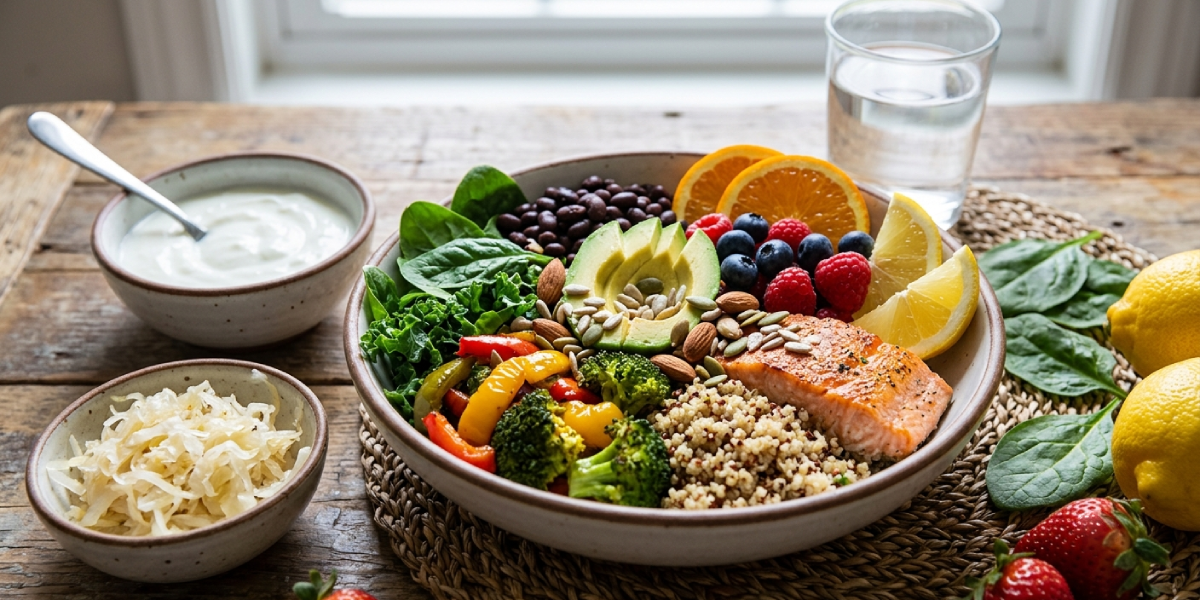
Your immune cells need a steady supply of vitamins, minerals, and antioxidants to function well. Rather than chasing a single “superfood,” aim for variety and color on your plate. A few nutrients consistently linked to healthy immune function include:
- Vitamin C, found in citrus fruits, bell peppers, and strawberries
- Vitamin D, found in fatty fish, egg yolks, and fortified foods, along with sensible sun exposure
- Zinc, found in legumes, nuts, seeds, and whole grains
- Antioxidant-rich produce like leafy greens, berries, and cruciferous vegetables
- Probiotic and fermented foods, such as yogurt, kefir, and sauerkraut, which support gut health
Gut health deserves special mention here, since a large portion of your immune system is actually housed in your digestive tract. A diet rich in fiber from vegetables, fruits, legumes, and whole grains feeds beneficial gut bacteria, which in turn helps regulate immune responses throughout the body.
If you’re working on your overall diet and want a clearer picture of where you stand, you might find it useful to check your numbers using a BMI calculator as a starting point for setting realistic nutrition and weight goals.
Stay Consistently Physically Active
Regular, moderate exercise is one of the most well-supported ways to support immune function over the long term. Physical activity improves circulation, which allows immune cells to move through the body more efficiently, and it also helps reduce chronic inflammation when done consistently and without overtraining.
You don’t need intense workouts to see benefits. Aim for at least 150 minutes of moderate aerobic activity per week, such as brisk walking, cycling, or swimming, combined with two days of strength training. If you’re looking for structured routines to build into your week, browsing a library of exercise routines can help you find something sustainable that fits your schedule and fitness level.
One important caveat: extremely intense or prolonged exercise without adequate recovery can temporarily suppress immune function. Balance is key. Rest days and recovery matter just as much as the workouts themselves.
Manage Stress Proactively
Chronic stress keeps cortisol levels elevated, and over time this can blunt immune responses and increase susceptibility to illness. Unlike short-term stress, which can actually be adaptive, ongoing unmanaged stress is consistently associated with poorer health outcomes.
Practical stress-management techniques that fit into daily life include:
- Five to ten minutes of deep breathing or meditation daily
- Regular time outdoors, even short walks during the workday
- Journaling or gratitude practices before bed
- Setting boundaries around work hours and screen time
These habits don’t need to be elaborate. Even a few minutes a day, done consistently, tends to outperform occasional long sessions of “relaxation” squeezed in once a month.
Stay Hydrated
Water plays a quiet but essential role in immune health. It helps transport nutrients to cells, supports lymphatic circulation, which carries immune cells throughout the body, and helps your kidneys flush out waste and toxins. Mild dehydration is common and can leave you feeling fatigued, which indirectly affects how well your body copes with stress and illness.
A simple rule of thumb is to drink water consistently throughout the day rather than waiting until you feel thirsty, and to check that your urine is pale yellow as a general hydration marker. Needs vary by body size, climate, and activity level, so adjust accordingly.
Practice Good Hygiene and Preventive Habits

Some of the simplest immune-supportive habits are also the most overlooked. Washing your hands thoroughly and frequently remains one of the most effective ways to reduce your exposure to common pathogens. Staying current on recommended vaccinations, including seasonal flu shots, is the one intervention with the strongest direct evidence for building specific immunity against targeted diseases.
Other habits worth maintaining include avoiding tobacco products, moderating alcohol intake, and washing fruits and vegetables before eating them. None of these are glamorous, but together they meaningfully reduce your day-to-day exposure to illness.
Be Cautious With Supplements
Walk into any pharmacy and you’ll see shelves of products promising to “boost immunity.” In reality, most healthy people who eat a varied diet don’t need additional supplementation. If you have a confirmed deficiency, such as low vitamin D or iron, targeted supplementation under medical guidance can help.
But megadosing vitamins without a documented need rarely provides extra benefit and can occasionally cause harm.
Before starting any new supplement, it’s worth a conversation with your doctor, especially if you take other medications, are pregnant, or have an existing health condition.
Building a Sustainable Immune-Supportive Routine
The table below summarizes the core habits covered above and how often to practice them for meaningful results.
| Habit | Recommended Frequency | Primary Benefit |
|---|---|---|
| Sleep | 7 to 9 hours nightly | Supports cytokine production and recovery |
| Balanced nutrition | Daily, with variety | Supplies vitamins, minerals, and antioxidants |
| Physical activity | 150 minutes per week | Improves circulation and reduces inflammation |
| Stress management | 5 to 10 minutes daily | Regulates cortisol and inflammatory response |
| Hydration | Throughout the day | Supports lymphatic and cellular function |
| Hand hygiene | Multiple times daily | Reduces pathogen exposure |
None of these habits work in isolation. A diet rich in nutrients won’t compensate for chronic sleep deprivation, and exercise alone won’t offset unmanaged stress. For a broader look at how these pieces fit together, you can explore more health and wellness guidance to build a routine tailored to your lifestyle.
When to See a Doctor
If you find yourself getting sick frequently, recovering slowly, or experiencing persistent fatigue despite healthy habits, it’s worth scheduling an evaluation with a healthcare provider. Recurrent infections can sometimes signal an underlying issue, such as a nutrient deficiency, hormonal imbalance, or, less commonly, an immune disorder that needs proper diagnosis and treatment rather than lifestyle tweaks alone.
Frequently Asked Questions
What is the fastest way to boost your immune system naturally?
There’s no instant fix, but prioritizing sleep, hydration, and a nutrient-rich diet for even a few days can noticeably improve how your body handles everyday stressors and minor illnesses.
Can vitamin C supplements prevent colds?
Vitamin C from food supports normal immune function, but research on supplements shows they may slightly shorten cold duration rather than prevent colds altogether, especially for people who are already deficient.
Does exercise weaken or strengthen the immune system?
Moderate, regular exercise strengthens immune function over time. However, very intense or prolonged exercise without proper recovery can temporarily suppress immunity, which is why rest days matter.
How much sleep do I need for a healthy immune system?
Most adults need 7 to 9 hours of quality sleep per night. Consistently sleeping less than 6 hours is associated with a higher risk of getting sick.
Are immune-boosting supplements actually necessary?
For most healthy people eating a varied diet, supplements aren’t necessary. They may help in cases of a confirmed deficiency, but should be used under medical guidance rather than as a general precaution.
Does stress really affect immune function?
Yes. Chronic, unmanaged stress raises cortisol levels over time, which can interfere with normal immune responses and increase susceptibility to illness.
What foods are best for immune health?
Citrus fruits, bell peppers, leafy greens, nuts, seeds, legumes, fatty fish, and fermented foods like yogurt all provide nutrients that support different aspects of immune function.
How does hydration affect immunity?
Water supports lymphatic circulation, which moves immune cells through your body, and helps your kidneys clear waste. Even mild dehydration can leave you feeling fatigued and run down.
Can you boost your immune system in a single day?
No single day of healthy habits will dramatically change your immune function. Immune health builds over weeks and months of consistent sleep, nutrition, activity, and stress management.
Is it possible to over-boost your immune system?
An overactive immune response isn’t beneficial either, since it’s linked to chronic inflammation and autoimmune issues. The goal is balance and proper regulation, not maximum activation.