

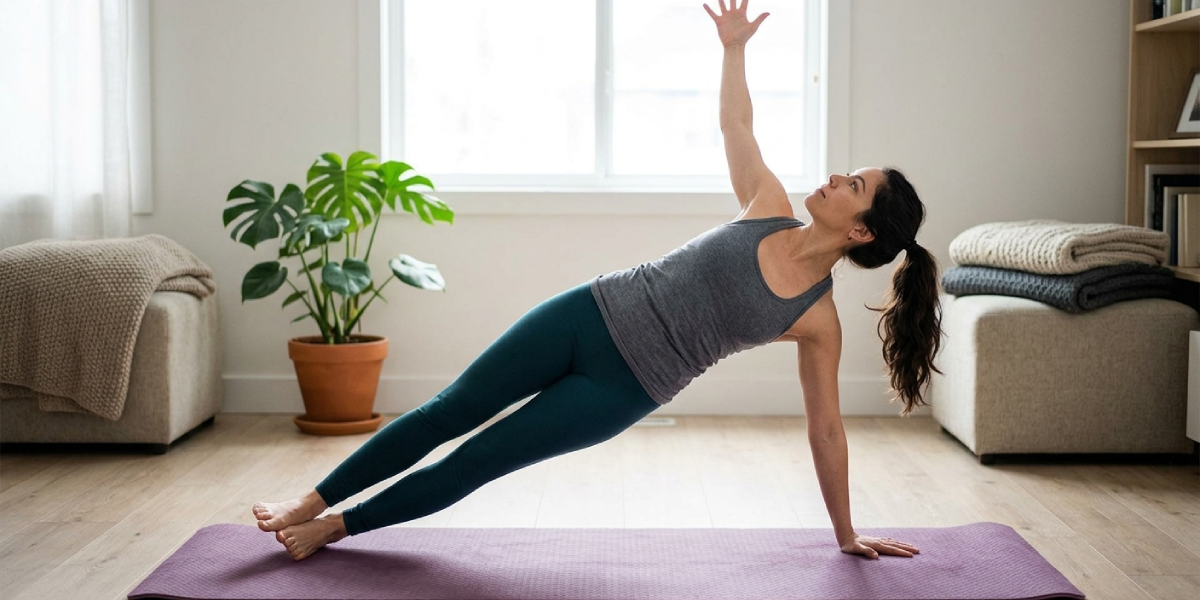
Learning how to exercise with a yoga mat is one of the simplest ways to build a consistent home workout habit without spending money on a gym membership or bulky equipment. After years of using mats for everything from morning stretches to high-intensity interval training, I can say with confidence that a good mat is the most underrated piece of fitness equipment you can own.
A yoga mat is not just for yoga. It is a portable, cushioned, non-slip surface that supports bodyweight training, stretching, core work, balance exercises, and recovery routines. Whether you are working out in a small apartment, a hotel room, or your backyard, the mat gives your joints protection and your feet a stable grip so you can move with confidence.
Why a Yoga Mat Is More Versatile Than You Think
Most people buy a yoga mat thinking it only serves one purpose, but the textured surface and cushioning make it ideal for dozens of exercise styles. The padding reduces pressure on your knees, wrists, and spine during floor work, while the grip prevents slipping during dynamic movements like burpees or mountain climbers.
This versatility is why fitness trainers often recommend a mat as the first purchase for anyone starting a home routine, alongside resistance bands or light dumbbells.
If you are building a broader home workout plan, it helps to explore different exercise routines that pair well with mat-based training, such as bodyweight circuits, mobility flows, and low-impact cardio.
Choosing the Right Yoga Mat for Exercise
Not every mat is built the same, and the right choice depends on the type of exercise you plan to do most often.
Thickness
Standard mats range from 3mm to 6mm thick. A 3mm to 4mm mat offers better stability for balance work like planks and yoga poses, while a 5mm to 6mm mat provides extra cushioning for joint-heavy movements such as kneeling lunges or floor crunches.
Material
PVC mats are durable and affordable but less eco-friendly. TPE mats offer a good balance of grip, cushioning, and recyclability. Natural rubber mats provide excellent traction, especially when you sweat, but can be heavier and have a stronger initial odor.
Texture and Grip
Look for a mat with a slightly textured surface. A smooth mat may look sleek, but it becomes dangerously slippery once you start sweating during a cardio or strength session.
Warming Up on a Yoga Mat
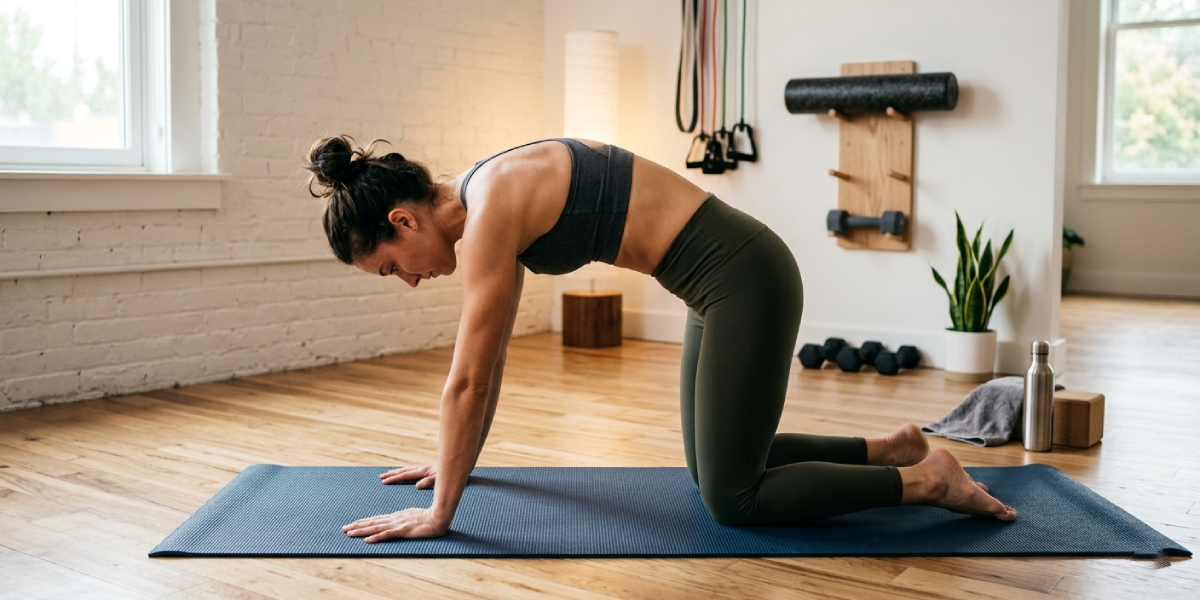
Every effective workout starts with a proper warm-up, and the mat is the perfect surface for it. Spend five to eight minutes on dynamic movements before jumping into harder exercises.
- Cat-cow stretches to mobilize the spine
- Standing forward folds to loosen hamstrings
- Hip circles and leg swings for joint mobility
- Arm circles and shoulder rolls to prep the upper body
A proper warm-up increases blood flow to the muscles and reduces the risk of strains, which matters whether you are 25 or 65. This is a basic principle of exercise physiology supported by sports medicine professionals worldwide.
Strength Training Exercises You Can Do on a Yoga Mat
You do not need a rack of weights to build real strength. Bodyweight training on a mat can challenge every major muscle group when programmed correctly.
Push-Ups
Place your hands shoulder-width apart on the mat, keep your core tight, and lower your chest toward the floor. The mat protects your wrists and palms from hard flooring, making it easier to maintain proper form over multiple sets.
Planks and Side Planks
Planks are one of the most effective core exercises because they engage the abdominals, lower back, and shoulders simultaneously. Hold for 20 to 60 seconds depending on your fitness level, keeping your hips level and avoiding sagging.
Glute Bridges
Lie on your back with knees bent and feet flat on the mat, then lift your hips toward the ceiling while squeezing your glutes. This exercise strengthens the posterior chain, which is often neglected in seated lifestyles.
Bird Dogs
From a kneeling position, extend one arm and the opposite leg simultaneously while keeping your spine neutral. This builds core stability and improves balance, which becomes increasingly important as we age.
Cardio and HIIT on a Yoga Mat
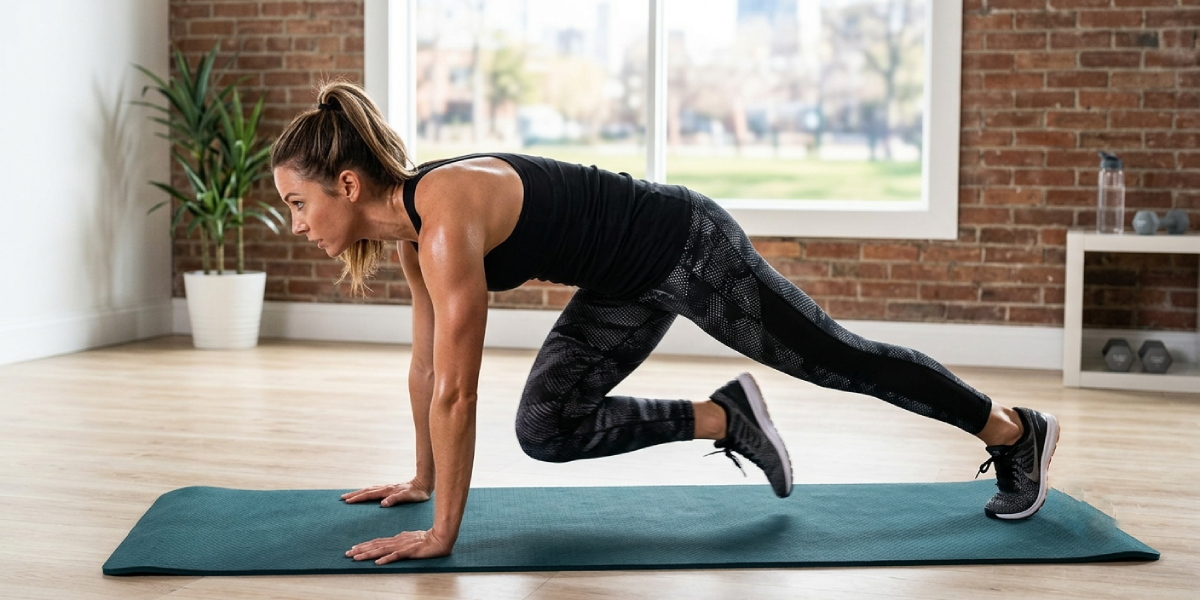
A mat can also support intense calorie-burning workouts. Mountain climbers, burpees, high knees, and jumping jacks all benefit from the cushioning and slip resistance a mat provides, especially on hardwood or tile floors.
A simple structure that works well for beginners and intermediate exercisers alike is 40 seconds of work followed by 20 seconds of rest, repeated for 4 to 6 rounds per exercise. This interval style is grounded in established HIIT research showing improved cardiovascular fitness and metabolic benefits compared to steady-state cardio alone.
Stretching and Recovery
Recovery is just as important as the workout itself, and the mat plays a critical role here too. Static stretches held for 20 to 30 seconds after a workout help reduce muscle tightness and improve long-term flexibility.
| Stretch | Target Area | Hold Time |
|---|---|---|
| Seated forward fold | Hamstrings, lower back | 30 seconds |
| Child’s pose | Hips, lower back, shoulders | 30 seconds |
| Figure-four stretch | Glutes, hips | 20 seconds per side |
| Cobra stretch | Abdominals, chest | 20 seconds |
Consistent stretching also supports better posture and can reduce the everyday aches that come from sitting at a desk for long hours.
Balance and Mobility Work
Balance training is often overlooked, but it plays a major role in injury prevention, particularly for older adults or anyone recovering from an injury. Practicing single-leg stands, tree pose, or controlled lunges on a stable mat surface helps train the small stabilizing muscles around the ankles, knees, and hips.
How a Yoga Mat Fits Into Your Overall Fitness Goals
A mat alone will not transform your body, but it is a foundational tool that supports nearly every other part of a fitness plan. Pairing mat workouts with proper nutrition and tracking your progress over time gives you a clearer picture of your overall health.
If you are unsure where your current fitness level stands, you can use a BMI calculator to get a baseline number before starting a new routine.
It is also worth exploring broader health resources that cover nutrition, sleep, and recovery, since exercise alone is only one piece of a sustainable wellness routine.
Common Mistakes to Avoid When Exercising on a Yoga Mat
- Using a mat that is too thin for joint-heavy exercises, leading to wrist or knee discomfort
- Skipping the warm-up and going straight into intense movement
- Ignoring mat hygiene, which allows bacteria and odor to build up over time
- Placing the mat on an uneven surface, increasing the risk of slipping during dynamic moves
- Not replacing a worn-out mat once the surface becomes smooth and loses grip
Maintaining and Cleaning Your Yoga Mat
A clean mat lasts longer and stays safer to use. Wipe it down after every sweaty session with a mix of mild soap and water, or a dedicated mat cleaner. Avoid harsh chemicals, which can break down the material and reduce grip over time. Let it air dry fully before rolling it up to prevent mold or odor buildup.
Frequently Asked Questions
Can I use a yoga mat for exercises other than yoga?
Yes. Yoga mats work well for strength training, stretching, Pilates, HIIT, and balance exercises because of their cushioning and grip.
What thickness of yoga mat is best for exercise?
A 4mm to 6mm mat is generally best for exercise, offering a balance between joint protection and stability.
Is a yoga mat necessary for home workouts?
It is not strictly necessary, but it greatly improves comfort, grip, and safety, especially on hard flooring like tile or hardwood.
How often should I clean my yoga mat?
Clean it after every workout that involves sweating, and do a deeper clean once a week with soap and water.
Can a yoga mat help with joint pain during exercise?
Yes, the cushioning reduces direct impact on the knees, wrists, and elbows, making floor exercises more comfortable.
What is the best material for an exercise yoga mat?
TPE and natural rubber mats generally offer the best combination of grip, durability, and comfort for varied workouts.
How long does a yoga mat typically last?
With regular use, a quality mat lasts between one and three years before the surface wears down and loses grip.
Can beginners use a yoga mat for strength training?
Absolutely. Beginners can start with bodyweight exercises like push-ups, planks, and glute bridges directly on the mat.
Should I size up my yoga mat for taller users?
Yes, taller individuals should consider extra-long mats, typically 72 to 84 inches, to ensure full body coverage during exercises.