

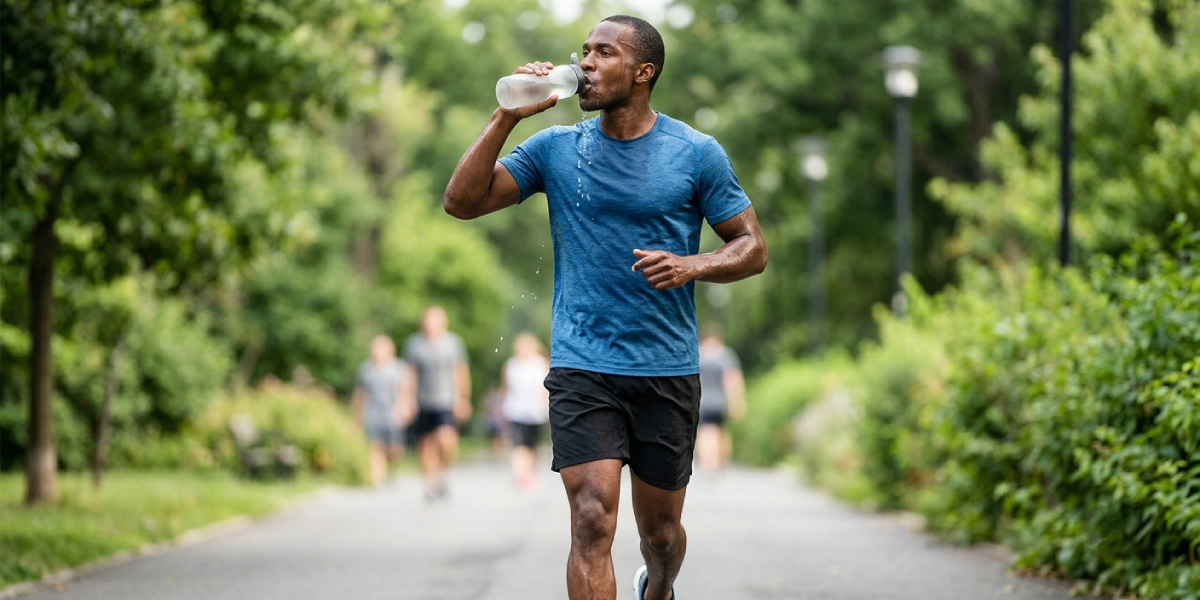
Staying hydrated during exercise matters more than most people realize, because even mild fluid loss can quietly sabotage your strength, focus, and recovery before you ever notice you’re thirsty.
I’ve spent years coaching everyday athletes through workouts in humid gyms and scorching outdoor sessions, and the single most common mistake I see isn’t bad form or poor programming. It’s dehydration that nobody catches until performance has already dropped.
This guide breaks down what actually happens to your body when fluid levels drop during a workout, how much you really need to drink, and how to build a hydration habit that holds up whether you’re lifting weights, running, or just trying to survive a hot afternoon walk.
What Happens to Your Body When You Don’t Drink Enough
Sweat is your body’s cooling system. As you exercise, your core temperature rises, and your body releases sweat to evaporate heat away from your skin. The problem is that sweat isn’t just water. It carries sodium, potassium, and other electrolytes your muscles and nerves depend on to function properly.
Once you lose more fluid than you replace, your blood volume drops slightly. Your heart has to work harder to push the same amount of oxygen to your muscles, which is why a workout that felt manageable on a well-hydrated day can suddenly feel brutal when you’re running a fluid deficit.
Even a loss equal to about 2 percent of your body weight in sweat has been shown to reduce endurance capacity and increase perceived effort, meaning the workout doesn’t just get harder, it feels harder too.
The Domino Effect on Performance
Dehydration rarely shows up as one isolated symptom. It tends to cascade:
- Reduced blood volume puts extra strain on the cardiovascular system
- Muscle cramping becomes more likely as electrolytes become imbalanced
- Reaction time and coordination slow down, raising injury risk
- Mental fatigue sets in faster, making workouts feel mentally heavier
- Recovery slows because the body needs adequate fluid to repair tissue and flush waste products
If you’ve ever hit a wall halfway through a session for no obvious reason, hydration status is one of the first things worth checking before blaming your training plan.
How Much Water Do You Actually Need During Exercise
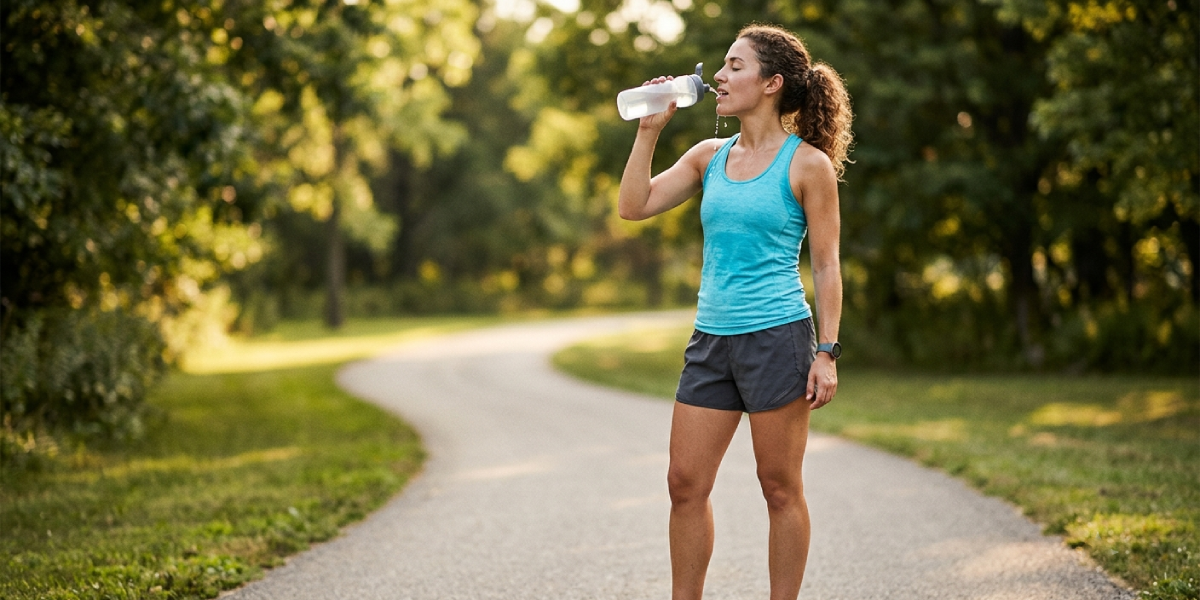
There’s no single magic number that applies to everyone, and that’s actually backed by current sports science guidance. Sweat rates vary enormously based on body size, fitness level, heat acclimatization, and workout intensity, ranging anywhere from roughly 0.3 to over 2 liters per hour depending on the person and conditions.
That said, general benchmarks are useful as a starting point if you don’t want to get overly technical:
| Timing | General Recommendation |
|---|---|
| 2-3 hours before exercise | About 500-600 ml (17-20 oz) of water |
| During exercise | Roughly 200-300 ml (7-10 oz) every 15-20 minutes |
| After exercise | About 1.5 times the fluid weight lost during the session |
That post-exercise figure matters more than most people think. If you weigh yourself before and after a workout and notice you’ve lost half a kilogram, you’d want to replace roughly 750 ml of fluid afterward, not just sip until your thirst disappears. Thirst typically resolves before full rehydration is complete.
A Simple Way to Find Your Personal Sweat Rate
If you exercise regularly and want a more individualized number, try this:
- Weigh yourself (lightly dressed) immediately before a one-hour workout
- Track exactly how much fluid you drink during that hour
- Weigh yourself again immediately afterward, before eating or drinking anything else
- Calculate the difference, accounting for fluid consumed, to estimate your hourly sweat loss
Repeat this on a hot day and a cooler day, since your sweat rate will shift with temperature and humidity. Over time you’ll build a realistic picture of your own hydration needs rather than relying on generic advice that may not fit your body.
Signs You’re Already Behind on Fluids
Waiting until you feel thirsty is a flawed strategy, because thirst is a lagging indicator. Your body often needs fluid before the thirst signal even kicks in. Watch instead for these earlier warning signs during a session:
- Unusually dark yellow urine before or after a workout
- A faster-than-usual heart rate at a pace that normally feels easy
- Dry mouth, dry skin, or a headache forming midway through exercise
- Sudden drops in motivation or focus during routine sets
- Muscle twitching or early cramping, especially in the calves or hamstrings
If you train consistently and want to track how hydration and body composition interact over time, pairing your training log with a tool like the BMI calculator can help you keep an eye on overall trends, alongside more direct hydration markers like urine color and pre/post workout body weight.
Hydration Strategies for Different Types of Exercise
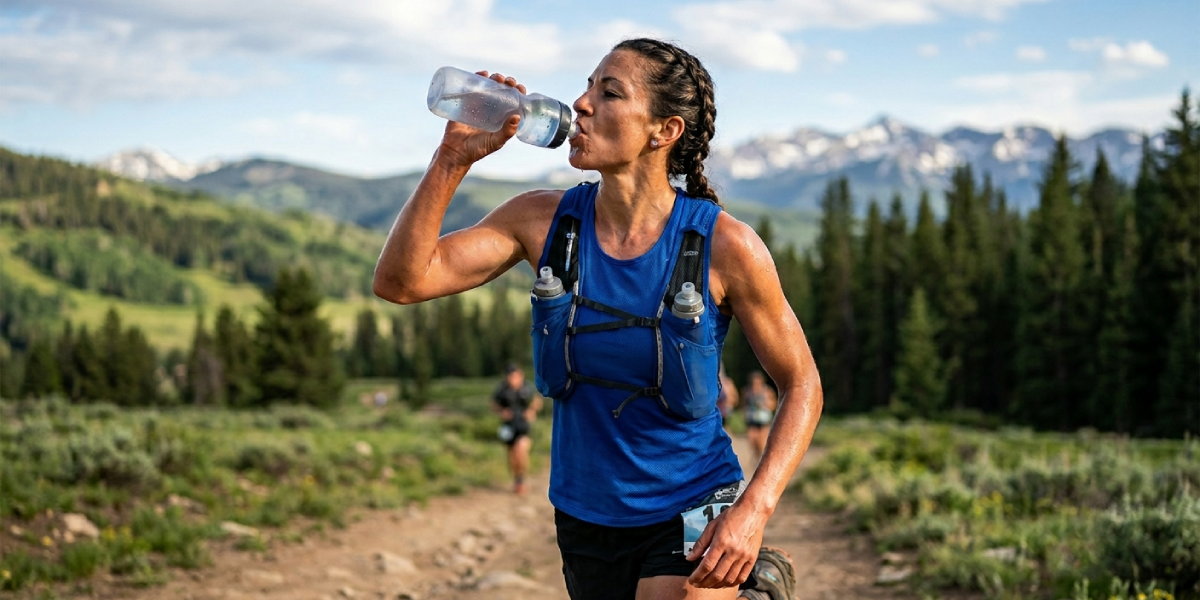
Not every workout demands the same approach. A 20-minute mobility session has very different fluid demands than a 90-minute outdoor run in July.
Strength Training and Short Sessions
For workouts under an hour at moderate intensity in a temperature-controlled environment, plain water is usually sufficient. Sip consistently between sets rather than gulping large amounts at once, which can cause stomach discomfort during heavier lifts.
Endurance and Longer Cardio Sessions
Once a session crosses the one-hour mark, especially in heat, electrolyte replacement becomes more important. Sodium losses through sweat can be substantial in heavy sweaters, and water alone won’t replace them. A diluted electrolyte drink or a small amount of salty food alongside water can help maintain fluid balance during longer outdoor runs, cycling sessions, or team sports practices.
You can find structured training ideas suited to different fitness levels in our exercises section, many of which factor in session length and intensity, both of which directly affect how much fluid you’ll need.
Hot and Humid Conditions
Heat dramatically increases sweat rate, but humidity makes things worse because sweat can’t evaporate as efficiently, meaning your cooling system works harder for less payoff. In these conditions, front-load hydration earlier in the day, shorten high-intensity intervals, and increase your drinking frequency rather than just the volume per sip.
Common Hydration Mistakes I See Often
A few patterns show up again and again with people who struggle to feel consistently good during workouts:
- Drinking large volumes only before a workout instead of spreading intake throughout the day
- Relying purely on thirst as a signal, which often arrives after performance has already declined
- Overcorrecting with excessive water intake during very long endurance events without any electrolytes, which can lead to a dangerous condition called exercise-associated hyponatremia
- Skipping rehydration after a workout because the immediate thirst feeling has already passed
- Assuming caffeinated drinks don’t count toward hydration, when moderate caffeine intake has a minimal diuretic effect for regular consumers
The hyponatremia point deserves extra attention. Current sports medicine guidance actually leans toward drinking according to thirst during long endurance events rather than forcing large fixed volumes, since overdrinking plain water without replacing sodium can dilute blood sodium levels to dangerous concentrations. Balance, not maximum intake, is the real goal.
Building a Sustainable Hydration Habit
The most reliable hydration strategy is one you barely have to think about. A few habits that consistently work for the people I’ve coached:
- Keep a water bottle visible during the workday, not just during workouts
- Add a hydration check to your warm-up routine, the same way you’d check your shoes or equipment
- Use urine color as a quick, free, and reasonably reliable daily indicator
- Plan electrolyte intake for sessions longer than 60-90 minutes, especially in heat
- Treat post-workout rehydration as part of recovery, not an afterthought
Hydration works best as part of a broader approach to wellness rather than an isolated checkbox. If you’re looking to connect hydration habits with other lifestyle factors like sleep, nutrition, and recovery, our health resources cover how these pieces fit together for long-term fitness results.
The Bottom Line
Hydration isn’t just about avoiding cramps or feeling thirsty. It directly affects how hard your heart has to work, how clearly you think, how well your muscles perform, and how quickly you recover. The good news is that fixing hydration habits is one of the most accessible improvements available to almost anyone, requiring no special equipment and very little extra time.
Pay attention to your body’s earlier signals, personalize your intake to your own sweat rate, and treat hydration as a core part of training rather than an optional extra.
Frequently Asked Questions
How much water should I drink before a workout?
Aim for roughly 500 to 600 ml of water about two to three hours before exercising, giving your body time to absorb the fluid and pass any excess before you start.
Is it possible to drink too much water during exercise?
Yes. Drinking excessive amounts of plain water without replacing electrolytes during long sessions can lead to exercise-associated hyponatremia, a potentially serious drop in blood sodium levels. Moderation and electrolyte balance matter as much as total volume.
Do sports drinks work better than water during exercise?
For sessions under an hour at moderate intensity, water is typically enough. For longer or more intense sessions, especially in heat, a sports drink with electrolytes can help replace sodium losses that water alone won’t address.
What are the early signs of dehydration during a workout?
Early signs include a higher than normal heart rate for a given effort, dry mouth, reduced focus, early muscle fatigue, and dark urine before the session even started.
How can I tell if I’m properly hydrated?
Light yellow urine, consistent body weight before and after similar workouts, and steady energy levels throughout a session are all practical indicators of good hydration status.
Does caffeine before a workout cause dehydration?
For regular caffeine consumers, moderate intake has a minimal diuretic effect and does not meaningfully contribute to dehydration during exercise.
How much fluid should I drink after exercise?
A practical guideline is to replace about 150 percent of the fluid weight lost during the session, since thirst tends to resolve before full rehydration is achieved.
Does the type of exercise change how much water I need?
Yes. Higher intensity, longer duration, and hotter or more humid conditions all increase sweat rate and fluid needs, while shorter or lower intensity sessions require comparatively less.
Can dehydration affect muscle recovery?
Yes. Adequate fluid is necessary for nutrient transport and waste removal at the cellular level, so chronic under-hydration can slow muscle repair and prolong soreness after training.