


If you want to know how to tone your body with exercise, you are in the right place. Toning is not about becoming a bodybuilder overnight or punishing yourself with endless cardio. It is about building lean muscle, reducing excess body fat, and improving the way your body looks and functions.
This guide gives you a practical, research-backed plan you can start immediately, regardless of your current fitness level.
What Does “Toning” Actually Mean?
The word “toning” is widely used in the fitness world, but it is often misunderstood. From a physiological standpoint, there is no such thing as turning fat into muscle. What toning actually refers to is a combination of two processes happening at the same time: building or maintaining lean muscle mass and reducing the layer of body fat that sits on top of that muscle.
When you increase muscle density and lower your overall body fat percentage, your muscles become more visible and defined. This is what most people mean when they say they want a toned physique. The process requires both resistance training to stimulate muscle growth and a smart approach to cardio and nutrition to manage body composition.
The Foundation: Resistance Training for Muscle Definition

Resistance training is the cornerstone of any effective toning program. Whether you use free weights, machines, resistance bands, or your own body weight, the goal is to place enough mechanical stress on your muscles to stimulate adaptation and growth. This process, known as hypertrophy, is what gives muscles their firm, defined appearance.
How to Structure Your Resistance Training Routine
For muscle toning, a moderate rep range typically works best. Aim for 3 to 4 sets of 10 to 15 repetitions per exercise, using a weight that challenges you by the final few reps without compromising your form. Rest periods of 45 to 90 seconds between sets help maintain a metabolic stimulus while still allowing partial recovery.
A well-structured weekly plan for most beginners and intermediate trainees involves training each major muscle group at least twice per week. You can achieve this through a full-body routine performed three days a week, or a split routine where you train different muscle groups on different days.
Consistency is more important than complexity, especially when you are starting out.
Key Exercises for a Toned Body
Compound movements should form the foundation of your program. These are exercises that engage multiple muscle groups simultaneously, making them highly efficient and effective for improving overall body composition. Examples include squats, deadlifts, lunges, push-ups, rows, and overhead presses.
Isolation exercises such as bicep curls, tricep extensions, and lateral raises are useful additions for targeting specific muscles, but they should supplement your compound work rather than replace it. You can explore a wide variety of structured exercise routines and workout plans to find what fits your goals and schedule.
Adding Cardio to Accelerate Fat Loss
Cardiovascular exercise plays an important supporting role in a toning plan. While resistance training builds and preserves muscle, cardio helps create the caloric deficit needed to reduce body fat and reveal the muscle definition underneath.
Steady-State vs. High-Intensity Interval Training
Both steady-state cardio and high-intensity interval training (HIIT) have their place in a toning program. Steady-state cardio, such as brisk walking, cycling, or swimming at a consistent moderate pace for 30 to 45 minutes, is relatively easy to recover from and can be performed on rest days without interfering with your strength training.
HIIT involves alternating between short bursts of intense effort and brief recovery periods. A typical HIIT session might last only 20 to 25 minutes but can be highly effective for burning calories and improving cardiovascular fitness. Research consistently shows that HIIT can be more time-efficient for fat loss than longer steady-state sessions.
A balanced approach combines both. Try including two to three moderate cardio sessions and one to two HIIT sessions per week, adjusting the volume based on how your body responds and recovers.
Nutrition: You Cannot Out-Train a Poor Diet
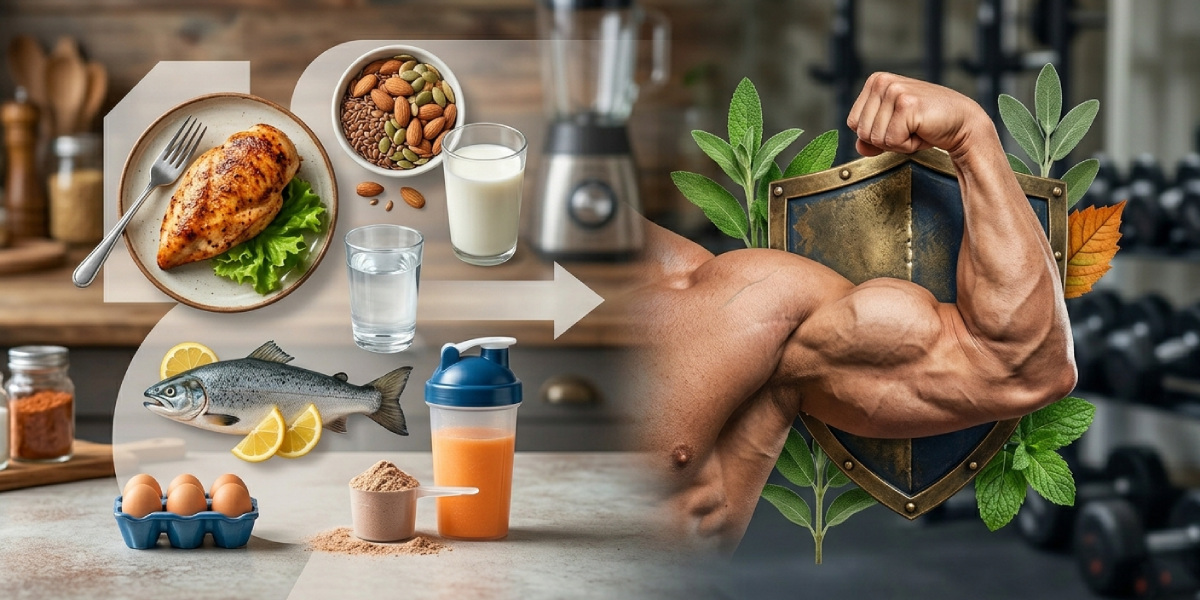
Exercise alone is rarely enough to achieve a toned body if your nutrition is not aligned with your goals. What you eat directly affects your body composition, your energy levels during workouts, and your ability to recover and build muscle between sessions.
Protein Intake and Muscle Preservation
Adequate protein intake is non-negotiable when your goal is toning. Protein provides the amino acids your muscles need to repair and grow after exercise. Most sports nutrition guidelines recommend consuming between 1.6 and 2.2 grams of protein per kilogram of body weight per day for people engaged in regular resistance training.
Good protein sources include lean meats, fish, eggs, dairy products, legumes, tofu, and protein supplements if needed. Distributing your protein intake evenly across three to five meals throughout the day helps maximize muscle protein synthesis.
Managing Caloric Intake for Fat Loss
To reduce body fat, you need to consume slightly fewer calories than you burn. A moderate deficit of around 300 to 500 calories per day is typically recommended because it promotes fat loss while preserving muscle mass. Extreme calorie restriction often backfires by causing muscle loss along with fat, which works against the goal of toning.
Understanding your body’s energy needs is an important step. Tools like a BMI calculator can help you get an initial baseline and set realistic expectations for your body composition goals.
Remember that BMI is one data point among many and does not account for muscle mass, so use it as a starting reference rather than an absolute measure of health.
The Role of Recovery in a Toning Program
Many people underestimate how critical recovery is. Muscles do not grow during workouts. They grow during the rest periods between them. Skipping rest days or consistently under-sleeping can lead to overtraining, which increases injury risk, elevates cortisol levels, and can actually cause muscle loss over time.
Sleep and Muscle Recovery
Aim for seven to nine hours of quality sleep per night. During deep sleep, the body releases growth hormone, which plays a central role in muscle repair and fat metabolism. Poor sleep has been linked to increased appetite, reduced insulin sensitivity, and slower recovery from exercise, all of which make it harder to achieve the toned physique you are working toward.
Active Recovery and Mobility Work
Active recovery on rest days, such as light walking, gentle stretching, yoga, or foam rolling, promotes blood flow to sore muscles, reduces stiffness, and helps maintain range of motion. Flexibility and mobility work also reduce the risk of injury, which is especially important if you are training regularly with weights.
Tracking Progress Without Obsessing Over the Scale
One of the most frustrating aspects of toning for many people is that the bathroom scale does not always reflect their progress. When you gain muscle and lose fat simultaneously, your weight may stay the same or even increase slightly, even as your body composition improves significantly and your clothes fit better.
More useful ways to track progress include taking weekly body measurements (waist, hips, arms, thighs), photographing your physique under consistent lighting conditions every few weeks, monitoring your strength gains in the gym, and paying attention to how your clothing fits. These indicators give a fuller picture of your actual progress than weight alone.
Building Consistency: The Most Important Factor of All
No exercise program works unless you follow it consistently over time. Results from toning workouts typically begin to appear within four to eight weeks for most people, with more dramatic changes visible at the three to six month mark. This is a process that rewards patience and commitment.
Setting specific, measurable, and realistic goals helps maintain motivation. Scheduling your workouts in advance, training with a partner, keeping a workout log, or working with a qualified personal trainer can all significantly improve consistency and accountability.
Understanding the broader picture of how exercise fits into your overall health and wellness lifestyle is equally important. A toned body is a byproduct of a healthy, active life, not just a short-term physical transformation.
A Sample Weekly Toning Workout Plan
| Day | Training Focus | Duration |
|---|---|---|
| Monday | Full-body resistance training | 45-50 minutes |
| Tuesday | Steady-state cardio (brisk walk or cycling) | 30-40 minutes |
| Wednesday | Full-body resistance training | 45-50 minutes |
| Thursday | HIIT session | 20-25 minutes |
| Friday | Full-body resistance training | 45-50 minutes |
| Saturday | Active recovery (yoga, stretching, light walk) | 20-30 minutes |
| Sunday | Complete rest | — |
Common Mistakes That Slow Your Toning Progress
- Using weights that are too light: If you can complete 15 reps without any real challenge, the weight is not creating enough stimulus for muscle adaptation.
- Skipping resistance training in favour of cardio only: Cardio alone does not build the muscle needed for a toned appearance. Strength training is essential.
- Not eating enough protein: Insufficient protein intake makes it very difficult to preserve or build muscle while in a caloric deficit.
- Expecting results too quickly: Meaningful body composition changes typically take several months of consistent effort. Impatience leads to program hopping, which prevents progress.
- Neglecting sleep and recovery: Overtraining without adequate rest leads to hormonal imbalances, fatigue, and reduced results.
- Ignoring progressive overload: Your body adapts to training stress over time. Gradually increasing the weight, reps, or sets ensures continued progress.
Frequently Asked Questions
How long does it take to tone your body with exercise?
Most people begin noticing initial changes in muscle firmness and energy levels within four to six weeks of consistent training. Visible toning results are typically more pronounced at the three to six month mark, depending on starting body composition, training intensity, diet, and sleep quality.
Is it possible to tone your body without going to the gym?
Yes. Bodyweight exercises such as push-ups, squats, lunges, planks, and pull-ups can effectively build muscle and improve body composition at home. As you get stronger, you can progress by adding resistance bands, dumbbells, or more challenging variations of the exercises.
How many days a week should I exercise to tone my body?
For most people, three to five days of structured exercise per week is sufficient and sustainable. This typically includes two to three resistance training sessions and one to two cardio sessions, with at least one full rest day to allow for recovery.
Should I do cardio before or after weight training?
If your primary goal is muscle toning and definition, it is generally better to perform resistance training before cardio. This ensures you have maximum energy and strength available for the exercises most critical to building muscle. If your primary goal is cardiovascular fitness, the order can be reversed.
What should I eat after a workout to support muscle toning?
A post-workout meal or snack containing both protein and carbohydrates within one to two hours of training is ideal. Protein supports muscle repair and growth, while carbohydrates help replenish glycogen stores. Examples include grilled chicken with rice, Greek yogurt with fruit, or a protein shake with a banana.
Can women tone their bodies without getting too bulky?
Yes. Women naturally produce much lower levels of testosterone than men, which means resistance training leads to a toned, defined appearance rather than significant muscle bulk. The fear of getting “too bulky” from lifting weights is not supported by science for the average woman training without performance-enhancing substances.
Is body weight more important than body fat percentage for toning?
Body fat percentage is a far more meaningful metric than total body weight when your goal is toning. Two people can weigh the same but look completely different based on their ratio of muscle to fat. Tracking measurements, progress photos, and strength improvements provides a better picture of your progress than the scale alone.
Do I need supplements to tone my body?
Supplements are not required to achieve a toned physique. A well-balanced diet that meets your protein, calorie, and micronutrient needs is sufficient for most people. Protein powders can be a convenient way to meet protein targets if you struggle to do so through whole foods, but they are optional rather than essential.
What role does hydration play in toning and exercise performance?
Proper hydration is essential for muscle function, recovery, and overall performance. Even mild dehydration can reduce strength output, impair concentration, and slow recovery between sessions. Most active adults should aim for at least two to three litres of water per day, adjusting upward based on exercise intensity and climate.
Can I tone a specific part of my body without exercising the whole body?
Spot reduction, the idea of losing fat from one specific area through targeted exercise, is a myth. Fat loss occurs throughout the body based on genetics and overall caloric balance. However, you can target specific muscles with isolation exercises to develop their size and definition, which becomes more visible as overall body fat decreases.