

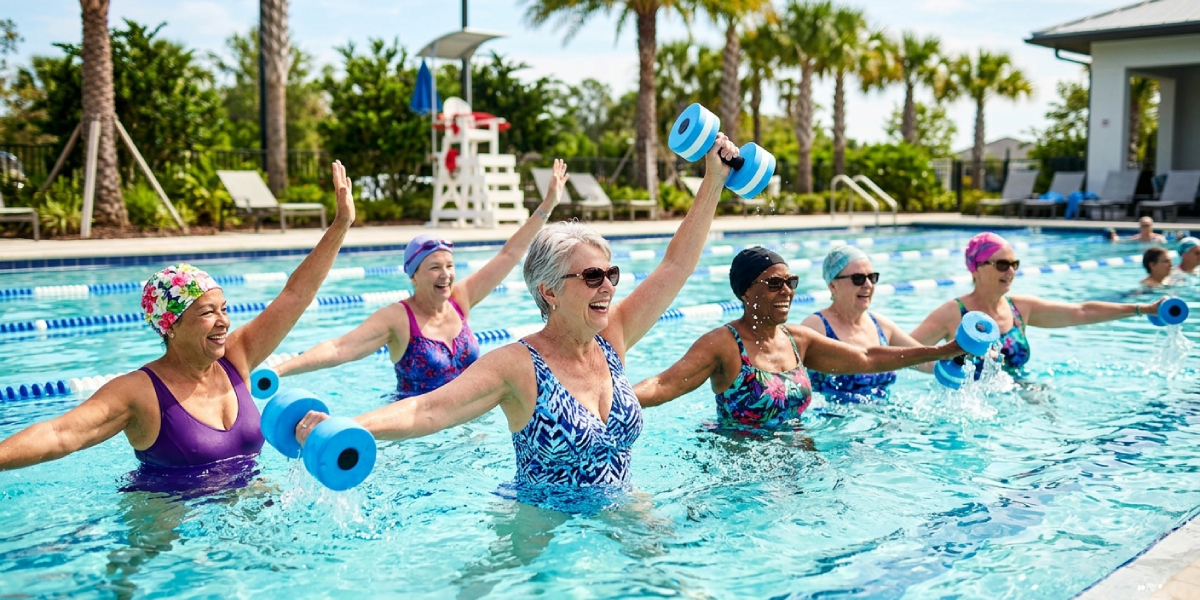
Water aerobics is one of the most effective and accessible forms of exercise available today, offering a full-body workout with minimal stress on the joints. Whether you are a seasoned fitness enthusiast or just beginning your wellness journey, stepping into the pool for a structured aquatic workout can transform your health in ways that land-based exercise simply cannot replicate.
In this article, you will find everything you need to understand why water aerobics works so well and which exercises will give you the greatest results.
What Is Water Aerobics?
Water aerobics, also called aqua aerobics or aqua fitness, refers to aerobic exercise performed in shallow water, typically in the chest-deep end of a swimming pool. Unlike swimming laps, water aerobics does not require you to know how to swim. Most classes and workouts take place with participants standing upright, moving their arms and legs against the natural resistance of the water.
The water environment creates a uniquely challenging condition. Water is approximately 800 times denser than air, which means every movement you make requires more muscular effort than the same movement performed on land. At the same time, the buoyancy of water reduces the effective weight load on your joints by up to 90 percent when submerged to the neck, making it extraordinarily gentle on the knees, hips, spine, and ankles.
The Science-Backed Benefits of Water Aerobics
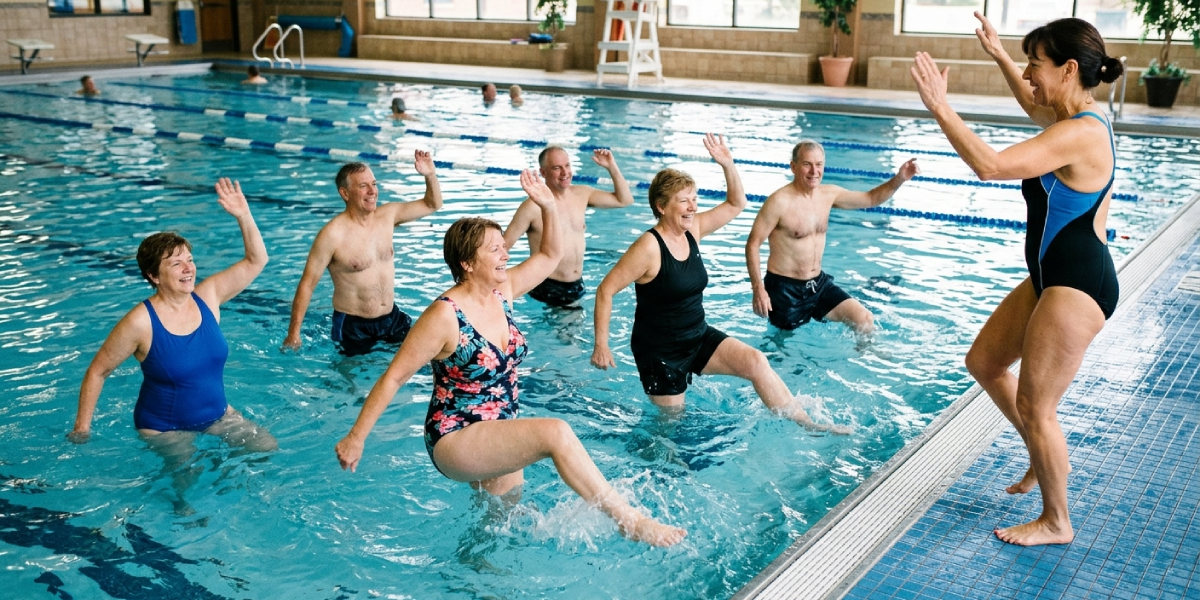
The health benefits of water aerobics are not just anecdotal. Decades of research and clinical application support aquatic exercise as a highly effective modality for cardiovascular health, muscular strength, flexibility, and mental well-being. Here is a closer look at what regular participation can do for your body and mind.
Cardiovascular Health and Endurance
Water aerobics elevates your heart rate efficiently. The hydrostatic pressure of water assists venous return, meaning your heart works more efficiently to circulate blood. Over time, regular aquatic exercise strengthens the heart muscle, improves oxygen uptake, and lowers resting heart rate.
Studies have consistently shown that water-based aerobic training produces cardiovascular improvements comparable to land-based programs, with significantly lower perceived exertion from participants.
Joint-Friendly, Low-Impact Movement
One of the defining advantages of water aerobics is how kind it is to the body’s joints. For individuals managing arthritis, osteoporosis, post-surgical recovery, or chronic joint pain, the pool provides an environment where movement becomes possible again without the fear of impact injury.
The Arthritis Foundation has long endorsed aquatic exercise as a primary recommendation for joint health management, citing reduced pain, improved mobility, and increased function among regular participants.
Muscle Toning and Strength Building
Because water offers multidirectional resistance, every movement you make engages both the agonist and antagonist muscle groups simultaneously. A bicep curl in water, for example, works both the bicep on the way up and the tricep on the way down, without any need for weights or resistance bands.
This balanced muscular engagement leads to improved tone, functional strength, and better overall muscle symmetry.
Weight Management and Calorie Burn
A moderately intense water aerobics session lasting 45 to 60 minutes can burn between 400 and 500 calories depending on body weight, water temperature, and exercise intensity. While this may be slightly lower than high-impact land workouts, the sustainability factor matters enormously.
Many people who struggle with the physical toll of running or gym-based HIIT training can maintain consistent water aerobics participation for years, leading to superior long-term outcomes.
If you are working on weight management as part of a broader health strategy, tracking your body mass index with a reliable BMI calculator can help you set realistic goals and measure progress alongside your aquatic fitness routine.
Mental Health and Stress Relief
Exercising in water has a naturally calming effect on the nervous system. The sensory experience of being submerged, combined with the rhythmic nature of aquatic movement, promotes the release of endorphins and reduces cortisol levels.
Multiple studies have found that regular water aerobics participants report lower levels of anxiety and depression, improved mood, and better sleep quality. For older adults especially, group water aerobics classes provide valuable social interaction, which is a well-established protective factor against cognitive decline.
Improved Balance and Coordination
Water creates an unstable environment that constantly challenges your proprioceptive system, the network of sensory receptors that inform your brain about body position. Working to maintain balance and coordination in water strengthens the neuromuscular connections responsible for stability, which translates directly into improved balance during everyday land-based activities. This is particularly significant for older adults at risk of falls.
Who Can Benefit from Water Aerobics?
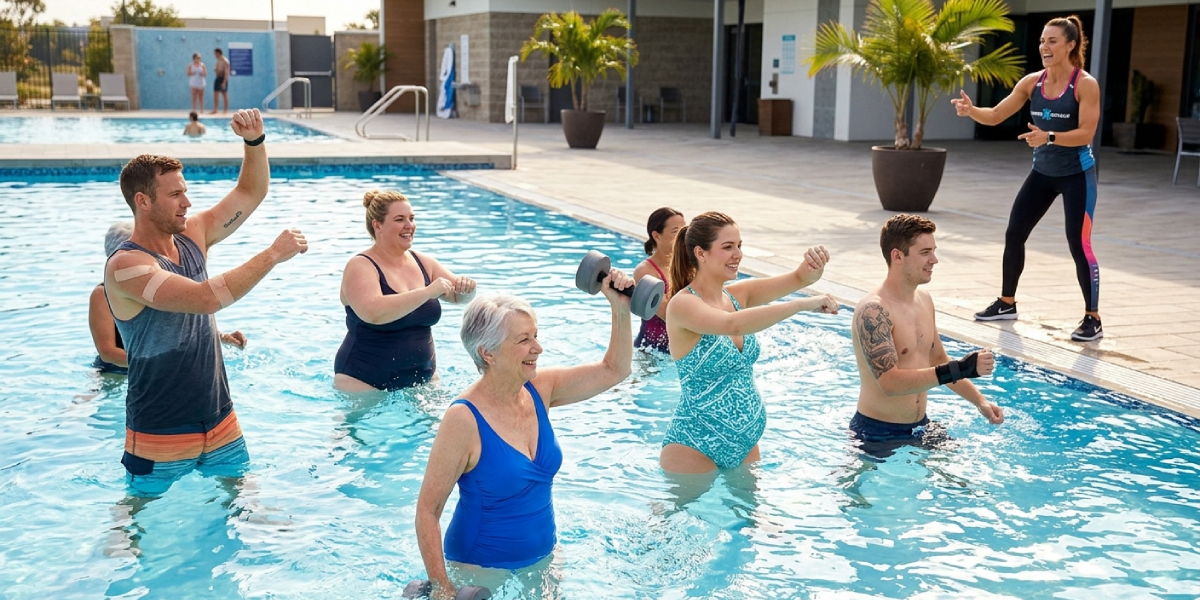
One of the most compelling aspects of aquatic fitness is its inclusivity. Unlike many forms of exercise that require a baseline level of fitness or physical ability, water aerobics is genuinely suitable for a broad range of individuals.
- Older adults benefit from the low-impact nature, reduced fall risk during exercise, and the social aspects of group classes.
- Pregnant women find water aerobics supportive of their changing body, helping reduce swelling, back pain, and fatigue during pregnancy.
- People recovering from injury or surgery use aquatic therapy as part of structured rehabilitation programs under clinical supervision.
- Individuals with obesity find entry into exercise more comfortable and less painful in water than on land.
- Athletes use water aerobics for active recovery days, cross-training, and maintaining cardiovascular fitness during injury periods.
- Those with chronic conditions such as fibromyalgia, multiple sclerosis, and diabetes have demonstrated measurable symptom improvement through regular aquatic exercise.
Essential Water Aerobics Exercises to Add to Your Routine
Whether you are joining a class or designing your own pool workout, the following exercises represent a well-rounded foundation of water aerobics movements. They target all major muscle groups and can be scaled in intensity to match your current fitness level. For more ideas on structuring a complete workout plan, browse our full library of exercise guides and routines.
Aqua Jogging
Aqua jogging is perhaps the most accessible entry point into water aerobics. You simply jog in place or travel across the pool, lifting your knees high and pumping your arms as you would during a land-based run. The water provides resistance that makes the movement far more challenging than it looks.
Aqua jogging is an excellent cardiovascular warm-up and can serve as the primary aerobic component of a session for beginners.
Water Walking
Walking briskly through chest-deep water is deceptively effective. The drag created by your forward motion engages your core, glutes, hamstrings, and quadriceps. Focus on maintaining an upright posture, engaging your abdominal muscles, and swinging your arms fully with each stride. Vary direction, walking forward, backward, and laterally, to target different muscle groups and improve coordination.
Flutter Kicks
Hold the edge of the pool or a kickboard for stability and extend your body horizontally in the water. Perform rapid, alternating kicks from the hip, keeping your legs relatively straight with a slight bend at the knee. Flutter kicks are exceptional for strengthening the hip flexors, quadriceps, and core while simultaneously delivering a cardiovascular challenge.
Arm Circles and Push-Pulls
Standing in shoulder-depth water, extend your arms to the sides at water level and perform large, controlled circles in both forward and backward directions. Follow this with push-pull movements: pushing both arms forward against the water and then pulling them back behind you. These movements target the deltoids, pectorals, rhomboids, and rotator cuffs, building upper body tone with zero joint strain.
Jumping Jacks
Aquatic jumping jacks are performed the same way as their land-based counterpart, but the water transforms this simple movement into a serious full-body effort. The resistance encountered when pulling your legs back together engages your inner thighs, adductors, and core far more intensely than the air-based version. This is an excellent cardiovascular exercise that also develops lower body strength and coordination.
Pool Planks
Hold a pool noodle or kickboard horizontally in front of you and press it down into the water while leaning forward until your body forms a straight diagonal line from head to heels. Hold this position for 30 to 60 seconds. The effort required to resist the buoyancy of the noodle while maintaining alignment engages your entire core, including the deep stabilizing muscles of the transverse abdominus and obliques.
High Knees with Resistance
March vigorously in place, lifting each knee as high as possible while simultaneously driving the opposite arm downward through the water. The combination of knee drive and arm resistance creates a compound movement that elevates the heart rate quickly while strengthening the hip flexors, core, and upper arms. Add ankle cuffs for additional resistance as your fitness improves.
Lateral Leg Raises
Stand near the pool wall for light support if needed and lift one leg straight out to the side as high as comfortable, then lower it with control. The resistance of the water on both the lifting and lowering phases activates the gluteus medius, outer thigh, and core stabilizers. This exercise is particularly valuable for improving hip stability, which directly supports better posture and reduced lower back pain during daily life.
Tuck Jumps
From a standing position, jump vertically and bring both knees up toward your chest at the peak of the jump, then land softly. The water absorbs the landing impact completely, eliminating the joint stress associated with plyometric training on land. Tuck jumps powerfully develop the quadriceps, glutes, and explosive leg power while providing intense cardiovascular stimulus.
How to Structure a Water Aerobics Session
A well-designed water aerobics session follows a clear progression to maximize results and minimize injury risk.
| Phase | Duration | Purpose | Example Activities |
|---|---|---|---|
| Warm-Up | 5 to 10 minutes | Increase circulation and body temperature | Water walking, gentle arm swings |
| Cardiovascular Block | 20 to 30 minutes | Elevate heart rate, burn calories | Aqua jogging, jumping jacks, high knees |
| Strength and Toning | 10 to 15 minutes | Build muscle endurance | Arm circles, lateral leg raises, pool planks |
| Cool-Down and Stretch | 5 to 10 minutes | Reduce heart rate, improve flexibility | Slow water walking, gentle poolside stretches |
Tips for Getting the Most Out of Your Water Aerobics Workout
To maximize the effectiveness of your aquatic training sessions, keep these practical principles in mind. Wear water shoes to improve traction and protect your feet on pool surfaces. Use aquatic equipment such as pool noodles, kickboards, webbed gloves, and ankle cuffs to vary resistance and target different muscle groups.
Maintain a strong posture throughout every movement, engaging your core as your stabilizing foundation. Stay hydrated even though you do not feel yourself sweating in the water, your body loses fluid during exercise and needs consistent replenishment.
Aim for at least two to three sessions per week to see meaningful cardiovascular and muscular improvements. If you are also focusing on the dietary side of your health journey, explore our resources on health and wellness strategies that complement your fitness routine.
Frequently Asked Questions
Is water aerobics a good workout for weight loss?
Yes. Water aerobics can burn 400 to 500 calories per session depending on your body weight and workout intensity. Combined with a balanced nutritional approach, regular aquatic exercise contributes meaningfully to weight loss and long-term weight management by improving metabolism and building lean muscle tissue.
Do I need to know how to swim to do water aerobics?
No. Water aerobics is performed in the shallow end of a pool where you can stand comfortably with the water at chest or shoulder height. Swimming ability is not required, and most participants never submerge their heads during a standard session.
How many times per week should I do water aerobics?
Most fitness professionals recommend two to three sessions per week for general health benefits. Beginners may start with two sessions and increase frequency as their fitness improves. Allow at least one rest day between sessions to give your muscles time to recover and adapt.
Is water aerobics suitable for people with arthritis?
Absolutely. Water aerobics is one of the most highly recommended exercises for people living with arthritis. The buoyancy of water dramatically reduces joint loading, allowing individuals to move through a full range of motion with significantly less pain than they would experience during land-based activity. The Arthritis Foundation actively promotes aquatic exercise for this population.
What equipment do I need for water aerobics?
Basic water aerobics requires only a swimsuit and access to a pool. Optional equipment that can enhance your workout includes water shoes for grip and foot protection, pool noodles for buoyancy support and resistance, kickboards, webbed aquatic gloves to increase arm drag, and ankle resistance cuffs for added lower body challenge.
Can water aerobics build muscle?
Yes, though it is more accurately described as building muscular endurance and tone rather than bulk. The multidirectional resistance of water engages both sides of every muscle group during each movement, leading to balanced toning and functional strength. Those seeking significant hypertrophy gains typically combine aquatic training with land-based resistance work.
Is water aerobics safe during pregnancy?
Water aerobics is widely considered one of the safest forms of exercise during pregnancy. The buoyancy supports the added weight and reduces strain on the spine and pelvis, while the cooling effect of water prevents overheating. Always consult your healthcare provider before beginning or continuing any exercise program during pregnancy.
How does water aerobics compare to regular aerobics or gym workouts?
Water aerobics offers comparable cardiovascular benefits to land-based aerobic training with substantially lower impact on the joints. It is generally less effective at building large muscle mass than resistance training in a gym, but it excels in functional fitness, flexibility, balance, and long-term sustainability. Many fitness experts recommend it as an excellent complement to, or replacement for, higher-impact exercises for appropriate populations.
Can seniors safely participate in water aerobics classes?
Yes, water aerobics is especially well-suited for older adults. It improves cardiovascular health, muscle tone, balance, and flexibility while minimizing injury risk. The social component of group classes also supports cognitive health and emotional well-being. Many community centers and aquatic facilities offer senior-specific water aerobics programs designed for this demographic.
What should I eat before a water aerobics session?
A light, easily digestible snack consumed one to two hours before your workout is ideal. Good options include a banana with nut butter, a small bowl of oatmeal, or a slice of whole grain toast with avocado. Avoid heavy meals immediately before exercising in water, as this can lead to discomfort and cramping during the session.