

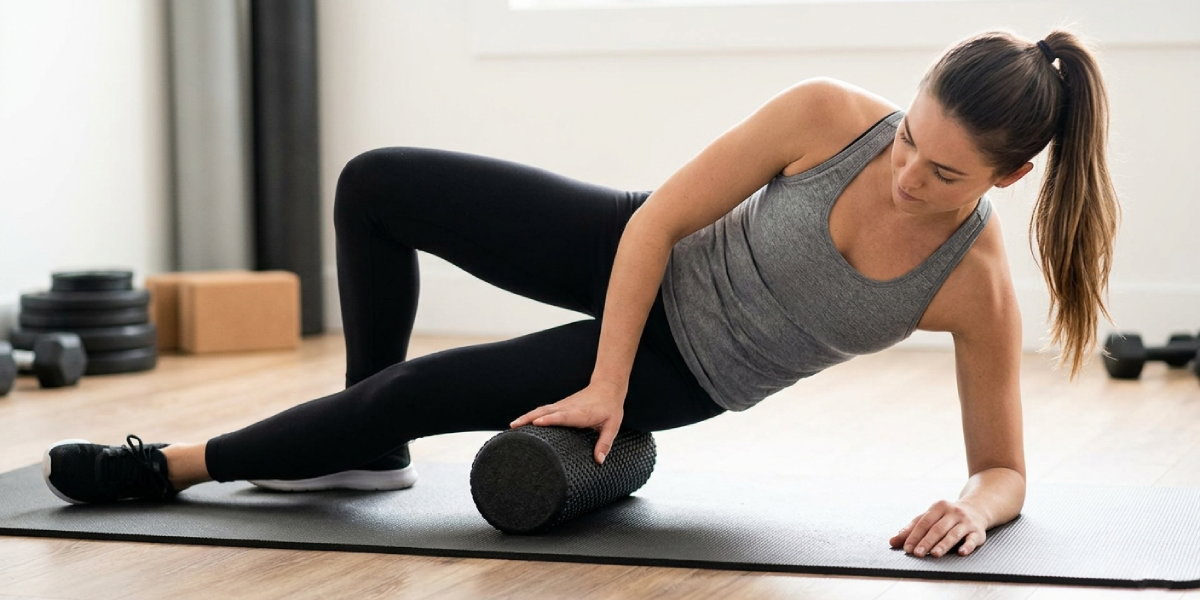
How to use a foam roller for exercise recovery is one of the most common questions I hear from clients after tough training sessions. After years of working with athletes and weekend warriors alike, I’ve found that foam rolling, when done correctly, can be a game-changer for reducing muscle soreness and improving mobility between workouts.
What Is a Foam Roller and Why Does It Matter?
A foam roller is a cylindrical tool made of dense foam used to perform self-myofascial release (SMR). This technique applies pressure to tight muscles and connective tissue, helping to release tension, improve blood flow, and restore range of motion.
Foam rolling has become a staple recovery tool in gyms, physical therapy clinics, and home workout spaces because it’s affordable, easy to use, and backed by a growing body of research on its benefits for muscle recovery.
The Benefits of Foam Rolling for Recovery
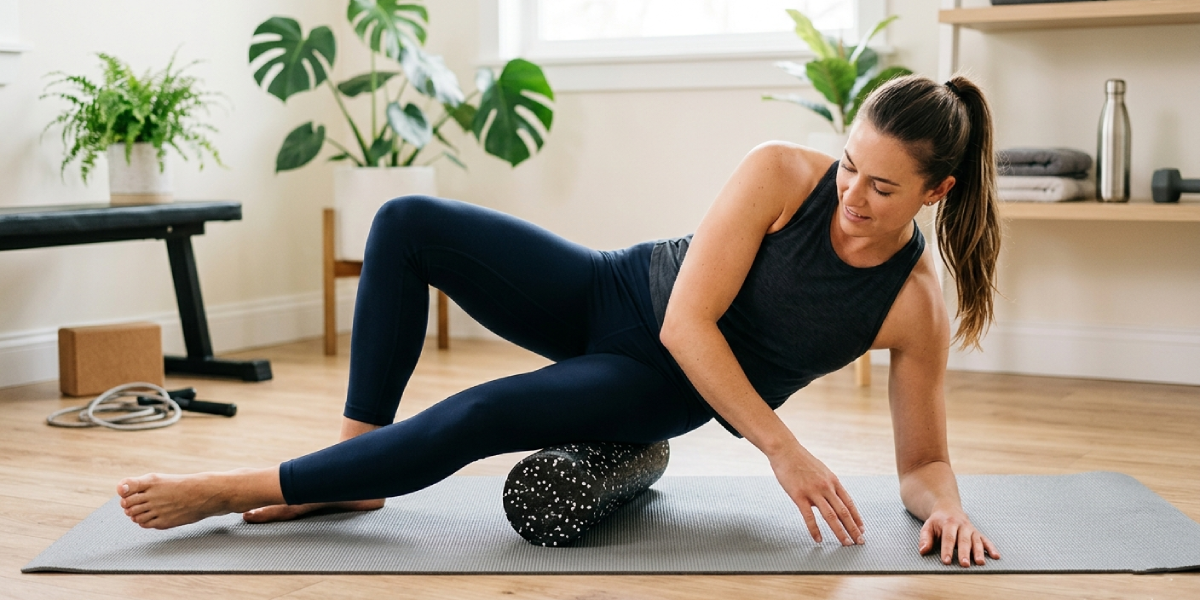
From personal experience and observation with clients, the benefits of consistent foam rolling include:
- Reduced muscle soreness after intense workouts
- Improved flexibility and joint range of motion
- Better circulation to tired muscles
- Decreased muscle tightness and knots
- Enhanced relaxation before sleep
If you’re building a comprehensive fitness routine, pairing foam rolling with proper exercise routines can significantly improve how your body recovers between sessions.
How to Use a Foam Roller: Step-by-Step Guide
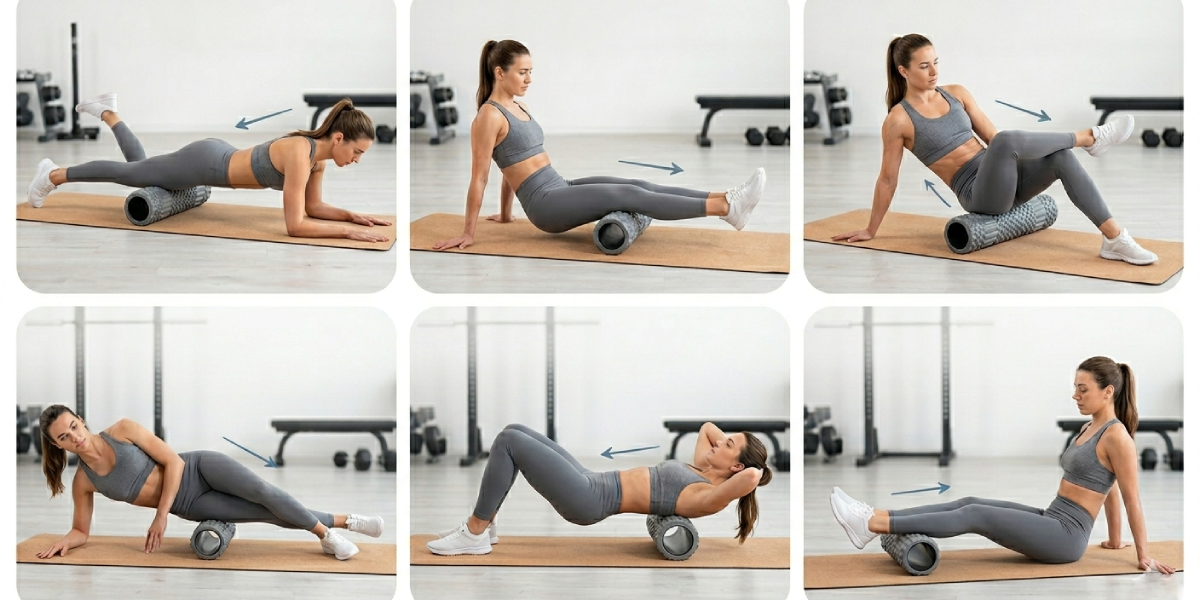
1. Choose the Right Foam Roller
Foam rollers come in different densities and textures. Beginners should start with a softer, smooth roller, while more experienced users may prefer firmer or textured rollers for deeper pressure. The right choice depends on your pain tolerance and how often you train.
2. Target Major Muscle Groups
Focus on large muscle groups such as the calves, hamstrings, quadriceps, glutes, upper back, and lats. Avoid rolling directly over joints, bones, or the lower back, as this can cause discomfort or injury.
3. Roll Slowly and Controlled
Move slowly, about one inch per second, allowing your muscles time to relax under the pressure. Avoid fast, jerky movements, which can increase tension rather than release it.
4. Pause on Tender Spots
When you find a tight or tender area, often called a “trigger point,” pause and hold gentle pressure for 20 to 30 seconds. Breathe deeply and allow the muscle to release naturally.
5. Limit Each Session
Spend no more than 1 to 2 minutes per muscle group. Overdoing it can lead to bruising or excessive soreness, especially for beginners.
Best Times to Foam Roll
Foam rolling can be effective both before and after workouts:
- Before exercise: A light foam rolling session can help warm up muscles and improve mobility for better performance.
- After exercise: Rolling post-workout helps reduce delayed onset muscle soreness (DOMS) and supports faster recovery.
- Rest days: Foam rolling on rest days promotes circulation and keeps muscles loose without adding training stress.
Common Mistakes to Avoid
| Mistake | Why It’s a Problem | Better Approach |
|---|---|---|
| Rolling too fast | Doesn’t allow muscles to relax | Roll slowly and with control |
| Rolling directly on joints | Can cause pain or injury | Focus on muscle bellies, not bones |
| Holding breath | Increases muscle tension | Breathe deeply and steadily |
| Overdoing it | Leads to bruising or soreness | Limit sessions to a few minutes per area |
Foam Rolling and Overall Health
Recovery tools like foam rollers play a supportive role in a broader approach to wellness. Combining foam rolling with proper nutrition, hydration, and rest is essential for long-term progress. For more guidance on building healthy habits that support your fitness journey, explore our health resources for practical tips backed by current best practices.
Tracking Your Progress
Recovery isn’t just about how your muscles feel, it’s also connected to your overall fitness goals. Monitoring metrics like body composition can help you understand how recovery practices are supporting your training. You can use our BMI calculator as one simple tool to track changes over time alongside your recovery routine.
Final Thoughts
Foam rolling is a simple, effective, and affordable way to support exercise recovery when done with proper technique. By targeting the right muscle groups, rolling slowly, and avoiding common mistakes, you can reduce soreness, improve mobility, and keep your training consistent.
Like any recovery tool, consistency matters more than intensity, so make foam rolling a regular part of your post-workout routine.
Frequently Asked Questions
How often should I foam roll?
Most people benefit from foam rolling 3 to 5 times per week, or after intense workouts.
Does foam rolling hurt?
Mild discomfort is normal, especially on tight areas, but sharp pain means you should ease up or stop.
Can foam rolling replace stretching?
No, foam rolling complements stretching but doesn’t fully replace it. Both work together for better mobility.
How long should a foam rolling session last?
A full-body session typically takes 10 to 15 minutes, focusing on major muscle groups.
Is foam rolling good for beginners?
Yes, beginners should start with a soft roller and shorter sessions to allow the body to adjust.
Can foam rolling help with lower back pain?
Foam rolling the muscles surrounding the lower back, like the glutes and hamstrings, can help, but rolling directly on the spine should be avoided.
What’s the difference between a smooth and textured foam roller?
Smooth rollers offer gentler pressure, while textured rollers target deeper muscle knots more intensely.
Should I foam roll before or after a workout?
Both are beneficial. Light rolling before a workout can improve mobility, while rolling after helps with recovery.
Can foam rolling improve flexibility?
Yes, regular foam rolling can help increase range of motion and reduce muscle stiffness over time.
Is it normal to feel sore after foam rolling?
Mild soreness afterward is normal, similar to a light massage, but it should fade within a day.