

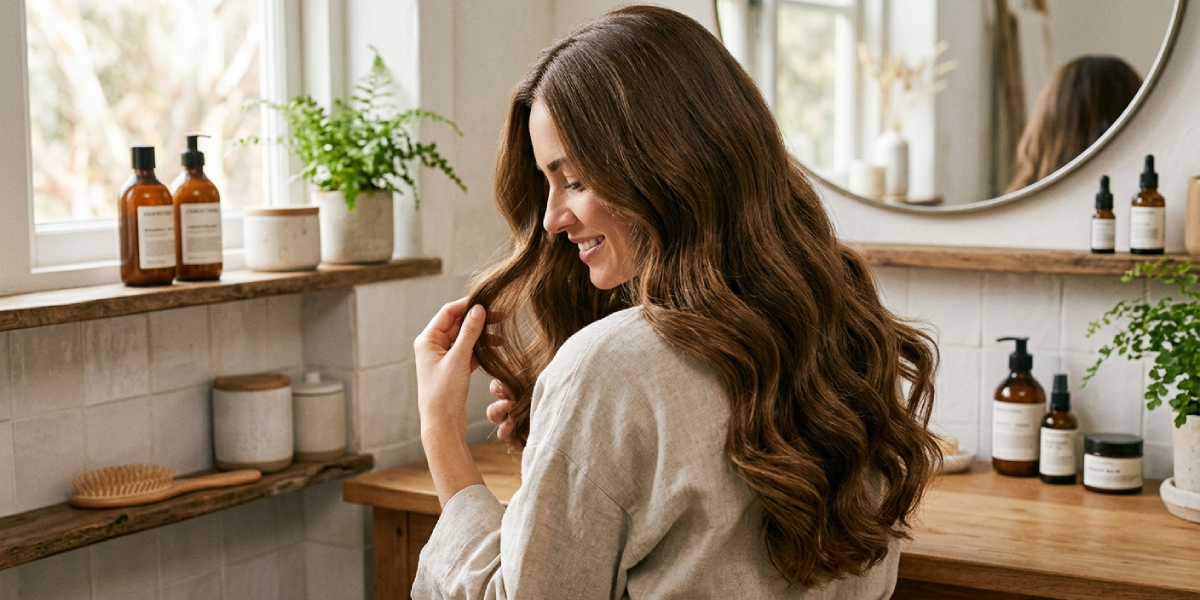
Learning how to keep your hair healthy is one of the most common concerns people bring up when discussing personal wellness, and after working through countless trial-and-error routines myself, I can tell you that consistency matters more than expensive products.
Why Hair Health Reflects Overall Wellness
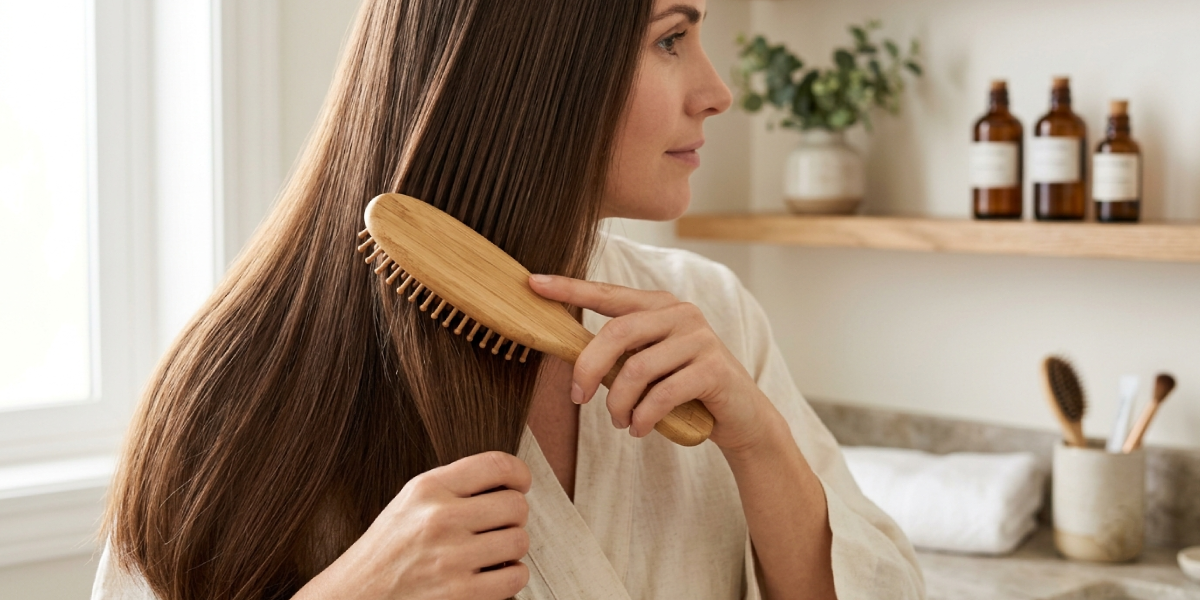
Your hair is often described as a mirror of your internal health. Nutrient deficiencies, hormonal imbalances, chronic stress, and poor sleep can all show up as dullness, breakage, or shedding long before other symptoms appear. Dermatologists frequently note that hair follicles are highly sensitive to changes in the body, which is why a sudden change in hair texture or volume is sometimes the first sign that something deeper needs attention.
If you are working on improving your overall health alongside your hair care routine, browsing through general health resources can help you understand how diet, hydration, and lifestyle choices connect to the condition of your hair.
Build a Hair-Friendly Diet
Hair is made primarily of a protein called keratin, so it should come as no surprise that protein intake plays a central role in hair strength. Eating a balanced diet rich in lean protein, iron, zinc, biotin, and omega-3 fatty acids supports the hair growth cycle and reduces brittleness.
- Eggs and lean meats for protein and biotin
- Spinach and lentils for iron
- Salmon and walnuts for omega-3 fatty acids
- Citrus fruits for vitamin C, which supports collagen production
- Nuts and seeds for zinc and selenium
Maintaining a healthy body weight also supports hormonal balance, which in turn affects hair growth cycles. If you are tracking your overall fitness progress, using the BMI calculator can give you a useful starting point for setting realistic health goals.
Establish a Proper Washing Routine
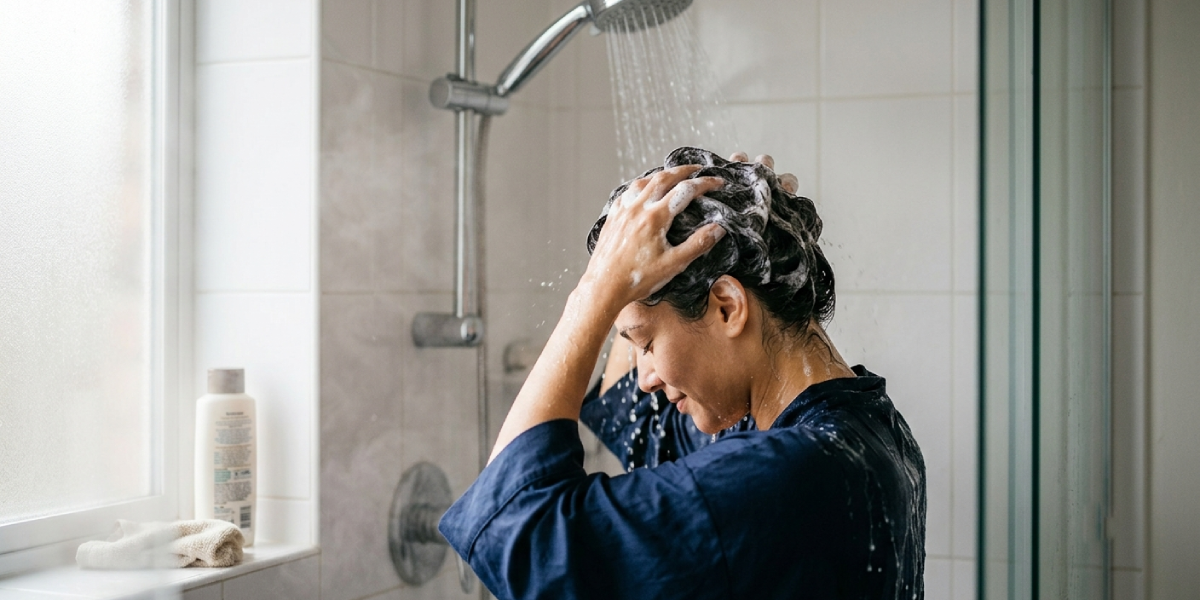
One of the biggest mistakes I see people make is either washing their hair too often or not often enough. The right frequency depends on your scalp type, hair texture, and lifestyle, but a few principles apply broadly.
Choose the Right Shampoo
Sulfate-free shampoos are gentler on the scalp and help retain natural oils, especially for color-treated or chemically processed hair. Look for formulas suited to your specific hair type, whether that is oily, dry, curly, or fine.
Use Lukewarm Water
Hot water strips natural oils and can leave hair dry and prone to breakage. Lukewarm water during washing, followed by a cool rinse, helps seal the hair cuticle and adds shine.
Condition Strategically
Apply conditioner primarily to the mid-lengths and ends rather than the scalp, where excess product can lead to buildup and oily roots.
Protect Hair From Physical and Environmental Damage
Heat styling tools, harsh brushing, and sun exposure are among the leading causes of avoidable hair damage. A few practical habits can make a significant difference over time.
| Damage Source | Protective Habit |
|---|---|
| Heat styling tools | Use a heat protectant spray and limit tool temperature |
| Sun exposure | Wear a hat or use UV-protective hair products |
| Tight hairstyles | Avoid frequent high-tension ponytails or braids |
| Wet hair brushing | Use a wide-tooth comb and detangle gently |
| Chlorine exposure | Rinse hair before and after swimming |
Support Hair Growth Through an Active Lifestyle
Regular physical activity improves blood circulation, including to the scalp, which can support healthier follicles and consistent hair growth. Exercise also helps regulate cortisol levels, and since chronic stress is a well-documented contributor to hair shedding, staying active is one of the simplest long-term strategies for healthier hair.
If you are looking for structured routines to add movement into your week, exploring different exercise routines can be a practical way to support both your overall fitness and your hair health at the same time.
Manage Stress and Sleep for Healthier Hair
Telogen effluvium, a temporary form of hair shedding triggered by stress, illness, or major life changes, is one of the most common reasons people notice sudden hair thinning. Prioritizing seven to nine hours of quality sleep and incorporating stress-reduction practices such as meditation, journaling, or light stretching can help regulate the hair growth cycle over time.
Avoid Common Hair Care Mistakes
- Skipping regular trims, which allows split ends to travel up the hair shaft
- Over-washing, which strips natural oils and leads to compensatory oil production
- Using the wrong brush type for your hair texture
- Ignoring scalp health while focusing only on the hair strands
- Relying on quick fixes instead of consistent, long-term habits
When to See a Professional
If you notice sudden or excessive hair loss, scalp irritation, or persistent breakage despite a healthy routine, it is worth consulting a dermatologist or trichologist. Early evaluation can rule out underlying conditions such as thyroid imbalances, iron deficiency, or scalp infections that require targeted treatment beyond standard hair care.
Frequently Asked Questions
How often should I wash my hair to keep it healthy?
Most people benefit from washing two to three times per week, though oily scalps may need more frequent washing and dry or curly hair may need less.
What foods help keep hair healthy?
Protein-rich foods, leafy greens, nuts, seeds, and fatty fish provide the nutrients needed for strong, healthy hair growth.
Can stress really cause hair loss?
Yes, chronic stress can trigger temporary hair shedding known as telogen effluvium, which typically resolves once stress levels are managed.
Is it bad to brush wet hair?
Wet hair is more fragile and prone to breakage, so it is best to use a wide-tooth comb and detangle gently rather than brushing aggressively.
Does exercise improve hair health?
Regular exercise improves scalp circulation and helps regulate stress hormones, both of which support healthier hair growth.
How can I prevent split ends?
Regular trims, heat protectant products, and limiting chemical treatments can help reduce the occurrence of split ends.
What is the ideal water temperature for washing hair?
Lukewarm water is best for washing, followed by a cool rinse to help seal the hair cuticle and enhance shine.
Can a poor diet affect hair growth?
Yes, deficiencies in protein, iron, zinc, and biotin can lead to weaker hair and slower growth over time.
How long does it take to see results from a new hair care routine?
Since hair grows in cycles, it typically takes three to six months of consistent care to notice meaningful improvement.
Should I use the same products for my scalp and hair strands?
Not necessarily. Scalp health often requires different treatment than the hair strands, especially if you experience oiliness at the roots and dryness at the ends.