

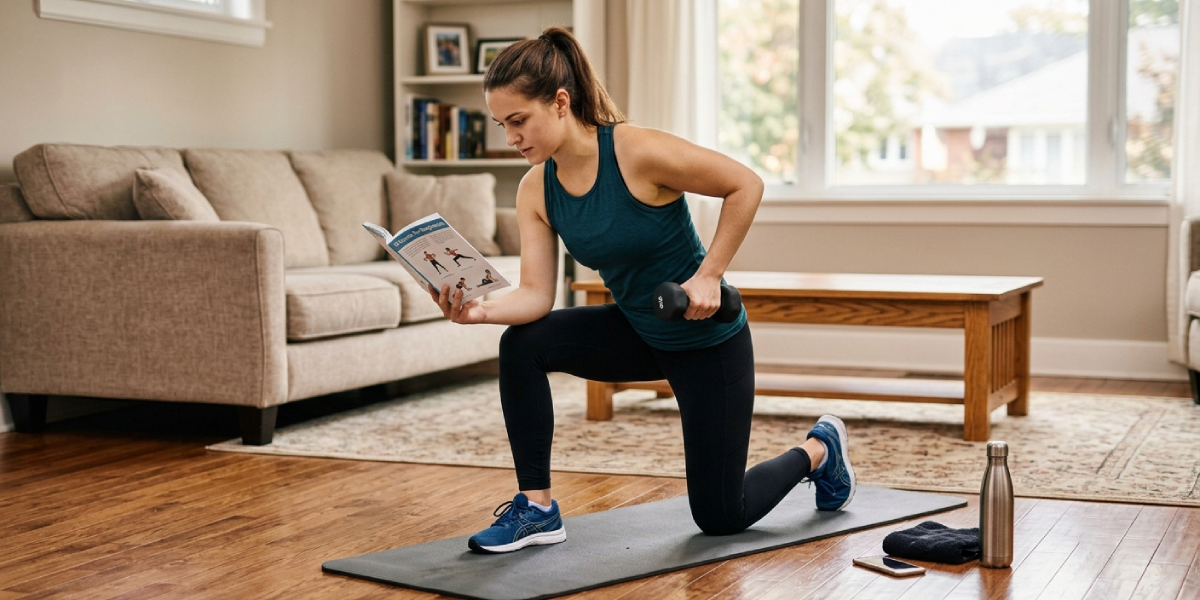
Learning how to get in shape is one of the most searched fitness topics for good reason — millions of people want to feel stronger, move better, and live healthier lives. Whether you are starting from scratch or returning to exercise after a long break, this guide walks you through every essential step with practical, science-backed advice you can start applying today.
Why Getting in Shape Is About More Than Weight Loss
Many people associate getting in shape with losing weight, but physical fitness is a far broader concept. Getting in shape means improving your cardiovascular endurance, building functional muscle strength, increasing flexibility, and developing habits that support long-term health.
Research consistently shows that regular physical activity reduces the risk of heart disease, type 2 diabetes, certain cancers, and mental health disorders. The benefits go well beyond how you look in the mirror.
When you approach fitness with this wider perspective, motivation becomes more sustainable. Instead of chasing a number on a scale, you start celebrating real-world wins — climbing stairs without losing breath, carrying groceries with ease, or sleeping better at night. These functional improvements are signs that your body is genuinely getting in shape.
Assess Where You Are Before You Begin
Before committing to any fitness plan, take an honest inventory of your current health and activity level. Ask yourself how often you move each week, whether you have any injuries or chronic conditions, and what your schedule realistically allows.
This self-assessment matters because the right starting point for a sedentary beginner is very different from someone who exercises occasionally.
If you have not been active for a long time or have a pre-existing health condition, consulting a physician before starting a new exercise program is a smart step. A brief medical check-in can reveal important information about your blood pressure, cardiovascular health, and joint function that will help you train safely and effectively.
You can also use a BMI calculator as one data point to understand where your body composition stands relative to healthy ranges. Keep in mind that BMI is just one metric and does not account for muscle mass or fat distribution, so use it as a starting reference alongside other assessments.
Set Realistic, Specific Fitness Goals
Vague goals like “get fit” or “lose weight” rarely produce results because they give you nothing concrete to aim for. Effective goal-setting in fitness follows the SMART framework: goals should be Specific, Measurable, Achievable, Relevant, and Time-bound.
Instead of saying you want to get in shape, commit to something like completing three 45-minute workouts per week for the next eight weeks, or being able to do 15 consecutive push-ups within 60 days.
Short-term milestones keep you motivated between bigger goals. Celebrate completing your first week of consistent training, hitting a new personal record in strength, or noticing that your resting heart rate is gradually improving. Progress in fitness is cumulative, and recognizing small wins builds the momentum that carries you through plateaus.
Build a Balanced Workout Routine
A well-rounded fitness plan addresses four key components: cardiovascular fitness, muscular strength and endurance, flexibility, and rest. Neglecting any one of these creates imbalances that slow progress and increase injury risk.
Cardiovascular Exercise

Cardio strengthens your heart and lungs, burns calories, and improves your endurance for daily activities. The American Heart Association recommends at least 150 minutes of moderate-intensity aerobic activity or 75 minutes of vigorous activity each week.
Options include brisk walking, jogging, cycling, swimming, rowing, or group fitness classes. Beginners should start with lower intensity and shorter sessions, then gradually increase duration and effort over time.
High-Intensity Interval Training, commonly known as HIIT, is an efficient cardio format that alternates short bursts of intense effort with recovery periods. Studies show HIIT can deliver comparable or superior cardiovascular and fat-burning benefits in less total time than steady-state cardio, making it popular for people with busy schedules.
Strength Training
Building muscle is essential for getting in shape, even if your primary goal is fat loss. Muscle tissue is metabolically active, meaning it burns more calories at rest than fat tissue does. Strength training also protects your joints, improves posture, and reduces the risk of age-related muscle loss known as sarcopenia.
Beginners should aim for two to three strength sessions per week, focusing on compound movements that work multiple muscle groups at once. Squats, deadlifts, rows, presses, and lunges deliver the most return on investment.
You do not need a gym to get started — bodyweight exercises and resistance bands are highly effective tools, especially in the early stages of training.
Exploring a variety of exercise types and formats can help you find routines that match your equipment access, fitness level, and personal preferences, making it far easier to stay consistent over time.
Flexibility and Mobility Work
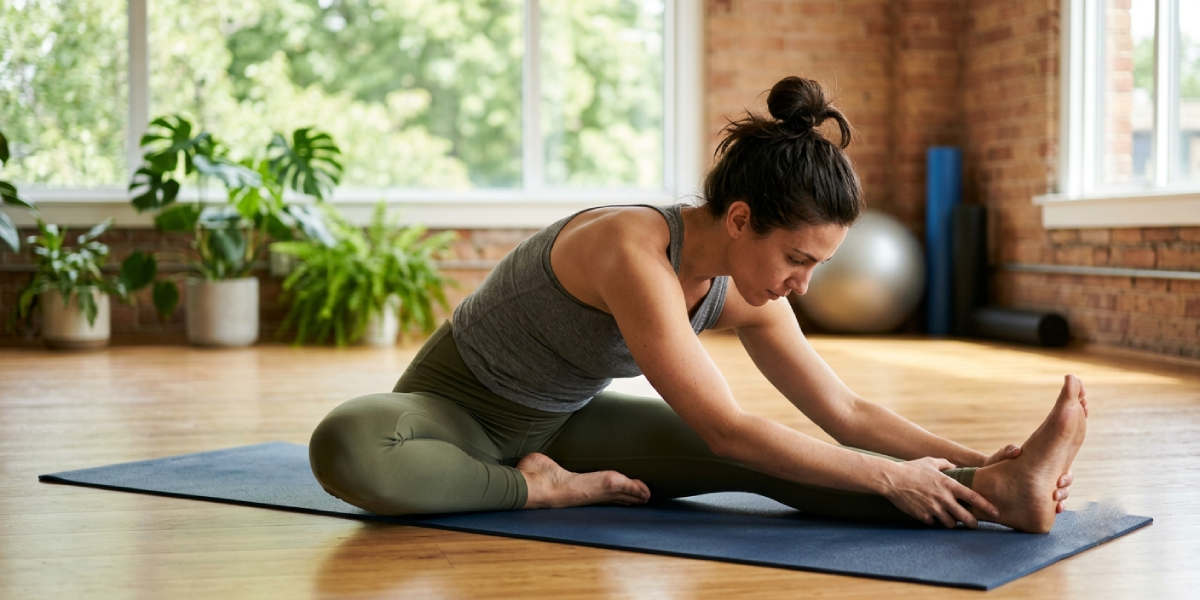
Stretching and mobility training are often skipped but are genuinely important for getting in shape and staying injury-free. Tight muscles reduce your range of motion, force compensations in your movement patterns, and increase the risk of strains and joint pain.
Spending just 10 to 15 minutes after each workout on static stretching, yoga-style flows, or foam rolling can make a significant difference in how your body feels and recovers.
Rest and Recovery
Your muscles do not grow during workouts — they grow during rest. Sleep and recovery days allow muscle tissue to repair and strengthen, energy stores to replenish, and the nervous system to recover. Aim for seven to nine hours of quality sleep per night and include at least one to two rest or active recovery days in your weekly schedule.
Overtraining without adequate recovery leads to fatigue, performance decline, and a higher risk of injury.
Nutrition: The Foundation of Getting in Shape
Exercise alone will not get you in shape if your nutrition does not support your goals. Food is the fuel that powers your workouts, supports muscle repair, regulates hormones, and controls body composition. You do not need to follow a rigid or extreme diet, but you do need to build a few consistent nutritional habits.
Prioritize protein at every meal. Protein provides the amino acids your muscles need to rebuild after training. Good sources include lean meats, poultry, fish, eggs, dairy, legumes, and plant-based proteins like tofu and tempeh. Most active adults benefit from consuming between 0.7 and 1 gram of protein per pound of bodyweight per day.
Fill the rest of your plate with whole carbohydrates for energy and plenty of vegetables for micronutrients and fiber. Minimize ultra-processed foods, added sugars, and excessive alcohol, as these increase inflammation, disrupt recovery, and undermine fat loss.
Staying well-hydrated is equally important — even mild dehydration impairs exercise performance and cognitive function.
Learning more about how nutrition and lifestyle habits intersect with your fitness goals is easier when you have access to quality health and wellness resources that address diet, recovery, and overall wellbeing alongside your training plan.
Consistency Over Perfection
The single greatest predictor of fitness success is not the specific program you follow or the supplements you take — it is consistency. Showing up regularly, even when motivation is low, even when the session is shorter than planned, compounds into transformative results over weeks and months.
Missing one workout is not a failure. Missing every workout for three weeks because of an all-or-nothing mindset is where progress stalls.
Build habits by anchoring workouts to existing routines. Exercising at the same time each day, laying out your gym clothes the night before, and scheduling your sessions in a calendar all reduce friction and make it easier to follow through.
Start with a frequency and duration you can genuinely manage, then expand from there as the habit solidifies.
Track Progress and Adjust Over Time
Monitoring your progress keeps you accountable and reveals patterns that help you train smarter. Keep a simple workout log noting the exercises, sets, reps, and weights you used. Take monthly measurements or progress photos to observe physical changes beyond what the scale shows.
Track energy levels, sleep quality, and mood, since these are meaningful indicators of overall health improvements.
Fitness programs should evolve as you improve. Applying progressive overload — gradually increasing the weight, volume, or intensity of your workouts — is the primary mechanism through which strength and endurance improve. Without this progression, your body adapts to the current challenge and stops changing.
Review your plan every four to six weeks and adjust variables to keep your training challenging and effective.
Common Mistakes to Avoid When Getting in Shape
- Doing too much too soon: Ramping up intensity and volume too quickly is a leading cause of injury and burnout in beginners.
- Skipping warm-ups: Five to ten minutes of light movement and dynamic stretching before training prepares your joints and muscles for effort and reduces injury risk.
- Ignoring sleep: Poor sleep raises cortisol, undermines muscle growth, increases hunger, and impairs recovery — all of which work against getting in shape.
- Comparing your progress to others: Genetics, age, training history, and lifestyle all influence results. Focus on your own trajectory rather than someone else’s.
- Relying on motivation alone: Motivation fluctuates. Building discipline and systems — such as scheduled workout times and accountability partners — sustains progress when motivation dips.
Frequently Asked Questions
How long does it take to get in shape?
Most people begin noticing meaningful improvements in strength, endurance, and energy levels within four to six weeks of consistent training. Visible physical changes, such as improved muscle tone or reduced body fat, typically become apparent after eight to twelve weeks. Long-term transformation in body composition and fitness capacity continues over months and years of sustained effort.
How many days a week should I exercise to get in shape?
For most adults, three to five workout days per week is a productive and sustainable frequency. Beginners may start with three sessions and gradually add more as their fitness improves. It is important to include at least one to two rest or active recovery days per week to allow the body to repair and adapt.
Can I get in shape without going to a gym?
Absolutely. Bodyweight exercises, resistance bands, dumbbells, and outdoor cardio are all effective tools for building fitness at home or in your neighborhood. Many people achieve excellent results without ever setting foot in a commercial gym. What matters most is progressive effort, consistency, and a well-structured plan.
What should I eat to get in shape faster?
Focus on a diet built around lean proteins, whole grains, vegetables, fruits, and healthy fats. Adequate protein intake — typically around 0.7 to 1 gram per pound of bodyweight — is especially important for muscle repair and growth. Minimizing ultra-processed foods, sugary beverages, and excess alcohol supports both fat loss and recovery.
Is cardio or strength training better for getting in shape?
Both are essential components of a complete fitness program. Cardiovascular training improves heart and lung health, burns calories, and enhances endurance. Strength training builds muscle, boosts resting metabolism, and supports joint health. Combining both in a balanced weekly routine produces better results than focusing exclusively on one type of exercise.
How important is sleep for getting in shape?
Sleep is critically important. During sleep, the body releases growth hormone, repairs muscle tissue, consolidates motor patterns learned during training, and regulates appetite hormones. Consistently sleeping fewer than seven hours per night is associated with reduced muscle gains, impaired fat loss, increased injury risk, and lower exercise motivation.
What is the best exercise for beginners who want to get in shape?
Compound bodyweight movements are ideal starting points for beginners. Squats, push-ups, lunges, glute bridges, planks, and walking or light jogging build total-body fitness without requiring equipment or prior experience. These movements lay a strong foundation that makes transitioning to more advanced training easier and safer over time.
Do I need supplements to get in shape?
Supplements are not necessary for the vast majority of people getting in shape. A well-balanced diet that meets your caloric and protein needs will support your training effectively. If your diet has specific gaps, a basic protein supplement or multivitamin may be useful, but no supplement can replace consistent training, proper nutrition, and adequate sleep.
How do I stay motivated to keep getting in shape?
Motivation is most reliable when tied to intrinsic reasons — improved energy, reduced pain, better mental health, or long-term longevity — rather than purely appearance-based goals. Setting specific short-term milestones, tracking progress, training with a partner, and varying your workouts to stay engaged all help maintain motivation through the inevitable low-energy periods.
Can older adults get in shape effectively?
Yes, people of all ages can make significant fitness improvements through consistent exercise and good nutrition. While recovery may be slower and certain adaptations take longer after age 50, strength training, cardiovascular exercise, and flexibility work remain highly effective and beneficial throughout life. Starting with appropriate intensity and progressing gradually is especially important for older beginners.