

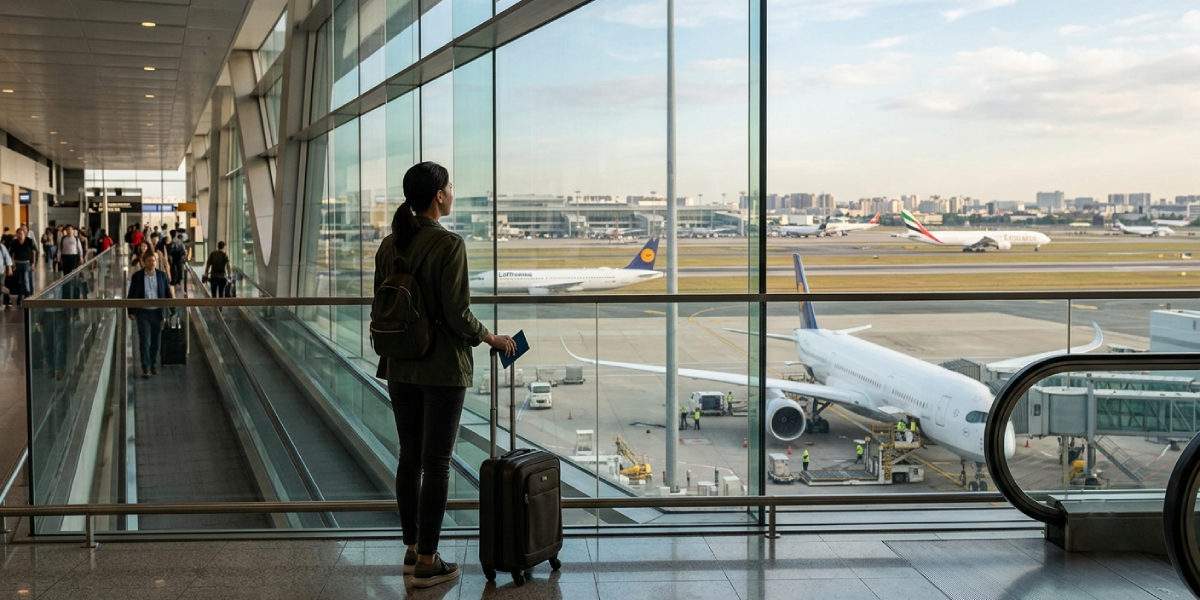
Travel health is one of the most overlooked aspects of trip planning, yet it can make or break your entire experience. Whether you are boarding a long-haul flight to Southeast Asia or road-tripping across the country, knowing how to stay healthy when you travel means you spend more time enjoying your destination and less time in a clinic or hotel room recovering.
Why Travel Health Deserves Serious Attention
Every year, millions of travelers return home sick — not from rare tropical diseases, but from preventable conditions like traveler’s diarrhea, dehydration, deep vein thrombosis, and respiratory infections. The disruption of your routine, exposure to unfamiliar environments, and the physical demands of travel all put stress on your immune system.
Planning for your health before, during, and after a trip is just as important as booking your accommodation or packing your luggage. A well-informed traveler understands that health risks vary significantly by destination, travel style, and individual medical history.
Consulting a healthcare provider or travel medicine specialist at least four to six weeks before departure gives you the time needed to receive vaccinations, fill prescriptions, and receive personalized guidance based on your itinerary.
Pre-Travel Health Preparation
Visit a Travel Medicine Clinic

A travel medicine consultation is the single most important step you can take before an international trip. Travel medicine specialists assess your destination-specific risks and recommend vaccinations for diseases such as hepatitis A, typhoid, yellow fever, Japanese encephalitis, and meningococcal meningitis.
They also review your current medications for potential interactions with antimalarials or other travel drugs.
Your regular primary care physician can handle many pre-travel needs, but if you are visiting a high-risk region, a dedicated travel clinic provides more specialized guidance. The Centers for Disease Control and Prevention (CDC) maintains an up-to-date destination health database that both providers and travelers can reference when planning.
Understand Routine and Destination-Specific Vaccinations
Routine vaccinations — including those for influenza, tetanus-diphtheria-pertussis, measles-mumps-rubella, and COVID-19 — should be current before any trip. Beyond routine immunizations, destination-specific vaccines are critical for many regions.
Yellow fever vaccination is legally required for entry into certain countries in sub-Saharan Africa and South America. Typhoid vaccine is strongly recommended for travelers to South Asia, sub-Saharan Africa, and parts of Latin America where food and water safety cannot be guaranteed.
Pack a Smart Travel Health Kit
A well-stocked travel health kit reduces your dependence on finding a pharmacy in an unfamiliar place. At minimum, your kit should include:
- Prescription medications in original labeled containers, plus extra supply
- Over-the-counter pain reliever and fever reducer
- Oral rehydration salts for treating dehydration
- Antidiarrheal medication such as loperamide
- Antihistamines for allergic reactions
- Broad-spectrum sunscreen (SPF 30 or higher)
- Insect repellent containing DEET, picaridin, or IR3535
- Adhesive bandages and antiseptic wipes
- Thermometer
- Hand sanitizer with at least 60 percent alcohol
- Personal protective equipment including masks if traveling to high-density areas
Always carry a written copy of your prescriptions and a brief medical history summary, especially if you have chronic conditions like diabetes, heart disease, or asthma. This information is invaluable in an emergency.
Staying Healthy During Your Trip
Food and Water Safety
Traveler’s diarrhea affects between 30 and 70 percent of international travelers, depending on the destination. It is caused primarily by bacteria, most commonly Escherichia coli, transmitted through contaminated food and water. Avoiding this condition begins with smart food and water choices.
In destinations where tap water safety is uncertain, drink only bottled water with intact seals, boiled water, or water treated with a certified filter or purification tablets. Avoid ice in drinks unless you are certain it was made from purified water.
Be cautious with raw fruits and vegetables that you cannot peel yourself, street food where hygiene practices are unclear, and undercooked meat or seafood.
The rule of thumb in many high-risk regions: boil it, cook it, peel it, or forget it.
Preventing Insect-Borne Diseases
Mosquitoes, ticks, and sandflies are responsible for some of the most serious travel-related illnesses, including malaria, dengue fever, Zika virus, chikungunya, Lyme disease, and leishmaniasis.
Protection starts with applying insect repellent to all exposed skin and clothing, wearing long-sleeved shirts and long pants during peak biting hours, and sleeping under permethrin-treated bed nets in areas without screened windows or air conditioning.
If your destination is malaria-endemic, your travel medicine provider will prescribe appropriate chemoprophylaxis. Common antimalarials include atovaquone-proguanil, doxycycline, and mefloquine. Each has different dosing schedules, side effects, and contraindications, so the right choice depends on your destination, health history, and trip duration.
Managing Jet Lag and Sleep Disruption
Crossing multiple time zones disrupts your body’s circadian rhythm, causing fatigue, difficulty concentrating, and digestive upset. To minimize jet lag, begin adjusting your sleep schedule several days before departure by shifting bedtime earlier or later in alignment with your destination’s time zone.
Once on board, set your watch to destination time immediately, stay hydrated, and avoid alcohol and caffeine during the flight.
Upon arrival, expose yourself to natural daylight, as sunlight is the most powerful regulator of your internal clock. A short-term, low-dose melatonin supplement taken in the evening can help accelerate circadian adjustment.
Maintaining a consistent sleep schedule during your trip supports both your energy levels and your overall health throughout your journey.
Staying Active While Traveling
Long-haul flights and extended periods of sitting increase the risk of deep vein thrombosis (DVT), a potentially life-threatening condition where blood clots form in the legs. To reduce this risk, get up and walk the aisle every one to two hours on long flights, perform seated leg exercises, stay well hydrated, and wear compression stockings if you have a history of DVT or are at elevated risk.
Beyond flight safety, keeping up a level of physical activity during your trip benefits your immune function, mood, and energy. Many destinations offer opportunities for walking tours, hiking, cycling, or swimming. Incorporating movement into your sightseeing is one of the most enjoyable ways to support your health on the road.
You can browse a range of effective travel-friendly exercise routines to stay active no matter where your trip takes you.
Sun and Heat Safety
Tropical and desert destinations expose travelers to intense solar radiation and high ambient temperatures. Heat exhaustion and heat stroke are serious conditions that develop rapidly when the body’s cooling mechanism is overwhelmed.
Stay hydrated by drinking water consistently throughout the day rather than waiting until you feel thirsty. Wear lightweight, light-colored, loose-fitting clothing and a wide-brimmed hat. Apply sunscreen generously and reapply every two hours, or immediately after swimming or sweating.
Recognize the early signs of heat exhaustion: heavy sweating, cool and pale skin, fast and weak pulse, nausea, and muscle cramps. Move to a cool environment, hydrate, and rest. Heat stroke — characterized by a body temperature above 104°F (40°C), confusion, and hot dry skin — is a medical emergency requiring immediate professional care.
Mental Health and Emotional Wellbeing While Traveling
Travel is exhilarating, but it also introduces stressors that can affect mental health. Culture shock, language barriers, disrupted routines, loneliness during solo travel, and the pressure to have a perfect experience can take a psychological toll.
Acknowledge that it is normal to feel overwhelmed at times. Build downtime into your itinerary rather than scheduling every hour. Stay connected with people at home through regular calls or messages.
If you have an existing mental health condition, continue your treatment plan and ensure you have an adequate supply of any prescribed medications.
Mindfulness practices, consistent sleep, physical activity, and nutritious eating all support emotional resilience while abroad. Checking in on your body weight and nutrition status periodically during extended trips can also help you stay on track with health goals that travel tends to disrupt.
Post-Travel Health: What to Do When You Return
After returning from international travel, monitor yourself for illness for a period of time appropriate to the diseases you may have been exposed to. Many infections have incubation periods that extend well beyond the trip itself. Malaria, for example, can present with symptoms weeks or even months after leaving a malaria-endemic region.
Seek medical care promptly if you develop fever, diarrhea, rash, or jaundice after traveling internationally, and always inform your provider of your recent travel history.
If you were treated for any illness abroad, follow up with your primary care physician to ensure the condition has fully resolved. Post-travel screening is recommended for travelers who spent extended time in developing regions, were significantly ill during travel, or were potentially exposed to sexually transmitted infections.
Special Traveler Considerations
| Traveler Type | Key Health Considerations |
|---|---|
| Pregnant travelers | Avoid live vaccines, malaria-endemic regions, Zika-affected areas; consult OB before travel |
| Older adults | Review cardiac fitness, manage chronic conditions, bring medication documentation |
| Immunocompromised travelers | Avoid live vaccines, consult specialist, carry emergency treatment plans |
| Traveling with children | Age-appropriate vaccines, pediatric dosing for antimalarials, child-safe repellents |
| Adventure travelers | Altitude sickness prevention, wilderness first aid training, evacuation insurance |
Travel Health Insurance: A Non-Negotiable Safeguard
Medical evacuation from a remote destination can cost tens of thousands of dollars. Emergency surgery abroad can exceed what most domestic health plans will reimburse.
Comprehensive travel health insurance that includes emergency evacuation, hospitalization, and repatriation coverage is not a luxury — it is a fundamental part of responsible travel planning.
Read policy exclusions carefully, as many plans do not cover pre-existing conditions or high-risk activities like scuba diving or mountaineering without specific riders.
Frequently Asked Questions
How far in advance should I see a doctor before international travel?
Ideally, schedule a pre-travel medical appointment four to six weeks before your departure date. Some vaccines require multiple doses spaced weeks apart, and this window allows sufficient time to complete the series and build immunity before you leave.
What is traveler’s diarrhea and how can I prevent it?
Traveler’s diarrhea is an intestinal infection most commonly caused by bacteria found in contaminated food and water. You can significantly reduce your risk by drinking only safe water, eating thoroughly cooked foods, avoiding raw produce you cannot peel, and practicing rigorous hand hygiene before eating.
Do I need vaccinations even for short trips?
Yes. Even short trips to high-risk destinations can expose you to vaccine-preventable diseases. Some infections require only brief exposure. A travel medicine consultation is worthwhile regardless of how long your trip will be.
How do I prevent deep vein thrombosis on long flights?
Move regularly during the flight by walking the aisle every one to two hours, perform leg exercises while seated, stay well hydrated, avoid alcohol, and consider wearing graduated compression stockings. If you have personal risk factors for DVT, speak with your doctor before flying.
Is tap water safe to drink in all countries?
No. Tap water safety varies widely by destination and even by region within a country. In many developing nations, tap water may contain bacteria, viruses, or parasites. Always research your specific destination and use bottled, boiled, or properly filtered water when in doubt.
What should I do if I get sick while traveling abroad?
Seek medical care promptly. Contact your travel insurance provider for guidance on local approved facilities. If you experience severe symptoms such as high fever, difficulty breathing, severe abdominal pain, or altered consciousness, go to the nearest emergency room immediately. Keep copies of your travel insurance documents accessible at all times.
How can I manage prescription medications while traveling?
Carry all prescription medications in their original labeled containers. Bring more than you think you will need to account for delays or loss. Keep medications in your carry-on luggage rather than checked baggage. Carry a copy of your prescriptions and a letter from your physician for controlled substances, as customs officials may request documentation.
What are the signs of altitude sickness and how is it treated?
Acute mountain sickness typically presents with headache, nausea, fatigue, dizziness, and difficulty sleeping at elevations above 8,000 feet (2,400 meters). The most effective treatment is descent to a lower altitude. Gradual ascent, adequate hydration, and the prescription medication acetazolamide can help prevent or reduce symptoms in travelers heading to high-altitude destinations.
Should I get travel health insurance even if I have domestic coverage?
Yes. Most domestic health insurance plans provide limited or no coverage for care received abroad, and virtually none cover emergency medical evacuation. Travel health insurance fills these critical gaps and is strongly recommended for any international trip.