


Healthy, glowing skin does not happen by accident. After years of testing routines, reading dermatology research, and helping friends and family fix their skin concerns, I have learned that consistent, simple habits beat expensive products almost every time.
This guide walks through what actually works, based on real experience and established dermatological guidance, so you can build a skin care routine that fits your life and delivers visible results.
Understanding Your Skin Type First
Before buying a single product, you need to know your skin type. Skin generally falls into one of five categories: normal, oily, dry, combination, or sensitive. Using the wrong products for your skin type is one of the most common mistakes people make, often leading to breakouts, irritation, or excess oil production.
How to Identify Your Skin Type at Home
Wash your face with a gentle cleanser, pat it dry, and wait thirty minutes without applying anything. If your skin feels tight, you likely have dry skin. If it looks shiny across the forehead, nose, and chin, you probably have oily or combination skin. If it feels comfortable with no tightness or shine, you likely have normal skin.
The Core Skin Care Routine That Actually Works
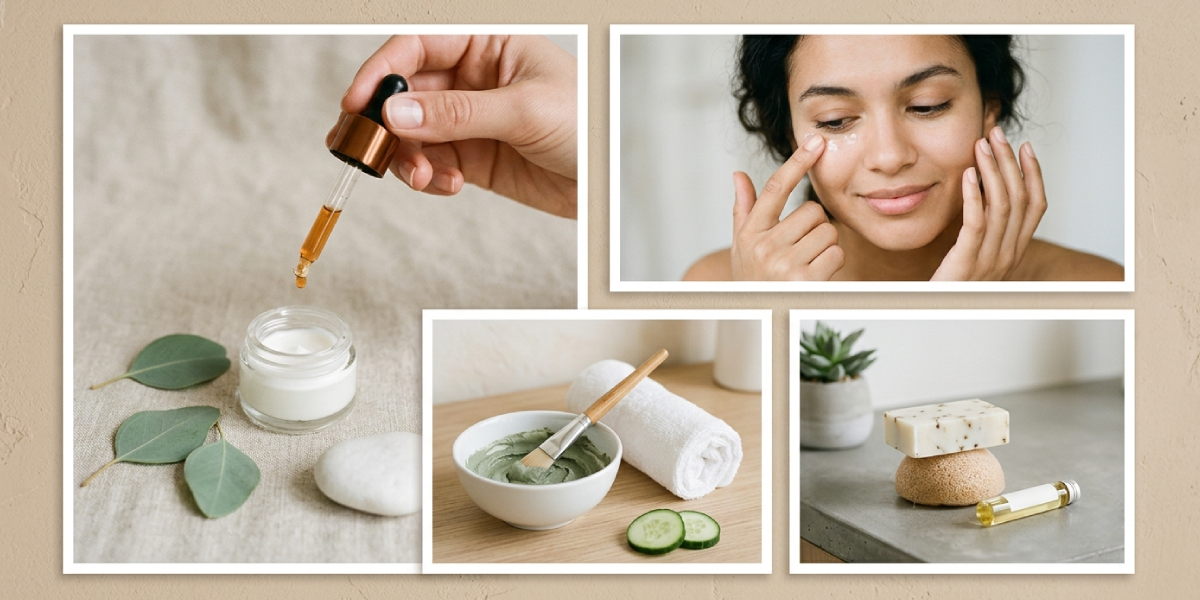
A good skin care routine does not need ten steps. Dermatologists consistently recommend a simple, three-part approach: cleanse, treat, and protect. Layering on too many products at once can disrupt your skin barrier and cause more harm than good.
Step 1: Cleansing
Use a gentle, sulfate-free cleanser twice daily, morning and night. Over-washing or using harsh cleansers strips natural oils, which can trigger your skin to overproduce sebum, ironically making oily skin worse.
Step 2: Treating
This is where active ingredients come in. Vitamin C serums in the morning help brighten skin and protect against environmental damage, while retinoids at night support cell turnover and reduce fine lines. If you are new to actives, introduce one at a time and give your skin a few weeks to adjust.
Step 3: Protecting
Sunscreen is the single most important step in any skin care routine. Daily use of a broad-spectrum SPF 30 or higher protects against premature aging, hyperpigmentation, and skin cancer risk. This step should never be skipped, even on cloudy days or when staying indoors near windows.
The Role of Diet and Hydration in Skin Health

Skin health is not only about what you put on your face, but also what you put into your body. A diet rich in antioxidants, healthy fats, and adequate water intake supports skin elasticity and reduces inflammation. Foods like fatty fish, leafy greens, berries, and nuts provide nutrients that help skin repair itself naturally.
If you are working on improving your overall wellness alongside your skin, browsing our health resources can help you build habits that support your body from the inside out, which often shows up as clearer, more resilient skin.
How Exercise Supports Glowing Skin
Regular physical activity increases blood circulation, which helps deliver oxygen and nutrients to skin cells while flushing out cellular waste. Sweating during exercise can also help clear clogged pores, provided you cleanse your skin shortly afterward.
For workout ideas that can support both your fitness goals and your skin health, check out our exercise category for routines you can start today.
Maintaining a healthy weight also plays a role in overall skin and hormonal balance. You can use our BMI calculator to get a clearer picture of where you stand and set realistic wellness goals that support your skin from within.
Common Skin Care Mistakes to Avoid
Many skin concerns are not caused by a lack of products, but by avoidable habits. Below are mistakes I see repeated often, even among people who are otherwise diligent about their routine.
- Skipping sunscreen on cloudy or cold days
- Over-exfoliating, which damages the skin barrier
- Sleeping with makeup on
- Using hot water to wash your face
- Switching products too frequently without giving them time to work
- Touching your face throughout the day, which transfers bacteria
Building a Routine for Different Skin Concerns
Different concerns require slightly different approaches. The table below offers a general starting point, though individual results vary and persistent issues should be evaluated by a dermatologist.
| Skin Concern | Recommended Approach |
|---|---|
| Acne | Salicylic acid cleanser, benzoyl peroxide spot treatment, oil-free moisturizer |
| Dryness | Hydrating cleanser, hyaluronic acid serum, ceramide-based moisturizer |
| Hyperpigmentation | Vitamin C serum, daily SPF, niacinamide |
| Fine Lines | Retinoid at night, peptide serum, consistent sun protection |
| Sensitivity | Fragrance-free products, minimal ingredient lists, patch testing |
Lifestyle Habits That Support Skin Health
Sleep, stress management, and consistency matter just as much as the products you use. Poor sleep raises cortisol levels, which can trigger breakouts and dull skin tone. Chronic stress has a similar effect, often showing up as flare-ups in conditions like eczema or acne.
Prioritizing seven to nine hours of sleep and finding sustainable stress outlets, such as walking or light exercise, can noticeably improve skin appearance over time.
When to See a Dermatologist
While most skin concerns can be managed with consistent home care, certain signs warrant professional attention. Persistent acne that does not respond to over-the-counter treatment, sudden changes in moles, unexplained rashes, or severe dryness and irritation should be evaluated by a licensed dermatologist rather than self-treated indefinitely.
Frequently Asked Questions
How long does it take to see results from a new skin care routine?
Most people notice improvements within four to eight weeks, since skin cell turnover typically takes around 28 days.
Is drinking more water enough to improve my skin?
Hydration helps, but it works best alongside a proper skin care routine, balanced diet, and sun protection.
Can diet really affect acne?
Yes, high-glycemic foods and dairy have been linked to increased acne in some studies, though triggers vary by individual.
Do I need separate day and night creams?
Not necessarily, but day creams with SPF and lighter textures suit daytime use, while night creams can include richer, repairing ingredients like retinoids.
Is natural sunlight enough vitamin D without sunscreen?
Brief, unprotected sun exposure can provide vitamin D, but daily sunscreen use is still recommended to prevent long-term skin damage.
How often should I exfoliate?
Most skin types benefit from exfoliating two to three times per week, though sensitive skin may only need it once weekly.
Can exercise cause breakouts?
Exercise itself does not cause breakouts, but sweat left on the skin too long can clog pores, so cleansing afterward is important.
What ingredients should I avoid if I have sensitive skin?
Fragrances, alcohol-based toners, and harsh sulfates are common irritants that sensitive skin types should generally avoid.
Does stress really affect skin condition?
Yes, elevated stress hormones can worsen acne, eczema, and psoriasis, making stress management an important part of skin care.
Can a healthy weight improve skin appearance?
Maintaining a healthy weight supports hormonal balance, which can reduce inflammation-related skin issues over time.