

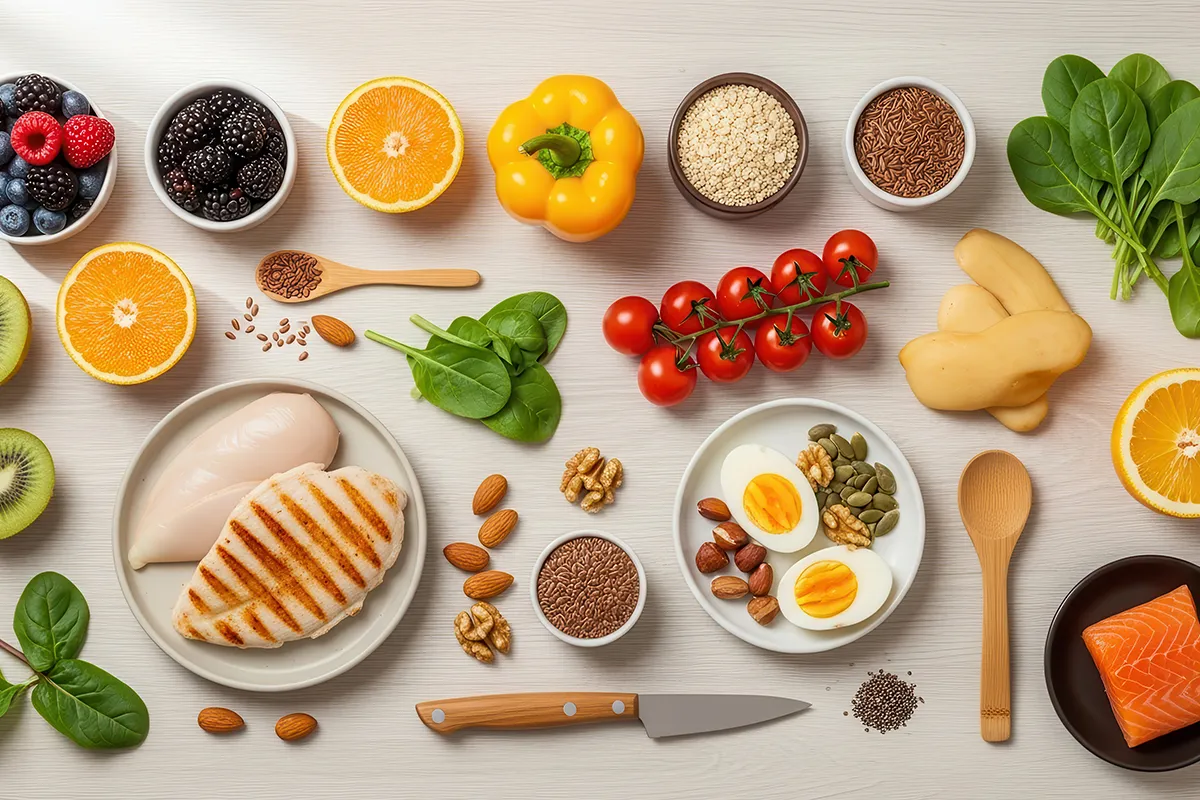
A low potassium diet is essential for individuals with kidney disease, hyperkalemia, or certain medical conditions requiring restricted potassium intake. Understanding how to manage your potassium consumption while maintaining proper nutrition can significantly impact your overall health and prevent serious complications. This comprehensive guide provides evidence-based information to help you navigate dietary restrictions safely and effectively.
Understanding Potassium and Why Restriction May Be Necessary
Potassium is a vital mineral that helps regulate heartbeat, muscle function, and fluid balance in your body. Healthy kidneys naturally filter excess potassium from your blood, but when kidney function declines, potassium levels can build up to dangerous levels. This condition, called hyperkalemia, can lead to irregular heartbeat, muscle weakness, and in severe cases, cardiac arrest.
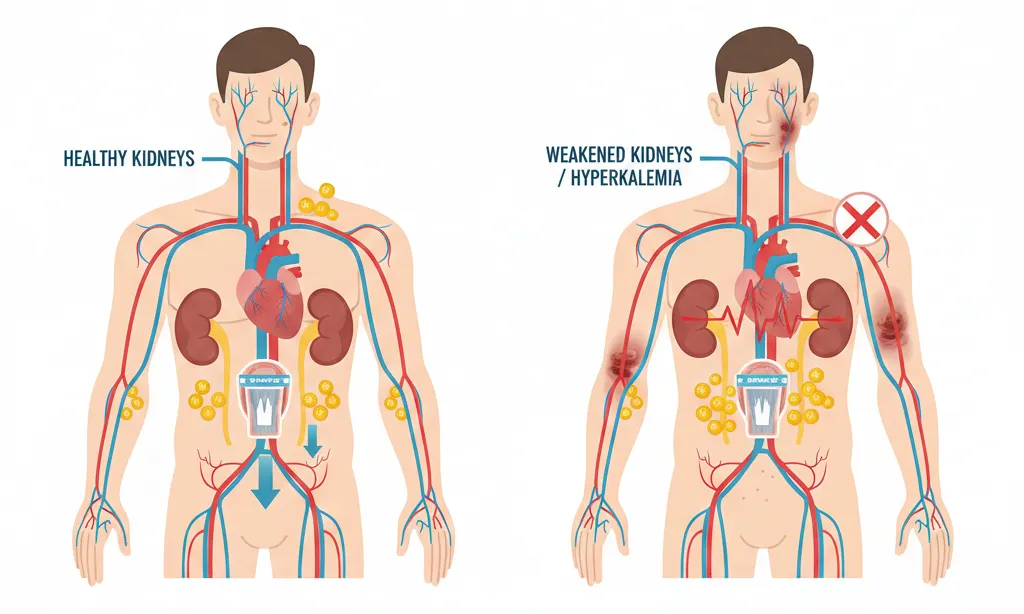
Your doctor may recommend a low potassium diet if you have chronic kidney disease, are on dialysis, take certain medications like ACE inhibitors or potassium-sparing diuretics, or have been diagnosed with hyperkalemia. The typical recommendation limits potassium intake to 2000-3000 mg per day, though your specific target should be determined by your healthcare provider based on your lab results and medical condition.
Foods to Avoid on a Low Potassium Diet
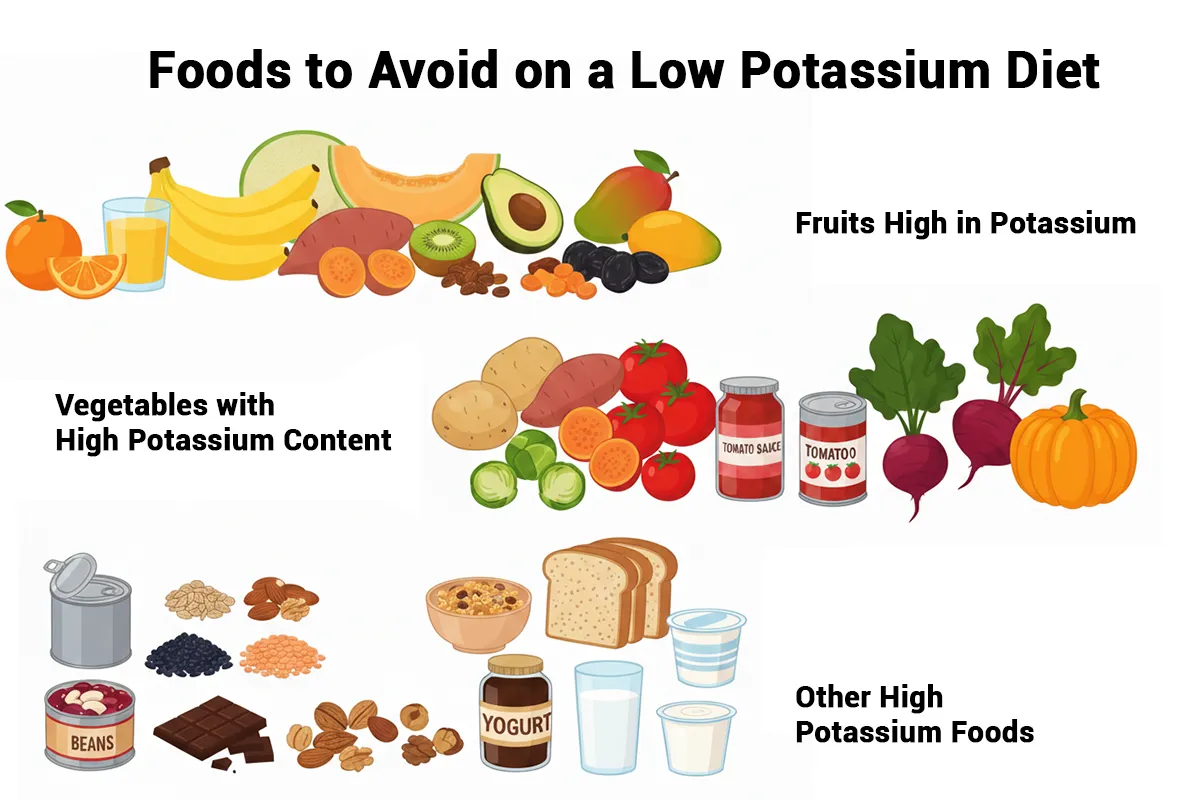
High potassium foods should be limited or avoided entirely when following a low potassium diet. Being aware of these foods helps you make informed choices at the grocery store and when dining out.
Fruits High in Potassium
Many popular fruits contain significant amounts of potassium. Bananas are well-known for their high potassium content, with one medium banana containing approximately 422 mg. Other fruits to limit include oranges and orange juice, cantaloupe, honeydew melon, dried fruits such as raisins, prunes, and dates, avocados, kiwi, and mangoes. Even seemingly healthy fruit juices can concentrate potassium levels, making them particularly problematic for those on restriction.
Vegetables with High Potassium Content
Certain vegetables pack substantial potassium amounts and require careful monitoring. Potatoes, sweet potatoes, and yams contain very high levels, as do tomatoes and tomato-based products like sauce, paste, and juice. Winter squash varieties, spinach and other dark leafy greens, beets, Brussels sprouts, artichokes, and pumpkin should also be consumed cautiously or avoided depending on your restriction level.
Other High Potassium Foods
Beyond fruits and vegetables, several other food categories contain elevated potassium. Beans and legumes including kidney beans, black beans, and lentils are particularly high. Nuts and seeds, chocolate and cocoa products, bran and whole grain products, salt substitutes containing potassium chloride, molasses, and certain dairy products like milk and yogurt also contribute significant potassium to your diet.
Foods You Can Enjoy on a Low Potassium Diet
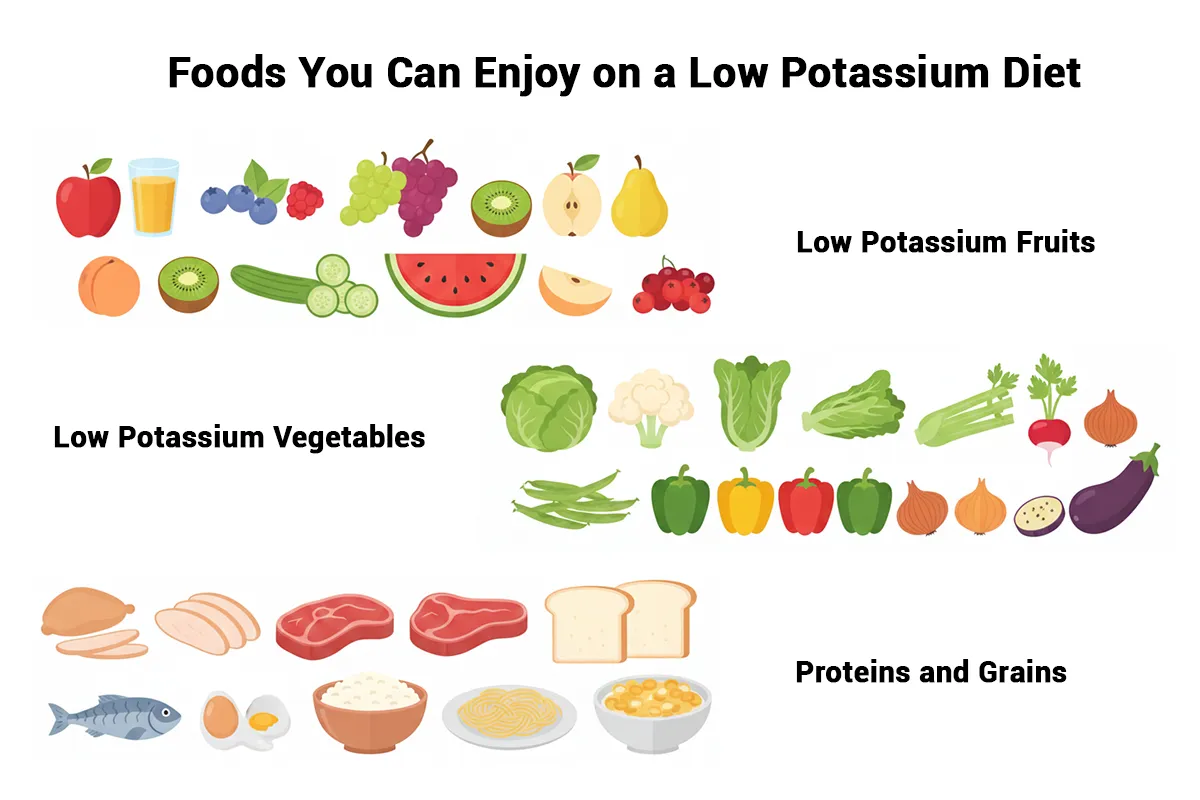
Following a low potassium diet doesn’t mean sacrificing flavor or variety. Many delicious and nutritious foods naturally contain lower amounts of potassium, allowing you to create satisfying meals while staying within your limits.
Low Potassium Fruits
Several fruits can be enjoyed in appropriate portions. Apples and apple juice (without added potassium), berries including blueberries, strawberries, and raspberries, grapes and grape juice, pineapple, watermelon in small amounts, peaches and pears (canned in juice, not syrup), and cranberries are all suitable options. Remember that portion size matters, so stick to recommended serving sizes of one-half cup for most fruits.
Low Potassium Vegetables
Many vegetables fit well into a low potassium eating plan. Cabbage, both green and red varieties, cauliflower, cucumber, green beans, lettuce including iceberg and romaine, peppers (bell peppers), radishes, celery, onions, and eggplant are excellent choices. Carrots can be included in moderation when properly prepared.
Proteins and Grains
Most protein sources are naturally lower in potassium when consumed in appropriate portions. Chicken, turkey, lean beef, fish (in moderate portions), eggs, and white rice are good options. White bread, pasta made from refined flour, and certain cereals like cornflakes or rice-based varieties provide energy without excessive potassium. Regular physical activity, as outlined in various exercises, can help you maintain muscle mass while on dietary restrictions.
Preparation Techniques to Reduce Potassium
How you prepare food significantly affects its potassium content. Leaching is a process that can reduce potassium levels in certain vegetables by up to 50 percent, making otherwise high-potassium foods more suitable for your diet.
The Leaching Process
To leach vegetables, peel and slice them into thin pieces, rinse them in warm water, soak them in a large amount of warm water for at least two hours (changing the water every hour), rinse again thoroughly, and cook in fresh water using five times the amount of water to vegetables. This technique works best for potatoes, sweet potatoes, carrots, beets, and winter squash.
Other Cooking Methods
Boiling vegetables in large amounts of water and discarding the cooking liquid removes more potassium than steaming or microwaving. Avoid cooking methods that concentrate nutrients, such as roasting without water or pressure cooking. When preparing soups or stews, use plenty of liquid and consider discarding some of the broth to reduce potassium concentration.
Reading Food Labels and Hidden Sources
Becoming label-savvy is crucial for successfully managing potassium intake. Many processed foods contain hidden potassium sources that can quickly add up throughout the day.
Check ingredient lists for potassium chloride, often used as a salt substitute in processed foods. Many low-sodium products replace sodium with potassium, making them unsuitable despite appearing healthier. Additives like potassium phosphate, potassium citrate, and potassium benzoate also contribute to your daily total.
Restaurant meals and takeout foods often contain unknown amounts of potassium from ingredients, seasonings, and preparation methods. When dining out, choose simple preparations, ask about ingredients, request sauces and dressings on the side, and avoid buffets where you cannot control portions or ingredients.
Managing Your Low Potassium Diet Successfully
Success with dietary restrictions requires planning, organization, and regular communication with your healthcare team. Implementing practical strategies makes adherence easier and more sustainable long-term.
Meal Planning Strategies
Plan your meals and snacks in advance to ensure you stay within your potassium limits while meeting other nutritional needs. Keep a food diary tracking potassium content to identify patterns and problematic foods. Measure portions carefully using measuring cups, spoons, and a food scale. Prepare meals at home where you control ingredients and preparation methods. Stock your kitchen with low potassium staples so you always have suitable options available.
Working with Healthcare Professionals
Regular monitoring and professional guidance ensure your diet supports your overall health goals. Schedule regular blood tests to monitor potassium levels and kidney function. Consult a registered dietitian specializing in kidney disease for personalized meal plans. Review all medications and supplements with your doctor, as some may affect potassium levels. Never adjust your diet drastically without medical supervision, especially if you’re on dialysis.
Balancing Nutrition While Restricting Potassium
Limiting potassium doesn’t mean neglecting other essential nutrients. A well-planned low potassium diet can meet all your nutritional requirements while protecting your health.
Ensure adequate protein intake to maintain muscle mass and support healing, typically 0.8-1.0 grams per kilogram of body weight for those with kidney disease not on dialysis. Include calcium from low potassium sources to support bone health. Monitor phosphorus intake if you also have kidney disease, as this mineral may require restriction too. Stay hydrated with appropriate fluid intake based on your kidney function and urine output.
Vitamin and mineral supplementation may be necessary, but only take supplements recommended by your doctor, as many multivitamins contain potassium. Water-soluble vitamins like B vitamins and vitamin C may be needed, especially for dialysis patients who lose these nutrients during treatment.
Common Challenges and Solutions
Following a low potassium diet presents unique challenges, but practical solutions exist for most obstacles you’ll encounter.
Social Situations and Dining Out
Eating with friends and family while on dietary restrictions can feel isolating. Communicate your dietary needs clearly and without apology. Offer to bring a dish you can eat to social gatherings. Research restaurant menus online before going out. Focus on the social aspects of dining rather than just the food. Remember that your health is worth prioritizing.
Food Cravings and Variety
Craving high potassium foods is natural when they’re restricted. Experiment with herbs and low-sodium spices to add flavor without potassium. Try new low potassium recipes to prevent boredom. Allow small portions of higher potassium foods occasionally if your levels are well-controlled and your doctor approves. Find satisfying substitutes for your favorite high potassium foods.
Monitoring and Adjusting Your Diet

Your potassium needs may change over time based on kidney function, medications, and overall health status. Regular assessment and adjustment keep your diet optimal for your current situation.
Track symptoms that might indicate high potassium, including muscle weakness, tingling sensations, irregular heartbeat, nausea, and shortness of breath. Report these symptoms to your doctor immediately. Understand your lab results by learning your target potassium range and reviewing test results with your healthcare provider. Discuss any trending changes in your levels.
Adjust your diet based on test results by working with your dietitian to modify your meal plan if potassium levels drift outside the target range. Don’t make drastic changes independently. Consider seasonal variations, as fresh produce availability changes throughout the year, affecting your food choices.
Special Considerations for Different Populations
Certain groups face unique challenges when following a low potassium diet and may need specialized approaches.
Dialysis Patients
People on dialysis have different nutritional needs than those with earlier stage kidney disease. Hemodialysis removes potassium from blood, but buildup between treatments remains a concern. Peritoneal dialysis removes potassium more gradually and continuously. Protein needs are higher for dialysis patients, requiring careful balance with potassium restriction. Fluid restrictions often accompany dietary limitations, adding complexity to meal planning.
Athletes and Active Individuals
Maintaining an active lifestyle with potassium restrictions requires special attention. Work closely with both your nephrologist and a sports dietitian to balance exercise needs with dietary limits. Time higher potassium foods strategically around workouts if your levels allow. Focus on low potassium carbohydrate sources for energy. Stay properly hydrated according to your individual fluid allowance. Monitor for signs of electrolyte imbalance during and after exercise.
Long-Term Success and Lifestyle Integration
Managing a low potassium diet becomes easier as it becomes habitual. Building sustainable practices ensures long-term adherence and better health outcomes.
Create systems that support your diet by organizing your kitchen with low potassium foods at eye level. Develop a rotation of favorite meals you can prepare easily. Build relationships with supportive friends and family who understand your needs. Join support groups for people with kidney disease to share experiences and recipes. Celebrate non-food victories related to improved lab values and overall health.
Stay informed about new research and recommendations regarding kidney disease nutrition, as guidelines evolve with emerging evidence. Subscribe to reputable nephrology and nutrition newsletters. Attend educational sessions offered by your dialysis center or kidney foundation. Ask questions during medical appointments to understand the rationale behind recommendations.
Frequently Asked Questions
What is the recommended daily potassium limit on a low potassium diet?
The typical recommendation for a low potassium diet is 2000-3000 mg per day, though your specific target should be determined by your healthcare provider based on your blood test results, kidney function, medications, and overall health status. Some individuals may require stricter limits while others can tolerate slightly higher amounts.
Can I ever eat bananas or potatoes again on a low potassium diet?
While bananas and potatoes are high in potassium, you may be able to enjoy small portions occasionally if your potassium levels are well-controlled. Potatoes can be leached before cooking to reduce potassium content by approximately 50 percent. Always consult your doctor or dietitian before adding high potassium foods back into your diet, and monitor your blood levels closely.
Are salt substitutes safe for people on a low potassium diet?
Most salt substitutes contain potassium chloride instead of sodium chloride, making them extremely dangerous for people restricting potassium. A single teaspoon of some salt substitutes can contain 2800 mg of potassium, potentially exceeding your entire daily allowance. Always read labels carefully and use herbs, spices, lemon juice, or vinegar to flavor food instead.
How quickly can potassium levels become dangerous?
Potassium levels can rise quickly, particularly if you consume several high potassium foods in a short period or if your kidney function suddenly worsens. Dangerously high levels can develop within hours in some cases. Symptoms of hyperkalemia include irregular heartbeat, muscle weakness, and tingling sensations. Seek immediate medical attention if you experience these symptoms.
Do cooking methods really make a difference in potassium content?
Yes, preparation methods significantly affect potassium content in foods. Boiling vegetables in large amounts of water and discarding the cooking liquid removes more potassium than steaming, microwaving, or roasting. The leaching process, which involves soaking and rinsing vegetables in water multiple times, can reduce potassium by up to 50 percent in certain vegetables like potatoes and carrots.
Can I drink coffee and tea on a low potassium diet?
Coffee and tea contain potassium, but the amount varies by type and brewing method. An 8-ounce cup of brewed coffee contains approximately 116 mg of potassium, while black tea contains about 88 mg per cup. These can usually be included in moderation as part of your daily potassium allowance. Limit portions to 8 ounces and avoid concentrated forms. Check with your healthcare provider about appropriate amounts for your situation.
Should I avoid all fruits and vegetables on a low potassium diet?
No, you should not avoid all fruits and vegetables. Many fruits and vegetables are naturally low in potassium and provide essential vitamins, minerals, and fiber. Low potassium options include apples, berries, grapes, cabbage, green beans, lettuce, and cucumbers. The key is choosing lower potassium options, controlling portion sizes, and tracking your total daily intake to stay within your recommended limits.
How do I calculate potassium content in homemade recipes?
To calculate potassium in homemade recipes, list all ingredients with their amounts, look up the potassium content of each ingredient using reliable databases like the USDA FoodData Central, add up the total potassium for the entire recipe, and divide by the number of servings. Many nutrition tracking apps can perform these calculations automatically. Keep a recipe binder with calculated nutrition information for your frequently prepared meals.