

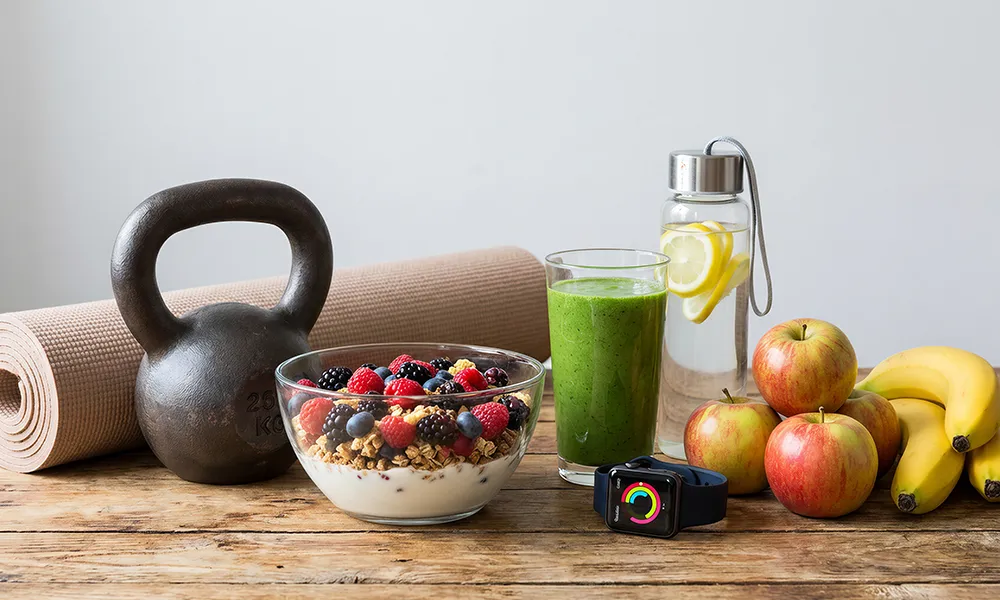
A healthy diet for gym-goers is essential for maximizing workout performance, building muscle, and achieving fitness goals. Whether you’re lifting weights, doing cardio, or engaging in high-intensity training, proper nutrition fuels your body and accelerates recovery.
Understanding what to eat, when to eat, and how much to consume can transform your fitness journey. This comprehensive guide provides evidence-based nutritional strategies tailored specifically for people who work out regularly.
Understanding Macronutrients for Gym Performance
Macronutrients—proteins, carbohydrates, and fats—form the foundation of any effective gym diet. Each plays a distinct role in supporting your training and recovery.
Protein: The Muscle-Building Essential
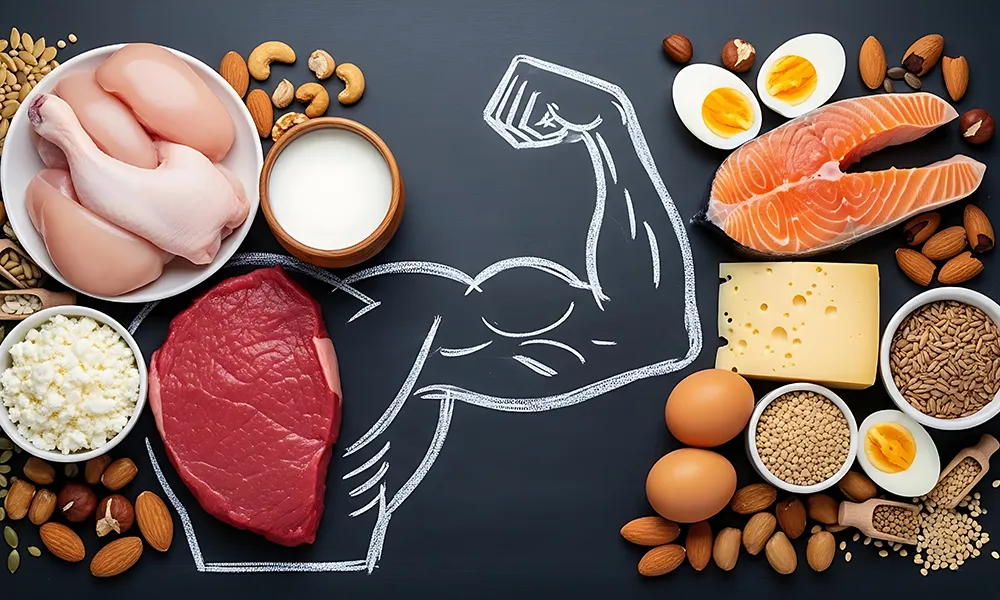
Protein is crucial for repairing and building muscle tissue damaged during workouts. Gym-goers typically need 1.6 to 2.2 grams of protein per kilogram of body weight daily. High-quality protein sources include chicken breast, turkey, lean beef, fish, eggs, Greek yogurt, cottage cheese, and plant-based options like lentils, chickpeas, and tofu.
Distributing protein intake evenly across meals throughout the day optimizes muscle protein synthesis. Aim for 20-40 grams of protein per meal, depending on your body weight and training intensity.
Carbohydrates: Your Primary Energy Source
Carbohydrates replenish glycogen stores depleted during exercise and provide immediate energy for intense workouts. Active individuals need 3-7 grams of carbohydrates per kilogram of body weight, with higher amounts for endurance athletes or those training multiple times daily.
Focus on complex carbohydrates such as oatmeal, brown rice, quinoa, sweet potatoes, whole grain bread, and fruits. These provide sustained energy and essential nutrients compared to simple sugars.
Healthy Fats: Supporting Hormone Production
Dietary fats support hormone production, including testosterone, which is vital for muscle growth. They also aid nutrient absorption and provide long-lasting energy. Aim for 0.5-1.5 grams of fat per kilogram of body weight from sources like avocados, nuts, seeds, olive oil, fatty fish, and nut butters.
Pre-Workout Nutrition Strategies

What you eat before training significantly impacts your workout quality and endurance. Timing and composition matter.
For workouts 2-3 hours away, consume a balanced meal containing carbohydrates, protein, and minimal fat. Examples include grilled chicken with brown rice and vegetables, or oatmeal with banana and protein powder. This provides sustained energy without digestive discomfort.
If you’re eating 30-60 minutes before exercise, choose easily digestible options like a banana with almond butter, Greek yogurt with berries, or a small smoothie. These provide quick energy without causing stomach upset during training.
Post-Workout Recovery Nutrition
The post-workout period is critical for recovery and muscle growth. Your body is primed to absorb nutrients and begin the repair process.
Within 30-60 minutes after training, consume a combination of protein and carbohydrates. The ideal ratio is approximately 3:1 or 4:1 carbohydrates to protein. A protein shake with a banana, chocolate milk, or chicken with rice are excellent options.
This timing helps replenish glycogen stores, reduce muscle protein breakdown, and initiate muscle repair. Follow this with a complete meal within 2-3 hours containing all three macronutrients.
Hydration Requirements for Active Individuals

Proper hydration is often overlooked but is fundamental to gym performance. Even mild dehydration can impair strength, endurance, and cognitive function.
Drink at least 3-4 liters of water daily, increasing intake on training days. Monitor urine color—pale yellow indicates adequate hydration. During workouts lasting over an hour, consider beverages with electrolytes to replace sodium, potassium, and magnesium lost through sweat.
Weigh yourself before and after intense sessions. For every kilogram lost, drink 1.5 liters of fluid to fully rehydrate.
Micronutrients and Supplements
While macronutrients provide energy and building blocks, micronutrients support countless bodily functions essential for gym performance.
Essential Vitamins and Minerals
Iron supports oxygen transport to muscles, making it crucial for endurance. Sources include red meat, spinach, and fortified cereals. Vitamin D promotes bone health and muscle function—get it from sunlight exposure, fatty fish, and fortified dairy products.
Calcium strengthens bones under stress from weight training. Consume dairy products, leafy greens, and fortified plant milks. Magnesium aids muscle contraction and recovery, found in nuts, seeds, whole grains, and dark chocolate.
Evidence-Based Supplements
While whole foods should form the foundation of your diet, certain supplements offer proven benefits. Whey protein powder provides convenient, high-quality protein. Creatine monohydrate increases strength and muscle mass when combined with resistance training—take 3-5 grams daily.
Caffeine enhances focus and endurance when consumed 30-60 minutes pre-workout. Omega-3 fatty acids from fish oil reduce inflammation and support recovery. Beta-alanine may improve high-intensity exercise performance.
Sample Meal Plans for Different Goals

Your nutritional needs vary based on whether you’re building muscle, losing fat, or maintaining weight while improving performance.
Muscle Building Meal Plan
Breakfast: 4 scrambled eggs, 2 slices whole grain toast, avocado, and orange juice. Mid-morning snack: Greek yogurt with granola and mixed berries. Lunch: Grilled salmon, quinoa, roasted vegetables, and a side salad with olive oil dressing.
Afternoon snack: Protein shake with banana and peanut butter. Dinner: Lean beef stir-fry with brown rice and broccoli. Evening snack: Cottage cheese with almonds.
Fat Loss Meal Plan
Breakfast: Oatmeal with protein powder, berries, and chia seeds. Mid-morning snack: Apple with almond butter. Lunch: Grilled chicken salad with mixed greens, vegetables, and balsamic vinegar.
Afternoon snack: Carrot sticks with hummus. Dinner: Baked cod, sweet potato, and steamed green beans. Evening snack: Casein protein shake or small portion of Greek yogurt.
Common Nutritional Mistakes to Avoid
Many gym-goers sabotage their progress through preventable dietary errors. Understanding these pitfalls helps you stay on track.
Undereating is a frequent mistake, especially when trying to lose weight. Severe calorie restriction slows metabolism and causes muscle loss. Calculate your needs accurately and create a moderate deficit of 300-500 calories for sustainable fat loss.
Neglecting protein intake limits muscle growth and recovery. Prioritize protein at every meal. Inconsistent meal timing can disrupt energy levels and recovery—establish a regular eating schedule.
Relying too heavily on supplements instead of whole foods deprives your body of essential nutrients and fiber. Supplements should complement, not replace, a balanced diet. Ignoring individual needs is another error—nutrition is not one-size-fits-all. Adjust based on your training intensity, body composition goals, and how your body responds.
Adjusting Your Diet Based on Training Intensity
Your nutritional requirements fluctuate with training volume and intensity. Active rest days require fewer calories and carbohydrates than heavy training days.
On high-intensity training days, increase carbohydrate intake to fuel performance and recovery. On rest or light activity days, reduce carbohydrates slightly while maintaining protein and healthy fat intake. This approach, called nutrient timing or carb cycling, optimizes body composition and performance.
Listen to your body’s hunger and energy signals. If you’re consistently fatigued or not recovering well, you may need more calories or specific nutrients.
Building Sustainable Eating Habits
Long-term success requires sustainable habits rather than restrictive diets. Meal preparation is invaluable—dedicate time weekly to prepare proteins, cook grains, and chop vegetables. This ensures healthy options are always available.
Practice flexible eating by following the 80/20 rule—make nutritious choices 80% of the time while allowing room for enjoyment. This prevents feelings of deprivation and supports adherence. Track your intake initially to understand portions and macronutrient distribution, but avoid becoming obsessive.
Educate yourself continuously about nutrition science. As research evolves, so should your approach. For more guidance on optimizing your fitness journey, explore our exercises section and health resources.
Frequently Asked Questions
What should I eat before a morning workout?
For morning workouts, consume easily digestible carbohydrates 30-45 minutes beforehand. A banana, a slice of toast with honey, or a small bowl of oatmeal provides quick energy without causing digestive discomfort. If you prefer fasted training, ensure you ate a substantial dinner the previous night and stay well-hydrated.
How much protein do I really need for muscle growth?
Most research suggests 1.6 to 2.2 grams of protein per kilogram of body weight daily for optimal muscle growth. For a 70-kilogram person, this equals 112-154 grams daily. Distribute this across 4-5 meals for maximum muscle protein synthesis. Higher intakes may benefit advanced athletes or those in caloric deficits.
Can I build muscle while losing fat?
Yes, body recomposition is possible, especially for beginners or those returning after a break. Maintain a slight caloric deficit of 300-500 calories, consume adequate protein (2-2.4 grams per kilogram), and follow a progressive resistance training program. Progress is slower than focusing on one goal, but simultaneous fat loss and muscle gain is achievable.
Are carbohydrates necessary for gym performance?
Carbohydrates are the primary fuel source for high-intensity exercise. While low-carb diets work for some people, most gym-goers perform better with adequate carbohydrate intake. They replenish glycogen stores, support intense training, and aid recovery. The amount needed depends on training volume and intensity—endurance athletes require more than those doing moderate strength training.
What are the best post-workout foods?
Effective post-workout nutrition includes both protein and carbohydrates. Excellent options include a protein shake with a banana, chocolate milk, grilled chicken with rice, Greek yogurt with granola and fruit, or a turkey sandwich on whole grain bread. Aim to eat within 30-60 minutes after training for optimal recovery.
How important is meal timing for results?
While total daily intake is most important, meal timing offers marginal benefits. Eating protein and carbohydrates around workouts supports performance and recovery. Distributing protein evenly across meals optimizes muscle protein synthesis. However, if meal timing creates stress or inconvenience, focus first on meeting daily nutritional targets consistently.
Should I take supplements or focus on whole foods?
Whole foods should form the foundation of your diet as they provide complete nutrition, fiber, and phytonutrients. Supplements are tools to fill gaps or enhance convenience. Protein powder helps meet protein targets, creatine improves strength, and a multivitamin can cover micronutrient deficiencies. Never rely on supplements to compensate for poor dietary habits.
How do I know if I’m eating enough calories?
Monitor your body weight, energy levels, and performance. If you’re maintaining weight and feeling energized with good workout performance, your intake is likely appropriate. For muscle gain, aim for 0.25-0.5 kilograms weight gain weekly. For fat loss, target 0.5-1 kilogram loss weekly. Adjust calories if progress stalls or you experience excessive fatigue.