


Fitness trackers benefits extend far beyond simple step counting, revolutionizing how we monitor and improve our health. These wearable devices have become essential companions for millions seeking to enhance their wellness journey through data-driven insights and continuous motivation. Whether you’re an athlete, a fitness enthusiast, or someone just beginning to prioritize health, understanding the comprehensive advantages of fitness trackers can help you make informed decisions about incorporating this technology into your daily routine.
1. Accurate Activity Tracking and Step Counting
One of the primary fitness trackers benefits is their ability to precisely monitor your daily physical activity. Modern devices use advanced accelerometers and gyroscopes to count steps, measure distance traveled, and calculate calories burned throughout the day. This continuous monitoring provides valuable insights into your activity patterns, helping you understand whether you’re meeting recommended daily movement goals. Most health organizations suggest aiming for 10,000 steps per day, and fitness trackers make it effortless to track progress toward this target. The real-time feedback encourages you to take extra steps, choose stairs over elevators, and remain active even during busy days.
2. Heart Rate Monitoring for Better Cardiovascular Health
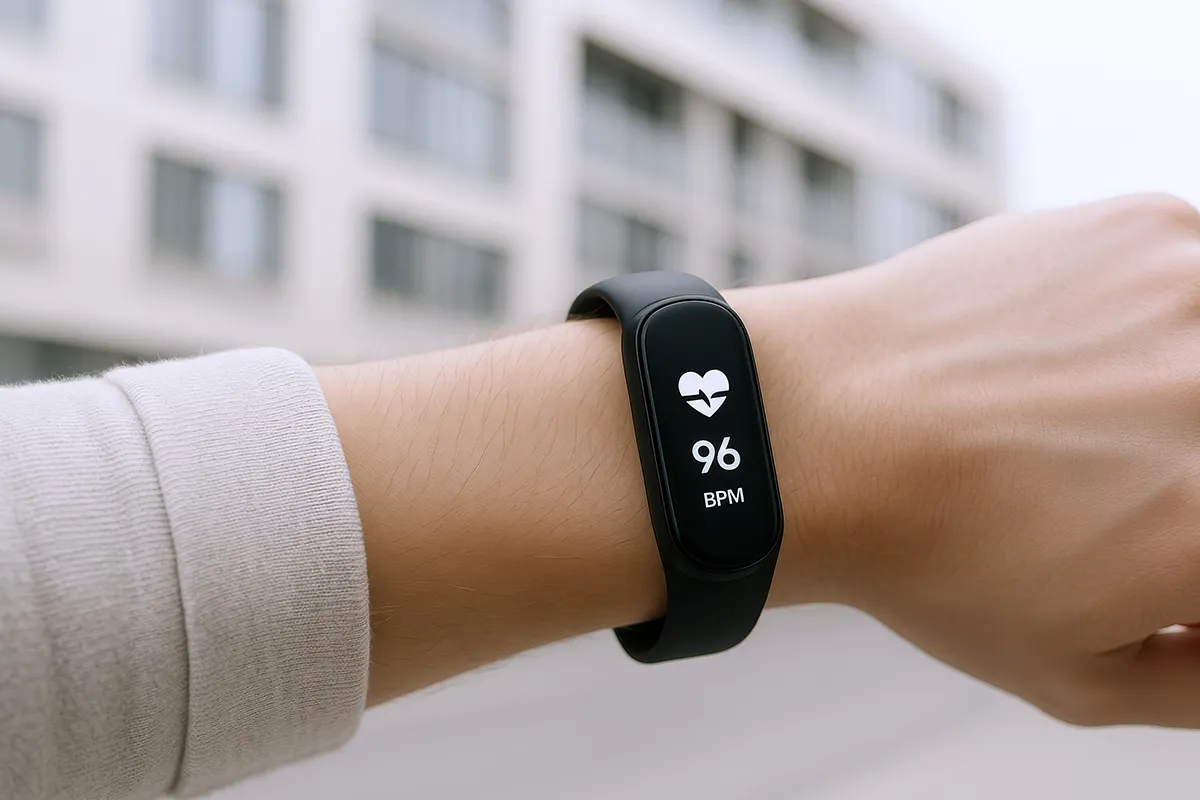
Continuous heart rate monitoring represents a significant advantage of wearing fitness trackers. These devices use optical sensors to measure your pulse throughout the day and night, providing insights into your resting heart rate, maximum heart rate during exercises, and heart rate variability. Understanding your heart rate zones helps optimize workout intensity for fat burning, cardiovascular conditioning, or endurance building. Additionally, tracking resting heart rate trends can reveal improvements in cardiovascular fitness over time or alert you to potential health concerns that warrant medical attention. Many devices now include irregular heart rhythm notifications, which can detect conditions like atrial fibrillation.
3. Sleep Quality Analysis and Improvement
Sleep tracking stands among the most valuable fitness trackers benefits for overall wellness. These devices monitor sleep duration, sleep stages including light sleep, deep sleep, and REM sleep, and sleep disruptions throughout the night. By analyzing this data, you gain understanding of your sleep patterns and can identify factors affecting sleep quality such as caffeine consumption, exercise timing, or stress levels. The insights enable you to make lifestyle adjustments that improve sleep hygiene, leading to better rest, enhanced recovery, and improved daytime energy levels. Quality sleep is fundamental to physical performance, mental clarity, and long-term health outcomes.
4. Goal Setting and Achievement Motivation
Fitness trackers excel at helping users set, track, and achieve personalized health goals. Whether your objective is weight loss, increased daily activity, improved cardiovascular endurance, or training for a specific event, these devices provide structured frameworks for goal progression. You can establish targets for steps, active minutes, calories burned, distance covered, or workout frequency. The visual representation of progress through charts, graphs, and achievement badges creates psychological motivation to maintain consistency. Celebrating milestones, no matter how small, reinforces positive behaviors and builds sustainable healthy habits over time.
5. Workout Detection and Exercise Recognition
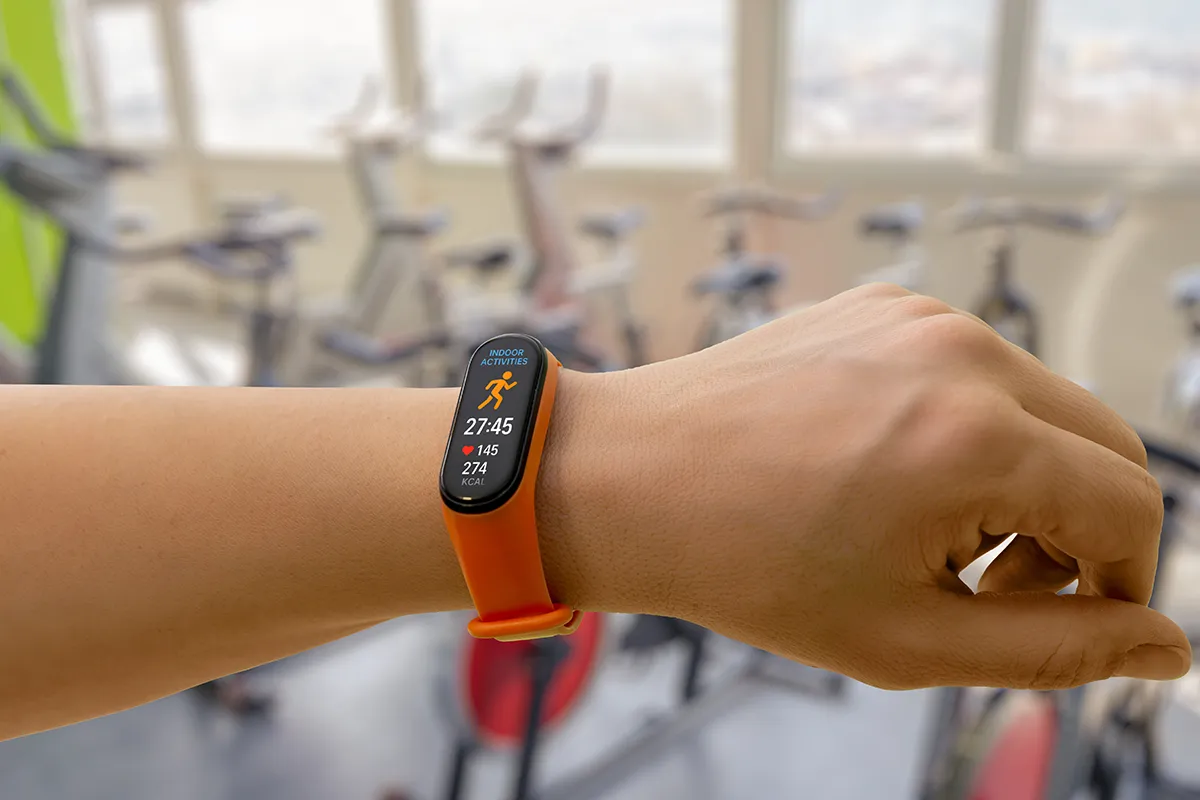
Advanced fitness trackers automatically recognize various types of physical activities without requiring manual input. Through sophisticated algorithms and motion sensors, these devices can distinguish between walking, running, cycling, swimming, weightlifting, and numerous other activities. This automatic exercise detection ensures accurate tracking even when you forget to manually start a workout session. The technology captures specific metrics relevant to each activity type, such as stroke count for swimming, cadence for cycling, or rep counting for strength training. This comprehensive exercise data helps you understand workout effectiveness and adjust training programs accordingly.
6. Calorie Burn Calculation and Weight Management
Understanding calorie expenditure is crucial for weight management, and fitness trackers provide reasonably accurate estimates of calories burned throughout the day. By combining data from heart rate sensors, movement patterns, personal profile information like age, weight, height, and gender, these devices calculate both resting metabolic rate and active calories burned during exercise. This information proves invaluable when creating calorie deficits for weight loss or ensuring adequate calorie intake for muscle building. Many trackers integrate with nutrition apps, allowing you to log food intake alongside activity data for comprehensive energy balance monitoring.
7. Stress Management and Breathing Guidance
Modern fitness trackers include stress monitoring features that assess physiological markers like heart rate variability, skin temperature, and breathing patterns to estimate stress levels. Recognizing when stress levels are elevated allows you to take proactive steps to manage tension before it impacts your health. Many devices offer guided breathing exercises designed to activate the parasympathetic nervous system, promoting relaxation and reducing anxiety. These breathing sessions, typically ranging from one to five minutes, can be performed anywhere and provide immediate calming effects. Regular use of stress management features contributes to better emotional regulation and mental wellbeing.
8. Blood Oxygen Saturation Monitoring
Pulse oximetry technology integrated into fitness trackers measures blood oxygen saturation levels, an important indicator of respiratory and circulatory system function. Normal blood oxygen levels typically range between 95-100 percent, and monitoring these values can help detect potential health issues or assess how your body responds to different altitudes and exercise intensities. This feature gained particular attention for monitoring respiratory health and has applications for athletes training at altitude, individuals with respiratory conditions, and anyone interested in comprehensive health tracking. Overnight oxygen monitoring can also help identify sleep-related breathing disturbances.
9. Enhanced Accountability and Social Connectivity
The social features built into fitness tracker ecosystems create powerful accountability mechanisms. You can connect with friends, family members, or online communities to share achievements, participate in challenges, and encourage each other’s fitness journeys. Friendly competition through step challenges or workout leaderboards motivates many users to push beyond their comfort zones. Sharing progress publicly or within select groups creates external accountability that reinforces commitment to health goals. The combination of personal tracking and social engagement produces better long-term adherence to fitness programs compared to exercising in isolation.
10. Personalized Health Insights and Recommendations
Artificial intelligence and machine learning algorithms analyze the extensive data collected by fitness trackers to generate personalized health insights and actionable recommendations. These systems identify patterns in your activity, sleep, heart rate, and other metrics to suggest optimal workout times, recovery periods, or lifestyle modifications. The insights become increasingly accurate as the device learns your individual patterns over weeks and months. Some advanced trackers provide readiness scores that combine multiple health metrics to indicate whether your body is prepared for intense training or needs additional recovery. These personalized recommendations help optimize your health strategy based on your unique physiology and circumstances.
11. Long-Term Health Trend Analysis
The ability to track health metrics over extended periods reveals valuable trends that short-term monitoring cannot capture. Fitness trackers store historical data allowing you to review progress over weeks, months, or years. You might discover seasonal patterns in your activity levels, correlations between sleep quality and workout performance, or gradual improvements in resting heart rate as cardiovascular fitness increases. This longitudinal perspective helps you understand which interventions produce meaningful results and which habits deserve continued focus. Healthcare providers can also utilize this comprehensive health data during consultations to make more informed recommendations based on objective measurements rather than subjective recall.
12. Water Resistance and Swimming Metrics
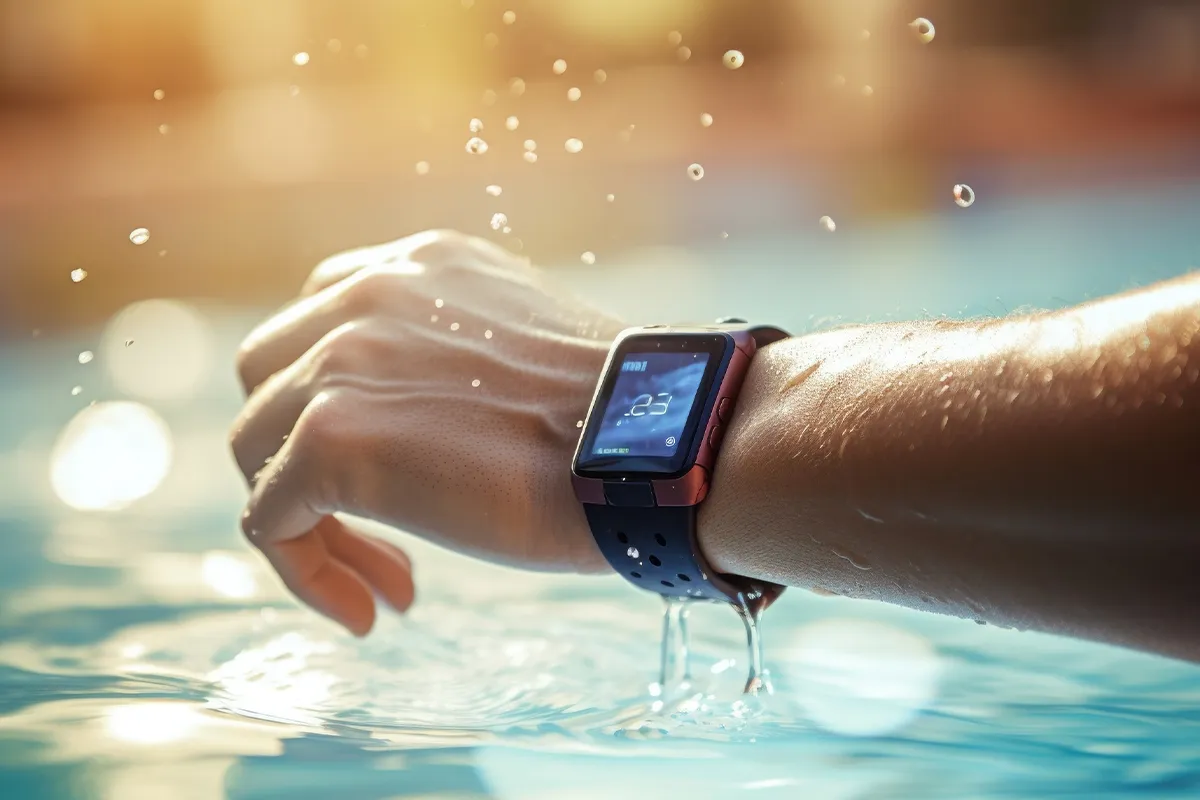
Many fitness trackers feature water resistance ratings that enable swimming tracking and shower wearing without device damage. For swimmers, this means capturing detailed pool or open water swimming metrics including distance, pace, stroke type, stroke count, and SWOLF scores that measure swimming efficiency. Water-based exercise provides excellent low-impact cardiovascular training, and having accurate tracking for these activities ensures comprehensive fitness monitoring regardless of your preferred exercise modality. The waterproof design also eliminates concerns about damaging your device during rainy runs, sweaty workouts, or daily hygiene routines.
Frequently Asked Questions
Are fitness trackers accurate for counting steps and calories?
Fitness trackers are generally accurate for step counting, with most quality devices achieving 90-95% accuracy during normal walking. Calorie burn estimates are less precise, typically within 10-30% of actual expenditure, because individual metabolic rates vary. The devices use algorithms based on movement patterns, heart rate, and personal data to estimate energy expenditure. While not perfectly accurate, they provide consistent measurements that are valuable for tracking relative changes and trends over time.
Can fitness trackers detect health problems?
Fitness trackers can identify certain irregularities that may indicate health concerns, such as abnormal heart rhythms, unusually high or low resting heart rates, significant changes in sleep patterns, or decreased blood oxygen levels. Some devices have received medical clearance for detecting atrial fibrillation. However, fitness trackers are wellness devices, not medical diagnostic tools. Any concerning readings should be discussed with healthcare professionals who can perform proper medical evaluations and diagnostics.
How long do fitness tracker batteries typically last?
Battery life varies significantly among fitness tracker models, ranging from 1-2 days for feature-rich smartwatches with large displays to 7-14 days for basic fitness bands, and even several weeks for specialized activity trackers. Factors affecting battery life include screen size and brightness, GPS usage frequency, heart rate monitoring continuity, notification settings, and which features are actively enabled. Most devices charge fully within 1-2 hours using proprietary charging cables or docks.
Do I need to wear my fitness tracker all the time?
Wearing your fitness tracker continuously, including during sleep, provides the most comprehensive health data and insights. However, it’s not strictly necessary to wear it 24/7. At minimum, wearing it during waking hours captures activity and exercise data. Sleep tracking requires nighttime wear. Some people remove trackers during certain activities, charging periods, or for comfort reasons. The key is consistent wearing patterns so your data remains comparable over time.
Can fitness trackers help with weight loss?
Fitness trackers support weight loss efforts by increasing awareness of daily activity levels, estimating calorie expenditure, encouraging consistent exercise habits, and providing motivation through goal tracking. Studies show that people who use fitness trackers tend to be more active than those who don’t. However, trackers are tools that work best when combined with proper nutrition, calorie management, and sustainable lifestyle changes. They cannot create weight loss independently but significantly enhance accountability and consistency.
Are expensive fitness trackers worth the investment?
The value of fitness trackers depends on your specific needs and how you’ll use the device. Premium models offer advanced features like ECG monitoring, blood oxygen sensors, built-in GPS, music storage, contactless payments, and longer battery life. Basic models effectively track steps, sleep, and heart rate at lower prices. Consider which features matter most for your fitness goals and whether you’ll actually use advanced capabilities before investing in high-end models. Many mid-range options provide excellent functionality at reasonable prices.