

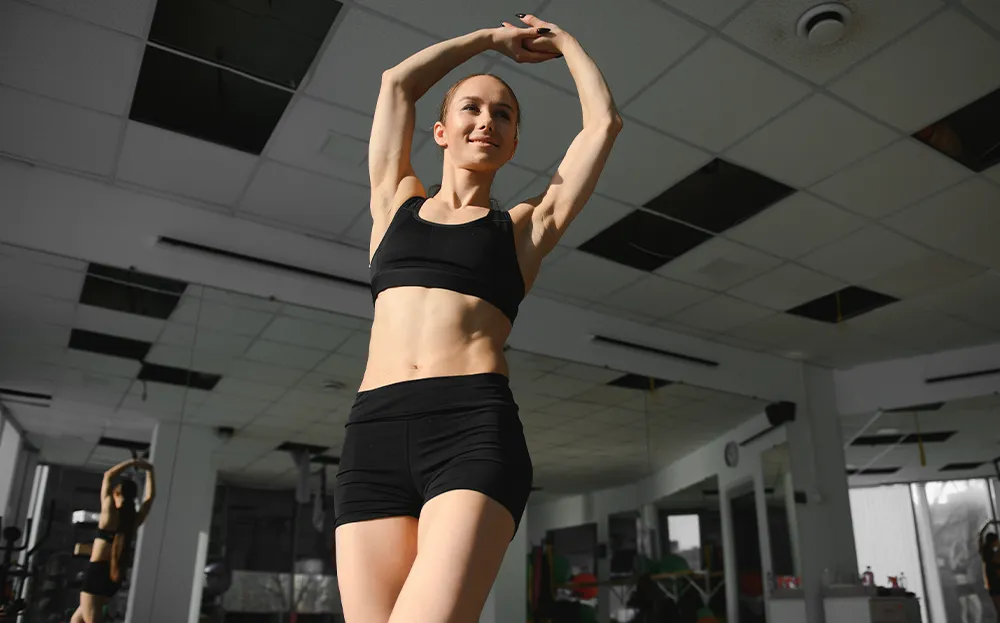
Dance workouts for fun and fitness have revolutionized how people approach exercise, transforming traditional workout routines into enjoyable movement experiences. Whether you’re looking to lose weight, improve cardiovascular health, or simply add more joy to your fitness routine, dance-based exercises offer a perfect blend of physical benefits and entertainment that keeps you coming back for more.
What Are Dance Workouts and Why Are They So Effective?
Dance workouts combine rhythmic movements, choreographed sequences, and music to create a full-body exercise experience. Unlike conventional gym routines, these workouts engage your mind and body simultaneously, requiring coordination, balance, and cardiovascular endurance. The effectiveness of dance workouts stems from their ability to elevate your heart rate while targeting multiple muscle groups through dynamic movements.
Research shows that dance-based fitness programs can burn between 250 to 600 calories per hour, depending on the intensity and style. The constant motion, directional changes, and varied movements challenge your body in ways that static exercises cannot replicate. This comprehensive approach to exercises makes dance workouts an exceptional choice for overall fitness improvement.
Top Dance Workout Styles to Try
Zumba: The Latin-Inspired Fitness Party
Zumba has become one of the most popular dance fitness programs worldwide, combining Latin and international music with easy-to-follow choreography. Created in the 1990s, Zumba classes feature salsa, merengue, cumbia, and reggaeton rhythms that make exercising feel like a celebration. The interval-style format alternates between high and low-intensity movements, providing an effective cardiovascular workout while improving coordination and muscle tone.
Hip Hop Dance Fitness
Hip hop dance workouts bring urban street style to fitness studios, incorporating powerful moves, body isolations, and high-energy sequences. This style builds strength, particularly in the core and lower body, while improving rhythm and self-expression. Hip hop dance fitness appeals to those who enjoy contemporary music and want a workout that feels edgy and empowering.
Barre Fitness
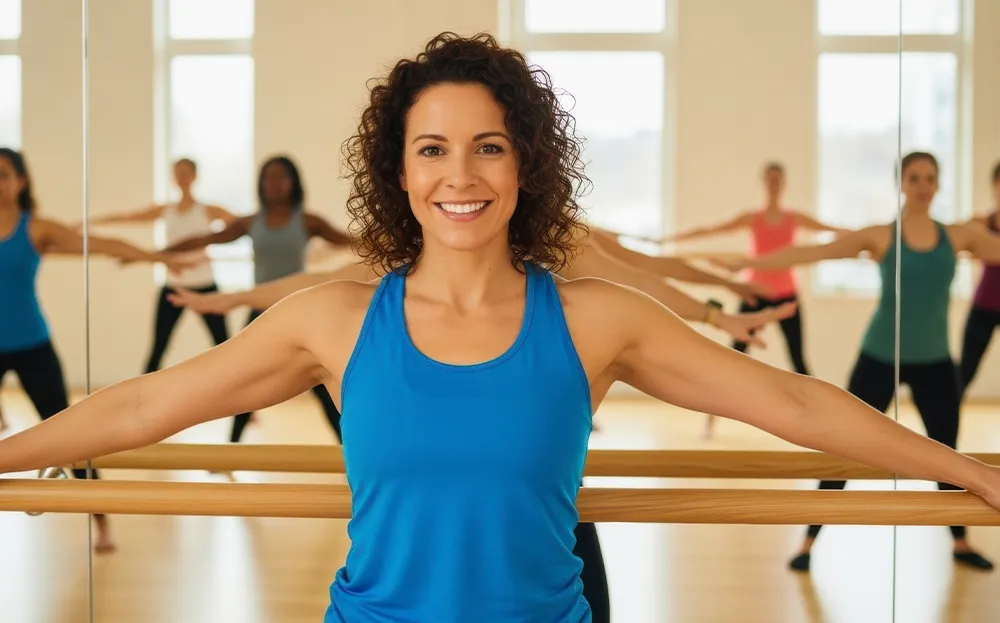
While incorporating elements of ballet, barre workouts blend dance-inspired movements with Pilates and yoga. These classes focus on small, controlled movements that target specific muscle groups, particularly the legs, glutes, and core. The graceful yet challenging exercises improve posture, flexibility, and muscle definition while building lean strength.
Bollywood Dance Workouts
Bollywood fitness classes incorporate the vibrant, expressive movements of Indian cinema dance, featuring colorful music and energetic choreography. These workouts combine traditional Indian dance forms with modern fitness principles, offering a cultural experience alongside physical benefits. The dynamic arm movements, footwork patterns, and full-body engagement provide excellent cardiovascular conditioning.
Dance Cardio and Aerobic Dance
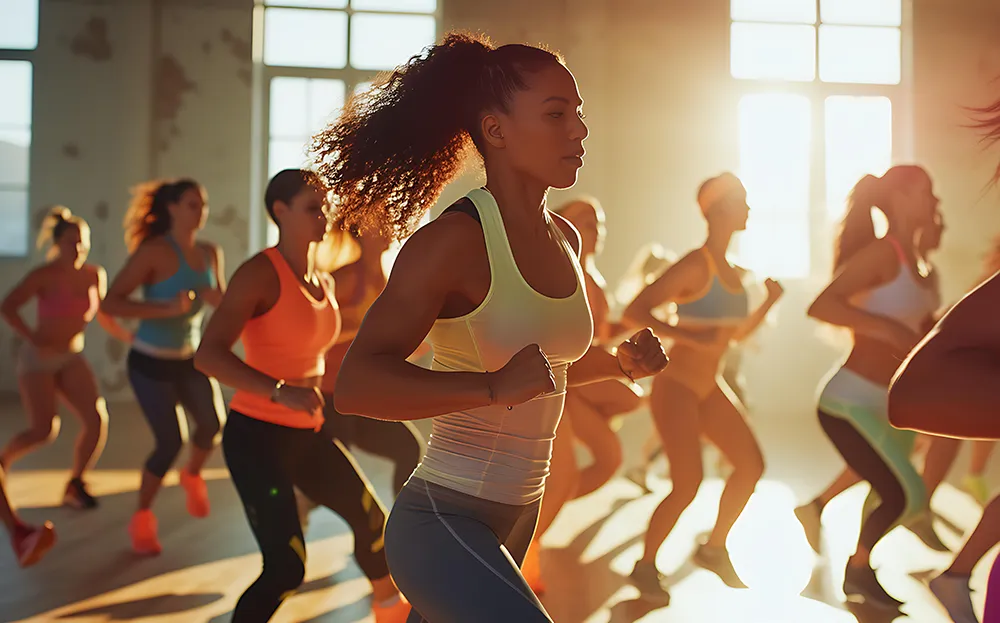
Traditional aerobic dance and modern dance cardio classes offer structured routines set to popular music. These workouts typically feature repetitive movements designed to keep your heart rate elevated while being accessible to various fitness levels. Instructors often break down moves step-by-step, making these classes ideal for beginners.
Physical Health Benefits of Dance Workouts
Engaging in regular dance workouts provides numerous measurable health improvements that extend far beyond simple weight management.
Cardiovascular Health Improvement
Dance workouts strengthen your heart and improve circulation through sustained aerobic activity. The continuous movement patterns increase your heart rate to target zones that enhance cardiovascular endurance, reduce blood pressure, and lower the risk of heart disease. Studies indicate that people who participate in dance-based exercise three to five times weekly show significant improvements in cardiovascular markers.
Enhanced Muscle Tone and Strength
Different dance styles target various muscle groups, creating balanced muscular development throughout the body. Quick directional changes engage stabilizing muscles, while jumps and leaps build power in the legs. Upper body movements in styles like Bollywood or hip hop strengthen the arms, shoulders, and back, contributing to overall functional fitness.
Better Balance and Coordination
Dance workouts require you to coordinate multiple body parts simultaneously while maintaining balance during turns, jumps, and transitions. This constant challenge to your proprioception and spatial awareness translates to improved balance in daily activities and reduced fall risk, particularly important as we age.
Increased Flexibility and Range of Motion
The dynamic stretching inherent in dance movements gradually increases flexibility and joint mobility. Regular participation in dance workouts can improve your range of motion, reduce muscle stiffness, and decrease injury risk during other physical activities.
Weight Management and Calorie Burning
The high-energy nature of most dance workouts creates significant caloric expenditure. A 150-pound person can burn approximately 300-400 calories in a moderate-intensity 60-minute dance class, with higher-intensity sessions burning even more. This makes dance an effective tool for weight loss and maintenance when combined with proper nutrition.
Mental and Emotional Benefits
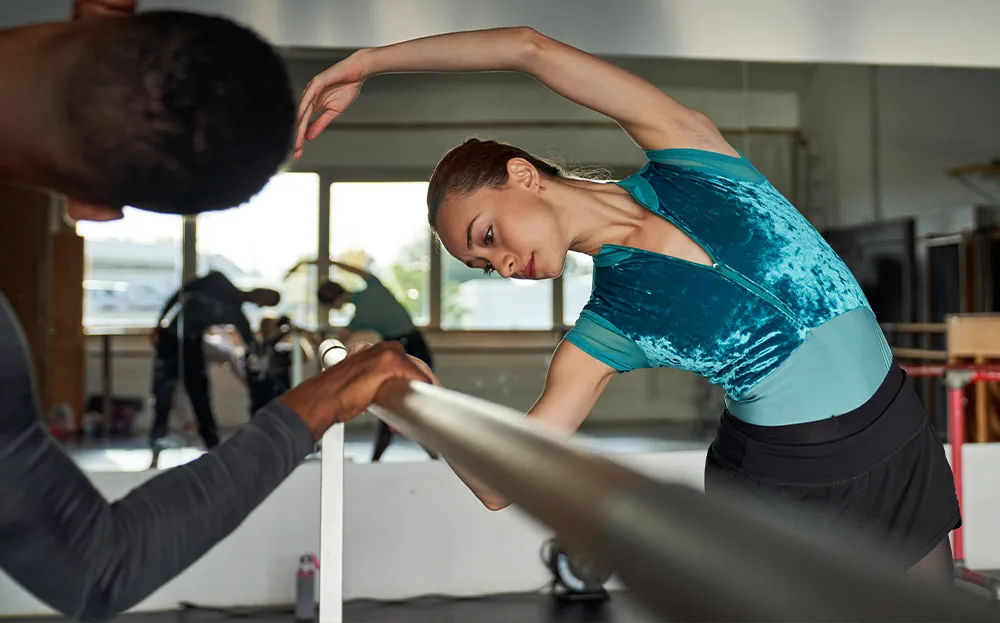
The advantages of dance workouts extend well beyond physical fitness, offering substantial mental and emotional rewards.
Stress Reduction and Mood Enhancement
Dancing triggers the release of endorphins, the body’s natural mood elevators, which help reduce stress, anxiety, and symptoms of depression. The combination of music, movement, and social interaction creates a powerful antidote to daily stressors. Many participants report feeling energized and emotionally refreshed after dance sessions.
Cognitive Function and Memory
Learning and remembering choreography challenges your brain, creating new neural pathways and strengthening cognitive function. Research suggests that dance-based activities may help maintain brain health and potentially reduce the risk of cognitive decline as we age. The mental engagement required to coordinate movements with music provides excellent brain exercise.
Boosted Self-Confidence
Mastering new dance moves and improving your skills builds self-confidence and body positivity. The non-competitive, judgment-free environment of most dance fitness classes encourages self-expression and personal growth, helping participants feel more comfortable in their bodies.
Social Connection
Group dance classes create opportunities for social interaction and community building. The shared experience of learning choreography and moving together fosters connections that can reduce feelings of loneliness and increase accountability for maintaining a regular fitness routine.
Getting Started with Dance Workouts
Choosing the Right Style for You
Consider your personal preferences, fitness level, and goals when selecting a dance workout style. If you enjoy upbeat Latin music, Zumba might be perfect. Those who prefer a more controlled, precise approach might gravitate toward barre classes. Many studios offer trial classes, allowing you to sample different styles before committing.
What to Wear and Bring
Wear comfortable, breathable clothing that allows full range of motion. Avoid overly loose garments that might restrict movement or become tangled. Supportive athletic shoes with good cushioning protect your joints during high-impact movements, though some styles like barre may be performed barefoot or in specialized socks. Bring water to stay hydrated and a small towel if you tend to perspire heavily.
Starting Slow and Building Intensity
Beginners should start with one or two classes per week, gradually increasing frequency as fitness improves. Don’t worry about executing every move perfectly initially. Focus on keeping moving and enjoying the music while your body adapts to the new movement patterns. Most instructors offer modifications for different fitness levels.
Home-Based Dance Workouts
Numerous online platforms and streaming services offer dance workout classes you can do at home. This option provides flexibility in scheduling and eliminates commute time. Create adequate space, ensure proper flooring to reduce impact on joints, and consider investing in a good sound system to enhance the experience.
Tips for Maximizing Your Dance Workout Results
Maintain Proper Form
While having fun is important, proper technique prevents injuries and maximizes effectiveness. Pay attention to instructor cues about posture, alignment, and movement execution. Engage your core throughout routines to protect your back and enhance stability.
Stay Consistent
Like any fitness program, consistency yields the best results. Aim for at least three dance workout sessions per week to see significant improvements in cardiovascular fitness, strength, and coordination. Schedule classes like any other important appointment to establish routine.
Complement with Other Exercise Forms
While dance workouts provide excellent overall conditioning, incorporating strength training and flexibility work enhances results. Adding resistance training twice weekly builds muscle mass and bone density, while dedicated stretching sessions improve the flexibility needed for more advanced dance movements.
Listen to Your Body
Pay attention to how your body responds to different movements and intensity levels. Some muscle soreness is normal when starting a new activity, but sharp pain signals the need to modify or rest. Adequate recovery between intense sessions allows your body to adapt and grow stronger.
Track Your Progress
Monitor improvements in stamina, coordination, and how you feel overall. Notice when choreography that once seemed challenging becomes easier, or when you can maintain higher intensity for longer periods. These markers indicate your fitness is improving.
Nutrition Considerations for Dance Fitness Enthusiasts
Supporting your dance workout routine with proper nutrition optimizes performance and recovery. Focus on balanced meals containing lean proteins, complex carbohydrates, healthy fats, and plenty of fruits and vegetables. Time your meals appropriately, eating a light snack 30-60 minutes before class if needed and refueling within two hours after intense sessions.
Hydration is critical for dance workouts, as the combination of movement and music often makes you less aware of fluid loss. Drink water throughout the day and during classes, especially in heated environments. For more comprehensive guidance on maintaining overall wellness, explore resources about health and nutrition.
Safety Considerations and Injury Prevention
Dance workouts are generally safe for most people, but certain precautions minimize injury risk. Always warm up before intense dancing to prepare muscles and joints for movement. Cool down afterward with gentle stretching to promote flexibility and reduce muscle soreness.
If you have pre-existing conditions such as joint problems, cardiovascular issues, or chronic injuries, consult a healthcare provider before starting a new dance fitness program. Inform instructors about any limitations so they can suggest appropriate modifications.
Wear appropriate footwear for your chosen style, as proper support reduces stress on ankles, knees, and hips. Replace worn shoes promptly to maintain adequate cushioning and stability. Choose suitable flooring when possible, as hard surfaces increase impact on joints.
Dance Workouts for Different Life Stages
Dance Fitness for Young Adults
Young adults often gravitate toward high-energy styles like hip hop, Zumba, and dance cardio that match their fitness levels and musical preferences. These age groups typically tolerate higher-impact movements well and enjoy the social aspects of group classes.
Dance Workouts for Middle Age
Adults in their 40s and 50s benefit tremendously from dance workouts, which maintain bone density, cardiovascular health, and flexibility during a time when these naturally decline. Lower-impact options or modified versions of high-energy classes accommodate changing physical needs while still providing excellent workouts.
Dance Fitness for Seniors
Older adults can safely participate in dance workouts with appropriate modifications. Gentle dance styles improve balance, coordination, and mobility, which are crucial for maintaining independence. Many programs specifically designed for seniors focus on fall prevention and functional movement while remaining enjoyable and social.
Prenatal and Postnatal Dance Workouts
Modified dance workouts can be safe and beneficial during pregnancy, helping maintain fitness, manage weight gain, and improve mood. Always consult your healthcare provider before starting or continuing dance exercise during pregnancy. Postnatal dance classes help new mothers regain strength and connect with others experiencing similar life changes.
Creating Your Dance Workout Schedule
Develop a sustainable weekly routine that balances intensity with recovery. A sample schedule might include three dance classes, two strength training sessions, and two rest or active recovery days. Vary dance styles throughout the week to challenge different muscle groups and prevent boredom.
Consider your energy levels when scheduling. If you’re naturally energetic in mornings, attend early classes. Evening sessions work well for those who need to decompress after work. Online options provide flexibility for busy schedules, allowing workouts during lunch breaks or before family obligations.
Taking Your Dance Fitness to the Next Level
As you progress, challenge yourself by attending advanced classes, learning more complex choreography, or trying new dance styles. Some enthusiasts pursue instructor certifications, turning their passion into opportunities to teach others. Participating in dance fitness events, workshops, or performances adds goals and excitement to your routine.
Consider cross-training with related activities like yoga for improved flexibility, or strength training to build power for more dynamic movements. This comprehensive approach to fitness development enhances overall performance and reduces injury risk.
The Long-Term Impact of Dance Workouts
Committing to dance workouts as a regular fitness practice creates lasting positive changes in your life. Beyond the physical transformations, many people discover renewed joy in movement, increased energy for daily activities, and a supportive community that enriches their lives. The sustainable nature of dance fitness—its fun factor that makes it feel less like work—means people are more likely to maintain this form of exercise long-term compared to traditional gym routines.
The combination of physical challenge, mental engagement, emotional release, and social connection makes dance workouts uniquely positioned to support holistic health throughout your lifetime. Whether you’re dancing in a studio, your living room, or a virtual class, each session contributes to a healthier, happier you.
Frequently Asked Questions
How many calories can I burn during a dance workout?
Calorie burn during dance workouts varies based on intensity, duration, your body weight, and the specific style. On average, you can burn between 250 to 600 calories per hour. High-intensity styles like Zumba or hip hop dance typically burn more calories, while lower-impact styles like barre burn fewer but still provide excellent conditioning benefits. A 150-pound person doing moderate-intensity dance cardio for 60 minutes typically burns approximately 300-400 calories.
Do I need dance experience to start dance workouts?
No prior dance experience is necessary to begin dance workouts. Most classes are designed for people of all skill levels, with instructors breaking down moves into simple steps. Beginner-friendly classes focus on basic movements and gradually build complexity as participants gain confidence. The emphasis is on moving, having fun, and getting fit rather than perfect technique, making these workouts accessible to everyone regardless of dance background.
How often should I do dance workouts to see results?
For noticeable fitness improvements, aim for at least three dance workout sessions per week, with each session lasting 45-60 minutes. Consistency is more important than intensity when starting out. You may begin seeing improvements in cardiovascular endurance within 2-3 weeks, while changes in muscle tone and weight typically become apparent after 4-6 weeks of regular participation combined with proper nutrition.
Can dance workouts help with weight loss?
Yes, dance workouts can be highly effective for weight loss when combined with a balanced diet. The cardiovascular nature of dance raises your heart rate and burns calories, while the varied movements build lean muscle mass that increases metabolism. To lose weight, you need to create a caloric deficit, which dance workouts help achieve. Consistency in your dance routine combined with mindful eating produces the best weight loss results.
What should I eat before a dance workout?
Eat a light snack containing easily digestible carbohydrates and a small amount of protein about 30-60 minutes before your dance workout. Good options include a banana with a tablespoon of peanut butter, a small smoothie, or whole grain toast with almond butter. Avoid heavy, high-fat, or high-fiber meals immediately before dancing, as these can cause digestive discomfort during movement. Stay well-hydrated by drinking water throughout the day leading up to your class.
Are dance workouts suitable for people with joint problems?
Many dance workouts can be modified to accommodate joint issues, though you should consult your healthcare provider before starting. Low-impact dance styles like barre or modified Zumba routines reduce stress on joints while still providing fitness benefits. Instructors can demonstrate modifications such as eliminating jumps, reducing range of motion, or performing movements at a slower pace. Proper footwear with good cushioning and exercising on appropriate flooring also helps protect joints during dance workouts.
Can I do dance workouts at home effectively?
Yes, home-based dance workouts can be just as effective as studio classes. Numerous online platforms offer guided dance fitness classes across various styles and difficulty levels. To create an effective home setup, ensure you have adequate space to move freely, appropriate flooring or a mat to reduce impact, good lighting, and a quality sound system or headphones. The key is maintaining the same consistency and intensity you would in a studio setting.
How long does it take to learn dance workout choreography?
Most dance fitness choreography is designed to be learned quickly, often within a single class session. Instructors typically repeat sequences multiple times and break down movements into manageable segments. As you attend more classes, you’ll recognize common movement patterns that make learning new choreography easier. Your ability to pick up choreography improves with practice, and within a few weeks of regular attendance, you’ll likely feel much more comfortable following along.