

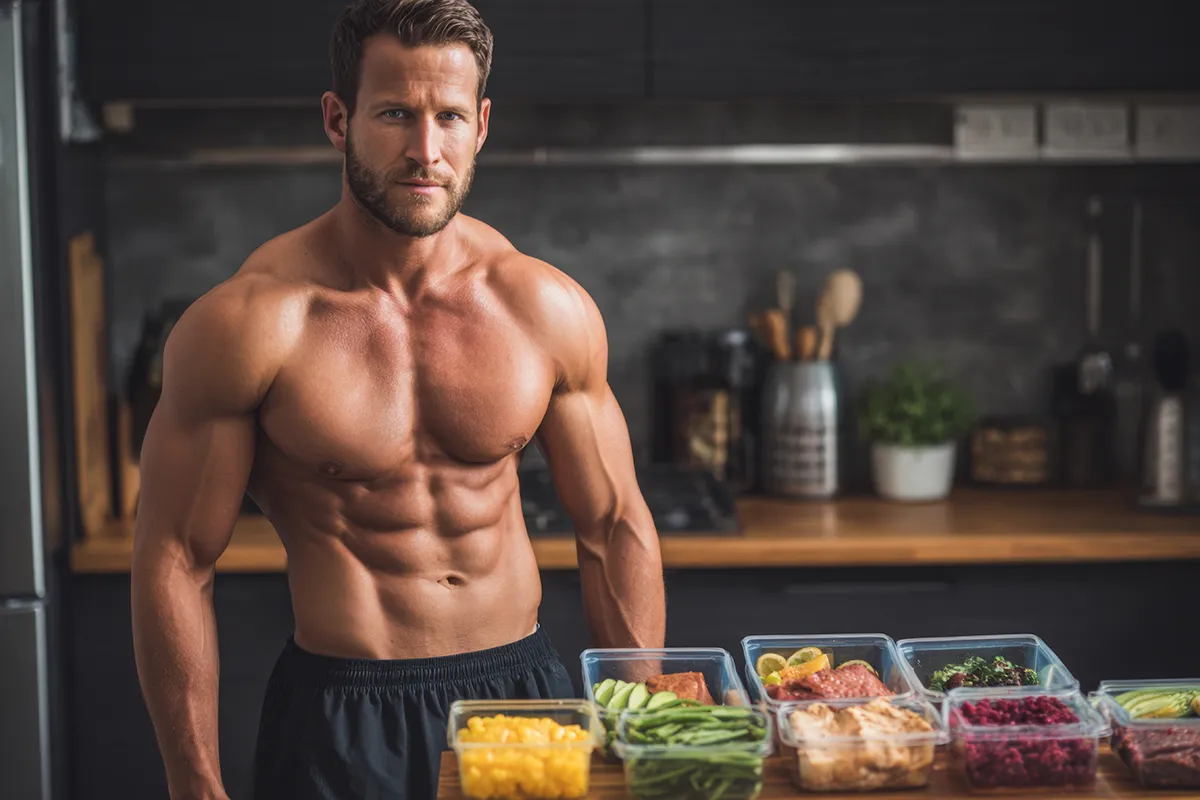
Building muscle on a vegan diet is not only possible but can be highly effective when you understand the fundamentals of plant-based nutrition and strength training. Many athletes and bodybuilders have proven that you don’t need animal products to develop significant muscle mass, strength, and athletic performance. This comprehensive guide will show you exactly how to optimize your vegan nutrition and training to achieve your muscle-building goals.
Understanding Protein Requirements for Muscle Growth
Protein is the cornerstone of muscle development, and meeting your daily protein needs is essential for building muscle on a vegan diet. Research shows that individuals engaged in resistance training require approximately 1.6 to 2.2 grams of protein per kilogram of body weight daily to maximize muscle protein synthesis.
For a 70-kilogram person, this translates to roughly 112 to 154 grams of protein per day. While this might seem challenging on a plant-based diet, numerous high-protein vegan foods make this goal entirely achievable without relying on animal products.
Complete vs. Incomplete Proteins
Plant proteins are often labeled as “incomplete” because they may lack one or more essential amino acids in optimal amounts. However, this doesn’t mean vegan diets can’t provide all essential amino acids. By consuming a variety of plant-based protein sources throughout the day, you naturally create complete amino acid profiles that support muscle growth.
Some plant foods like quinoa, buckwheat, soy products, and hemp seeds are actually complete proteins on their own, containing all nine essential amino acids in adequate proportions.
Best Vegan Protein Sources for Muscle Building
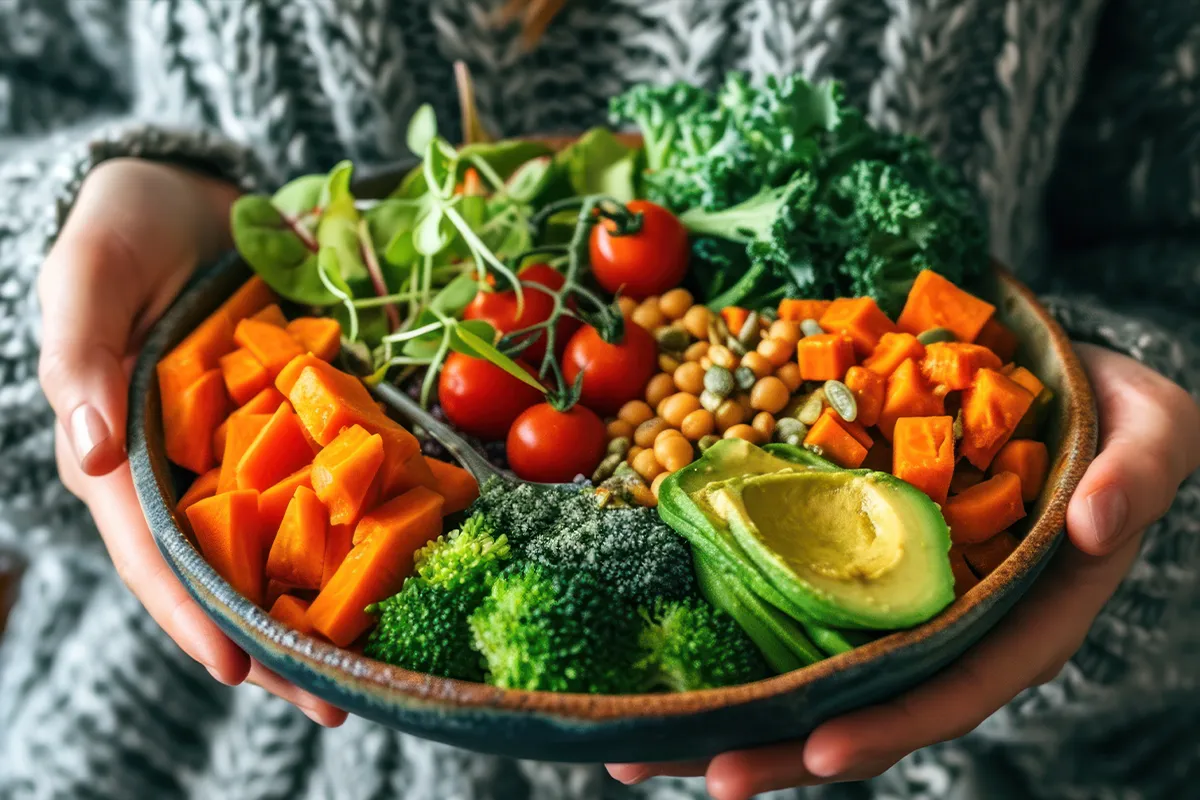
Incorporating diverse protein sources into your diet ensures you receive all the amino acids necessary for muscle repair and growth. Here are the most effective plant-based proteins for building muscle:
Legumes and Beans
Lentils, chickpeas, black beans, and kidney beans are excellent protein sources, providing 15-18 grams of protein per cooked cup. They’re also rich in fiber, iron, and complex carbohydrates that fuel your workouts and recovery.
Soy Products
Tofu, tempeh, and edamame are among the highest-quality plant proteins available. One cup of cooked tempeh delivers approximately 31 grams of protein, while firm tofu provides about 20 grams per cup. These soy-based foods contain all essential amino acids and are easily digestible.
Seitan
Made from wheat gluten, seitan is one of the most protein-dense plant foods, offering around 25 grams of protein per 3.5-ounce serving. Its meat-like texture makes it popular among athletes transitioning to plant-based diets.
Nuts and Seeds
Almonds, peanuts, chia seeds, hemp seeds, and pumpkin seeds provide protein along with healthy fats essential for hormone production. Hemp seeds contain about 10 grams of protein per 3 tablespoons and offer a complete amino acid profile.
Whole Grains
Quinoa, brown rice, oats, and whole wheat products contribute meaningful amounts of protein while providing the carbohydrates needed for energy during intense training sessions.
Essential Nutrients Beyond Protein
While protein receives the most attention, several other nutrients play critical roles in muscle development and overall health on a vegan diet.
Vitamin B12
Vitamin B12 is essential for energy metabolism and red blood cell formation. Since it’s not naturally present in plant foods, vegans must obtain B12 through fortified foods or supplements. A daily supplement providing 25-100 micrograms or a weekly dose of 2000 micrograms is recommended.
Iron
Iron supports oxygen transport to muscles during exercise. Plant-based iron (non-heme iron) is less readily absorbed than animal-based iron, so vegans should consume iron-rich foods like lentils, spinach, and quinoa alongside vitamin C sources to enhance absorption. Aim for 14-18 milligrams daily for men and 18-32 milligrams for menstruating women.
Omega-3 Fatty Acids
These anti-inflammatory fats support recovery and overall health. Flaxseeds, chia seeds, walnuts, and algae-based supplements provide ALA, EPA, and DHA omega-3s. Consider consuming 1-2 tablespoons of ground flaxseed daily or taking an algae-based omega-3 supplement.
Zinc
Zinc supports protein synthesis and immune function. Good vegan sources include legumes, nuts, seeds, and whole grains. Adult men need about 11 milligrams daily, while women require 8 milligrams.
Calcium and Vitamin D
These nutrients work together to support bone health, which is crucial when lifting heavy weights. Fortified plant milks, tofu made with calcium sulfate, leafy greens, and moderate sun exposure or supplements can meet your needs.
Optimizing Protein Timing and Distribution
How you distribute your protein intake throughout the day significantly impacts muscle protein synthesis. Research suggests that consuming 20-40 grams of protein every 3-4 hours maximizes muscle building compared to eating the same total amount in fewer, larger doses.
This approach keeps amino acid levels elevated throughout the day, providing your muscles with a constant supply of building blocks. Try to include a quality protein source at each meal and snack, especially within 1-2 hours after your workout when your muscles are most receptive to nutrients.
Sample High-Protein Vegan Meal Plan
Here’s a practical example of how to structure your daily eating to support muscle growth:
Breakfast
Oatmeal made with soy milk, topped with hemp seeds, almond butter, berries, and a scoop of vegan protein powder. This provides approximately 35 grams of protein and sets a strong nutritional foundation for your day.
Mid-Morning Snack
Hummus with vegetable sticks and whole grain crackers, offering about 10 grams of protein plus fiber and healthy fats to sustain energy levels.
Lunch
Quinoa bowl with black beans, roasted vegetables, avocado, and tahini dressing. This balanced meal delivers around 25 grams of protein along with complex carbohydrates and micronutrients.
Pre-Workout Snack
Banana with peanut butter provides quick energy and about 8 grams of protein to fuel your training session.
Post-Workout Meal
Tofu stir-fry with brown rice and mixed vegetables offers approximately 30 grams of protein plus carbohydrates to replenish glycogen stores and support recovery.
Dinner
Lentil curry with whole grain naan bread and a side salad provides another 25 grams of protein along with diverse micronutrients.
Evening Snack
Protein smoothie made with soy milk, frozen berries, spinach, and vegan protein powder contributes an additional 20-25 grams of protein before bed.
Effective Training Principles for Muscle Growth
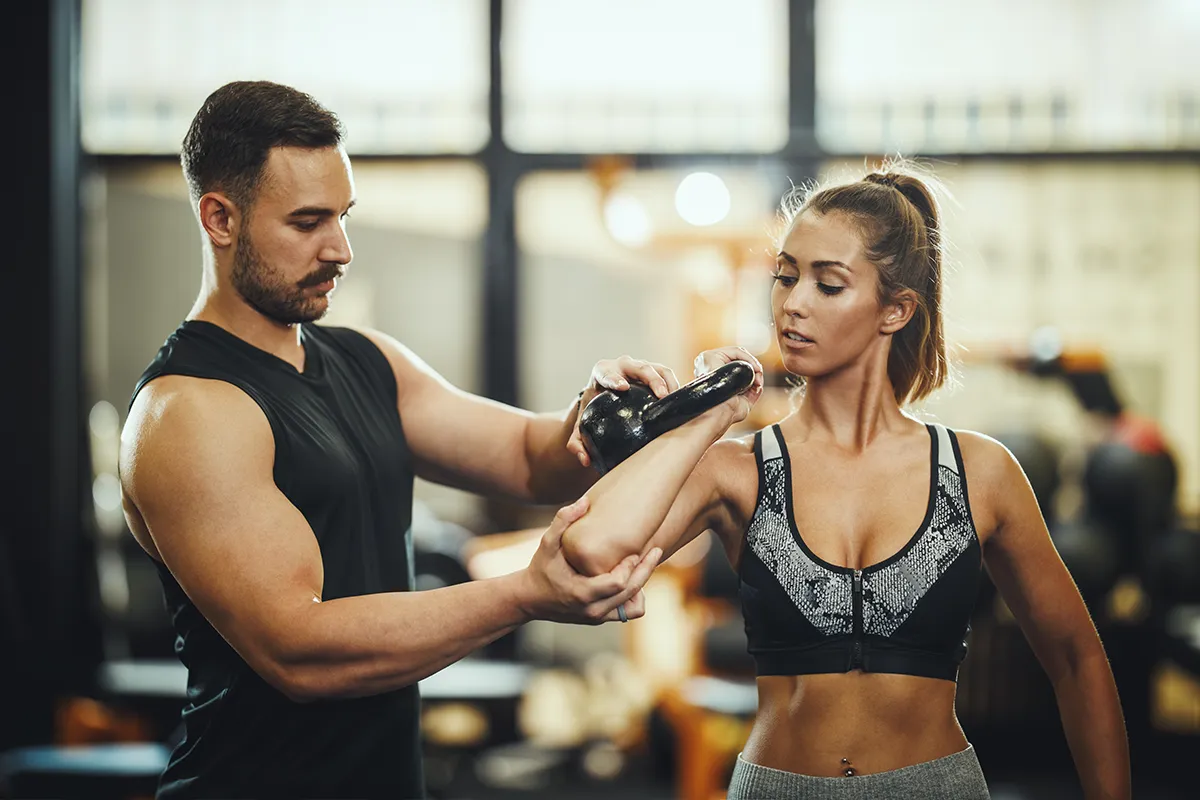
Nutrition alone won’t build muscle—you need a properly designed resistance training program to stimulate muscle growth. Exploring various exercises can help you develop a comprehensive training routine.
Progressive Overload
The fundamental principle of muscle building is progressive overload, which means gradually increasing the demands placed on your muscles over time. This can be achieved by increasing weight, repetitions, sets, or training frequency as you adapt to your current routine.
Training Volume and Frequency
Most research suggests that 10-20 sets per muscle group per week optimizes muscle growth. This volume can be distributed across 2-3 training sessions per muscle group weekly, allowing adequate recovery between sessions.
Compound Movements
Exercises like squats, deadlifts, bench presses, rows, and overhead presses should form the foundation of your program. These multi-joint movements recruit multiple muscle groups simultaneously, allowing you to lift heavier weights and stimulate greater muscle growth.
Rest and Recovery
Muscle growth occurs during recovery, not during training. Ensure you’re getting 7-9 hours of quality sleep nightly and allowing at least 48 hours between training the same muscle groups intensely.
Vegan Supplements Worth Considering
While whole foods should always be your primary nutrition source, certain supplements can help optimize your muscle-building efforts on a vegan diet.
Vegan Protein Powder
Pea protein, rice protein, or blended plant protein powders offer convenient ways to boost your protein intake. Look for products providing at least 20 grams of protein per serving with a complete amino acid profile.
Creatine Monohydrate
Creatine is one of the most researched and effective supplements for increasing strength and muscle mass. Since it’s primarily found in animal products, vegans typically have lower creatine stores and may see enhanced benefits from supplementation. A daily dose of 3-5 grams is recommended.
Beta-Alanine
This amino acid helps buffer acid in muscles during high-intensity exercise, potentially improving performance and muscle endurance. A daily dose of 2-5 grams may be beneficial.
Branched-Chain Amino Acids
While not essential if you’re consuming adequate protein, BCAAs may support recovery and reduce muscle soreness. However, whole food protein sources and complete protein powders typically provide sufficient BCAAs.
Common Mistakes to Avoid
Understanding potential pitfalls can help you achieve better results more quickly.
Insufficient Caloric Intake
Building muscle requires a caloric surplus—you need to consume more calories than you burn. Many people fail to eat enough when transitioning to a vegan diet because plant foods are often less calorie-dense than animal products. Track your intake initially to ensure you’re eating enough to support muscle growth.
Relying Too Heavily on Processed Foods
While vegan burgers, nuggets, and other convenience foods can fit into a muscle-building diet, they shouldn’t be your primary protein sources. Whole food sources provide superior micronutrient profiles and are generally more beneficial for overall health.
Neglecting Protein Variety
Eating the same protein sources every day can lead to amino acid imbalances and nutritional gaps. Rotate between legumes, soy products, grains, nuts, and seeds to ensure comprehensive nutrition.
Inadequate Meal Planning
Muscle building requires consistency, and inadequate planning often leads to missed meals or insufficient protein intake. Prepare meals in advance and keep high-protein snacks readily available.
Tracking Progress and Making Adjustments
Monitoring your progress helps you understand what’s working and what needs modification. Take these steps to track your muscle-building journey effectively:
Weigh yourself weekly under consistent conditions and take progress photos every 2-4 weeks from multiple angles. These visual records often reveal changes that daily mirror checks miss.
Track your strength levels by logging weights, sets, and repetitions for key exercises. Progressive strength gains typically correlate with muscle growth.
If you’re not gaining weight or strength after 3-4 weeks of consistent training and nutrition, increase your caloric intake by 200-300 calories daily. If you’re gaining weight too quickly (more than 0.5-1 pound per week), slightly reduce your intake to minimize fat gain.
Real-World Success Stories
Numerous professional athletes have demonstrated that building impressive muscle mass on a vegan diet is entirely achievable. Bodybuilders, powerlifters, and strength athletes competing at the highest levels maintain plant-based diets while achieving physiques that rival or exceed those of their omnivorous counterparts.
These athletes emphasize consistent protein intake, strategic meal timing, progressive training, and adequate recovery as the keys to their success. Their achievements prove that with proper planning and execution, a vegan diet supports exceptional muscle development.
Long-Term Sustainability and Lifestyle Integration
Building muscle on a vegan diet isn’t just about short-term gains—it’s about creating sustainable habits that support lifelong health and fitness. Focus on developing meal preparation routines that fit your schedule, finding plant-based foods you genuinely enjoy, and establishing training patterns you can maintain consistently.
Many people find that plant-based eating becomes easier and more enjoyable over time as they discover new foods, develop cooking skills, and experience the health benefits firsthand. The key is patience with yourself during the learning process and flexibility to adjust your approach based on your individual responses.
Frequently Asked Questions
Can you build as much muscle on a vegan diet as on a diet that includes animal products?
Yes, research shows that when protein intake and quality are matched, vegan diets support muscle growth equally well as omnivorous diets. The key is consuming adequate total protein from varied plant sources and meeting your caloric needs. Multiple studies comparing plant-based and animal-based protein supplementation have found no significant differences in muscle mass or strength gains when protein intake is equivalent.
How much protein do I really need per day to build muscle on a vegan diet?
For optimal muscle growth, aim for 1.6 to 2.2 grams of protein per kilogram of body weight daily. A person weighing 75 kilograms should consume approximately 120 to 165 grams of protein each day. This range has been consistently shown in research to maximize muscle protein synthesis when combined with resistance training.
Do I need to combine specific plant proteins at every meal?
No, you don’t need to combine complementary proteins at each meal. As long as you eat a variety of plant-based protein sources throughout the day, your body will obtain all essential amino acids in sufficient quantities. The outdated concept of “protein combining” has been disproven—your body maintains an amino acid pool that it can draw from as needed.
What are the best vegan protein sources for building muscle?
The most effective vegan protein sources include tofu, tempeh, seitan, lentils, chickpeas, black beans, quinoa, hemp seeds, pumpkin seeds, and nutritional yeast. Combining these foods throughout your day ensures you receive complete amino acid profiles along with other essential nutrients that support muscle growth and recovery.
Should I take supplements to build muscle on a vegan diet?
While whole foods should form the foundation of your nutrition, certain supplements can be beneficial. Vitamin B12 is essential since it’s not found in plant foods. Creatine monohydrate has strong evidence for improving strength and muscle mass. Vegan protein powders offer convenience for meeting protein targets. An algae-based omega-3 supplement may also support recovery and overall health.
How long does it take to see muscle growth on a vegan diet?
With consistent training and proper nutrition, most people notice increased strength within 2-4 weeks and visible muscle growth within 6-8 weeks. However, individual results vary based on training experience, genetics, adherence to your program, recovery quality, and starting point. Beginners typically see faster initial progress than experienced lifters.
Is it harder to build muscle on a vegan diet?
Building muscle on a vegan diet requires the same fundamental principles as any diet: adequate protein, sufficient calories, progressive resistance training, and proper recovery. While it may require slightly more planning to ensure you’re meeting protein and micronutrient needs, it’s not inherently more difficult. Many athletes find that plant-based diets actually improve their recovery and energy levels.
Can I lose fat and build muscle simultaneously on a vegan diet?
Body recomposition (losing fat while building muscle) is possible, especially for beginners or those returning to training after a break. This requires eating at a slight caloric deficit while maintaining high protein intake and following a progressive strength training program. However, most people achieve better results by focusing on one goal at a time – either muscle gain or fat loss.