
Our BMI Calculator is the most comprehensive free tool available online, designed to give you accurate body mass index results based on your weight, height, age, and gender. Unlike basic BMI calculators that only consider weight and height, our advanced calculator provides personalized health insights tailored to your specific demographic profile, helping you make informed decisions about your wellness journey.
What Is BMI and Why Does It Matter?

Body Mass Index (BMI) is a widely used screening tool that measures body fat based on your height and weight. Healthcare professionals use BMI as an initial assessment to identify potential health risks associated with being underweight, overweight, or obese. While BMI doesn’t directly measure body fat percentage, it provides a reliable indicator for most adults to understand their weight status.
The BMI formula was developed in the 1830s by Belgian mathematician Adolphe Quetelet and has since become a standard metric in medical practice worldwide. Understanding your BMI can help you identify whether you’re at increased risk for conditions such as heart disease, type 2 diabetes, high blood pressure, and certain cancers.
How Our Advanced BMI Calculator Works
Our BMI Calculator stands out from standard calculators because it considers multiple factors that influence healthy weight ranges. Here’s what makes our calculator superior:
Comprehensive Input Parameters
While traditional BMI calculators only ask for weight and height, our tool requests additional information including age and gender. This allows us to provide context-specific recommendations that account for physiological differences across demographics.
Dual Measurement Systems
Whether you’re familiar with metric measurements (kilograms and centimeters) or imperial units (pounds and inches), our calculator seamlessly handles both systems. Simply select your preferred measurement system and enter your data accordingly.
Age-Specific Considerations
BMI interpretation varies significantly across age groups. For children and teenagers under 18, BMI percentiles are more appropriate than standard adult classifications. Our calculator flags when pediatric BMI assessments are needed. Similarly, for adults over 65, slightly higher BMI values may be acceptable and even protective, which our calculator acknowledges in its results.
Gender-Based Insights
Men and women naturally have different body compositions, with women typically having higher body fat percentages at the same BMI. Our calculator provides gender-specific guidance, including notes for women of reproductive age about factors that can affect BMI readings such as pregnancy and menstrual cycles.
Understanding Your BMI Results
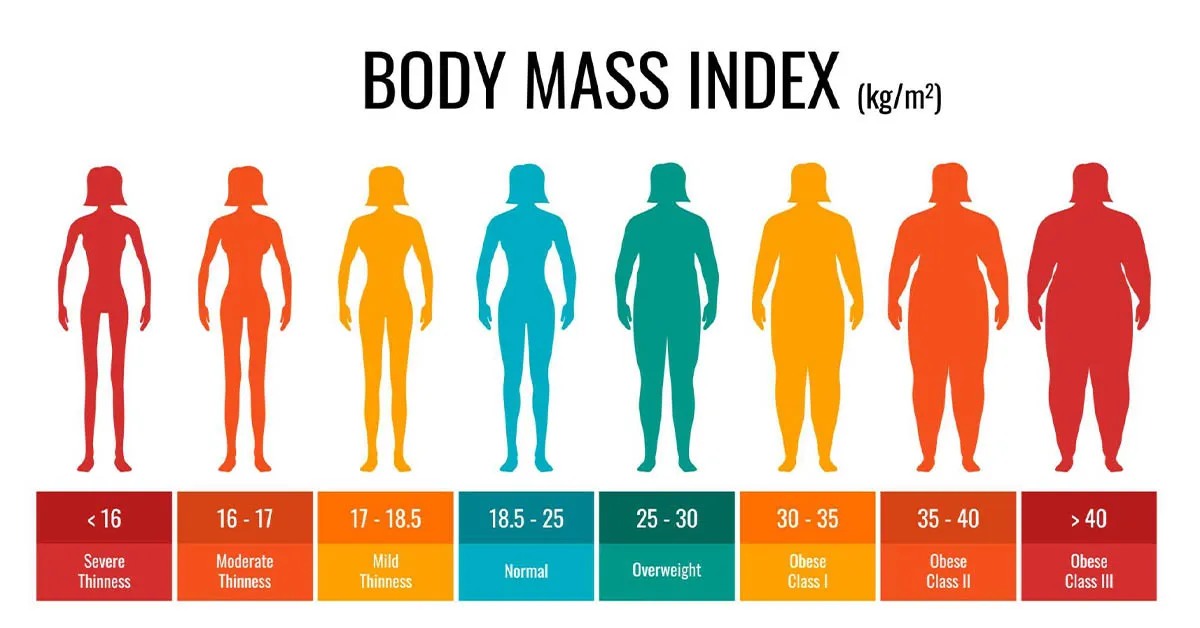
Once you calculate your BMI, you’ll receive a numerical score along with a classification category. Here’s how to interpret your results:
Underweight (BMI Below 18.5)
A BMI under 18.5 indicates that you may be underweight for your height. Being underweight can lead to nutritional deficiencies, weakened immune system, osteoporosis, and fertility issues. If you fall into this category, consult with a healthcare provider to develop a healthy weight gain plan that includes nutrient-dense foods and appropriate exercises to build muscle mass.
Normal Weight (BMI 18.5-24.9)
This is the healthy weight range associated with the lowest risk of weight-related health problems. Maintaining a BMI in this range through balanced nutrition and regular physical activity supports overall wellness and longevity. Continue your healthy habits and consider incorporating varied exercise routines to maintain cardiovascular fitness and muscle tone.
Overweight (BMI 25-29.9)
A BMI in the overweight range suggests you’re carrying excess weight that may increase health risks. While not immediately dangerous, this category serves as an early warning to make lifestyle modifications. Small, sustainable changes in diet and activity levels can help you move toward a healthier weight range and reduce future health complications.
Obesity Class I (BMI 30-34.9)
Obesity begins at a BMI of 30 and significantly increases the risk of chronic diseases including cardiovascular disease, type 2 diabetes, sleep apnea, and joint problems. Medical intervention may be appropriate at this stage. Work with healthcare professionals to develop a comprehensive weight management plan that addresses nutrition, physical activity, and behavioral factors.
Obesity Class II (BMI 35-39.9)
This level of obesity substantially elevates health risks and often requires medical supervision for weight management. Healthcare providers may recommend a combination of dietary changes, structured exercise programs, behavioral therapy, and in some cases, medication to support weight loss efforts.
Obesity Class III (BMI 40 and Above)
Also called severe or morbid obesity, this classification carries the highest health risks and often requires intensive medical intervention. Treatment options may include medically supervised weight loss programs, pharmacotherapy, and bariatric surgery for eligible candidates. Immediate consultation with healthcare professionals is essential for comprehensive evaluation and treatment planning.
Limitations of BMI as a Health Metric
While BMI is a useful screening tool, it’s important to understand its limitations. BMI doesn’t distinguish between muscle mass and fat mass, which means muscular individuals like athletes may be classified as overweight despite having low body fat percentages. Additionally, BMI doesn’t account for fat distribution—visceral fat around organs poses greater health risks than subcutaneous fat under the skin.
BMI also has limitations across different ethnic groups. Research shows that Asian populations may face increased health risks at lower BMI thresholds, while some studies suggest different optimal BMI ranges for Black individuals. Age-related muscle loss in older adults can result in normal BMI despite excess body fat, a condition called sarcopenic obesity.
For these reasons, BMI should be used alongside other assessments such as waist circumference, waist-to-hip ratio, body composition analysis, blood pressure, cholesterol levels, and blood sugar measurements to get a complete picture of your health status.
Taking Action Based on Your BMI Results

Your BMI result is just the starting point for improving your health. Here are evidence-based steps you can take based on your classification:
For Underweight Individuals
Focus on increasing caloric intake through nutrient-dense foods rather than empty calories. Include healthy fats from avocados, nuts, and olive oil, along with protein-rich foods like lean meats, fish, eggs, and legumes. Strength training exercises help build muscle mass rather than just adding fat. Consider working with a registered dietitian to develop a meal plan that supports healthy weight gain.
For Those in Normal Weight Range
Maintain your healthy weight through consistent habits. Eat a balanced diet rich in fruits, vegetables, whole grains, lean proteins, and healthy fats. Engage in at least 150 minutes of moderate aerobic activity or 75 minutes of vigorous activity weekly, plus muscle-strengthening exercises twice per week. Monitor your weight periodically and adjust habits if you notice trends in either direction.
For Overweight and Obese Categories
Create a modest caloric deficit through a combination of reduced intake and increased activity. Aim for gradual weight loss of 1-2 pounds per week, which is sustainable and reduces the likelihood of regaining weight. Focus on whole foods, portion control, and mindful eating practices. Incorporate both cardiovascular exercise for calorie burning and resistance training to preserve muscle mass during weight loss.
Beyond the Numbers: Holistic Health Assessment
While knowing your BMI is valuable, true health encompasses much more than a single number. Consider these additional factors when evaluating your overall wellness:
Physical Fitness Levels
Cardiovascular endurance, muscular strength, flexibility, and balance all contribute to functional fitness. Someone with a higher BMI who exercises regularly may be healthier than someone with a normal BMI who is sedentary. Focus on improving fitness markers like resting heart rate, blood pressure, and exercise capacity.
Body Composition
The ratio of muscle to fat matters more than total weight. Methods like DEXA scans, bioelectrical impedance, or skinfold measurements provide insights into body composition that BMI cannot capture. Higher muscle mass supports metabolic health and functional independence as you age.
Metabolic Health Markers
Blood tests measuring fasting glucose, hemoglobin A1C, cholesterol levels, and triglycerides offer direct insight into metabolic health. These markers can reveal metabolic dysfunction even in people with normal BMI, or metabolic health despite higher BMI—a phenomenon called metabolically healthy obesity.
Mental and Emotional Wellbeing
Psychological health significantly impacts physical health and weight management success. Stress, sleep quality, emotional eating patterns, and mental health conditions like depression or anxiety all influence body weight and should be addressed as part of comprehensive wellness care.
Special Considerations for Different Populations
Children and Adolescents
BMI calculations for individuals under 18 require age and sex-specific percentile charts rather than standard adult classifications. Pediatric BMI percentiles account for normal growth patterns and development. Parents should consult pediatricians for accurate interpretation of children’s BMI and guidance on supporting healthy growth.
Pregnant and Postpartum Women
Pregnancy dramatically affects weight and body composition, making standard BMI classifications inappropriate during this time. Pre-pregnancy BMI helps healthcare providers determine appropriate gestational weight gain ranges. Postpartum weight loss should be gradual, especially for breastfeeding mothers who require additional calories.
Older Adults
Age-related changes in body composition and the protective effect of moderate weight reserves in older age mean that slightly higher BMI values may be optimal for seniors. The “obesity paradox” suggests that older adults with BMI in the overweight range may have lower mortality risks than those in the normal weight range. Healthcare providers can help determine appropriate weight goals for older individuals.
Athletes and Highly Active Individuals
People engaged in regular strength training or sports often have higher muscle mass, which increases weight without increasing health risks. Athletes may have BMI in the overweight or even obese range while having low body fat percentages and excellent health markers. Body composition analysis provides more meaningful information for this population than BMI alone.
Creating Sustainable Lifestyle Changes
If your BMI results indicate a need for change, focus on sustainable modifications rather than extreme diets or exercise regimens. Research consistently shows that gradual lifestyle changes lead to better long-term outcomes than dramatic interventions.
Nutrition Strategies That Work
Rather than following restrictive diets, adopt an eating pattern you can maintain indefinitely. Emphasize whole foods including vegetables, fruits, whole grains, lean proteins, and healthy fats. Practice portion awareness without obsessive calorie counting. Plan meals ahead to avoid impulsive food choices. Allow flexibility for social occasions and favorite foods in moderation.
Building an Active Lifestyle
Find physical activities you genuinely enjoy so exercise feels less like a chore. Mix cardiovascular activities like walking, swimming, or cycling with strength training to preserve muscle mass. Start with manageable goals and gradually increase duration and intensity. Incorporate movement throughout your day through active transportation, taking stairs, and movement breaks during sedentary work.
Behavioral and Psychological Support
Address emotional eating patterns, stress management, and sleep quality—all factors that influence weight. Consider working with a therapist specializing in eating behaviors if emotional factors significantly affect your relationship with food. Build a support system of friends, family, or support groups who encourage your health goals.
When to Seek Professional Help
While our BMI Calculator provides valuable insights, certain situations warrant consultation with healthcare professionals. Schedule an appointment if you’re significantly outside the healthy BMI range, have been unable to achieve weight goals through lifestyle changes alone, experience symptoms like fatigue, joint pain, or breathing difficulties related to weight, have a family history of weight-related conditions, or are considering significant dietary or exercise changes.
Healthcare providers can order appropriate tests, rule out medical conditions affecting weight, prescribe medications if appropriate, refer you to specialists like registered dietitians or exercise physiologists, and monitor your progress with personalized guidance.
The Science Behind Healthy Weight Management
Successful weight management requires understanding basic principles of energy balance, metabolism, and behavior change. Your body weight reflects the balance between calories consumed through food and drink and calories expended through basal metabolic rate, physical activity, and the thermic effect of food.
Metabolism and Weight
Basal metabolic rate accounts for the majority of daily calorie expenditure, representing the energy your body uses for basic functions at rest. Factors affecting metabolism include age, sex, body composition, genetics, and thyroid function. While you cannot dramatically “boost” metabolism, building muscle through resistance training increases caloric expenditure both during activity and at rest.
Hormonal Influences
Hormones like insulin, cortisol, leptin, and ghrelin regulate appetite, fat storage, and energy use. Sleep deprivation, chronic stress, and certain medical conditions can disrupt hormonal balance and make weight management more challenging. Addressing these underlying factors is often necessary for sustainable weight changes.
Set Point Theory
Your body tends to defend a certain weight range through metabolic adaptations. This is why many people experience weight loss plateaus or regain weight after dieting. Gradual changes, patience, and focus on overall health rather than a specific number on the scale lead to better long-term outcomes.
Frequently Asked Questions
What is a BMI calculator and how accurate is it?
A BMI calculator is a tool that estimates body fat based on your height and weight using a mathematical formula. While BMI is widely used in medical practice and provides a reasonable screening tool for most adults, it has limitations. It doesn’t distinguish between muscle and fat mass, doesn’t account for fat distribution, and may not be equally accurate across all ethnic groups. BMI should be used alongside other health assessments for a complete picture of your health status.
How often should I check my BMI?
For most adults maintaining stable weight, checking BMI every few months is sufficient. If you’re actively working on weight loss or gain, monthly measurements can help track progress without becoming obsessive. Daily or weekly weighing often reflects water fluctuations rather than true body composition changes. Focus on long-term trends rather than day-to-day variations, and remember that other health markers like how your clothes fit, energy levels, and fitness improvements are equally important indicators of progress.
Can BMI be misleading for muscular individuals?
Yes, BMI frequently misclassifies athletes and people with high muscle mass as overweight or obese despite having healthy body fat percentages. Muscle tissue is denser than fat, so muscular individuals weigh more at the same body dimensions. If you engage in regular strength training or have an athletic build, body composition analysis, waist circumference, or waist-to-hip ratio provide more accurate health assessments than BMI alone.
What BMI is considered healthy for my age?
For adults aged 18-65, a healthy BMI typically falls between 18.5 and 24.9. However, optimal BMI ranges may vary slightly with age. Some research suggests that for older adults over 65, a BMI between 25 and 27 may be protective and associated with lower mortality. For individuals under 18, BMI must be interpreted using age and sex-specific growth charts rather than adult standards. Always consult healthcare providers for personalized recommendations based on your complete health profile.
Does gender affect BMI calculations?
The BMI calculation formula itself doesn’t change based on gender—it uses the same mathematical equation for everyone. However, BMI interpretation should consider gender differences in body composition. Women naturally have higher body fat percentages than men at the same BMI due to biological differences related to reproductive function. Additionally, hormonal changes throughout women’s reproductive years, including menstrual cycles, pregnancy, and menopause, can affect weight and body composition in ways that BMI alone doesn’t capture.
What should I do if my BMI indicates I’m overweight?
If your BMI falls in the overweight range, first schedule a comprehensive health evaluation with your healthcare provider to assess other risk factors like blood pressure, cholesterol, and blood sugar. Focus on creating a modest caloric deficit through balanced nutrition and increased physical activity rather than extreme diets. Aim for gradual weight loss of 1-2 pounds per week through sustainable lifestyle changes. Even modest weight loss of 5-10% of body weight can significantly improve health markers. Consider working with registered dietitians or certified fitness professionals for personalized guidance.
Can I trust online BMI calculators?
Most online BMI calculators, including ours, use the standard BMI formula and provide accurate numerical results when you input correct measurements. The key differences between calculators lie in the additional features and context they provide. Our advanced BMI calculator stands out by incorporating age and gender considerations, offering personalized health insights, and providing evidence-based recommendations. However, any BMI calculator should be viewed as a screening tool rather than a definitive health diagnosis, and results should be discussed with healthcare professionals for proper interpretation.
Why does BMI not account for muscle mass?
BMI was developed as a population-level screening tool for epidemiological studies, not as a precise measure of individual body composition. The formula requires only height and weight measurements, which are easy to obtain in large-scale studies and clinical settings. More accurate body composition methods like DEXA scans, hydrostatic weighing, or bioelectrical impedance exist but require specialized equipment and are impractical for routine screening. Despite its limitations, BMI remains useful because it’s simple, inexpensive, and correlates with health risks at a population level.
Is there a different BMI calculation for children?
Children and adolescents use the same BMI calculation formula as adults, but the interpretation is completely different. Instead of fixed categories, pediatric BMI is plotted on growth charts that show BMI-for-age percentiles specific to sex. A child’s BMI percentile indicates how their BMI compares to other children of the same age and sex. For example, a BMI at the 85th percentile means the child’s BMI is higher than 85% of children their age. Healthcare providers use these percentiles to identify children who may be underweight, healthy weight, overweight, or obese while accounting for normal growth and development patterns.
Can stress and sleep affect my BMI?
While stress and sleep don’t directly change the BMI calculation, they significantly influence weight and body composition, which in turn affect your BMI. Chronic stress elevates cortisol levels, which promotes fat storage, particularly around the abdomen, and increases appetite for high-calorie comfort foods. Poor sleep disrupts hormones that regulate hunger and fullness, specifically increasing ghrelin (hunger hormone) and decreasing leptin (satiety hormone), leading to increased calorie consumption. Adults who consistently sleep fewer than seven hours per night have higher rates of obesity. Managing stress through relaxation techniques and prioritizing quality sleep are essential components of healthy weight management.