
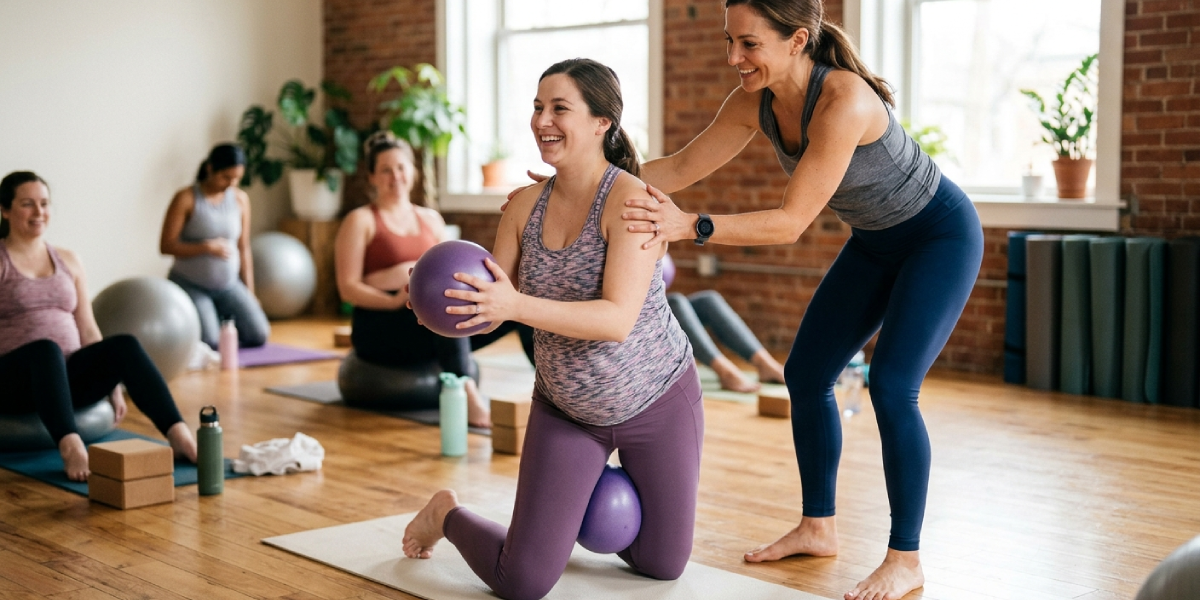
Staying active during pregnancy is one of the most powerful things you can do for both your body and your growing baby. Far from being a reason to rest entirely, pregnancy is a time when thoughtful, consistent movement can ease discomfort, improve mood, support healthy weight gain, and prepare your body for labour.
This guide covers everything you need to know to stay active during pregnancy safely and confidently, from trimester-by-trimester advice to the best low-impact exercises and the warning signs you should never ignore.
Why Exercise During Pregnancy Matters More Than You Think
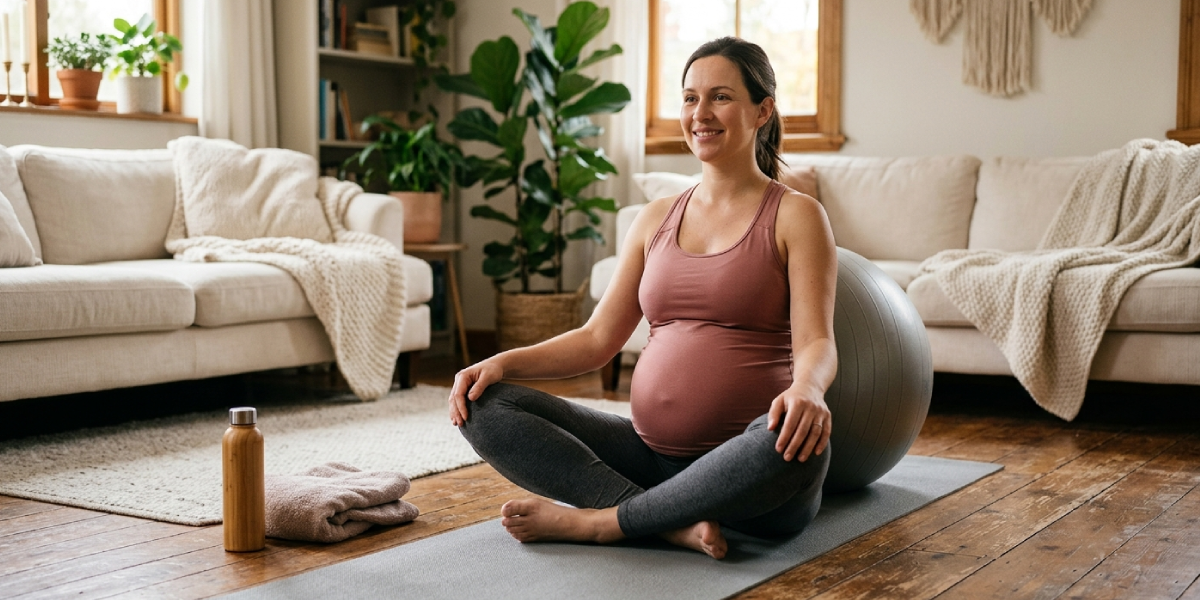
Decades of research and clinical guidance from leading health organisations confirm that regular physical activity during an uncomplicated pregnancy benefits both the mother and the baby. The American College of Obstetricians and Gynecologists recommends that pregnant women with no contraindications aim for at least 150 minutes of moderate-intensity aerobic activity per week.
This is consistent with general adult physical activity guidelines, meaning pregnancy does not require you to stop moving — it requires you to move smartly.
Regular exercise during pregnancy has been linked to a reduced risk of gestational diabetes, preeclampsia, and excessive gestational weight gain. It also helps manage lower back pain, one of the most common complaints during pregnancy, and supports better sleep quality.
Perhaps most importantly, women who remain active throughout pregnancy often report shorter active labour times and faster postpartum recovery.
Beyond the physical, there is a significant mental health dimension. Pregnancy can bring anxiety, mood swings, and emotional fatigue. Exercise triggers the release of endorphins and serotonin, which are natural mood elevators that help combat prenatal depression and stress.
For a comprehensive look at how movement affects wellbeing, the health resources at Diet Health Exercises provide excellent supporting context for understanding the body-mind connection during pregnancy.
First Trimester: Building the Foundation
The first trimester (weeks one through twelve) is often the most unpredictable. Nausea, fatigue, and hormonal surges can make even gentle activity feel like a challenge. Despite this, most women who were active before pregnancy can continue their routines with minor modifications, and those who were not active can safely begin a low-intensity programme.
During the first trimester, the primary goal is consistency rather than intensity. Walking, swimming, prenatal yoga, and light strength training are all suitable. Your body is undergoing rapid hormonal changes, including a surge in the hormone relaxin, which loosens ligaments and joints to accommodate the growing uterus. This makes overstretching a real risk, so avoid positions that push joints to their end range of motion.
Keep hydration a priority. Your plasma volume increases significantly in the first trimester, and exercise accelerates fluid loss. Drink water before, during, and after any workout session. If morning sickness makes early exercise difficult, try shifting your activity to the time of day when nausea is at its lowest — for many women, this is late morning or early afternoon.
Second Trimester: Your Active Sweet Spot
Weeks thirteen through twenty-six are often called the golden trimester, and for good reason. Nausea typically subsides, energy returns, and the baby bump is visible but not yet large enough to severely restrict movement. Many women find this the easiest and most enjoyable period to stay active during pregnancy.
This is an excellent time to establish a structured routine. Aim for four to five days of activity per week, combining cardiovascular exercise with strength and flexibility work. Good options at this stage include brisk walking, stationary cycling, water aerobics, prenatal Pilates, and low-impact aerobic classes specifically designed for pregnancy.
By around sixteen to eighteen weeks, it is advisable to avoid exercises that require lying flat on your back for extended periods. The weight of the growing uterus can compress the vena cava — the large vein that returns blood to the heart — reducing circulation and causing dizziness. Most floor exercises can be modified to a seated, side-lying, or inclined position instead.
Safe Strength Training in the Second Trimester
Strength training is highly beneficial during pregnancy when performed correctly. Focus on functional movements that build the muscles you will rely on most: glutes, core, and upper back. Squats, modified deadlifts, seated rows, and resistance band exercises are all effective.
Keep weights moderate and prioritise control over load. If you are new to resistance training, exploring a structured set of safe pregnancy-adapted exercises is a strong starting point before working with a prenatal fitness specialist.
Avoid exercises that place direct pressure on the abdomen, any movement with a significant Valsalva manoeuvre (breath holding under strain), and high-contact sports. Core training should shift away from traditional crunches and sit-ups toward exercises like dead bugs, bird dogs, and pallof press variations that support the deep core without straining the rectus abdominis.
Third Trimester: Staying Comfortable and Consistent
The final trimester (weeks twenty-seven through forty) brings new physical demands. The centre of gravity shifts forward, balance becomes harder to maintain, and the sheer size of the bump can make many positions uncomfortable. Despite these challenges, maintaining activity right up to labour — with your healthcare provider’s approval — is associated with better birth outcomes and faster recovery.
At this stage, lower-impact activities take precedence. Swimming and water-based exercise are particularly well-suited to late pregnancy because the buoyancy of water offloads weight from the joints while still providing cardiovascular and muscular benefit.
Many women also find prenatal yoga helpful in this trimester, particularly for its focus on breathing techniques, hip opening, and stress management.
Walking remains one of the safest and most accessible forms of activity throughout all three trimesters. Even a twenty to thirty minute walk per day contributes meaningfully to the 150-minute weekly target. Wear supportive footwear, walk on even surfaces to reduce fall risk, and avoid walking outdoors during the hottest part of the day.
Exercises to Avoid During Pregnancy
Not all exercise is appropriate during pregnancy. Knowing what to avoid is just as important as knowing what to embrace. The following activities carry elevated risk and should generally be avoided unless specifically cleared by your obstetrician or midwife.
- Contact sports such as football, basketball, hockey, and martial arts carry a risk of abdominal trauma, which can be dangerous for the placenta and the baby.
- High-altitude activities above 2,500 metres, including certain hiking routes, can reduce oxygen availability, which is particularly concerning during pregnancy.
- Scuba diving poses a risk of decompression sickness to the developing baby, whose circulation cannot process nitrogen bubbles efficiently.
- Hot yoga and hot Pilates environments where core body temperature can spike above 39 degrees Celsius present a risk of neural tube defects and heat-related complications.
- Exercises with a high fall risk, including downhill skiing, gymnastics, horse riding, and off-road cycling, should be avoided due to the potential for abdominal impact.
- Heavy overhead lifting or any exercise that places significant intra-abdominal pressure without proper breath support and core engagement.
Listening to Your Body: Warning Signs to Stop Immediately
One of the most important aspects of staying active during pregnancy is learning to distinguish normal exercise discomfort from warning signs that require immediate medical attention. If you experience any of the following during or after exercise, stop activity and contact your healthcare provider or go to your nearest emergency department.
- Vaginal bleeding or fluid leakage
- Chest pain or difficulty breathing that goes beyond normal exertion
- Severe headache or visual disturbances
- Calf pain or swelling, particularly if it is one-sided
- Dizziness or feeling faint
- Decreased fetal movement following exercise
- Regular, painful uterine contractions
These symptoms may indicate conditions such as preeclampsia, preterm labour, deep vein thrombosis, or placental abruption — all of which require prompt medical evaluation. Always err on the side of caution.
A Sample Weekly Activity Plan During Pregnancy
| Day | Recommended Activity | Duration |
|---|---|---|
| Monday | Brisk walking or stationary cycling | 30 minutes |
| Tuesday | Prenatal strength training (lower body focus) | 30–40 minutes |
| Wednesday | Swimming or water aerobics | 30 minutes |
| Thursday | Prenatal yoga or gentle stretching | 30–45 minutes |
| Friday | Prenatal strength training (upper body and core) | 30–40 minutes |
| Saturday | Leisure walk, light hiking, or active rest | 20–30 minutes |
| Sunday | Rest or gentle stretching | As needed |
Nutrition, Weight Gain, and Staying Active During Pregnancy
Exercise and nutrition work hand in hand during pregnancy. Caloric needs increase modestly — approximately 300 to 350 additional calories per day in the second trimester and 450 to 500 extra calories per day in the third. If you are exercising regularly, you may need slightly more, especially on high-activity days.
Focus on nutrient-dense whole foods: lean proteins to support muscle repair and fetal growth, complex carbohydrates for sustained energy during workouts, healthy fats for brain development, and a wide variety of fruits and vegetables for micronutrients and fibre. Iron and calcium needs are significantly elevated during pregnancy, so speak to your healthcare provider about whether supplementation is appropriate for you.
Monitoring your weight throughout pregnancy can help ensure that gain is within the range recommended for your pre-pregnancy body mass index. If you are uncertain about your starting point, using a reliable BMI calculator can help provide a useful baseline to discuss with your care team.
Working With Healthcare Professionals
Before starting or modifying any exercise programme during pregnancy, always consult your obstetrician, midwife, or GP. This is especially important if you have any of the following conditions, which may require modified or restricted activity: placenta praevia, cervical incompetence, preeclampsia, multiple pregnancy, significant cardiac or respiratory disease, or a history of preterm labour.
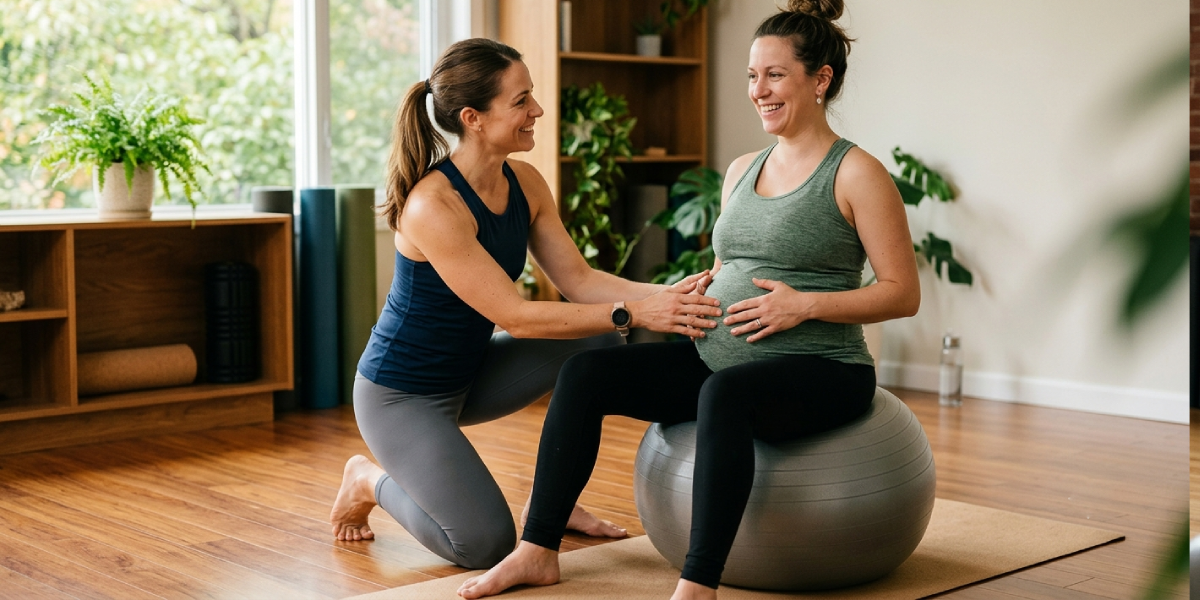
A qualified prenatal fitness instructor can also be an invaluable resource. They are trained to design programmes that progress appropriately across each trimester, modify exercises as the body changes, and coach technique in a way that protects both mother and baby.
Look for instructors with recognised prenatal fitness certifications and, where possible, those who work in collaboration with healthcare providers.
Frequently Asked Questions
Is it safe to exercise during the first trimester?
Yes, for most women with uncomplicated pregnancies, it is safe to exercise during the first trimester. Women who were active before pregnancy can generally continue their routines at a reduced or maintained intensity. Those new to exercise should begin with low-impact activities such as walking or prenatal yoga and build gradually. Always consult your healthcare provider before starting any new exercise programme during pregnancy.
How many days a week should I exercise while pregnant?
Most guidelines recommend aiming for at least 150 minutes of moderate-intensity exercise spread across the week, which equates to roughly four to five sessions of 30 to 40 minutes each. Rest days are important for recovery, and gentle activity such as stretching or short walks on lighter days still contributes positively to overall wellbeing.
Can I lift weights when pregnant?
Yes, strength training is considered safe during pregnancy when performed with appropriate modifications. Use moderate weights, maintain controlled breathing, avoid exercises that compress the abdomen, and steer clear of heavy overhead pressing in late pregnancy. Shift away from traditional sit-ups and crunches in favour of deep core exercises that do not strain the abdominal wall. Working with a qualified prenatal trainer is strongly advisable if you are new to resistance training.
What is the safest exercise to do during pregnancy?
Walking, swimming, stationary cycling, and prenatal yoga are widely regarded as the safest forms of exercise during pregnancy. They are low-impact, adaptable across all three trimesters, and carry a low risk of injury or falls. Swimming in particular is excellent in the third trimester as it reduces joint stress while still providing full-body conditioning.
Can exercise cause a miscarriage?
No, there is no evidence that moderate exercise in an otherwise healthy pregnancy causes miscarriage. Miscarriage in the first trimester is most often caused by chromosomal abnormalities unrelated to physical activity. However, if you have a history of miscarriage or are experiencing complications, speak with your healthcare provider before exercising, as individual circumstances may warrant specific precautions.
Should I change my exercise routine as my pregnancy progresses?
Yes, adapting your routine across each trimester is important. In the first trimester, focus on consistency at a comfortable intensity. In the second trimester, many women can train more robustly, but should begin avoiding exercises on their back. In the third trimester, shifting to lower-impact activities, reducing session intensity, and prioritising balance and pelvic floor work are all recommended. Listen to your body and adjust based on how you feel each day.
Is it safe to run during pregnancy?
Running can be continued during pregnancy by women who ran regularly before conceiving, particularly in the first and early second trimester. As the pregnancy progresses, the impact on the pelvic floor and joints increases, and many women find it more comfortable to transition to brisk walking, swimming, or low-impact cardio. If you experience pelvic pressure, leaking, or pain while running, stop and speak with your healthcare provider or a pelvic health physiotherapist.
What should I eat before and after exercising during pregnancy?
Before exercise, eat a light snack containing both carbohydrates and protein about 30 to 60 minutes beforehand to maintain energy levels — for example, a banana with nut butter or a small bowl of oats. After exercise, prioritise protein for muscle repair and carbohydrates to replenish glycogen stores. Staying well hydrated before, during, and after exercise is essential, as dehydration can trigger Braxton Hicks contractions in later pregnancy.
Can I do yoga or Pilates while pregnant?
Yes, both yoga and Pilates can be excellent forms of exercise during pregnancy, provided they are specifically adapted for prenatal use. Prenatal yoga emphasises breathing, relaxation, and hip mobility that supports birth preparation. Prenatal Pilates focuses on deep core stability and pelvic floor function. Avoid hot yoga and any class that is not specifically designed for or adapted to pregnancy, as standard adult yoga classes may include positions that are contraindicated.
How do I know if I am exercising too hard during pregnancy?
A useful guide is the talk test: you should be able to hold a basic conversation without gasping during moderate-intensity exercise. If you are too breathless to speak, slow down. You can also use perceived exertion scales, aiming for a rating of around five to seven out of ten — working hard but not at your absolute limit. Avoid training to exhaustion, and stop immediately if you experience any of the warning signs discussed in this article, including chest pain, dizziness, vaginal bleeding, or sudden severe shortness of breath.