

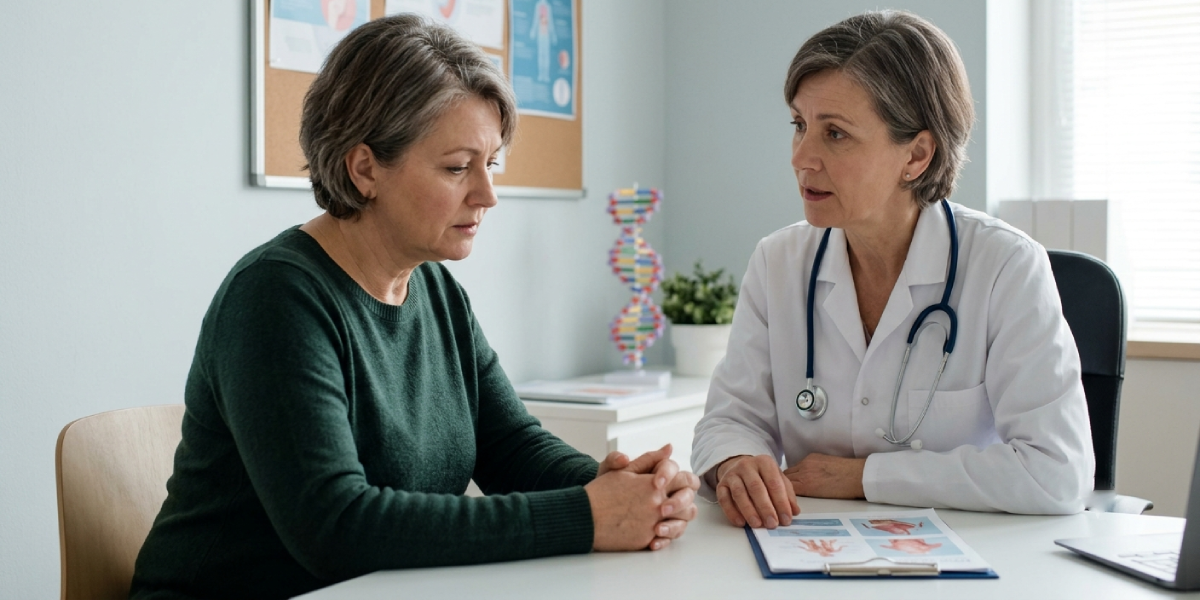
Learning how to prevent cancer starts with understanding that most cases are not random bad luck. According to the American Cancer Society, nearly 44 percent of cancer deaths in the United States this year are linked to modifiable risk factors, which means everyday choices genuinely move the needle.
I have spent years researching health and wellness habits, and the pattern is consistent: small, sustained changes in diet, movement, sleep, and screening compliance outperform any single “miracle” intervention.
This guide breaks down what actually works, based on guidance from the American Cancer Society, the World Health Organization, and current peer-reviewed research, without the fear-based exaggeration that floods so much health content online.
Understanding Cancer Risk Before You Can Reduce It
Cancer develops when cells accumulate genetic damage that allows them to grow uncontrollably. Some of that damage is inherited or simply the result of aging, but a large share comes from exposures and habits we can influence: tobacco smoke, excess body fat, alcohol, certain infections, ultraviolet radiation, and physical inactivity.
Recognizing which risk factors are controllable is the first real step in how to prevent cancer effectively, rather than chasing trends that have no scientific backing.
It helps to think of cancer prevention in three practical buckets: avoiding known carcinogens, supporting your body’s natural defenses through lifestyle, and catching problems early through screening. None of these buckets work in isolation, and trustworthy prevention plans address all three.
Quit Tobacco and Limit Alcohol
If there is one universally agreed-upon answer to how to prevent cancer, it is this: do not smoke, and if you do, quit. Tobacco use remains the single largest preventable cause of cancer worldwide, contributing to cancers of the lung, mouth, throat, bladder, pancreas, and more.
Secondhand smoke exposure also carries measurable risk, so reducing household and workplace exposure matters too. Alcohol is a less talked about but equally important factor. Even moderate drinking is associated with increased risk of breast, liver, esophageal, and colorectal cancers.
There is no fully “safe” threshold from a cancer-risk standpoint, so the practical advice is to drink less than you currently do, or not at all, rather than aiming for some perceived safe limit.
Maintain a Healthy Weight and Stay Physically Active

Excess body fat, particularly around the abdomen, is linked to at least thirteen types of cancer, including colorectal, breast (postmenopausal), endometrial, kidney, and pancreatic cancer. Fat tissue produces hormones and inflammatory signals that can promote tumor growth over time, which is why weight management is a cornerstone of prevention rather than just an aesthetic goal.
A simple starting point is knowing where you currently stand. You can check your BMI calculator result to get a general sense of whether your weight falls in a range associated with elevated risk, then use that as a baseline for tracking progress rather than a strict verdict on your health.
Physical activity independently lowers cancer risk, separate from its effect on weight. The American Cancer Society recommends at least 150 to 300 minutes of moderate-intensity activity per week, or 75 to 150 minutes of vigorous activity, along with strength training at least two days a week.
If structured workouts feel intimidating, browsing a variety of exercises can help you find something sustainable, whether that is brisk walking, cycling, swimming, or resistance training at home.
Practical Ways to Add Movement Without a Gym Membership
- Take phone calls while walking instead of sitting
- Use stairs instead of elevators when possible
- Park farther from entrances to add extra steps
- Schedule two 15-minute walking breaks during the workday
- Do bodyweight strength exercises during television commercial breaks
Eat a Diet That Supports Cellular Health
No single food prevents cancer, despite what supplement marketing often implies. What the evidence does support is a consistent dietary pattern: plenty of vegetables, fruits, whole grains, and legumes, paired with limited red and processed meat, refined sugar, and ultra-processed foods.
Processed meats in particular are classified as carcinogenic to humans by the International Agency for Research on Cancer, primarily due to their link with colorectal cancer.
Fiber deserves special mention. Diets rich in fiber support a healthy gut microbiome and digestive transit time, both of which appear to reduce colorectal cancer risk. Aim for whole food sources like beans, oats, berries, and vegetables rather than relying on fiber supplements alone.
| Dietary Pattern | Effect on Cancer Risk |
|---|---|
| High intake of fruits and vegetables | Associated with lower risk of several cancers |
| Regular consumption of processed meat | Linked to higher colorectal cancer risk |
| High intake of sugary beverages | Linked to obesity-related cancer risk |
| Diets rich in whole grains and fiber | Associated with lower colorectal cancer risk |
For more general guidance on nutrition and how it intersects with disease prevention, the health section covers practical, evidence-based approaches you can apply gradually rather than all at once.
Protect Your Skin From UV Exposure
Skin cancer, including melanoma, is among the most preventable cancers, yet sun protection is frequently neglected. Daily use of broad-spectrum sunscreen with at least SPF 30, protective clothing, and shade during peak UV hours between 10 a.m. and 4 p.m. meaningfully reduces risk.
Tanning beds offer no safe alternative; they are classified as a known carcinogen and should be avoided entirely.
Get Vaccinated Against Cancer-Causing Infections
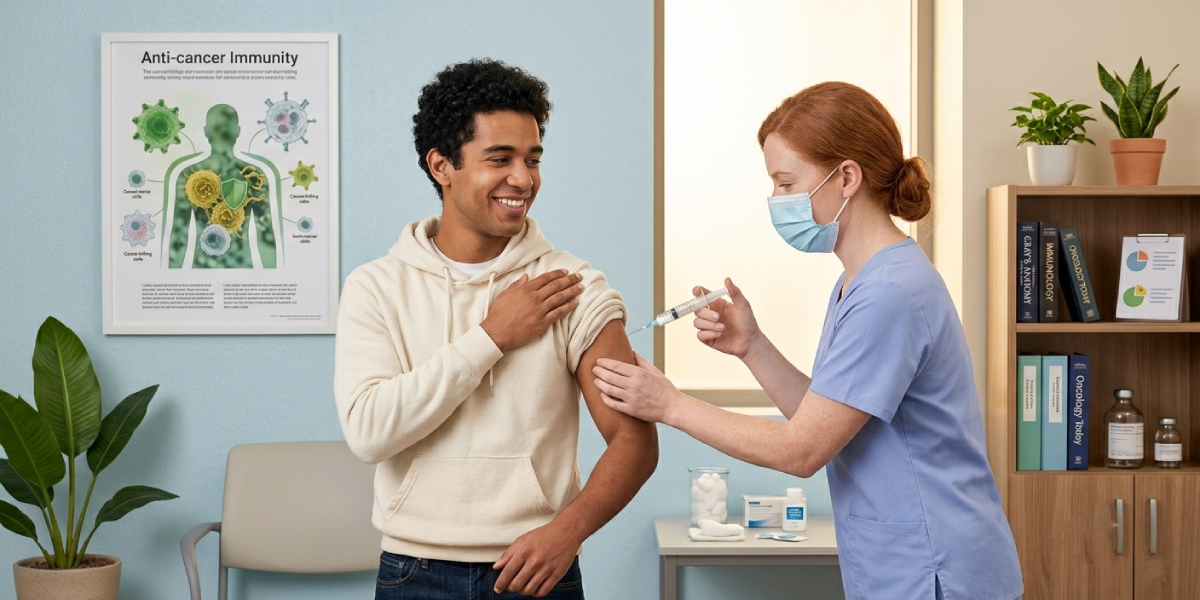
Certain infections are directly linked to cancer development. The human papillomavirus (HPV) vaccine prevents infections responsible for most cervical cancers and a significant share of throat, anal, and other cancers. The hepatitis B vaccine reduces liver cancer risk by preventing chronic infection.
These vaccines work best when given before exposure, which is why the American Cancer Society recommends HPV vaccination starting around ages 9 to 12, though catch-up vaccination is available and beneficial into adulthood.
Follow Recommended Cancer Screening Guidelines
Prevention and early detection work together. Screening does not stop cancer from forming, but it catches it, or precancerous changes, early enough that treatment is far more effective. The American Cancer Society’s 2026 guidelines reflect updated colorectal cancer screening options that go beyond colonoscopy alone.
Current Screening Recommendations to Discuss With Your Doctor
- Colorectal cancer: average-risk adults should begin screening at age 45, using either colonoscopy, a stool-based test, or a newer blood-based test discussed with a physician
- Breast cancer: women ages 40 to 44 may choose to start annual mammograms, with annual screening recommended from 45 to 54
- Cervical cancer: regular Pap and/or HPV testing starting at age 21, per current guidance
- Lung cancer: annual low-dose CT scans for adults aged 50 to 80 with a significant smoking history
Screening intervals and starting ages vary based on personal and family history, so these are general guidelines rather than individual prescriptions. A conversation with a healthcare provider about your specific risk profile is essential.
Manage Chronic Stress and Prioritize Sleep
The relationship between stress and cancer is more nuanced than headlines suggest; stress itself does not directly cause cancer in a simple cause-and-effect way. However, chronic stress and poor sleep are associated with behaviors that do raise risk, such as smoking, overeating, alcohol use, and reduced physical activity.
Treating stress management and sleep quality as part of cancer prevention, rather than separate wellness goals, creates a more sustainable overall approach.
Building a Realistic Prevention Routine
The people I have seen succeed at long-term cancer risk reduction are not the ones who overhaul everything overnight. They pick one or two changes, like adding a daily walk or swapping processed snacks for fruit, and build consistency before adding the next habit.
Trying to adopt every recommendation simultaneously usually backfires within a few weeks.
A reasonable starting sequence looks like this: schedule any overdue screenings first, since these have the most immediate protective value. Next, address tobacco and alcohol use if relevant. Then layer in dietary improvements and physical activity, using tools like a BMI check as a simple progress marker rather than a perfectionist target.
Frequently Asked Questions
Can cancer be completely prevented?
No single strategy guarantees prevention, since some risk factors like genetics and age cannot be controlled. However, a substantial portion of cancer cases are linked to modifiable factors, meaning risk can be meaningfully reduced through lifestyle and screening choices.
What is the single most effective way to lower cancer risk?
Avoiding tobacco use has the largest individual impact, since smoking is linked to multiple cancer types and remains the leading preventable cause of cancer death worldwide.
Does diet alone prevent cancer?
Diet is an important piece of the puzzle but works best combined with physical activity, weight management, and avoiding tobacco and excess alcohol. No individual food or supplement prevents cancer on its own.
At what age should cancer screening begin?
This depends on the type of cancer and personal risk factors. For average-risk adults, colorectal screening generally begins at 45, while breast cancer screening can begin as early as 40. A healthcare provider can tailor recommendations to individual history.
Is obesity really linked to cancer risk?
Yes. Excess body fat is associated with increased risk for at least thirteen cancer types, including breast, colorectal, and endometrial cancers, due to its effects on hormone levels and chronic inflammation.
Are dietary supplements effective for cancer prevention?
Most research does not support high-dose supplements as a cancer prevention strategy, and some studies have linked excessive supplementation to increased risk for certain cancers. Whole foods remain the better-supported approach.
How much exercise is recommended for cancer prevention?
The American Cancer Society recommends 150 to 300 minutes of moderate activity weekly, or 75 to 150 minutes of vigorous activity, along with strength training at least twice a week.
Does family history mean cancer is unavoidable?
A family history increases risk but does not guarantee cancer will develop. Genetic counseling and earlier or more frequent screening can help manage elevated risk effectively.