


Cardio workout suggestions are essential for anyone looking to improve cardiovascular health, burn calories, and boost overall fitness. Whether you’re a beginner taking your first steps toward a healthier lifestyle or an experienced athlete seeking to diversify your routine, choosing the right cardio exercises can make all the difference in achieving your fitness goals. This comprehensive guide provides practical, evidence-based cardio workout suggestions that you can start implementing today to enhance your endurance, strength, and well-being.
Understanding Cardio Exercise and Its Benefits
Cardiovascular exercise, commonly known as cardio, refers to any activity that raises your heart rate and keeps it elevated for an extended period. These exercises strengthen your heart and lungs, improve circulation, and help your body use oxygen more efficiently. Regular cardio workouts reduce the risk of heart disease, lower blood pressure, improve cholesterol levels, and support weight management.
Beyond physical health, cardio exercise releases endorphins that enhance mood, reduce stress, and improve sleep quality. The American Heart Association recommends at least 150 minutes of moderate-intensity or 75 minutes of vigorous-intensity aerobic activity per week for adults. Understanding these benefits helps you appreciate why incorporating varied cardio workout suggestions into your routine is crucial for long-term health.
Low-Impact Cardio Workout Suggestions
Low-impact cardio exercises are excellent options for beginners, individuals recovering from injury, or anyone seeking joint-friendly activities that still deliver impressive cardiovascular benefits.
Walking and Brisk Walking

Walking is one of the most accessible forms of cardio that requires no equipment beyond comfortable shoes. A brisk walk at 3 to 4 miles per hour elevates your heart rate while minimizing stress on joints. To increase intensity, incorporate hills, increase your pace, or add intervals of faster walking. Aim for 30 to 60 minutes most days of the week to experience significant health improvements.
Swimming
Swimming provides a full-body workout that engages multiple muscle groups while the water supports your body weight, eliminating impact on joints. Different strokes target various muscles—freestyle builds endurance, breaststroke strengthens the chest and arms, and backstroke improves posture. Swimming for 20 to 40 minutes three to five times per week delivers excellent cardiovascular conditioning.
Cycling
Both stationary and outdoor cycling offer effective low-impact cardio workouts. Cycling strengthens leg muscles, improves joint mobility, and burns substantial calories. Beginners can start with 20-minute sessions at a comfortable pace, gradually increasing duration and resistance. Outdoor cycling adds the benefit of fresh air and changing scenery, while stationary bikes allow for controlled, weather-independent workouts.
Elliptical Training
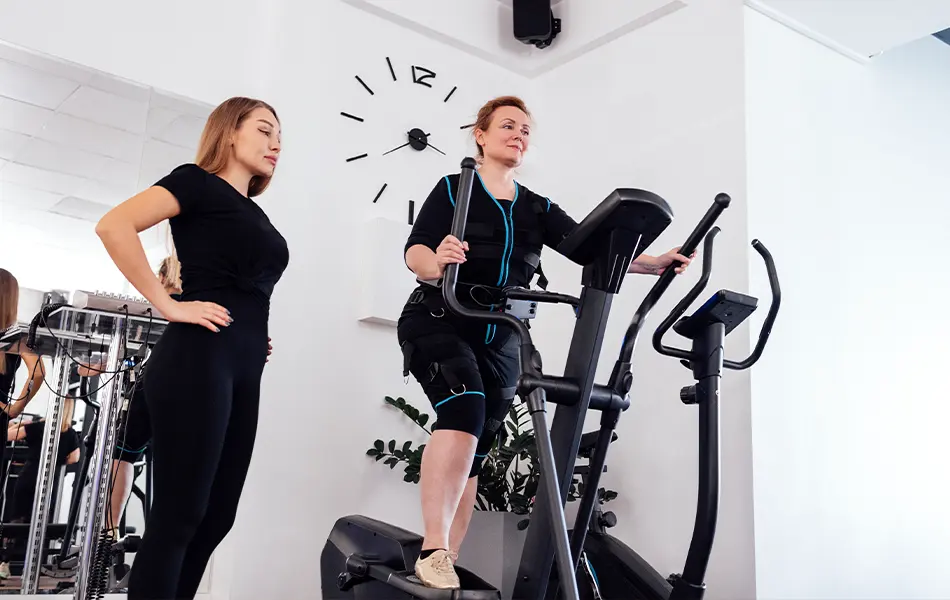
Elliptical machines simulate running without the joint impact, making them ideal for those with knee or hip concerns. The elliptical engages both upper and lower body when you use the handles, providing a comprehensive cardio session. Varying resistance and incline keeps workouts challenging and prevents adaptation plateaus.
High-Intensity Cardio Workout Suggestions
High-intensity cardio exercises burn more calories in less time and continue to elevate metabolism after your workout ends, a phenomenon known as excess post-exercise oxygen consumption.
Running and Jogging
Running remains one of the most efficient calorie-burning exercises, with the average person burning 100 calories per mile. Begin with a run-walk approach if you’re new to running, alternating between running and walking intervals. As fitness improves, gradually increase running duration while decreasing walk breaks. Proper running shoes and attention to form help prevent injuries.
Jump Rope
Jump rope delivers an intense cardiovascular workout that improves coordination, agility, and bone density. Just 10 minutes of jumping rope can burn as many calories as 30 minutes of jogging. Start with 30-second intervals, resting between sets, and progressively increase duration as your stamina builds. This portable exercise requires minimal space and equipment.
High-Intensity Interval Training (HIIT)
HIIT alternates short bursts of maximum-effort exercise with recovery periods. A typical HIIT session might include 30 seconds of sprinting followed by 60 seconds of walking, repeated for 15 to 20 minutes. HIIT workouts are time-efficient, boost metabolism, and improve both aerobic and anaerobic fitness. These sessions should be limited to two to three times per week to allow adequate recovery.
Rowing
Rowing machines provide a full-body, high-intensity cardio workout that engages approximately 85 percent of your muscles. Rowing burns significant calories while building strength in the legs, core, back, and arms. Proper technique is essential—the movement should be primarily leg-driven, with the arms finishing the pull. Twenty to thirty minutes of rowing delivers an excellent cardiovascular challenge.
Group Fitness Cardio Workout Suggestions
Group fitness classes offer structured workouts with the added benefits of social interaction, professional instruction, and built-in motivation.
Aerobics and Dance Fitness

Aerobics classes combine rhythmic movements with music to create enjoyable, energetic workouts. Dance-based fitness programs like Zumba make cardio feel less like exercise and more like recreation. These classes typically last 45 to 60 minutes and accommodate various fitness levels through modifiable intensity options.
Spinning Classes
Indoor cycling classes led by instructors guide participants through varied terrains and intensities, simulating hills, sprints, and endurance rides. The group environment and motivating music help push participants beyond what they might achieve alone. Spinning classes typically burn 400 to 600 calories per session while building leg strength and cardiovascular endurance.
Kickboxing
Cardio kickboxing combines martial arts techniques with fast-paced cardio conditioning. These classes improve coordination, build strength, and provide stress relief while delivering an intense calorie burn. The combination of punches, kicks, and defensive movements keeps your mind engaged while your heart rate stays elevated.
Sport-Based Cardio Workout Suggestions
Incorporating sports into your cardio routine adds variety, skill development, and competitive elements that keep exercise engaging.
Basketball
Basketball involves continuous movement—running, jumping, and quick directional changes—that provides excellent cardiovascular training. A one-hour basketball game can burn 600 to 900 calories depending on intensity. Playing basketball also improves coordination, agility, and teamwork skills.
Tennis

Tennis delivers interval-style cardio through bursts of intense activity followed by brief recovery periods. The sport improves hand-eye coordination, balance, and strategic thinking while providing a solid cardiovascular workout. Singles tennis offers more continuous movement than doubles play.
Soccer
Soccer combines endurance running with sprints, making it an excellent cardio workout that also builds leg strength and improves agility. A typical soccer match involves 7 to 9 miles of running with varied intensities. Recreational soccer leagues offer opportunities for regular play regardless of skill level.
Home-Based Cardio Workout Suggestions
Effective cardio workouts don’t require gym memberships or expensive equipment. Numerous exercises can be performed at home with minimal or no equipment.
Bodyweight Circuits

Create cardio circuits using exercises like jumping jacks, burpees, mountain climbers, high knees, and squat jumps. Perform each exercise for 30 to 45 seconds with 15 seconds rest between exercises, completing 3 to 5 rounds. These circuits elevate heart rate while building strength and endurance.
Stair Climbing
If you have access to stairs, walking or running up and down provides an intense cardio workout that also strengthens legs and glutes. Start with 10 minutes and gradually increase duration. For added challenge, take stairs two at a time or add intervals of single-leg hops.
Dancing
Dancing at home to your favorite music offers a fun, free cardio option. Continuous movement for 30 to 45 minutes elevates heart rate while improving mood and coordination. Online dance workout videos provide structured routines if you prefer guided sessions.
Cardio Workout Suggestions for Different Fitness Levels
Beginner-Friendly Options
Beginners should start with low to moderate-intensity activities like walking, gentle cycling, or swimming. Begin with 15 to 20-minute sessions three times per week, focusing on consistency rather than intensity. As fitness improves, gradually increase duration by 5 minutes each week until reaching 30 to 45 minutes per session.
Intermediate Progression
Intermediate exercisers can incorporate varied intensities, including jogging, faster-paced cycling, or group fitness classes. Aim for 30 to 45-minute sessions four to five times per week, mixing moderate and vigorous-intensity workouts. Adding interval training helps break through fitness plateaus and continues improving cardiovascular capacity.
Advanced Training
Advanced individuals should challenge themselves with high-intensity workouts, longer endurance sessions, or competitive sports. Incorporate HIIT sessions, long-distance running, or advanced rowing workouts. Cross-training prevents overuse injuries while maintaining high fitness levels. Advanced exercisers often benefit from structured training plans aligned with specific performance goals.
Creating a Balanced Cardio Workout Plan
A well-rounded cardio program includes variety to prevent boredom, reduce injury risk, and ensure comprehensive fitness development. Mix different types of cardio throughout the week—for example, Monday might include a 30-minute jog, Wednesday a HIIT session, Friday a swim, and Saturday a recreational sport. This approach works different muscle groups and energy systems while keeping exercise interesting.
Listen to your body and include rest days for recovery. Overtraining leads to fatigue, decreased performance, and increased injury risk. Most people benefit from scheduling cardio workouts on non-consecutive days or alternating intense and lighter sessions. Remember that exercises should enhance your life, not exhaust you constantly.
Maximizing Results from Your Cardio Workouts
To optimize cardio workout effectiveness, maintain proper form during all exercises to prevent injury and ensure you’re targeting the intended muscle groups. Stay hydrated before, during, and after workouts, especially for sessions longer than 30 minutes. Fuel your body with balanced nutrition that supports your activity level and recovery needs.
Track your progress by recording workout duration, distance, heart rate, or perceived exertion. Seeing improvements over time provides motivation and helps identify when to increase intensity or duration. Many fitness apps and wearable devices simplify tracking and offer insights into your cardiovascular fitness trends.
Warm up before intense cardio with 5 to 10 minutes of light activity to prepare your cardiovascular system and muscles. Cool down afterward with gentle movement and stretching to gradually lower heart rate and improve flexibility. These practices reduce injury risk and enhance recovery.
Common Mistakes to Avoid
One frequent mistake is doing the same cardio workout at the same intensity repeatedly. Your body adapts quickly, leading to diminished returns. Vary your workouts in type, duration, and intensity to continue making progress. Another error is neglecting strength training entirely—combining cardio with resistance exercises creates optimal fitness and body composition results.
Many people exercise at intensities too low to provide significant cardiovascular benefits or too high to sustain safely. Learn to monitor intensity through heart rate zones or perceived exertion scales. Most cardio sessions should feel challenging but sustainable, allowing you to maintain the activity for the intended duration.
Ignoring pain or discomfort can lead to serious injuries. Muscle soreness after workouts is normal, but sharp pain, joint discomfort, or pain that worsens during activity signals a problem requiring rest or professional evaluation. Your long-term health depends on exercising sustainably and responsibly.
Adapting Cardio Workouts to Your Lifestyle
Successful fitness routines fit seamlessly into your daily life rather than disrupting it. If mornings work best, schedule cardio then; if evenings suit you better, plan accordingly. Short on time? Three 10-minute cardio sessions throughout the day provide similar benefits to one 30-minute session.
Incorporate movement into daily activities when possible—take stairs instead of elevators, park farther from entrances, or walk during phone calls. These small additions accumulate into significant activity over time. For busy professionals, lunchtime walks or bike commuting add cardio without requiring extra time allocation.
Consider your environment and resources when selecting cardio activities. Limited space doesn’t prevent effective workouts—bodyweight circuits and jump rope require minimal room. Prefer outdoor activities? Running, cycling, and hiking offer fresh air and natural scenery. Choose activities you genuinely enjoy, as consistency matters more than finding the theoretically “perfect” exercise.
Frequently Asked Questions
How often should I do cardio workouts each week?
Most adults should aim for at least 150 minutes of moderate-intensity or 75 minutes of vigorous-intensity cardio per week, spread across multiple days. This could mean 30 minutes of moderate cardio five days weekly or 25 minutes of vigorous cardio three days weekly. Beginners may start with three sessions weekly and gradually increase frequency as fitness improves. Rest days remain important for recovery and injury prevention.
What is the best time of day to do cardio exercise?
The best time for cardio is whenever you can consistently fit it into your schedule. Morning workouts boost energy for the day and ensure exercise gets completed before other obligations interfere. Afternoon sessions often benefit from peak body temperature and muscle function. Evening workouts help relieve daily stress, though intense exercise too close to bedtime may disrupt sleep for some people. Choose timing that supports your consistency and feels good for your body.
How can I make cardio workouts more enjoyable?
Increase enjoyment by listening to music, podcasts, or audiobooks during workouts. Exercise with friends or join group classes for social interaction and accountability. Vary your routine to prevent boredom—try new activities, explore different routes, or set specific challenges. Outdoor workouts provide changing scenery and fresh air. Focus on activities you genuinely find fun rather than forcing yourself through exercises you dislike, as enjoyment strongly predicts long-term adherence.
Should I do cardio before or after strength training?
For optimal results, perform strength training before cardio when both are done in the same session. This approach allows maximum energy and focus for resistance exercises, which require proper form and progressive overload for effectiveness. Intense cardio before strength training depletes glycogen stores and reduces power output for lifting. Alternatively, separate cardio and strength sessions by several hours or perform them on different days to ensure adequate performance and recovery for each training type.
Can I lose weight with cardio alone?
Cardio exercise burns calories and supports weight loss, especially when combined with appropriate nutrition. However, combining cardio with strength training produces superior results for body composition, as muscle tissue increases metabolic rate and creates a toned appearance. Weight loss ultimately requires a calorie deficit—burning more calories than consumed. Cardio contributes to this deficit, but diet plays the largest role in weight management. A comprehensive approach including cardio, strength training, and balanced nutrition yields the best outcomes.
How do I know if I am doing cardio at the right intensity?
Monitor intensity through heart rate zones, perceived exertion, or the talk test. For moderate intensity, you should be able to talk but not sing during the activity, with heart rate at 50 to 70 percent of maximum. Vigorous intensity allows only short phrases before needing breath, with heart rate at 70 to 85 percent of maximum. Wearable fitness trackers provide real-time heart rate feedback. Alternatively, rate perceived exertion on a scale of 1 to 10, where moderate intensity feels like 5 to 6 and vigorous feels like 7 to 8.
What should I eat before and after cardio workouts?
Before cardio, consume a light meal or snack containing easily digestible carbohydrates 1 to 3 hours before exercise. Options include a banana with nut butter, oatmeal with berries, or toast with jam. For workouts under 60 minutes, pre-workout nutrition may not be necessary if you have eaten recently. After cardio, especially intense or long sessions, eat within 30 to 60 minutes to support recovery. Include both carbohydrates to replenish glycogen and protein to support muscle repair—examples include Greek yogurt with fruit, a protein smoothie, or a turkey sandwich.
Is it normal to feel sore after cardio workouts?
Mild muscle soreness 24 to 48 hours after workouts, especially when trying new activities or increasing intensity, is normal and indicates muscle adaptation. This delayed onset muscle soreness should be manageable and improve within a few days. However, sharp pain during exercise, severe soreness that prevents normal movement, or pain that worsens rather than improves indicates potential injury requiring rest and possibly professional evaluation. Distinguish between productive muscle fatigue and problematic pain to exercise safely and effectively.